

Overnight, at the start of the 40th day of Operation Roaring Lion and shortly before the expiration of the ultimatum he set regarding the Strait of Hormuz, U.S. President Donald Trump announced a two-week ceasefire with Iran. Trump said he agreed to suspend bombings and attacks on Iran, and that Iran had agreed to reopen the Strait of Hormuz.
“The reason,” he explained, “we have already met and exceeded all Military objectives, and are very far along with a definitive Agreement concerning Longterm PEACE with Iran.”
Interceptions of an Iranian missile overnight in central Israel, following Trump’s announcement
(Video: Kobi Koanks)


What exactly was agreed?
In his statement, Trump said it was a “mutual ceasefire by both sides,” based on a 10-point proposal submitted by Iran. “We believe it provides a workable basis for negotiations,” he said. Iran published the points, but the U.S. president said they do not reflect Tehran’s maximalist demands. “These are very good points, and most have already been fully discussed,” Trump told Sky News.
When did the ceasefire take effect?
Shortly before 4 a.m., Iran’s supreme leader, Mojtaba Khamenei, instructed all military units to stop launching missiles toward Israel and other countries in the region. The announcement was broadcast on state television about two hours after Trump declared an agreement had been reached. In practice, however, Gulf states reported that Iranian attacks continued even after that time.
Does the agreement include Lebanon?
According to details published in Iran, which Trump said form the basis for negotiations, all military activity is to cease, including by proxy organizations. Senior security sources familiar with the temporary ceasefire arrangement between Iran and the United States told Ynet overnight that the agreement announced by Trump would include Lebanon.
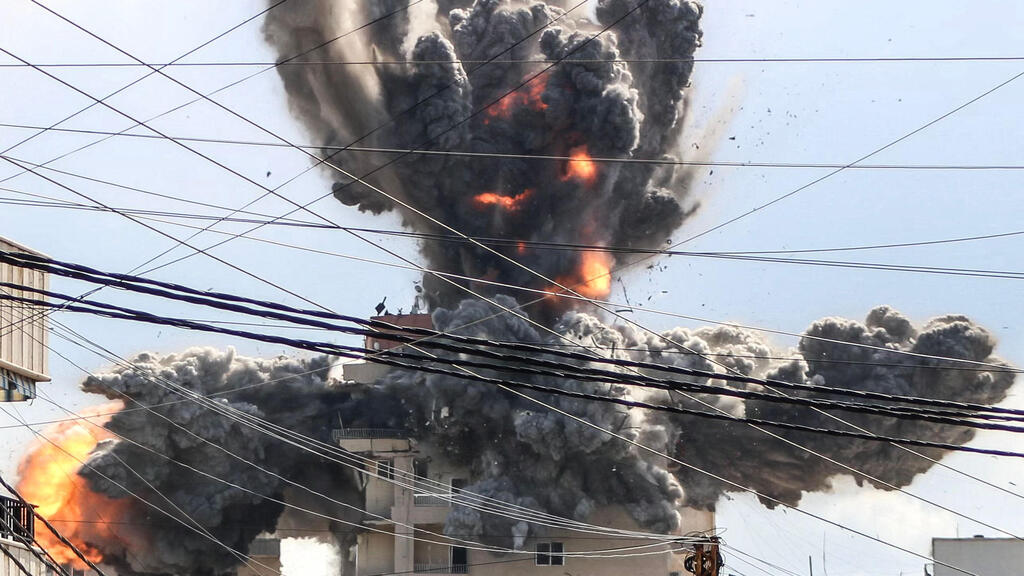
However, Prime Minister Benjamin Netanyahu said in an English-language statement overnight that the ceasefire does not include Lebanon. Lebanese reports this morning said Israeli strikes continued in the south of the country, with four people killed in a vehicle strike near Tyre. An Israel Defense Forces spokesman later clarified that the ceasefire does not apply to Lebanon and that ground operations there are ongoing.
Local council heads in northern Israel also told residents they had been updated that Northern Command is continuing its plans in Lebanon.
How long will the ceasefire last?
Two weeks.
When will negotiations begin?
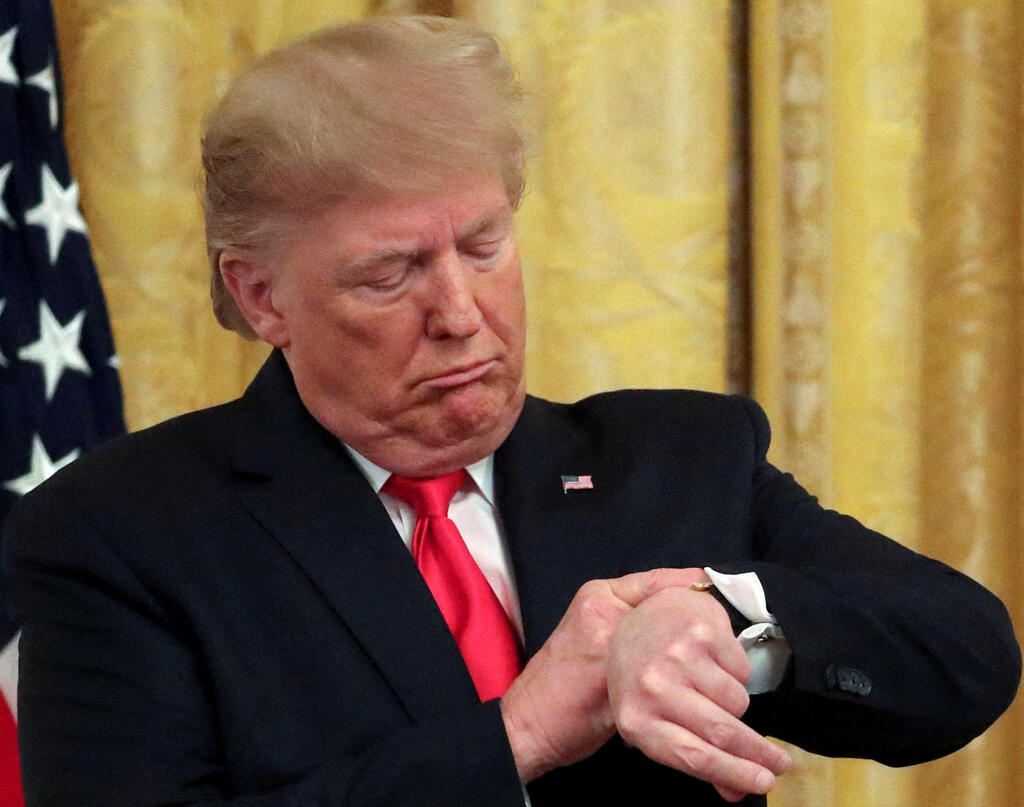
According to reports, U.S.-Iran talks will open Friday in Islamabad, Pakistan’s capital, which is mediating between the sides. CBS reported that Vice President JD Vance will lead the negotiations. In an interview with AFP, Trump said the issue of enriched uranium would be addressed in the talks.
Iranian state media reported that officials in the Islamic Republic said a full and final end to the war would depend on the 10-point plan.
(Photo: Jonathan Ernst/Reuters)
What about the Strait of Hormuz?
Trump stressed that the ceasefire is contingent on the “full, immediate and safe reopening of the Strait of Hormuz.” However, CNN reported this morning that more than seven hours after the announcement, shipping traffic in the strategic waterway had not yet resumed.
Iranian Foreign Minister Abbas Araghchi said vessel movement would take place “in coordination with Iran’s armed forces and subject to technical constraints.” A regional source familiar with the negotiations told The Associated Press that the temporary ceasefire allows Iran and Oman to collect fees from ships passing through the strait. According to the source, Iran is expected to use the funds to repair damage sustained during the war.
Iranian media made similar claims, portraying control of the strait as granting the country a “unique economic and geopolitical status.”
Could missile launches still occur?
The agreement refers to a “cessation of aggression,” but Israel is still preparing for possible missile fire. In the hours after Trump’s announcement, and before Khamenei ordered a halt to attacks, sirens sounded across much of the country almost continuously between 1:46 a.m. and 3:27 a.m.
The IDF said this morning it has halted strikes in Iran but remains on high defensive alert and ready to respond to any violations.
What led to the talks?
In late March, an Israeli official told ynet that the Americans had marked April 9 as the target date for ending the war. Trump, who had promised the war would end within six weeks of its start, met that timeline in part through a sharp escalation in rhetoric, including threats of destroying an entire civilization, as he put it, which helped create an exit path from the conflict.
Iran, which in recent weeks had firmly rejected a temporary ceasefire, ultimately accepted the proposal and agreed to negotiations with the United States in Pakistan. As recently as yesterday afternoon, a senior Iranian official told Reuters that Tehran opposed any temporary ceasefire and demanded a final and complete one. Iran has since reversed course and is portraying Trump’s acceptance of its 10-point plan as a basis for talks as a diplomatic achievement.
What are the current Home Front Command guidelines?
As of now, there has been no change in civilian defense policy. The IDF said ongoing assessments and discussions are being held to consider possible updates.
The military said it remains prepared “in defense and offense” and urged the public to stay alert, act responsibly and follow Home Front Command instructions, which are updated periodically. Any changes will be announced accordingly.
Are we approaching a return to normal?
No easing of restrictions has been announced yet. However, the Airports Authority said it is conducting ongoing assessments and considering expanding operations. The Education Ministry is also evaluating the situation, and Ynet has learned it supports a return to classes as early as tomorrow in municipalities able to prepare. Those needing more time will likely be allowed to resume by Sunday.