

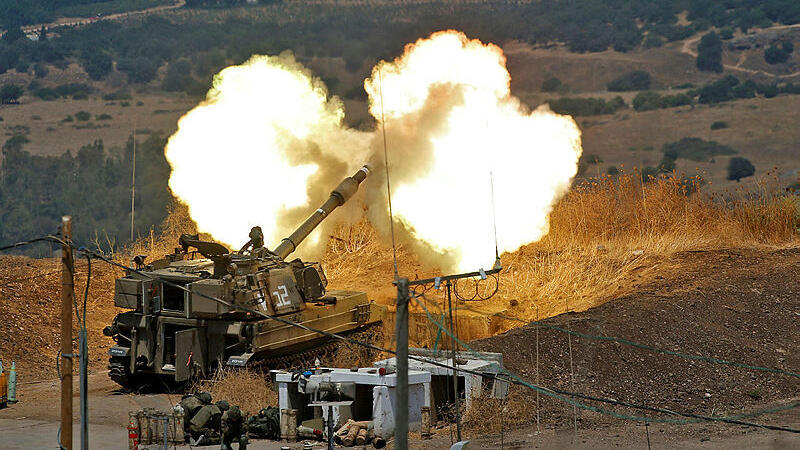
Just two months before the election, the government is expected next week to approve an exceptional increase in the defense budget to fund urgent purchases of weapons and ammunition for the IDF.
Prime Minister Benjamin Netanyahu and Finance Minister Bezalel Smotrich agreed Wednesday that the increase would amount to tens of billions of shekels, but the final sum will be determined by next Monday and is expected to be brought before the government for approval two days later at a special meeting.
A senior government official estimated that the increase would be around 25 billion shekels, raising this year’s defense budget from a record 158 billion shekels to about 184 billion shekels, roughly 100 billion shekels more than the defense budget when the Swords of Iron war began.
Transferring funds for any purpose within 90 days before a general Knesset election requires the approval of the attorney general, as well as passage of the decision in three readings in the Knesset. Votes in the Finance Committee and the plenum require approval from the coalition-opposition “agreements committee.” However, in the case of urgent funding for the defense establishment, both are expected to approve the government’s request for an emergency budget increase “for security purposes that cannot be postponed,” as the prime minister’s request is expected to state.
Opposition political figures argued Wednesday evening that the decision to transfer the money cannot be separated from the election campaign and that it could have waited two months, since the military equipment would not be delivered in the coming months anyway. They said such a request could benefit the prime minister and the coalition during the election campaign.
The original defense budget for 2026 stood at about 112 billion shekels in the spring, but it was increased at the time by 31 billion shekels to 143 billion shekels and later by another 15 billion shekels.
According to a senior Finance Ministry official, the increase in the defense budget will not require cuts to government ministry budgets or the imposition of taxes before the election, steps that would in any case be prohibited. The state of the budget, with the annual deficit currently at just 3.3%, will also allow the increase without such measures.
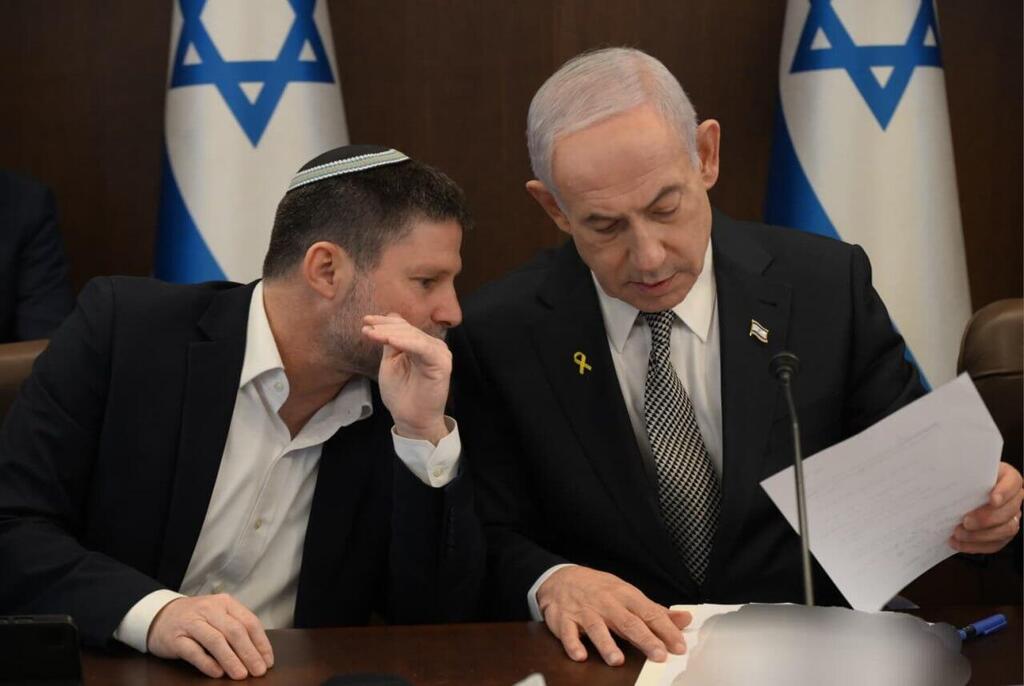
Prime Minister Benjamin Netanyahu and Finance Minister Bezalel Smotrich agreed to increase the defense budget
(Photo: Haim Tzach/GPO)
What will happen instead is a breach of the budget framework, a situation that will almost certainly force the next government, which will take office toward the end of the year, to make painful cuts to government ministry budgets and impose new taxes, both indirect, such as raising value-added tax, and direct, such as increasing income tax payments and levying additional real estate taxes.
Every 2 billion shekels transferred to the defense establishment without offsetting funding measures will increase the budget deficit by 0.1 percentage point. That means an increase of 26 billion shekels would raise the deficit by 1.3 percentage points to 4.6%, still below the 4.9% deficit approved by the government and Knesset for 2026.
Netanyahu recently announced that he intends to expand the planned increase in the defense budget over the coming decade from an additional 350 billion shekels to 400 billion shekels. The Finance Ministry and Bank of Israel have warned that such an increase would raise Israel’s debt-to-GDP ratio from 59% on the eve of the Swords of Iron war to around 80% if those additions are approved.
In such a scenario, the Finance Ministry and Bank of Israel fear another downgrade of Israel’s credit rating to around the B range, after Israel’s rating had remained at various levels within the A category for years. A downgrade would sharply increase the interest rates charged internationally on loans taken by the Israeli government, a development that would require painful economic measures to be imposed on the public as early as next year.