

After a three-month delay and a dramatic overnight vote, Israel’s Knesset approved the 2026 state budget, a record NIS 699 billion ($221.6B), marking a clear shift in national priorities toward defense spending at the expense of civilian sectors.
The budget passed in its second and third readings by a vote of 62 to 55 during a late-night session held in a fortified alternative chamber due to the ongoing war.
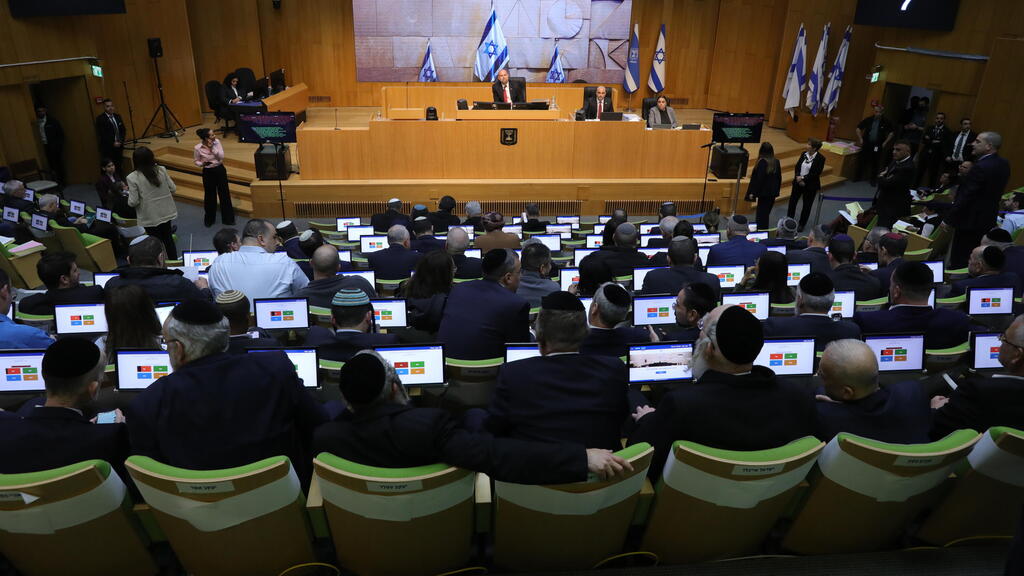
At the center of the plan is a sharp increase in defense spending, which rose in recent days from NIS 112 billion to NIS 144 billion ($45.8B) following additional wartime demands. It is by far the largest component of the budget.
Civilian spending lags behind. The Education Ministry is set to receive nearly NIS 97 billion ($30.9 billion), followed by about NIS 64 billion ($20.4 billion) for the National Insurance Institute and roughly NIS 63 billion ($20.1 billion) for the Health Ministry.
The increase in defense spending comes alongside a broad cut of more than 3% across civilian ministries. The reductions are expected to hit education, health care, welfare and infrastructure in particular, sectors that have already faced strain after more than two years of war.
The budget sets a deficit target of 4.9%, a figure economists and officials have questioned given the ongoing war with Iran and the likelihood of continued high military expenditures.
Despite the formal spending cap of about NIS 699 billion ($222.6 billion), total government expenditure in 2026 is expected to be significantly higher. Including development budgets and additional financial mechanisms, overall spending could reach approximately NIS 850.6 billion ($270.9 billion).
Officials also expect the budget to be exceeded, as has happened in recent years, as the defense establishment is likely to seek further increases. Within weeks, additional requests of at least NIS 15 billion ($4.8 billion) are anticipated, including NIS 7 billion ($2.2 billion) tied to rising rehabilitation costs for wounded personnel.
Debt servicing costs continue to climb as well, projected to reach NIS 151.8 billion ($48.3 billion), reflecting the economic burden of the war since October 7, 2023.
The accompanying economic arrangements law is among the leanest in recent years, containing only 15 reforms. Prime Minister Benjamin Netanyahu instructed Finance Minister Bezalel Smotrich to drop several key proposals, including reforms in the dairy sector and a planned 1.5% tax on vacant land.
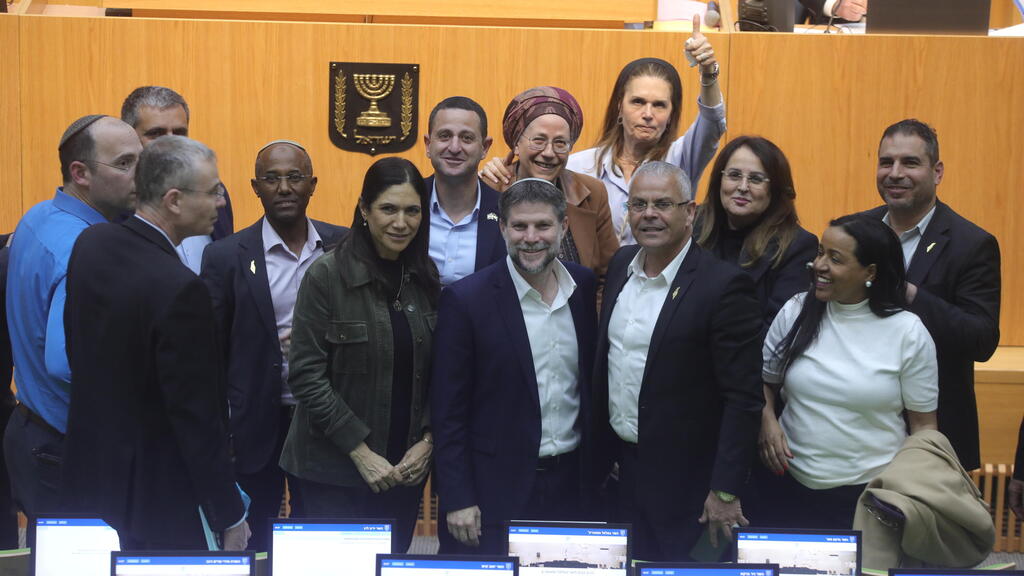
Coalition members celebrate
(Photo: Gil Yohanan)
A proposed multi-year tax on the five largest banks, expected to generate NIS 7.5 billion ($2.4 billion) over five years, was also removed. Instead, the government will impose a one-time tax of NIS 3 billion ($1 billion) this year, along with an additional NIS 125 million ($40 million) in 2027.
Last-minute maneuver on ultra-Orthodox funding
Moments before the final vote, lawmakers witnessed a political maneuver that underscored the coalition’s dependence on ultra-Orthodox parties.
Coalition lawmakers unexpectedly introduced formal budget reservations of their own, a procedure typically used by the opposition to challenge legislation. The move enabled the approval of NIS 790 million ($252 million) in funding for yeshivas and other ultra-Orthodox institutions.
Coalition officials said the funds were not new but had already been included in coalition allocations and frozen pending legal approval. Critics argued the maneuver effectively bypassed the attorney general’s guidance, which had barred use of the funds due to the ongoing dispute over military conscription and a High Court ruling limiting such funding.
The move had been planned in secrecy for more than a week, according to political officials, to ensure the opposition would be caught off guard.
The tactic proved effective. During the first vote on the reservations, opposition lawmakers appeared confused and voted in favor, allowing the measure to pass by a margin of 107 to 4. A subsequent vote passed with even broader support.
Attorney General Gali Baharav-Miara had opposed releasing a significant portion of the funds, citing both the conscription dispute and legal restrictions following a High Court ruling. As a result, the money had remained frozen in a reserve budget line.
The reservations approved overnight reclassified the funds into a standard budget line under the Education Ministry, allowing them to be disbursed despite the legal objections.
The episode highlighted the political leverage of ultra-Orthodox parties, which had initially threatened to withhold support for the budget over the lack of progress on legislation exempting yeshiva students from military service, but ultimately backed the spending plan.
With the budget now approved, attention is expected to shift quickly back to mounting fiscal pressures, as continued military operations and rising social costs are likely to test the government’s ability to stay within its own spending framework.