


The death of Be’er Sheva District Court President Beni Sagi about a month ago sent shockwaves through the Israeli judicial system. Now the court is facing a crisis, grappling with a shortage of seven judges.
Recently, Judge Natan Zlotsover — who sentenced crime boss Yaniv (Nibi) Zaguri — retired, marking the end of his tenure. Alongside him, Judge Ariel Vago and Judge Eliyahu Beitan also stepped down. The three were considered pillars of the court and presided over high‑profile serious crime cases together with Judge Alon Infeld. Added to these departures are Judges Aharon Mishnayot and Ariel Hazak, both of whom are expected to retire soon.
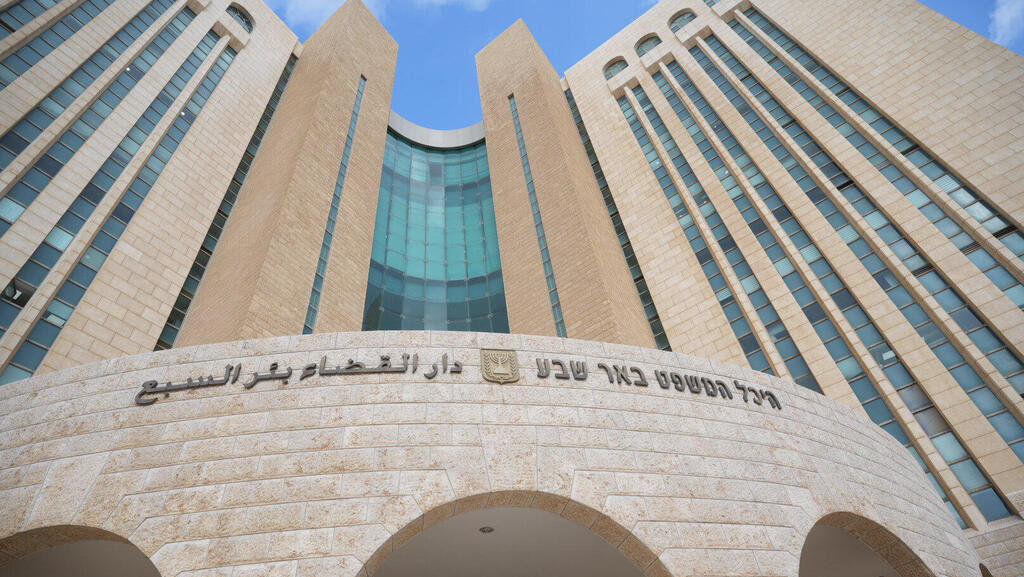
When Sagi took office as president of the court, he worked to stabilize the court and help fill vacant positions. Cases in which he was the sole judge were initially routed to him for mediation before being reassigned — leading many cases to plea agreements that saved valuable judicial time. At the same time, he sought to address the systemic shortage of district judges with Justice Minister Yariv Levin, but to no avail.
Now, the court that serves half of Israel is critically understaffed. Citizens in the south are not receiving proper services due to the shortage of judges. Meanwhile, appointing district judges requires convening the Judges Selection Committee, but under current conditions — with a justice minister who does not recognize Supreme Court President Isaac Amit — the problem is likely to persist.
A temporary solution could be the appointment of an adjunct judge to temporarily fill some of the roles vacated by departing judges. This appointment is intended to help reduce the burden on the courts, and such judges are not part of the regular judicial roster.
“The minister can sign that in this emergency, after the president was killed, he’s making a gesture,” a legal source said. “He doesn’t even have to tell his base: ‘Guys, I convened the committee.’ He doesn’t need a nominations committee. But apparently even this terrible tragedy doesn’t move him.”
Such an appointment still requires the agreement of the Supreme Court president, and there is currently no president.
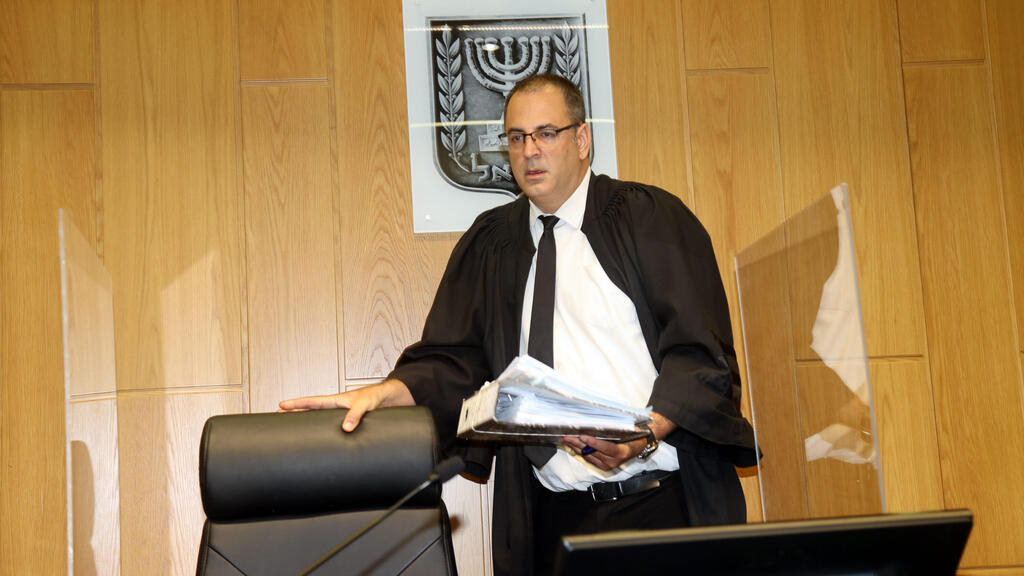
Former Be'er Sheva District Court president, Beni Sagi
(Photo: Yariv Katz)
Attorney Elad Danoch, chairman of the Southern District of the Israeli Bar Association, explained: “The Be’er Sheva district has lost Judge Sagi of blessed memory, who was an active and dominant president. With his unique approach and extensive experience, he knew how to bring cases to resolution efficiently and with exceptional speed. He had the ability to bridge gaps and lead complex dispute resolution — a central element in the efficient functioning of the Be’er Sheva courthouse. Added to this is the void created by the retirement of district judges, and those expected to retire soon — illustrating above all the significant shortage of judicial manpower.”
According to Danoch, “This reality presents a challenge for lawyers practicing in the Be’er Sheva courthouse, and it is appropriate that all relevant parties work to advance professional appointments as soon as possible, with understanding that strengthening the judicial system in the south is a foremost public interest — ensuring proper legal services and the realization of the right of access to the courts for all residents of the south. Most importantly, I call for the appointment of a permanent president of the Be’er Sheva District Court as soon as possible — a president in the spirit of Benny Sagi of blessed memory, who was a top‑notch professional whose leadership and contributions left a deep mark on the judicial system in the south and beyond, and who led the courthouse to new heights in a short time.”
At any given moment, more than 1,000 cases are being handled at the Be’er Sheva District Court, most of them by the Southern District Prosecutor’s Office. Fewer judges mean slower, more cumbersome, and ultimately lower‑quality service, no matter how professional many of the remaining judges are. Currently, Vice President Yael Raz Levi, the court’s most senior judge, is coordinating activity until a permanent president is appointed.
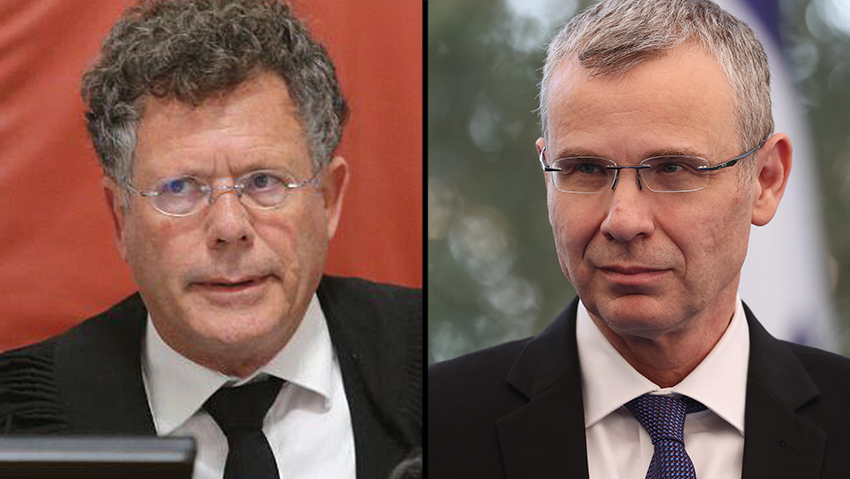
Judge Yitzhak Amit and Justice Minister Sagi Levin
(Photos: Amit Shavi, Alex Kolomoisky)
A legal source sharply criticized the situation. “The public doesn’t see whether the minister signed appointments. The public sees no judicial service and everything is stuck," the source said. "It’s unbelievable that this is happening. Levin doesn’t care. He doesn’t care if the world turns upside down and burns. He doesn’t care that people have to wait and there aren’t hearings.”
From the judicial authority’s spokesperson noted that: “The Be’er Sheva District Court is one of the courts with a significant shortage of judicial manpower, which has been magnified by the severe professional and personal loss of President Sagi— naturally causing a serious impact on services to the public. Despite the growing shortage of judicial manpower and heavy caseload, the court’s management and judges are making every effort to continue providing professional and optimal service to the public.”
Levin’s office also responded. “To appoint an adjunct judge requires agreement between the Supreme Court president and the Justice Minister. At the moment there is no president, so it is not possible to appoint. There is no way to appoint an adjunct judge without agreement between the president and the minister. The minister is ready to reach agreements on appointments throughout the country, but at the moment there is no partner.”