


Reza Pahlavi, son of the last Shah of Iran, declared in a Paris press conference on Monday that the Ayatollah regime is on the verge of collapse and must be overthrown. Pahlavi, who envisions himself leading a democratic Iran after the current theocratic rule, urged Iranian security forces to defect, promising them a place in the new government. He also implored the international community to seize this critical moment and avoid any concessions that might prolong the Ayatollahs' rule.
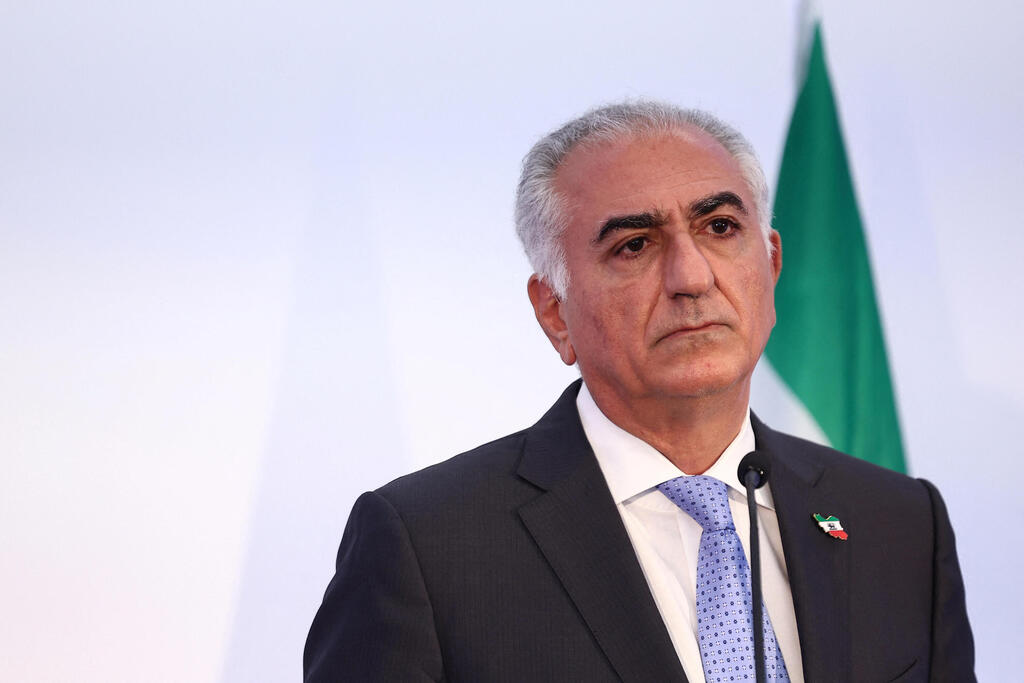
"This is a historic moment for our nation," Pahlavi asserted, emphasizing that Iran has been drawn into a devastating conflict orchestrated by Ali Khamenei and his corrupt government. He accused the current regime of pushing the economy to the brink of ruin, destroying infrastructure, and squandering national wealth on nuclear weapons development. "The base of this dictatorship is shaking," Pahlavi stated, comparing the current situation to the fall of the Berlin Wall.
Pahlavi detailed recent conversations with a wide range of Iranians—from army officers to factory workers—who, he claims, are united in their fight for freedom. He alleged that Khamenei's family and other high-ranking officials are already preparing to flee Iran, indicating the regime's final days.
Despite Pahlavi's strong assertions, there is currently no independent evidence to suggest that the Ayatollah regime is losing control or that its end is imminent.
Pahlavi warned that the world faces a dangerous crossroads. "As long as the regime exists, no country will be safe," he said. He outlined two potential paths: one leading to chaos and bloodshed, and the other to a non-violent transfer of power. The outcome, he argued, hinges on whether the international community provides any support to the current regime, which he believes would only lead to more violence. He stressed that a secular Iran is the only path to lasting peace.
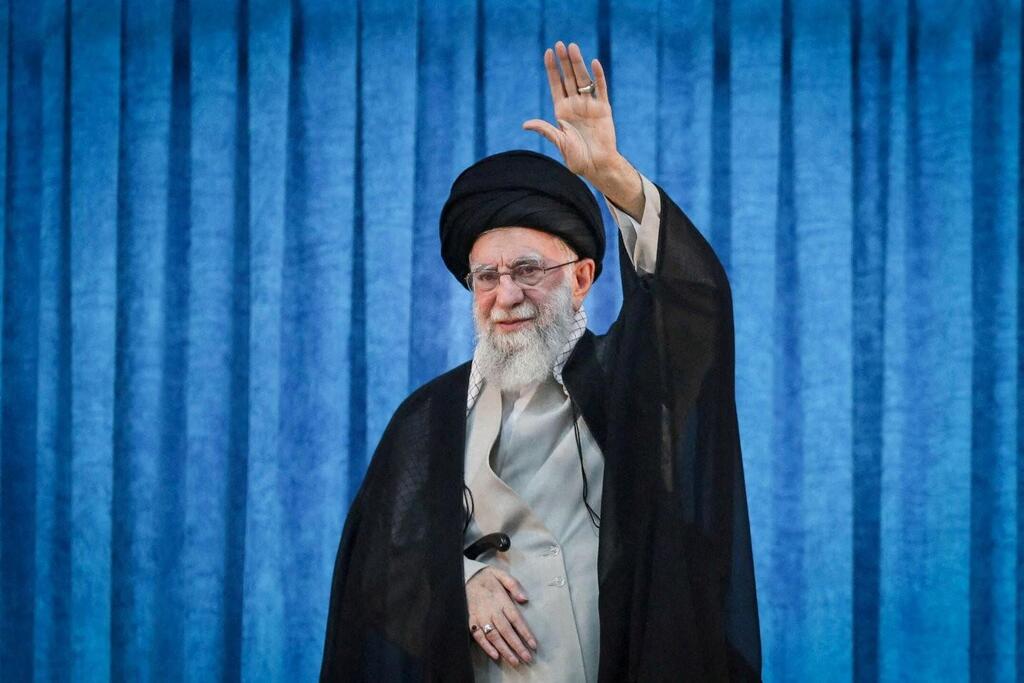
Ayatollah Khamenei
(Photo: Office of the Iranian Supreme Leader/WANA/Handout, Reuters)
Offering himself as a leader during this critical transition, Pahlavi clarified: "I am not seeking political power, but to help our great nation navigate this critical hour towards stability, freedom and justice." He expressed solidarity with the suffering Iranian people, acknowledging their pain and fears. Pahlavi directly blamed Ali Khamenei for the current "war" and the suffering it has caused, accusing him of operating from a bunker and using the Iranian people as human shields.
Pahlavi sent a direct message to Khamenei, promising him a fair trial if he steps down—a level of justice, he noted, "more than anything you have given to any Iranian." He also extended an offer to other officials: those with blood on their hands will face justice, but those loyal to the Iranian nation rather than the Islamic Republic have a future in a democratic Iran if they join the movement now. To facilitate this, Pahlavi announced the creation of a secure channel for police and government officials to contact him and his team directly, urging them to join the movement.
Get the Ynetnews app on your smartphone: Google Play: https://bit.ly/4eJ37pE | Apple App Store: https://bit.ly/3ZL7iNv
Addressing the international community, Pahlavi urged them "not to repeat the mistakes of the past" by offering a lifeline to the current regime. While commending efforts to halt Iran's nuclear program, he argued that only a democratic transition can ensure long-term peace. He warned that simply destroying nuclear facilities would not prevent the regime from acquiring weapons from other states like North Korea, reiterating, "Now is not the time for hesitation".
While the current Iranian regime is a religious dictatorship, the Shah's Iran was hardly a benevolent democracy. Although Mohammad Reza Pahlavi admired Western culture and championed secularism for modernization, he was also responsible for imprisoning thousands of political opponents, using a secret police force against dissidents, and indulging in lavish spending while many of his people lived in poverty. This led to widespread hatred against him among the Iranian populace.
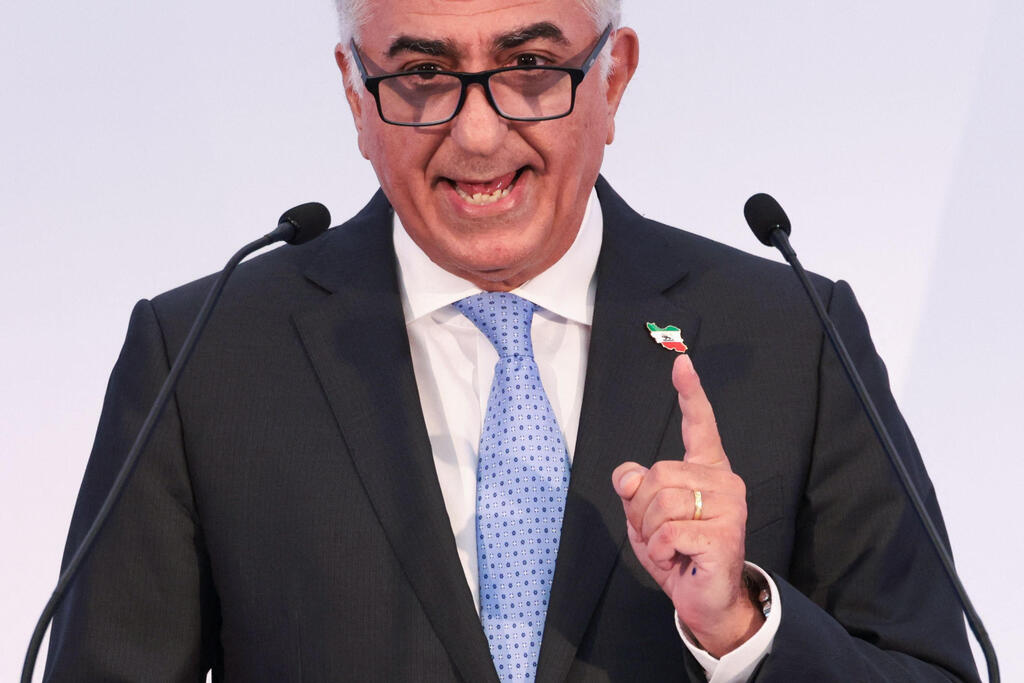
Pahlavi during his press conference
(Photo: JOEL SAGET / AFP)
The Shah fled Iran on January 16, 1979, amid bloody protests against his oppressive and corrupt rule. After months of conflict and with the Shah ailing and the military weakening, he fled to Egypt, paving the way for the Ayatollahs, led by Ruhollah Khomeini, to seize power. Reza Pahlavi, who was studying in the US at the time, remained there and, after his father's death in 1980, assumed the role of head of the royal house. Since then, he has been actively working against the religious regime from abroad.