


Hamas has signaled new flexibility in hostage negotiations, Arab media reported Sunday, shortly after Israel launched daily humanitarian pauses and approved key infrastructure projects in Gaza in a shift in policy aimed at easing civilian suffering.
Saudi outlet Al-Hadath reported that Hamas had informed mediators of its readiness to “resolve disputed issues” in the negotiations. The terrorist group’s stance follows growing international pressure and a change in tone from Israeli officials. According to unnamed sources, the shift could help restart talks this week.
Gallery
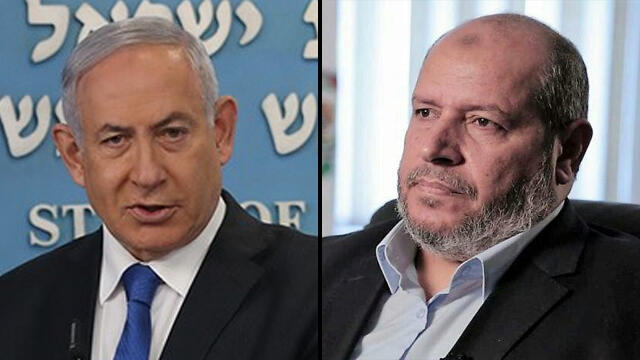
Prime Minister Benjamin Netanyahu; senior Hamas official Khalil al-Hayya
(Photo: Yonatan Sindel/Flash90)
The development comes as the IDF confirmed it had approved a plan — through the Coordination of Government Activities in the Territories, or COGAT — to allow the United Arab Emirates to begin constructing a water pipeline from a desalination plant in Egypt to the al-Mawasi area of Gaza. COGAT is the Defense Ministry body administering civilian affairs in the West Bank and Gaza.
The pipeline, expected to serve some 600,000 people, will operate independently of Israel’s existing water supply lines. Equipment for the project began entering Gaza through the Kerem Shalom crossing following security inspections, and construction is set to begin within days, officials said.
Get the Ynetnews app on your smartphone: Google Play: https://bit.ly/4eJ37pE | Apple App Store: https://bit.ly/3ZL7iNv
Separately, the IDF, in coordination with COGAT and the Israel Electric Corporation, connected a key power line to Gaza’s southern desalination facility. The upgrade will increase water output from 2,000 cubic meters to 20,000 cubic meters per day, aiming to meet the needs of roughly 900,000 residents.
The military also announced the launch of a daily 10-hour humanitarian pause, from 10 a.m. to 8 p.m., including in Gaza City — the first such measure in over a year. The decision, made in coordination with the United Nations and international aid groups, applies to areas where Israeli forces are not currently operating, such as al-Mawasi, Deir al-Balah and parts of Gaza City.
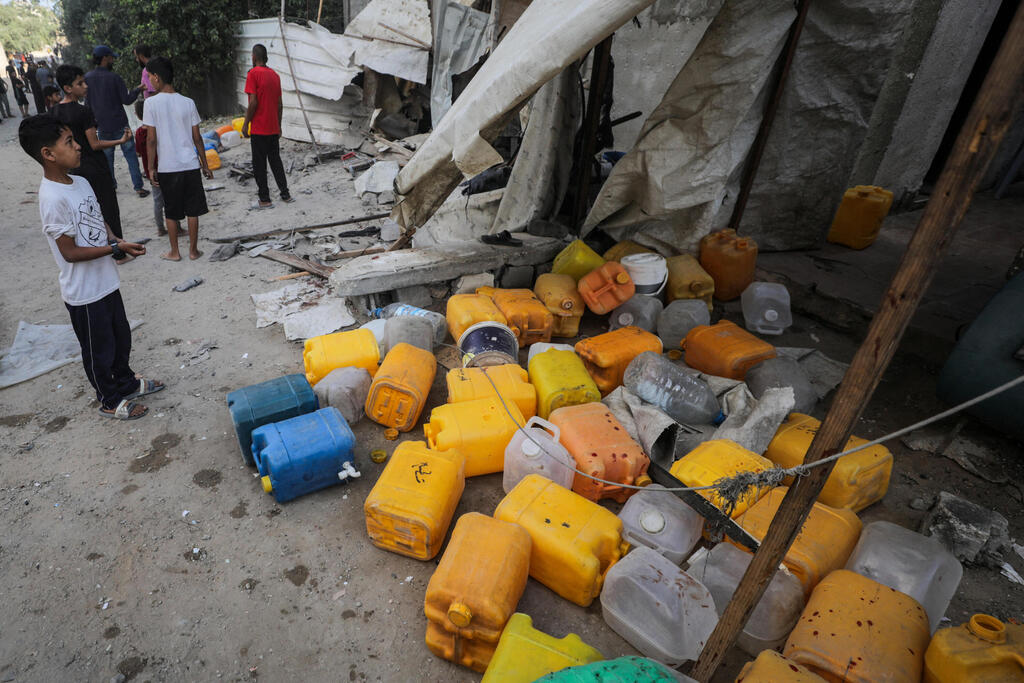
People gather near a pile of empty plastic water containers outside a damaged structure in Gaza amid severe shortage of clean water
(Photo: REUTERS/Stringer)
To facilitate aid delivery, secure routes have been designated from 6 a.m. to 11 p.m. for UN and NGO convoys carrying food and medical supplies. The IDF said it would “continue supporting humanitarian efforts on the ground, alongside ongoing operations against terror groups in Gaza.”
A message distributed to Gaza residents warned: “For your safety — do not return to the areas marked in red on the map,” referring to active combat zones. The move comes despite internal criticism from some Israeli officials, including National Security Minister Itamar Ben-Gvir, who opposed the humanitarian pause.