


For long nights, the troops moved like ghosts through the wadis of southern Lebanon. No light, no noise — only quiet movement on foot through the dense brush, with the Litani River as their objective.
After the operation in which troops crossed the river was revealed, Lt. Col. B., commander of the Golani Reconnaissance Unit, recalled the moments of the breakthrough, the encounters with Hezbollah cells and the realization of the scale of the enemy’s preparations for an invasion of Israel.
The daring IDF operation that caught Hezbollah off guard: 'Can only move in total darkness'
(Video: IDF)


“The attack from the point where we were to the Litani area took us 48 hours,” he recalled in an interview with ynet. “It began with concealed movement on foot. We wanted to surprise them, and the only way was to advance at night, through the brush and in total darkness. During the day, we blended into the terrain, in ‘holding areas.’ When we reached the river area, we began searching the infrastructure. Intelligence said there was an enemy there, and it was not wrong.”
The first encounter with Hezbollah terrorists was dramatic. The reconnaissance unit’s lead forces identified the entrance to an underground infrastructure site, and from there, everything ignited.
“An encounter developed. We understood the situation and deployed forces on both sides of the river. In effect, we trapped the terrorists inside. They were trapped,” Lt. Col. B. recalled.
“They came out each time from a different opening, fired and threw grenades. At first, we thought maybe they would surrender and we would take them prisoner, but they chose to fight,” the commander said, describing a battle that lasted nearly two hours.
“It was face-to-face fighting, just meters from a fortified enemy. Once we controlled the different directions, I knew it was a matter of time. With organized fire management, it was clear to me that within two hours, those terrorists would no longer be alive.”
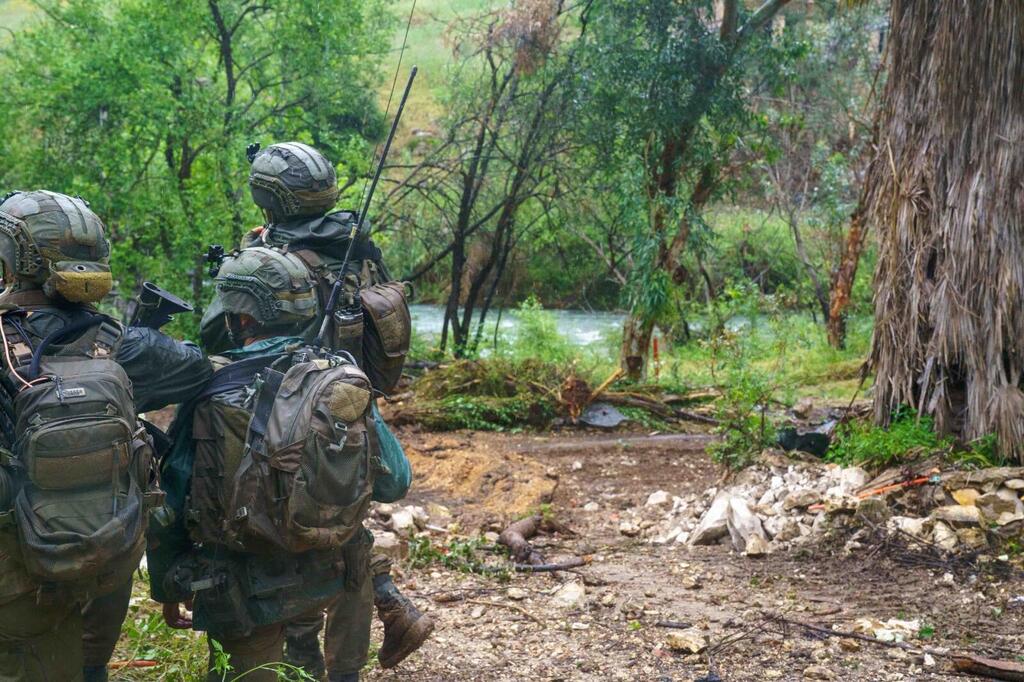
One of the most discussed threats in the fighting against Hezbollah is explosive drones. Lt. Col. B. said the troops encountered them during the fighting, but that the dense brush also creates disadvantages for the drones.
“The drones are a significant threat, but the key is operational discipline. Because we surprised them, Hezbollah forces north of the Litani were apparently not updated, and they did not manage to launch drones during the battle.”
According to him, the Lebanese brush actually worked in the soldiers’ favor.
“Their drones are less effective in the brush. They operate with fiber optics, and that fiber simply tears between the bushes and trees. That gave us an advantage.”
Still, he stressed that after the terrorists were eliminated and the troops established themselves in the area, the enemy began raining fire from afar.
“We took indirect fire, anti-tank fire and explosive drones. Despite that, we held the area.”
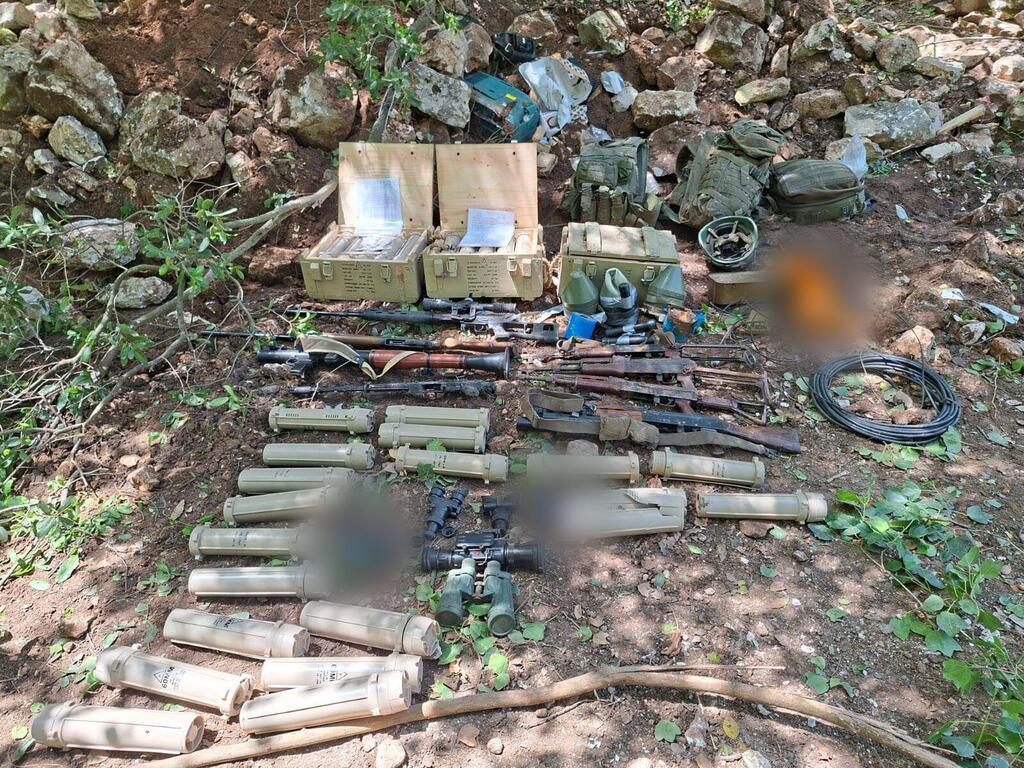
(Photo: IDF)
During the five days of clearing operations after the battle, the infrastructure Hezbollah had prepared for “the day of the order” was exposed. Inside underground compounds 10 to 15 meters deep, reconnaissance troops found weapons stockpiles, fighting positions and even vehicles.
“We found everything there: food, water, ammunition, motorcycles and ATVs,” Lt. Col. B. said. “It was a full preparation for a raid. Their intention was clear: to go up into our communities. Seeing that with your own eyes gives you an enormous sense of responsibility.”
Despite the complexity of the northern sector, Lt. Col. B. sounded confident in the abilities of his soldiers and the armored vehicles.
“This sector is difficult to move through, but with the help of engineering forces, we breached routes. We proved that our armored personnel carriers can pass through places that seemed impossible. We proved that we know how to maneuver deep inside,” he said.
“If an order is given to continue north beyond the Litani, we will know how to maneuver there too. The forces are ready, the skill is there, and we know how to defeat this enemy at the very front line.”