

Iran is seeking to fill the ranks after a series of targeted killings in the opening strike of Operation Roaring Lion. The Sabereen News network, affiliated with pro-Iranian militias in Iraq, reported Sunday that Ahmad Vahidi has been appointed the new commander of the Islamic Revolutionary Guard Corps (IRGC), replacing Mohammad Pakpour, who was killed at the outset of the campaign.
Vahidi previously served as Iran’s interior minister. Two years ago, Argentina called for his arrest over his alleged involvement in the 1994 bombing of the AMIA Jewish community center in Buenos Aires, in which 85 people were killed and 300 wounded.
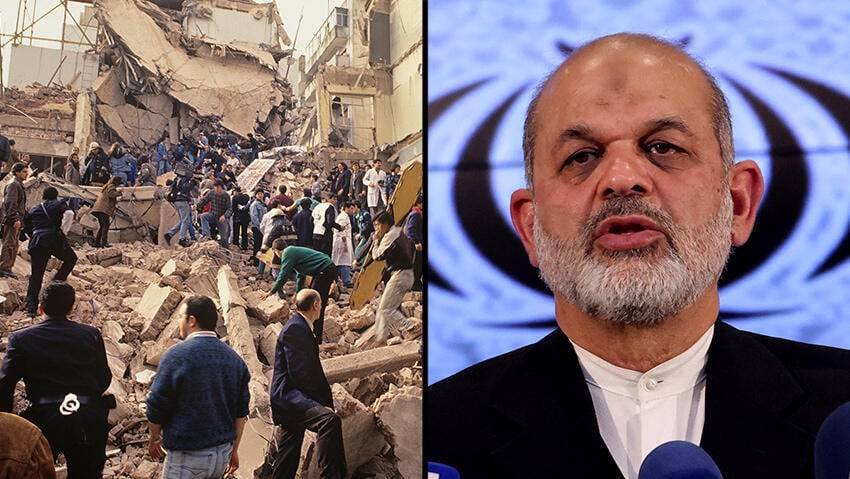
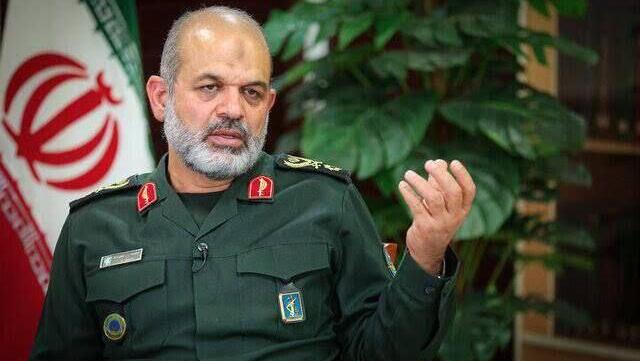
Ahmad Vahidi has been appointed the new commander of the Islamic Revolutionary Guard Corps (IRGC)
The opening blow of Operation Roaring Lion was delivered Saturday at 8:10 a.m., when the IDF simultaneously struck several locations in Tehran where senior political and security officials had convened. Pakpour was killed along with Supreme Leader Ali Khamenei, Armed Forces Chief of Staff Abdolrahim Mousavi, Secretary of the Supreme Defense Council and senior adviser Ali Shamkhani, and Defense Minister Aziz Nasirzadeh.
At the time of the Buenos Aires attack, Vahidi headed the Quds Force, the IRGC’s covert operations unit. In an April 2024 statement, Argentina’s Foreign Ministry declared: “Argentina calls for the arrest of those responsible for the bombing of the AMIA Jewish community center who continue to hold positions of power without being punished. One of them is Ahmad Vahidi, who according to Argentina’s judicial system is responsible for the attack. This individual is currently the interior minister of the Islamic Republic of Iran.”
The request for his arrest was also sent to the governments of Pakistan and Sri Lanka, which Vahidi was visiting at the time as part of a delegation led by then-president Ebrahim Raisi. Before being appointed interior minister in 2021, Vahidi served as defense minister.
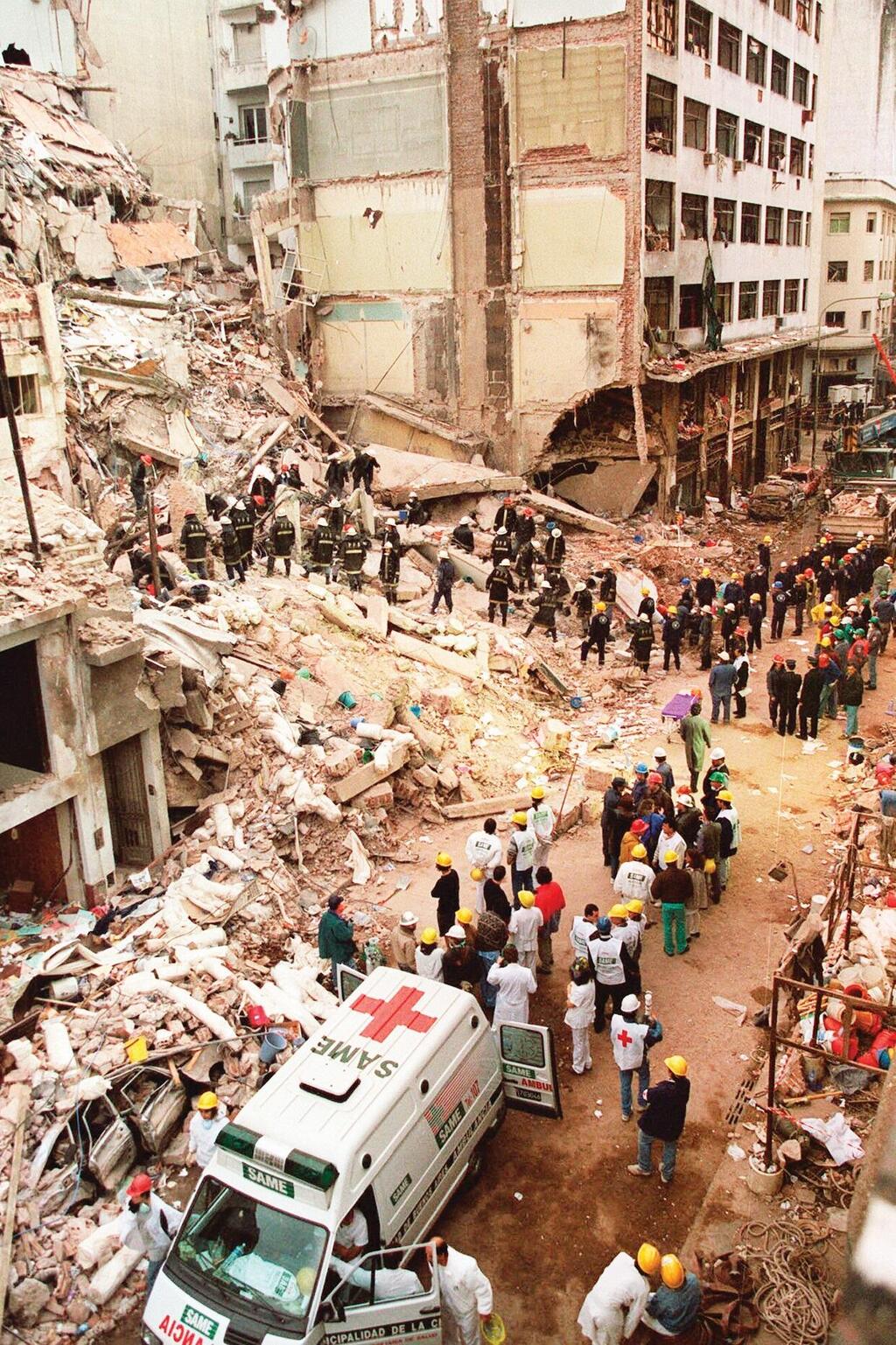
The attack on the AMIA Jewish community building in Argentina in 1994
(Photo: AP)
According to Argentina and Israel, the July 18, 1994 bombing was carried out by the Iranian regime and Hezbollah. For years, Tehran has denied any involvement and has refused to allow the investigation of eight former senior officials, including Vahidi and former president Ali Akbar Hashemi Rafsanjani.
In 2013, then-Argentine President Cristina Fernández de Kirchner approved an agreement with the Iranian government stipulating that the two countries would jointly investigate the attack. The agreement was approved by Argentina’s parliament but never by Iran’s. Leaders of Argentina’s Jewish community accused Kirchner of covering up the identities of those responsible. An investigation into the matter was opened in 2015 but was closed in 2021.
First published: 12:14, 03.01.26