


State Comptroller Matanyahu Englman issued a critical audit Tuesday afternoon of the government’s performance during the war, asserting that the failure stems from the lack of an officially approved national security doctrine.
The report, titled “Lack of a National Security Concept and Its Impact on Key Processes at the Political Echelon and in the Israel Defense Forces”, says that since the 2008 establishment of the National Security Council (NSC) under the law of that year, successive council directors have not submitted an updated national security concept for discussion and approval by the Security Cabinet, thereby failing to fulfil the NSC’s mandate.
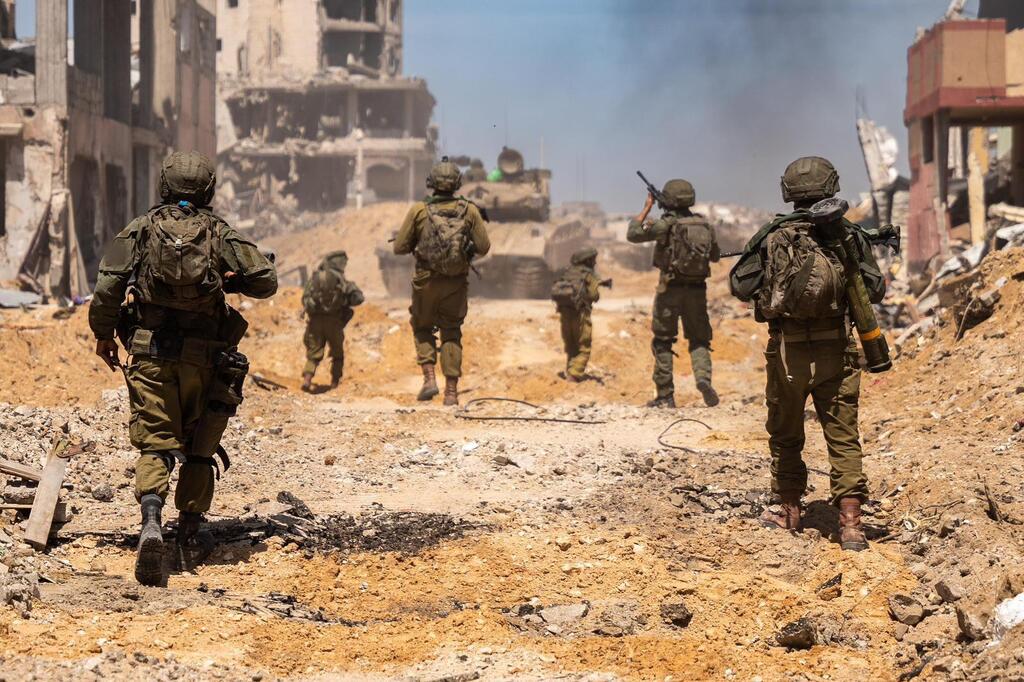
According to the report, the absence of a formally adopted doctrine has left Israel without a binding national security policy, forcing the security establishment and the political leadership to rely on informal assumptions and ad‑hoc decisions. Englman cited the founding doctrine associated with Israel’s first prime minister, David Ben Gurion — known as the “security triangle” (deterrence, early‑warning intelligence and rapid decisive victory) — as the de facto guiding framework, albeit informal and outdated.
The report highlights that Prime Minister Benjamin Netanyahu initiated the drafting of a “National Security Concept 2030” in 2017‑18, outlining core pillars — military, economic, diplomatic and societal power — and proposing defense spending at roughly 6 percent of gross domestic product in line with an annual growth target. But Englman says the draft was never submitted to the Cabinet for formal approval and thus lacks binding validity; the prime minister, he concluded, did not fulfil his responsibility in this matter.
The implications, the comptroller warns, are serious: Without a formal, authorized concept, the political echelon cannot steer the defense forces with a long‑term view, nor effectively supervise and direct force building and resource allocation. The report gives as an example that the IDF has been adjusting tank formation force levels without a prior strategic decision from the political echelon.
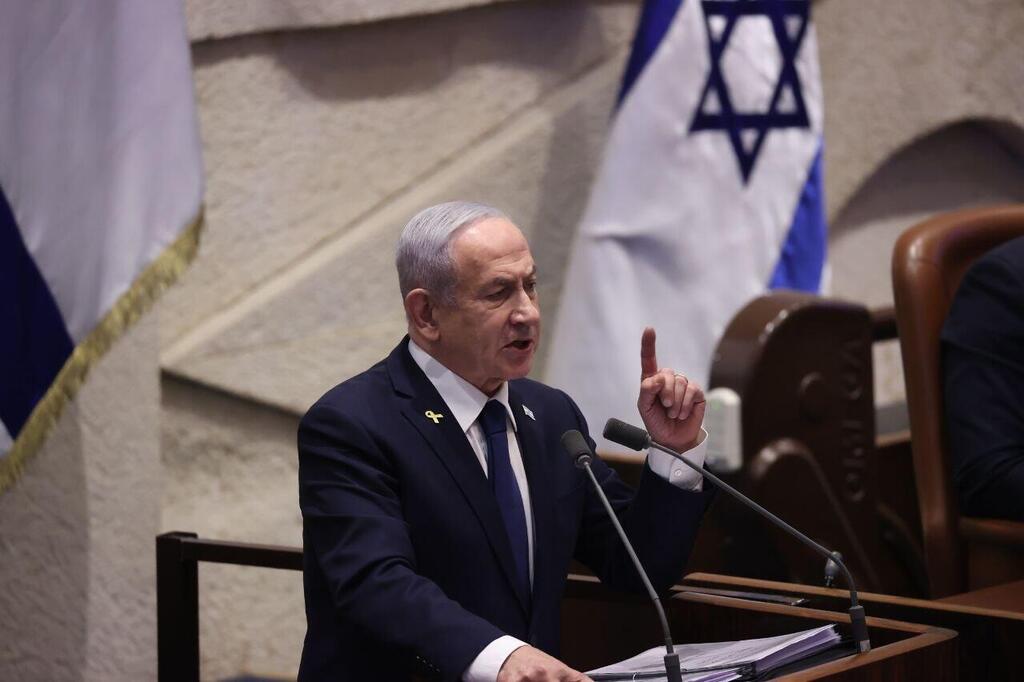
Prime Minister Benjamin Netanyahu
(Photo: Alex Kolomoisky)
The prime minister’s office responded that although the 2018 concept was not officially approved, the draft was presented to the Security Cabinet and directives were issued to security agencies in accordance with it. It also noted there is no law requiring the prime minister to draft or the cabinet to approve such a doctrine.
In his report, Englman calls on the government to initiate an organized process, led by the NSC, to formulate and formally approve a national security strategy; to strengthen the NSC’s capacity and authority as defined under the 2008 law; and to institute periodic reviews of the strategy at fixed intervals or when strategic conditions change.
Making tough decisions on priorities
Englman’s audit also revealed that senior figures in the IDF, Mossad and Shin Bet told his office that Israel urgently needs a structured and formally approved national security concept—one that is updated periodically and binding across all government and security levels. They said such a doctrine should guide strategic planning, optimize the use of national resources and define clear missions for each security body. It would also enable critical reassessments of core assumptions, improve inter-agency coordination, establish a shared language between the military and political echelons and promote public debate and transparency.

Cabinet meeting
(Photo: GPO)
The comptroller's team interviewed top political and defense officials, including former prime minister Naftali Bennett, former defense minister Benny Gantz, former IDF chief of staff Gadi Eisenkot and former national security advisers Yaakov Amidror, Yossi Cohen and Dr. Eyal Hulata. They confirmed that no government has ever officially approved a national security concept. According to them, formalizing such a policy would force political leaders to make tough decisions on priorities, including on divisive issues, and would increase their accountability to the public—something leaders have consistently avoided.
NSC criticized for failing its mandate
Englman also sharply criticized the NSC and its leadership over the years for not fulfilling their legal responsibility to update and present a national security concept. While the council engaged with the issue intermittently between 2011 and 2023 and assisted Netanyahu in drafting a 2018 proposal, it never brought a finalized version to the Security Cabinet for discussion or approval.

Former prime ministers Naftali Bennett and Yair Lapid
(Photo: GPO)
During that time, the NSC was headed by Prof. Uzi Arad (2009–2011), Amidror (2011–2013), Cohen (2013–2015), acting head Yaakov Nagel (2017), Meir Ben-Shabbat (2017–2021), Hulata (2021–2023) and Tzachi Hanegbi (from 2023 through the audit period). As a result of this institutional gap, the IDF was left to develop its own operational plans and force-building strategies without a binding strategic framework. For example, even though the Cabinet approved the Gideon multi-year plan for 2016–2020, then-IDF chief of staff Aviv Kochavi, upon taking office in January 2019, replaced it early with the Momentum plan—without formal political approval or a guiding national concept. That plan introduced major structural changes, including reductions in tank brigades.
Each security agency working alone
Other security agencies also developed their own mechanisms to compensate for the lack of a formal doctrine, often piecing together strategic direction from political statements, meeting summaries and situation assessments. This fragmented process, the report warns, has led to growing risks: vague definitions of national interests, lack of coordination between agencies and no clear prioritization from the political level regarding which threats to address first. Each agency is left to interpret its responsibilities independently.
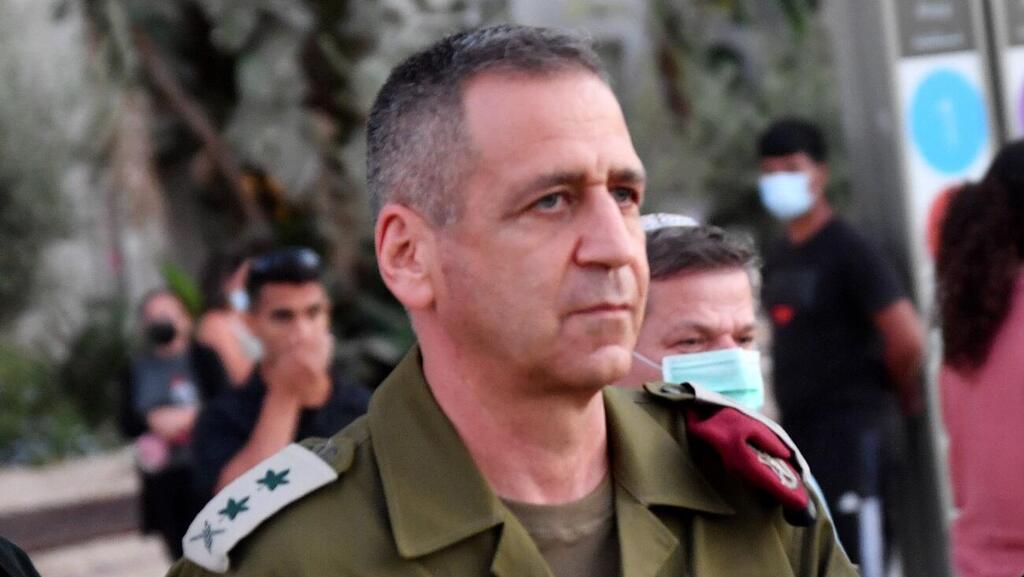
Former IDF chief of staff Aviv Kochavi
(Photo: Haim Horenstein)
According to Englman, this creates the potential for misalignment or even contradictions between the implicit goals of the political echelon and the actions taken by security agencies. It also increases the likelihood of strategic blind spots, misjudging threats or failing to anticipate major developments.
Former leaders: politics blocks policy
Bennett told the comptroller that in his decade on the Security Cabinet, the issue of a national security concept never came up for discussion—largely because it would have required confronting the political sensitivities surrounding the Palestinian issue.
Former defense minister Avigdor Liberman said the political echelon avoids challenging the military for three main reasons: (1) the defense budget is mostly fixed and would need to be reevaluated under a formal doctrine; (2) since 2016, Israel has had six different defense ministers, undermining consistency; and (3) politicians prioritize electoral considerations.
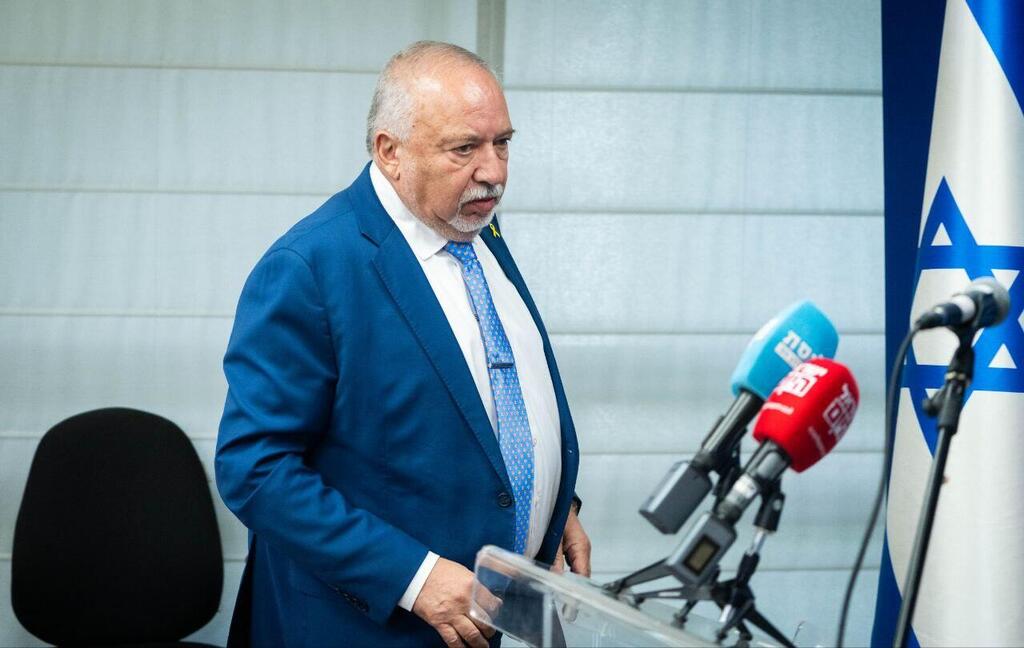
Former defense minister Avigdor Liberman
(Photo: Shalev Shalom)
Eisenkot added that the absence of a doctrine reflects a long-standing failure by successive political leaders to take responsibility for setting strategic direction.
Collapse of core doctrinal assumptions
Englman’s report argues that the October 7, 2023, Hamas-led attack from Gaza shattered three pillars of Israel’s unofficial doctrine—deterrence, early warning and defense. It cites multiple public statements by top political and military officials, made in the years leading up to the war, claiming that deterrence against Hamas was firmly in place.
After Operation Guardian of the Walls in Gaza in May 2021, Netanyahu declared that Israel had “restored deterrence.” In June 2022, Bennett said he was handing over “a quiet, flourishing south” with Hamas “deterred.” After Operation Breaking Dawn in August 2022, then-prime minister Yair Lapid said Israel had “restored the initiative and deterrence,” though he later warned in a draft response to the comptroller’s report of the danger of a multi-front war.
In May 2023, following Operation Shield and Arrow, Netanyahu again claimed Israel had changed the rules of engagement and severely damaged Hamas' capabilities. In December 2022, then-IDF chief Kochavi said the quiet in the Gaza border area resulted from three major military operations in recent years that had deterred Hamas. In September 2022, then-Military Intelligence chief Aharon Haliva said he expected five years of quiet after Operation Guardian of the Walls—a forecast he stood by despite subsequent operations.
These confident assessments, Englman suggests, were built on a flawed strategic foundation and a lack of an updated, binding national security policy.