


Israel’s High Court of Justice on Sunday ordered the state to ensure proper food supplies for Palestinian prisoners, including Hamas Nukhba terrorists, ruling 2-1 in favor of a petition by rights groups who accused the prison service of pursuing a starvation policy since the October 7 Hamas terror attack.
Justices Daphne Barak-Erez and Ofer Grosskopf accepted the petition from the Association for Civil Rights in Israel and the group Gisha, while Justice David Mintz dissented. The majority opinion warned there was “concern that the current food supply to prisoners does not sufficiently meet the legal standard.”
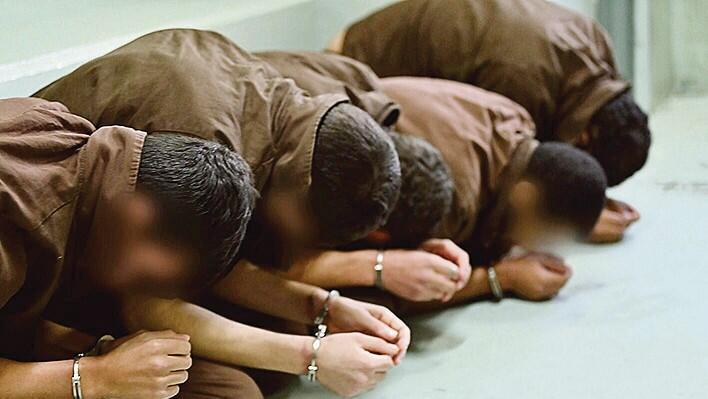
The case followed complaints from inmates and statements by National Security Minister Itamar Ben-Gvir, who has openly advocated reducing conditions for security prisoners. Petitioners argued that inmates have suffered extreme hunger and poor food quality since the war began, calling the policy unlawful and tantamount to torture under Israeli and international law.
Court ruling
The justices unanimously affirmed that the Israel Prison Service (IPS) is legally required to provide basic living conditions, including food sufficient to maintain health, and that all inmates must have access to meals under the prison menu.
But they split on whether the current food distribution meets that standard. The majority ordered the IPS to revise meal plans, monitor the health of inmates over time, and ensure each prisoner receives their allocated portions, with supplements when needed.
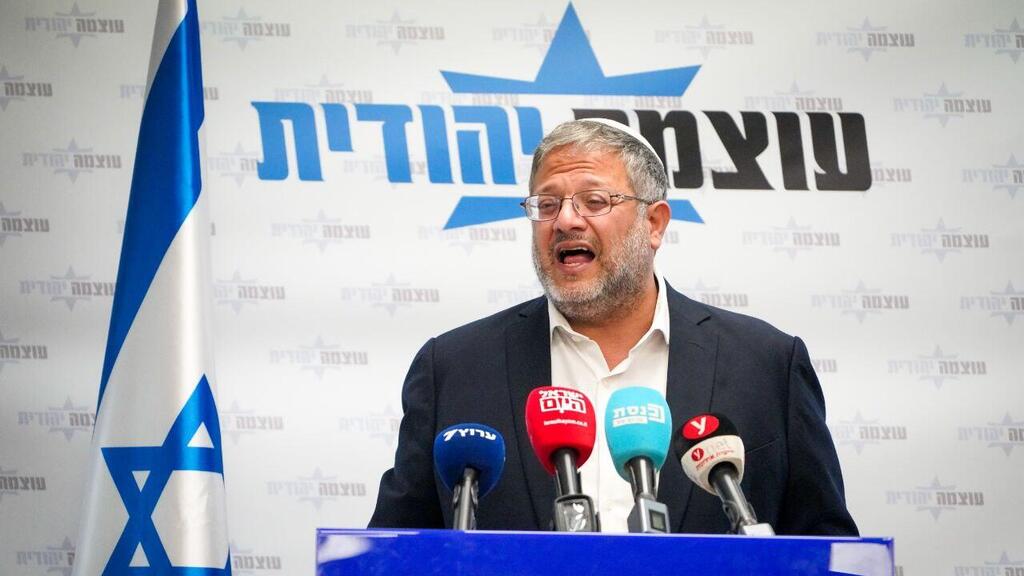
National Security Minister Itamar Ben-Gvir
(Photo: Shalev Shalom)
Barak-Erez stressed that the state’s response did not adequately address the difficulties raised and said practical steps must now be taken. Grosskopf added that the state failed to prove proper implementation of nutrition policy at the prison level. Mintz, by contrast, said the IPS had taken adequate measures, citing professional reviews of menus and inspections.
The ruling acknowledged the emotional weight of wartime, noting the suffering of Israeli hostages in Gaza, but stressed that such anguish cannot erase the state’s obligations. “This is not about comforts or luxuries, but basic living conditions required by law,” the judgment read.
Political backlash
The decision immediately triggered a storm from government ministers. Ben-Gvir lashed out: “High Court judges, are you of Israel? Our hostages have no court to protect them. Yet for the despicable terrorists, there is a High Court to defend them. We will continue to provide only the bare minimum required by law.”
Attorney Oded Feller of the Association for Civil Rights hailed the ruling as an end to what he called Ben-Gvir’s starvation policy. “For nearly two years, prisons became torture camps. Testimonies show this policy also worsened the abuse of hostages,” he said, urging full implementation. “States do not starve human beings. People do not starve other people—no matter what they have done.”
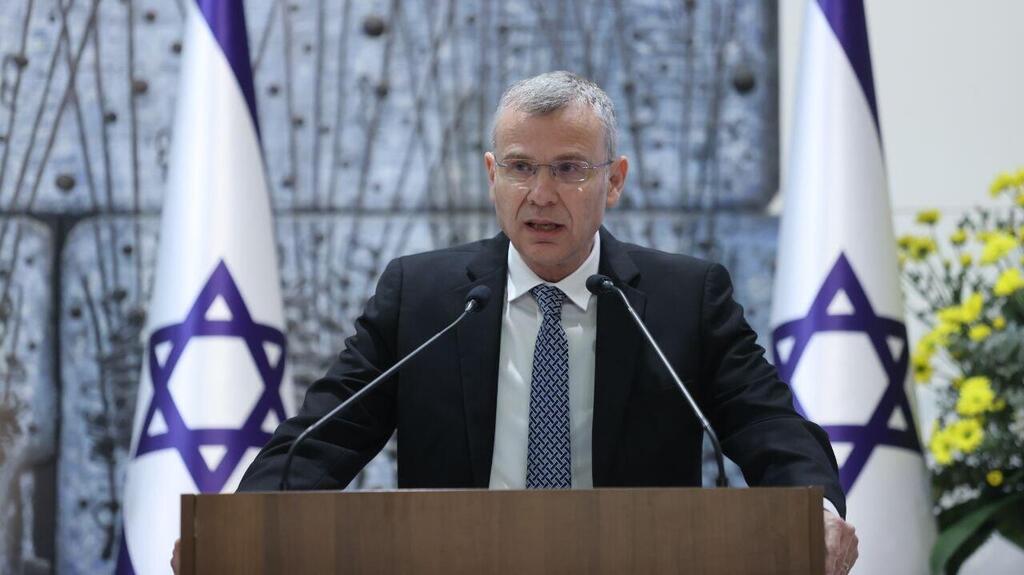
Justice Minister Yariv Levin
(Photo: Alex Kolomoisky)
Justice Minister Yariv Levin also attacked the court, saying the judges had “crowned themselves MasterChef judges.” He derided them as “supreme dieticians” imposing “a recipe of distorted morality” while Israeli hostages starved underground.
Levin used the ruling to press his push for judicial reform, arguing it showed the dangers of appointments in what he called a closed judicial club. “We need judges whose focus is the security of Israeli citizens and justice—not respect from progressive elites abroad,” he said.