


Days after Syrian security forces arrested Wassim Assad, a cousin of ousted president Bashar Assad, a Syrian intelligence source confirmed that the sting operation started by embedding a double agent within Assad’s network.
That agent successfully convinced Assad he was working with a corrupt officer who could facilitate his return to Syria to allegedly attempt to retrieve cash and gold bars hidden in Syria’s coastal countryside before fleeing.
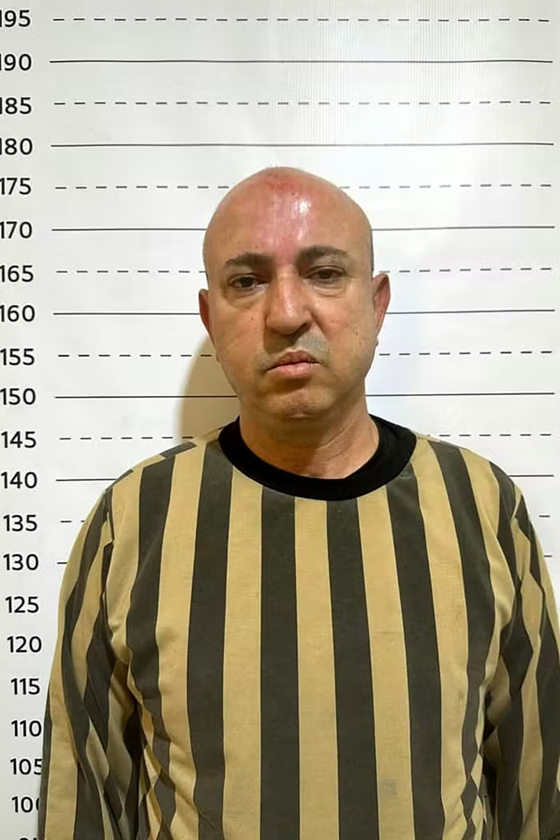
A prominent businessman and longtime loyalist of the former regime, Wassim Assad was considered a pillar of its shadow financial system.
He was arrested in a dramatic and unprecedented high-level operation dubbed “Black Gold Ambush.” The goal of the operation, officials say, is to launch a new phase of accountability by delivering a blow to the entrenched networks that have dominated Syria’s security and economic life for decades.
According to senior intelligence sources, the operation began in February 2025 when Syrian security services picked up signals of Wassim Assad’s suspicious activity in the Lebanese city of Tripoli as he allegedly tried to return to Syria.
Wassim Assad, who had long appeared on U.S. sanctions lists for supporting armed groups and financing the trade of Captagon, an illicit stimulant, tried to reenter the country using forged documents and fake government convoys, according to local sources.
In coordination between the Interior Ministry and the intelligence agency, officials used forged security IDs and government vehicles fitted with tracking devices to lead Wassim Assad into a well-laid trap.
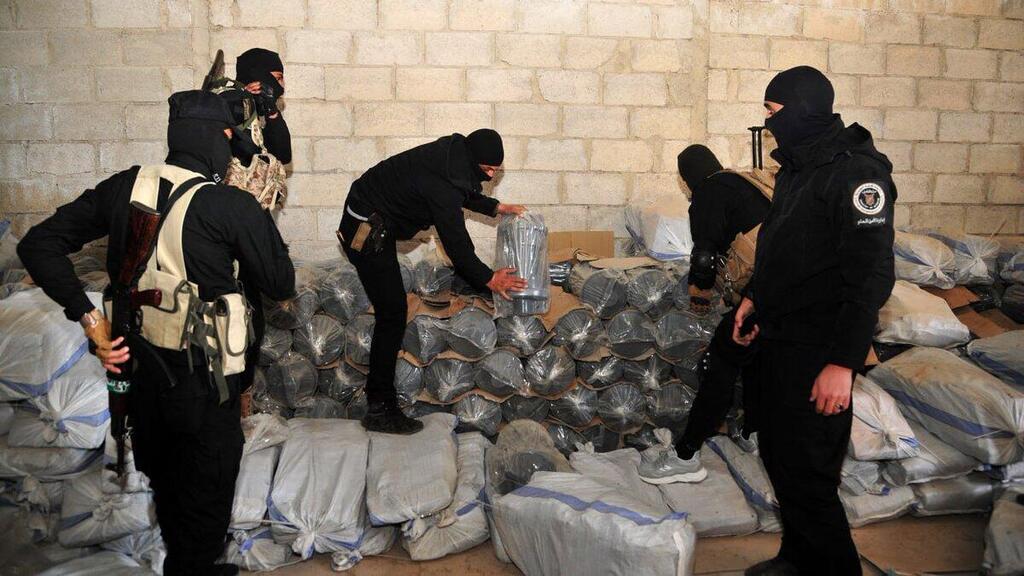
A cache of Captagon drugs was discovered in the Saboura area on the Damascus-Beirut highway
(Photo: from X)
At dawn on June 15, after Wassim Assad retrieved the gold from an abandoned farm near the Arida Valley, roads were sealed off from three directions and a special operations unit raided the location without firing a single shot.
One of the officers reportedly said during the arrest: “Sorry, Wassim. ... This isn’t the corrupt officer. This is the real one.”
Who Is Wassim Assad?
Seen as a symbol of the war economy, Wassim Assad has been implicated in smuggling, drug trafficking and money laundering. He was nicknamed “The Man of Black Gold” in some circles. The U.S. Treasury Department sanctioned him in 2019 for financing loyalist armed groups and overseeing regime-backed security projects.
Security reports confirm that Wassim Assad did not act alone. He allegedly headed a smuggling network that spanned Lebanon, Iraq and the United Arab Emirates. According to one of his escorts, he used a shell company called Al-Rafidain Energy, registered in Iraq, as a front to launder Captagon profits in coordination with Lebanese political and financial figures, most notably former environment minister Wiam Wahhab.
Wassim Assad was not the only target. Authorities announced a broader campaign that has resulted in the arrest of 19 high-profile figures from the former regime, including Atef Najib, Talal Makhlouf, Fadi Saqr and Anwar al-Jundi.
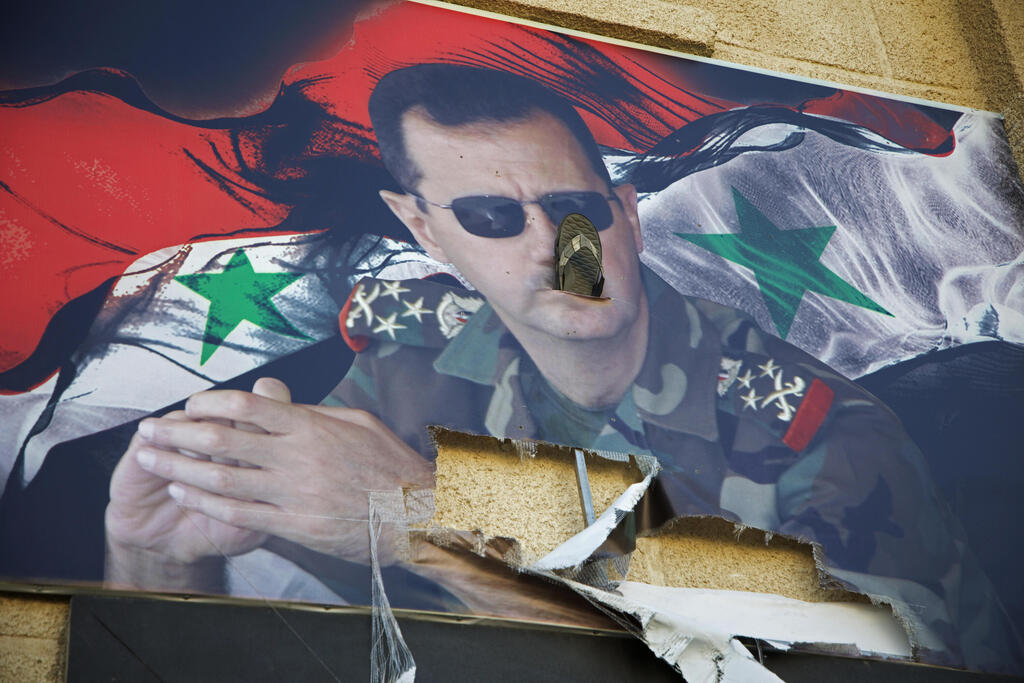
A torn photo of former Syrian president Bashar Assad in Mezzeh Prison
(Photo: Chris McGrath/Getty Images)
Najib, a cousin of Bashar Assad and former head of political security in Daraa, was a central figure in the 2011 crackdown on protesters. He was apprehended in Latakia and now faces charges of crimes against humanity.
Makhlouf, related to the Assad family by marriage and linked to billionaire Rami Makhlouf, is accused of running money laundering networks and financing arms trafficking through financial fronts in Beirut. While not imprisoned, he is subject to legal restrictions.
Saqr, a former commander of a pro-regime armed group, has been connected to sectarian purges and massacres in Homs. Like Makhlouf, he remains under legal scrutiny but is not currently in custody.
Al-Jundi, a retired intelligence officer, has reportedly been involved in antiquities smuggling and in the illegal sale of state-owned land to foreign companies.
Since President Ahmad al-Sharaa took office in January 2025, the Interior Ministry reports that authorities have made 41 confirmed arrests related to former regime figures. Another 92 arrest warrants remain outstanding.
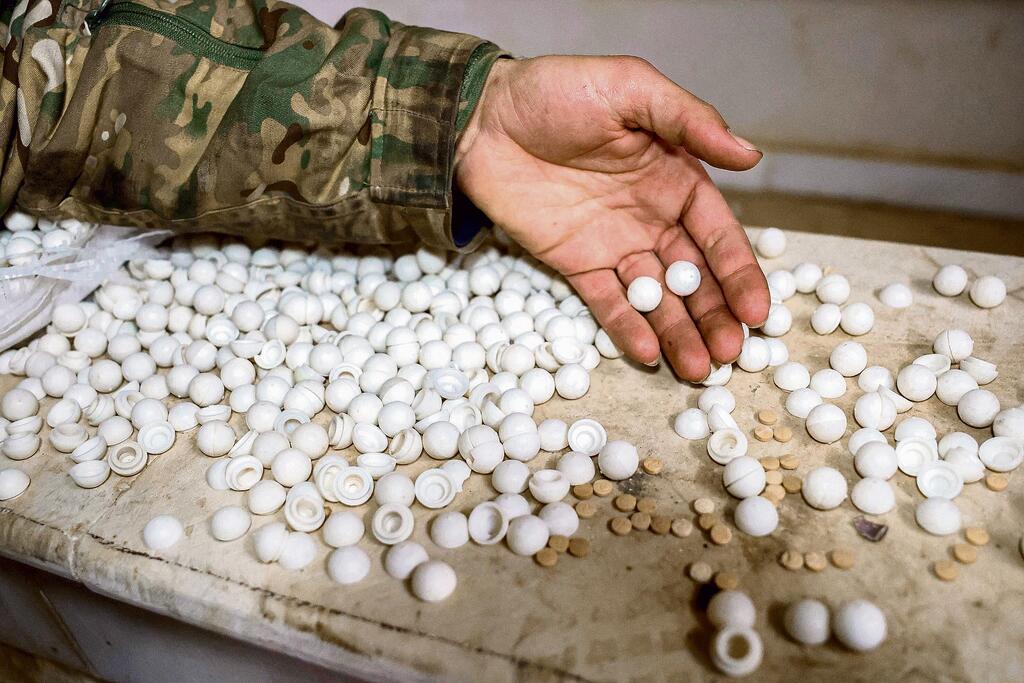
Seized Captagon shipment
(Photo: Omar Haj Kadour, AFP)
Documents seized from Wassim Assad point to a vast Captagon trafficking network stretching from Syria’s coastal regions through Iraq to the Gulf states. Proceeds were laundered through front companies in Beirut and Baghdad, with assistance from international lawyers and accountants.
Preliminary data show that the network included 37 Syrians, among them several former military officers. It also involved 14 Lebanese nationals with ties to major political parties, five Iraqis serving as transport intermediaries and three Europeans believed to have acted as financial consultants.
Investigations are now expanding to include banking networks in Cyprus and the UAE. Judicial sources say that international sanctions may be imposed on several implicated companies.
Is there a new judicial system?
Amid political shifts, al-Sharaa announced the creation of the Transitional Justice Authority in February 2025. This independent body is tasked with prosecuting major crimes, corruption and public fund abuses. It includes Syrian judges, international legal experts and representatives of human rights groups.
High-profile detainees, including Wassim Assad and Najib, have been referred to a special court for state crimes. Preparations are underway for partially televised public trials designed to promote transparency and restore public trust.
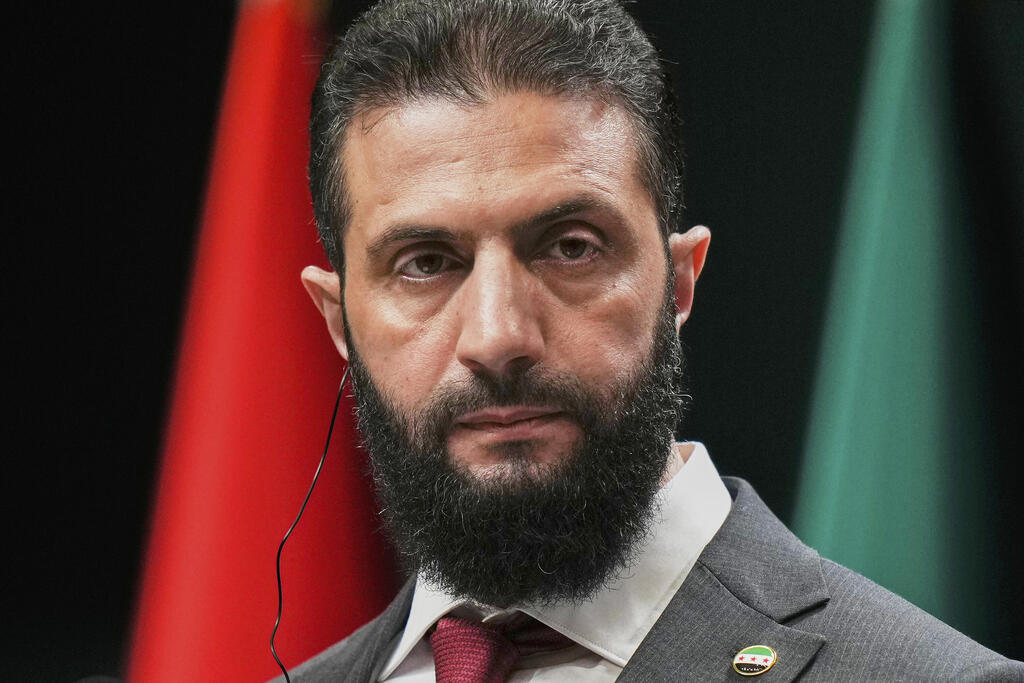
Syrian President Ahmad al-Sharaa
(Photo: AP Photo/Francisco Seco, File)
Judge Hala Ma’rouf, a member of the authority, said: “There will be no political trials, only judicial ones. No one is above the law, not even those who once saw themselves as pillars of the former state.”
The arrests have sparked public interest, especially among Syrians who have suffered under smuggling networks and state corruption. Social media lit up with sarcastic commentary and messages celebrating Wassim Assad’s downfall.
“We never dreamed of a day when someone like Wassim would be held accountable. We thought they were untouchable,” said Samer, a civil activist from Damascus.
Get the Ynetnews app on your smartphone: Google Play: https://bit.ly/4eJ37pE | Apple App Store: https://bit.ly/3ZL7iNv
Even some regime loyalists have called for a broader purge of “untouchables,” signaling that the investigation could extend to other financial and military networks.
Following confessions implicating Wahhab, Syrian authorities are preparing a case file that may be submitted to Arab judicial bodies, potentially with international cooperation.
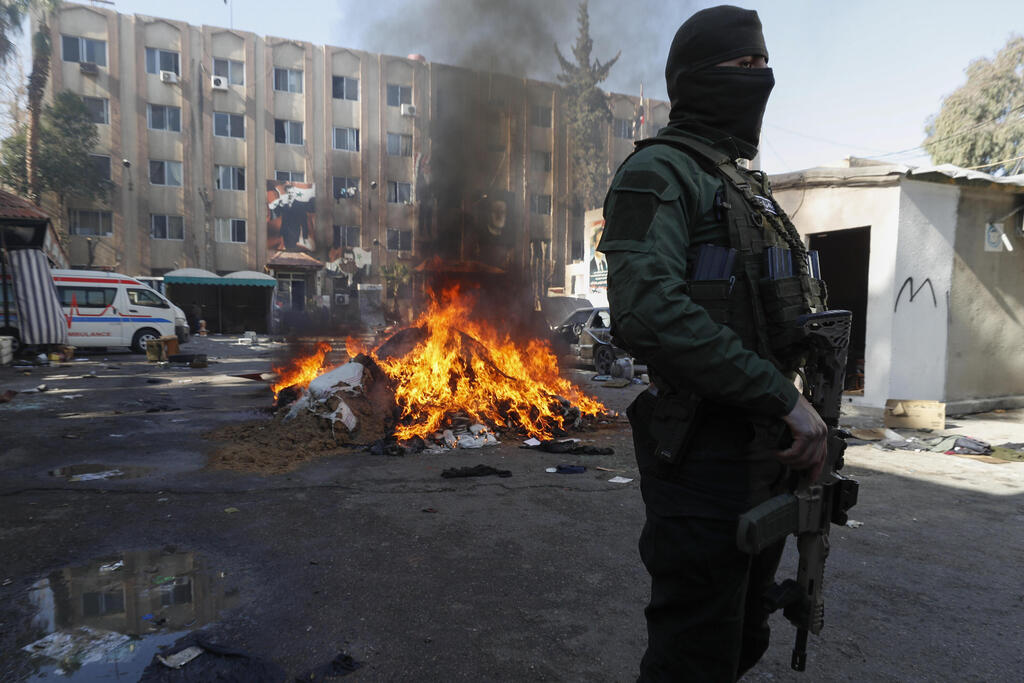
Syrian authorities burning seized illegal Captagon in Damascus
(Photo: AP Photo/Omar Sanadiki)
The file reportedly includes financial agreements between Wassim Assad and Lebanese firms, suspicious bank transfers and records of drug shipments routed through Lebanese ports.
Despite the challenges ahead, observers say Syria may be witnessing the first real steps toward justice. The dramatic arrest of Wassim Assad and the unraveling of his network send a powerful message: no one is above the law.
What the Syrian people want now is continuity. The real battle lies not just in the courtroom but in rebuilding a system grounded in law and accountability.
- This article is written by Rizik Alabi and reprinted with permission from The Media Line