

Syrian regime forces continued on Monday to consolidate their control over areas in the north and east of the country that they took over the day before, after fighters from the Syrian Democratic Forces (SDF) withdrew — a dramatic shift expected to strengthen and cement the rule of President Ahmad al‑Sharaa. Correspondents for Reuters reported seeing government troops deploying in Raqqa, the city the SDF liberated from ISIS in 2017, as well as at oil and gas facilities in Deir al‑Zor province in the east — both areas long held by Kurdish forces. This advance follows the recent withdrawal of Kurdish forces from neighborhoods in Aleppo they had controlled for a long period, after battles there earlier this month.
Meanwhile, SDF said on Monday that Turkish drones struck Syria's far northeastern city of Hasaka, but Turkish security sources said the report was not true. Turkey, the strongest foreign backer of Damascus, has since 2016 repeatedly sent forces into northern Syria to curb the gains of the SDF, which over the course of Syria's 2011-2024 civil war took control of more than a quarter of the country while fighting Islamic State terrorists with strong U.S. support.
Gallery
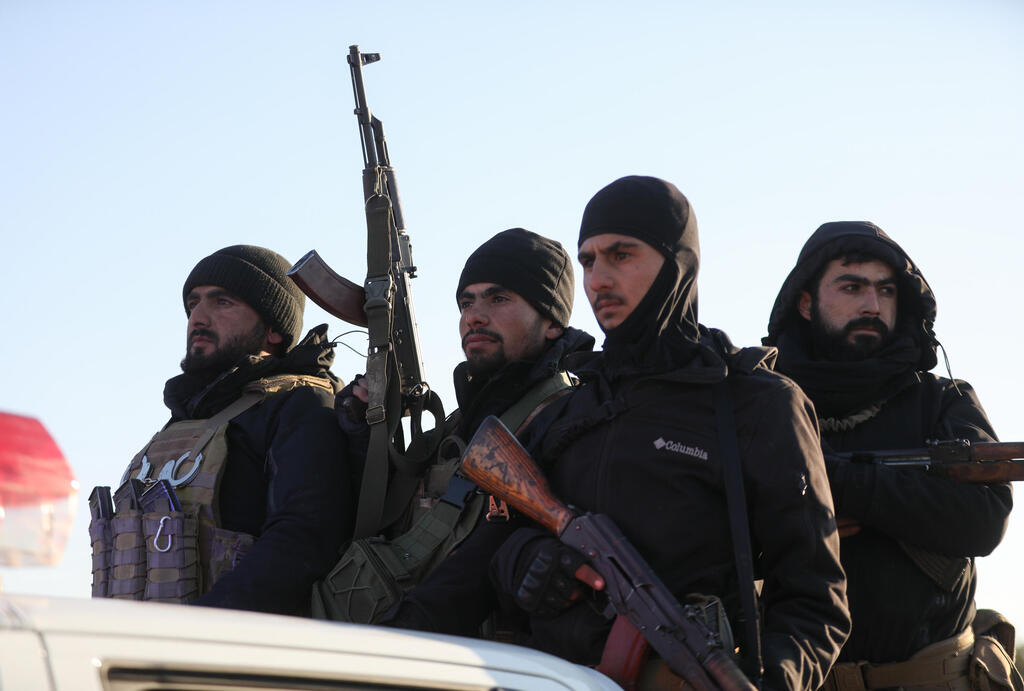
Ahmed al-Sharaa's regime forces deploy near Al-Aqtan prison in Raqqa
(Photo: Ali Haj Suleiman/Getty Images)
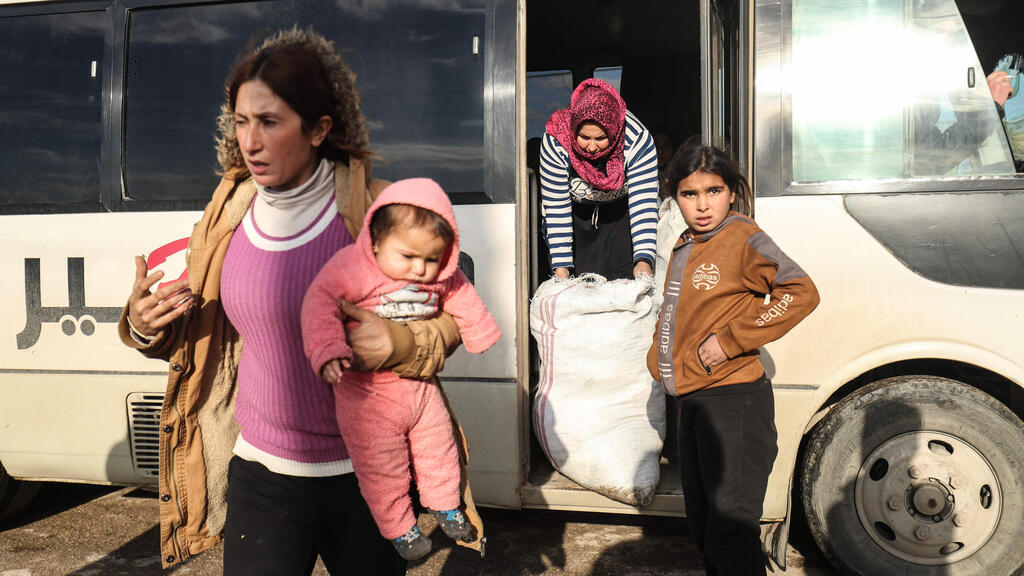
Syrian Kurds fleeing Islamic State forces arrive in Qamishli
(Photo: Delil Souleiman / AFP)
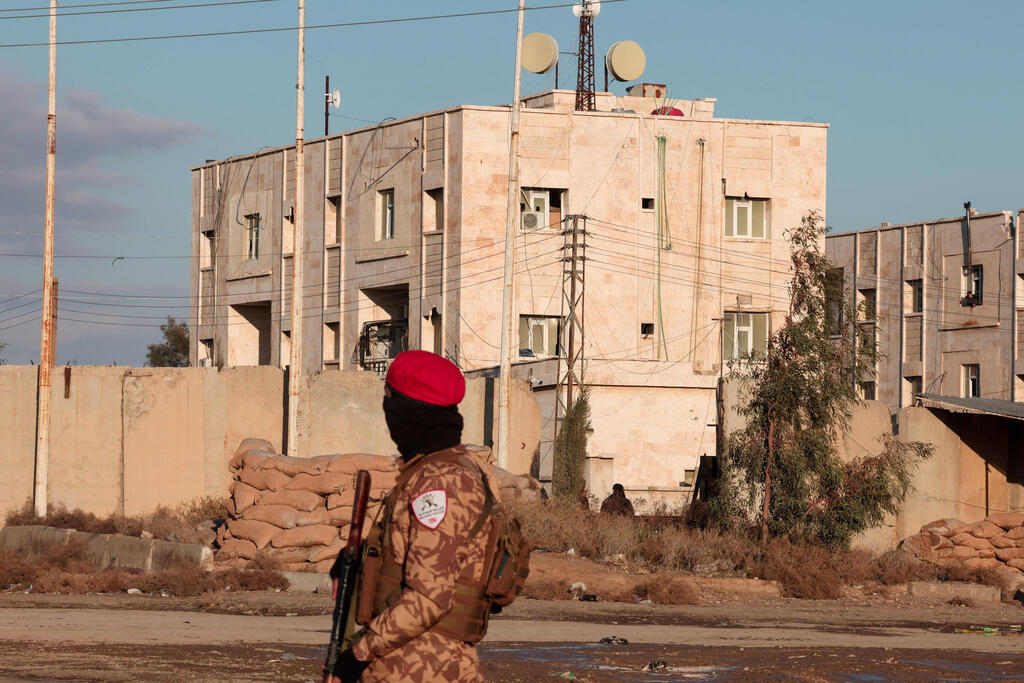
Ahmed al-Sharaa's regime forces deploy near Raqqa prison
(Photo: Mahmoud Hassano/Reuters )
The Syrian Democratic Forces were once key U.S. allies in Syria and played a major role in defeating ISIS after it captured vast swaths of Syria and Iraq in the last decade. Between 2011 and 2014 — the first three years of the Syrian civil war — Kurdish forces managed to seize control of roughly a quarter of Syria, and over the years they established a degree of autonomy in the north‑east. Since al‑Sharaa came to power 13 months ago in a coup that toppled Bashar al‑Assad, the SDF has refused to disband its independent military strength or integrate into the Syrian army and state institutions.
After several relatively limited rounds of fighting between the SDF and the new regime’s army in recent months, al‑Sharaa’s forces last week advanced on several Kurdish strongholds. On Sunday, after entering Raqqa and other strategic sites, the president of Syria announced a ceasefire agreement under which Kurdish fighters will relinquish control of all territories, hand over the oil and gas fields they controlled to the Syrian government, and be integrated into state institutions.
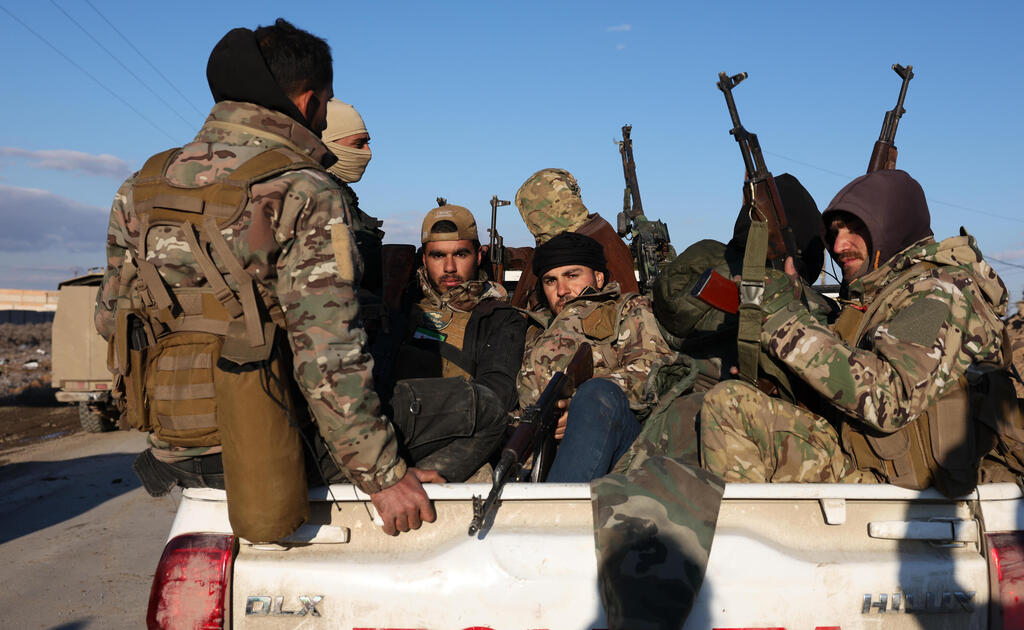
Regime forces deploy near Al-Aqtan prison in Raqqa
(Photo: Ali Haj Suleiman/Getty Images)
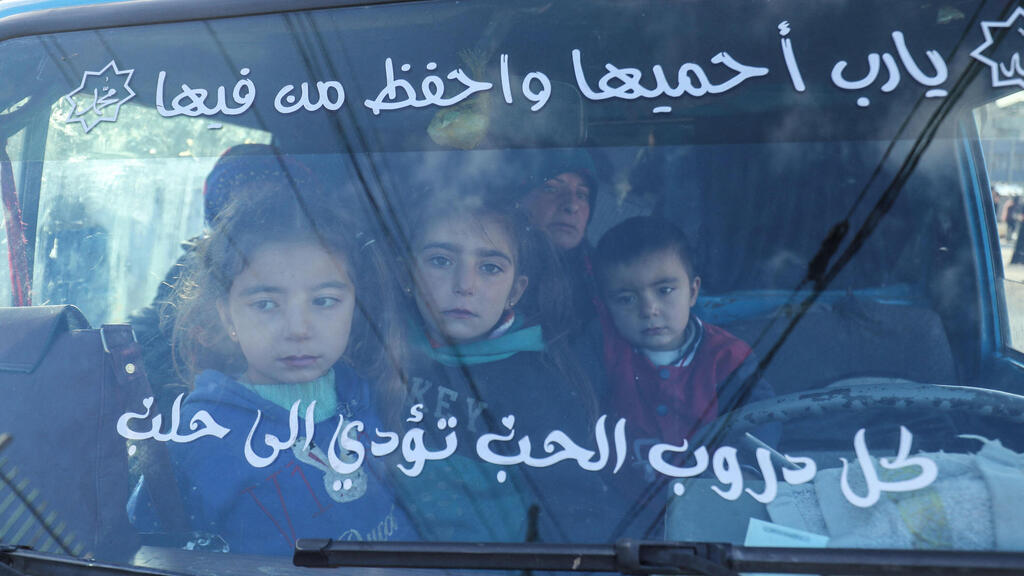
Syria Kurds fleeing Islamic State forces arrive in Qamishli
(Photo: Delil Souleiman / AFP)
The agreement announced Sunday and approved by SDF leadership is being seen as a major achievement for al‑Sharaa, and represents the most dramatic shift in the map of control in Syria since his forces raced from Idlib in the north to the capital Damascus in November and December 2024, elevating him to leadership. However, the Kurds still hold significant territory, and it remains to be seen whether — unlike in past instances — the agreement between them and the Damascus regime will be fully implemented and result in the surrender of these areas.
Syrian army denies attacking prison after SDF 'escape'
Monday evening al‑Sharaa met in Damascus with SDF commander Mazloum Abdi, against a backdrop of mutual accusations between the government and Kurdish fighters. The Syrian army on Monday accused the SDF of deliberately releasing “several ISIS terrorists” held in a prison under their control in Shaddadi. The SDF, for its part, said it lost control of the prison after the Syrian army launched an attack there, but al‑Sharaa’s forces deny that they attacked the facility and said they will work to secure it and re‑arrest the escaped inmates. According to the SDF, thousands of detainees were held in the Shaddadi prison, and the army has not specified how many escaped.
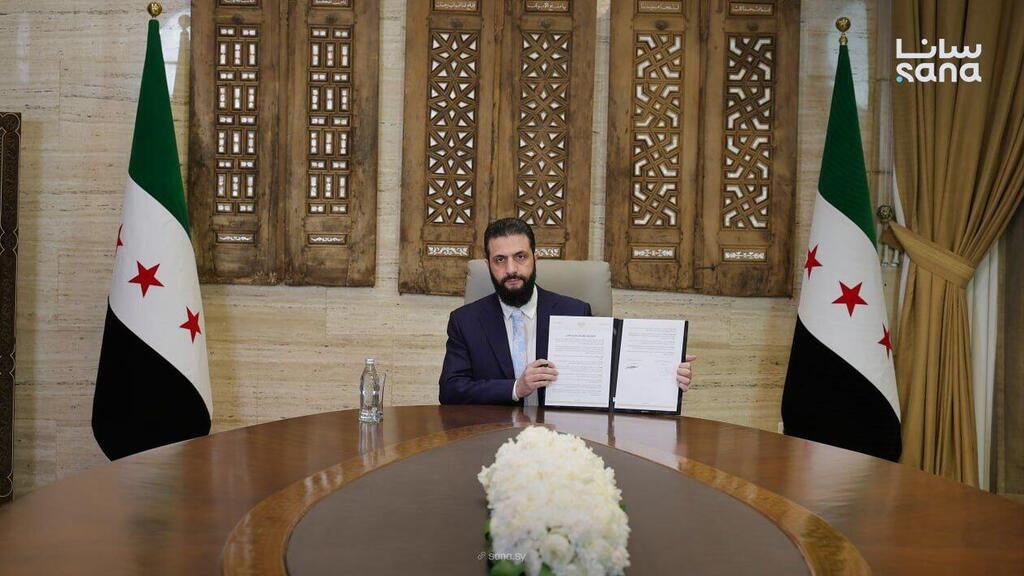
Syrian President Ahmed al-Sharaa and the ceasefire agreement document with the Kurdish SDF
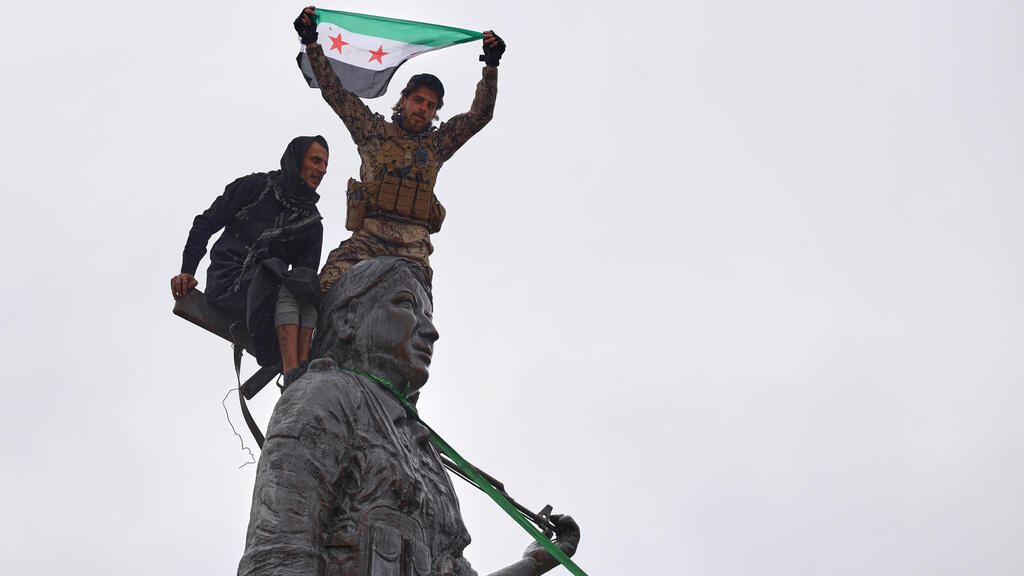
Syria Tabqa Supporters of the Sharia regime topple a statue of a Kurdish fighter after the withdrawal of Kurdish SDF forces from the city
(Photo: Omar Albam/AP)
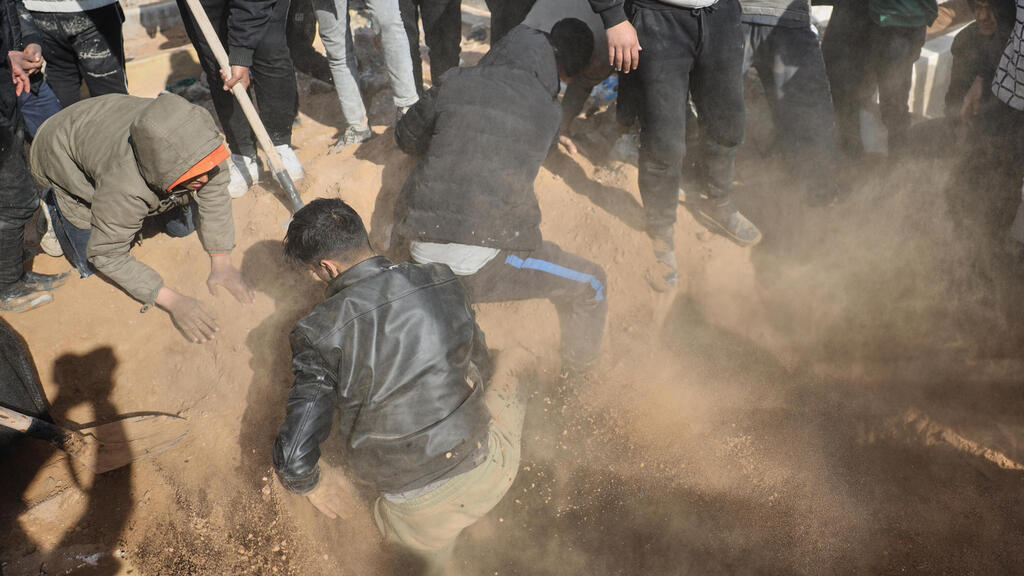
Syria buries dead in Arakah suburbs from sighting between regime and Kurdish forces
(Photo: Omar Albam/AP)
In a statement released Monday night, the SDF accused the U.S.-led coalition against ISIS of failing to intervene despite repeated calls to the coalition base located near the prison from which the terrorists allegedly fled. The U.S. previously maintained close cooperation with the Kurds in northern Syria, especially during the fight against ISIS, but that relationship began to distance under the first Trump administration, and now Trump and his aides maintain very warm ties with the new Syrian president al‑Sharaa and his allies, who are opponents of the SDF.
The Syrian Defense Ministry also denied on Monday the SDF’s claims that clashes erupted between regime forces and SDF fighters near a Raqqa prison where, according to the SDF, ISIS inmates are also being held. The SDF said nine of its fighters were killed and 20 wounded in the fighting around that prison.
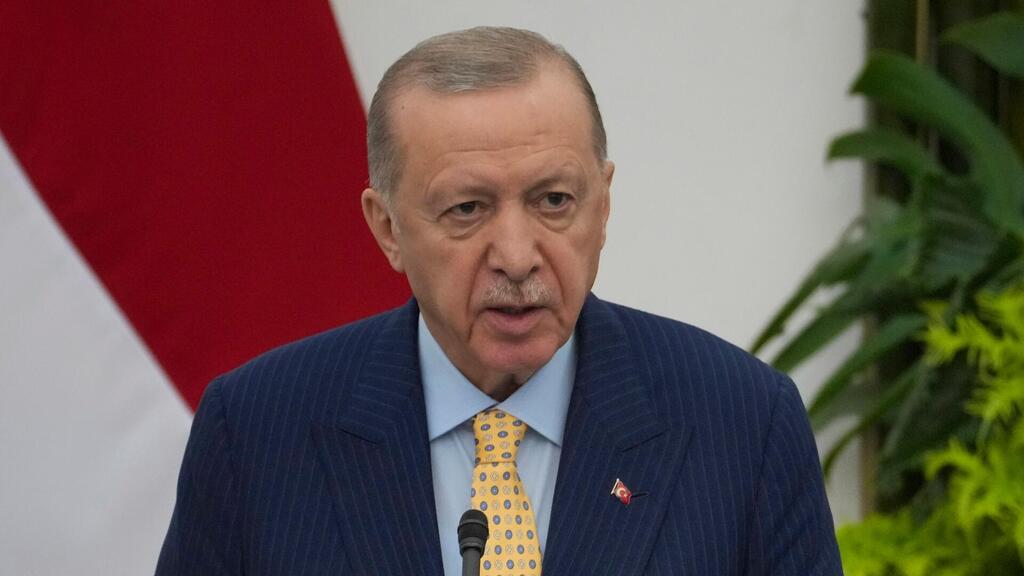
Turkish President Recep Tayyip Erdogan
(Photo: Achmad Ibrahim/AP)
Turkey welcomes the agreement
Watching events unfold with satisfaction is Turkish President Recep Tayyip Erdoğan, a close ally of the al‑Shaar regime and a staunch adversary of the Kurds. Since 2015, Turkey has repeatedly sent its army into northern Syria to fight Kurdish forces there, and Monday evening Erdoğan called for the rapid implementation of the agreement reached Sunday — which includes the full integration of Kurdish fighters into the Syrian army.
“Turkey will continue to fully support Syria’s territorial integrity,” Erdoğan said. “We will not allow any subversive attempts aimed at destabilizing it. The era of terrorism in our region is over, and there is no time to waste.”