

The IDF said Saturday that Home Front Command will ease civilian defense restrictions in several regions of Israel starting Monday morning as part of updated defensive guidelines.
According to the IDF, the current guidelines will remain unchanged until Monday, March 16 at 6 a.m. Daily security assessments are continuing, with protecting civilians as the central consideration.
(Photo: Ran Rimon)
Starting Monday morning, differential defensive guidelines will take effect across the country, introducing a “traffic-light” system that adjusts restrictions by region based on the security situation.
Under the update, areas including the Beit She’an Valley, the Jordan Valley, the West Bank, the Dead Sea area, Western Lachish, the Gaza border region, the Western Negev, the Southern Negev and the Arava will move from “limited activity” to “partial activity,” effectively shifting from an orange alert level to yellow.
In those areas, public gatherings will be allowed with limits of up to 50 people outdoors and 100 people indoors, provided participants can reach a standard protected space within the required protection time.
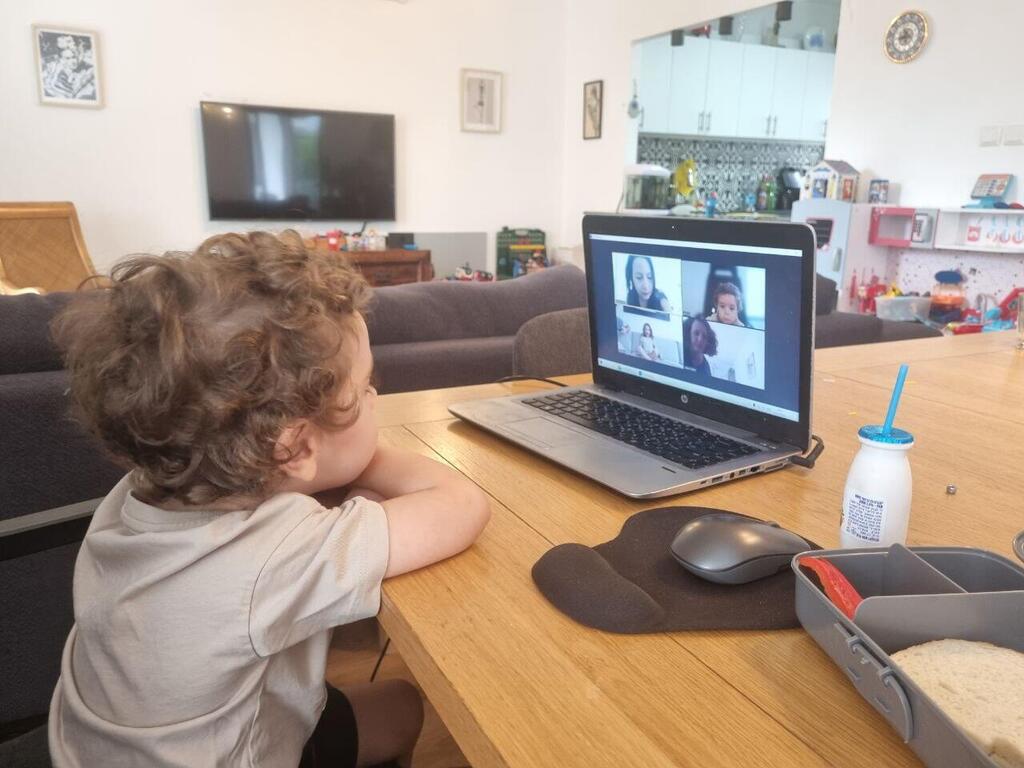
Educational activities and workplaces will also be permitted in locations where a standard protected space is available for all participants within the required protection time, allowing some return to routine alongside ongoing fighting.
The IDF stressed that the change does not mean alerts will not occur in those areas, but said the likelihood of sirens there is assessed to be lower. If alerts are issued, residents will still be able to reach protected spaces within the required time.
Home Front Command said it remains in continuous contact with local authorities as the updated guidelines take effect.
Separately, the IDF said it has completed a lengthy professional process to refine its alert system, aiming to focus warning areas more precisely and reduce situations in which early alerts are issued without sirens. The updated technology, based on operational data and experience, is expected to significantly reduce false alerts.
The IDF added that missile launch volumes from Iran in recent days remain similar to previous levels, while rocket fire from Hezbollah has decreased, though officials warned the situation could still change and preparations continue for challenging days ahead.