

Members of Lebanon’s Shiite community, long the main support base for Hezbollah, are voicing anger that the terrorist group has once again dragged them into war with Israel, according to interviews published Wednesday by The Washington Post.
The newspaper quoted displaced residents and analysts as describing a growing sense of frustration and exhaustion among Shiites who have borne the brunt of the fighting, raising questions not only about Israel’s stated goal of destroying Hezbollah but also about the group’s political standing inside Lebanon.
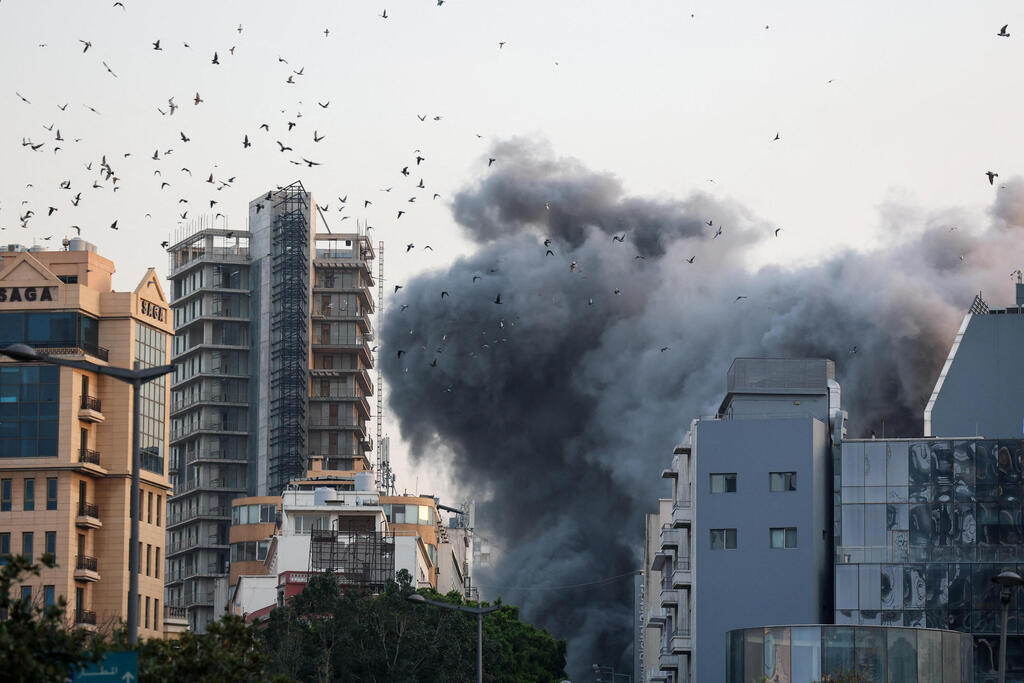
“We did not even change our clothes, we fled with our pajamas. I had women and children with me,” Ali, a resident of Marjayoun in southern Lebanon, told the Post after fleeing his home along with more than 1 million other displaced people when Israel began bombarding Lebanon in response to Hezbollah fire.
Ali, who is now staying with relatives in Beirut and asked that his last name not be published for fear of retaliation, said he felt Hezbollah had forced a crisis on him and on other residents of southern Lebanon by joining the war and again plunging them into a humanitarian emergency.
Such sentiments point to what the Post described as a dual threat facing the Shiite group: Israel’s declared effort to destroy it, and erosion in its political support within Lebanon itself.
The Shiite community is “caught between a rock and a hard place” and now faces a reckoning, Filippo Dionigi, a professor of international relations at the University of Bristol and author of a book about Hezbollah, told the newspaper. “They see Hezbollah as the organization that has represented their interests and their security. But they also are realizing that Hezbollah is leading them into conflicts that exact a very high cost on them.”
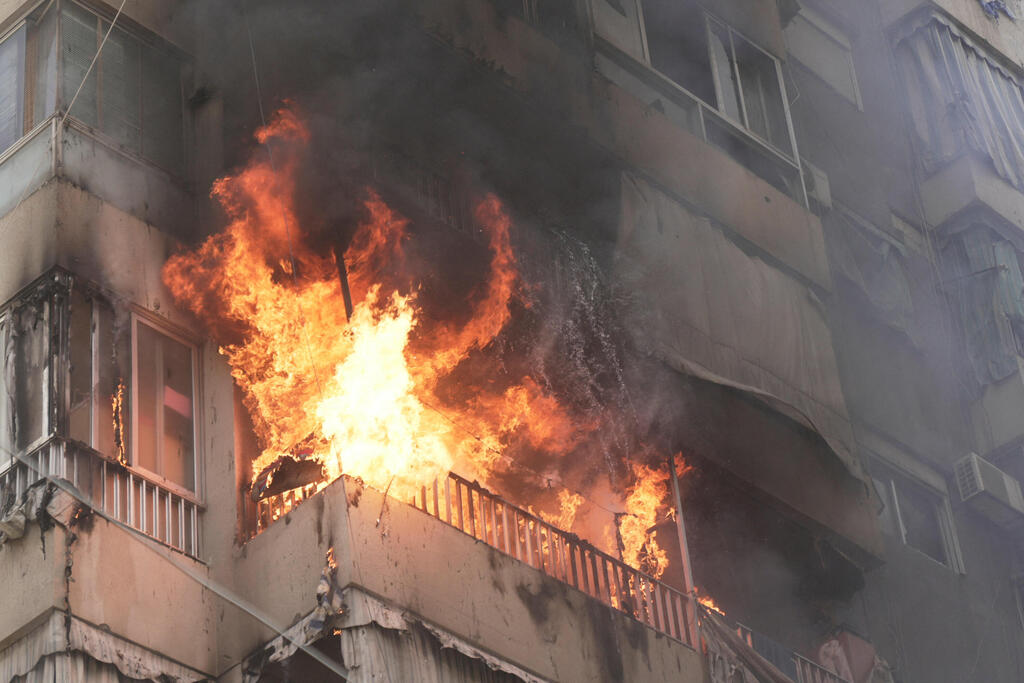
Israeli strike on Hezbollah targets in Beirut, Lebanon
(Photo: REUTERS/Stringer)
He added that a non-state actor such as Hezbollah needs a degree of legitimacy to survive, and that without it, “it turns only into a self-interested organization.”
Several residents interviewed by the Post questioned Hezbollah’s decision to attack Israel, particularly during the holy month of Ramadan.
“They didn’t even think about Ramadan, that it was nighttime, and that it was in cold weather. They didn’t think about the people,” Hadi Mourad, a local Shiite doctor who opposes Hezbollah, told the newspaper. He said that on the night the war spilled into Lebanon, he rushed to evacuate his parents from their home in eastern Lebanon, another area where Hezbollah has long held sway.
According to the Post, criticism of Hezbollah’s decision to enter the war is also coming from people who had supported it for years.
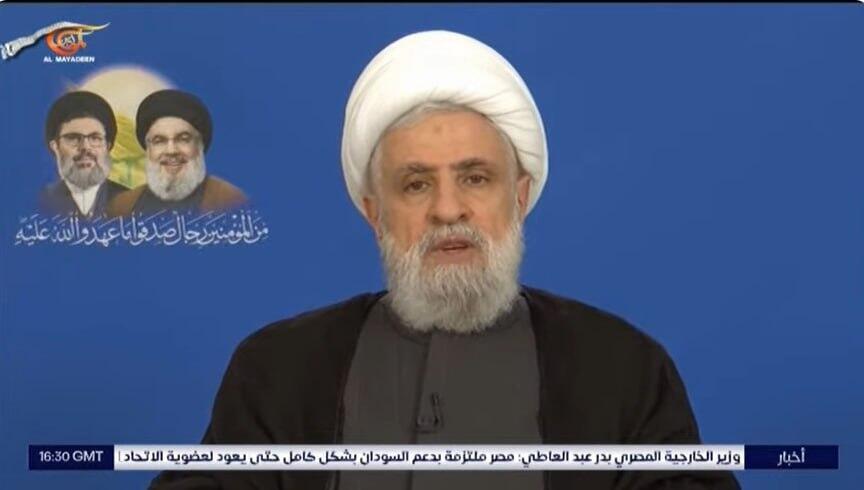
Naim Qassem
Ghada, a Shiite woman still looking for a place to shelter in Beirut, said she had always backed the group publicly, but now questions the point of retaliation over the war against Iran, saying it would bring no benefit either to Tehran or to the Lebanese people.
“The price we paid was not enough?” she said. “Displacement, destruction and devastation.”
Lynn Harfoush said she is now sheltering 17 displaced relatives. “I remember that I started calling my family and telling them they have to leave the southern suburbs of Beirut immediately,” she said. “They were stuck on the road for four hours.”
She said most of her relatives have supported Hezbollah for many years, but even among them, there is dissatisfaction over the group’s latest entry into war. Harfoush said she herself had once been a Hezbollah supporter but broke with the group in 2006 and later began promoting a secular opposition party.
Hezbollah still retains significant backing within Lebanon’s Shiite community, not only because of its military power but also because of the economic and social support it provides, support many do not believe the Lebanese state is capable of replacing.
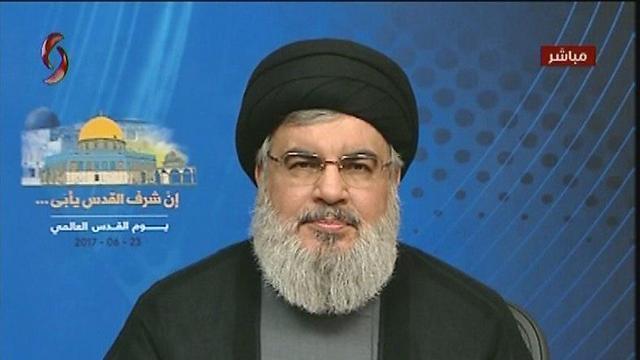
Hassan Nasrallah
Still, many now question the group’s latest actions. Some also point to the fact that Hezbollah’s new secretary-general, Naim Qassem, who took over after Hassan Nasrallah was assassinated by Israel in 2024, lacks his predecessor’s charisma and therefore has far less legitimacy in the eyes of supporters to prolong the war with Israel.
“Who could not love Nasrallah?” Ali said. “If anyone from our community said so, they would be lying. Now it is over; we need to live.”