

U.S. President Donald Trump is signaling a potential escalation against Iran, floating the idea of a naval blockade in the Strait of Hormuz after weekend negotiations between Washington and Tehran ended without an agreement.
Trump shared an article on his Truth Social platform shortly after the talks in Islamabad collapsed, highlighting what it described as a “Trump card” in dealing with Iran: a naval blockade aimed at choking the country’s oil exports and further weakening its already strained economy.
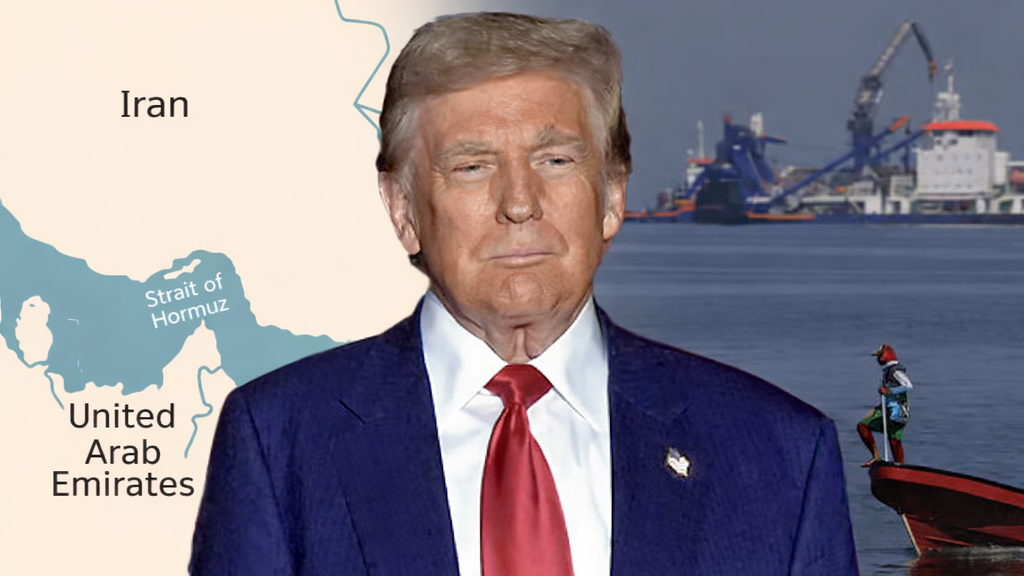
The article, published by pro-Trump outlet Just the News, argued that the strategy could replicate what it called a successful U.S. blockade against Venezuela, which it claimed helped cripple the country’s economy ahead of the ouster of President Nicolas Maduro.
According to the report, a similar move against Iran could cut off a major lifeline not only for Tehran, but also for key buyers of its oil, including China and India, while increasing diplomatic pressure on both countries.
From diplomacy to pressure tactics
The escalation rhetoric comes after nearly 24 hours of intense negotiations in Pakistan, where U.S. Vice President JD Vance led the American delegation.
“We leave here with a very simple proposal, a method of understanding that is our final and best offer,” Vance said after the talks ended. “We will see if the Iranians accept it.”
US Vice President JD Vance after the failed negotiations in Pakistan
(Video: Reuters)


U.S. officials said the discussions were conducted in good faith but ultimately failed to produce a deal, with Iran refusing to commit to abandoning its nuclear ambitions, a core U.S. demand.
Iranian officials, for their part, described the talks as taking place in an atmosphere of deep mistrust and accused Washington of making excessive demands.
With a fragile ceasefire still in place, Pakistan, which hosted and mediated the talks, urged both sides to maintain restraint and continue pursuing diplomacy.
Military buildup in the Gulf
At the same time, U.S. naval forces are already positioned in the region, raising the stakes.
The USS Gerald R. Ford, which the Just the News report said played a role in enforcing the Venezuela blockade, is now deployed in the Persian Gulf alongside the USS Abraham Lincoln and other naval assets.
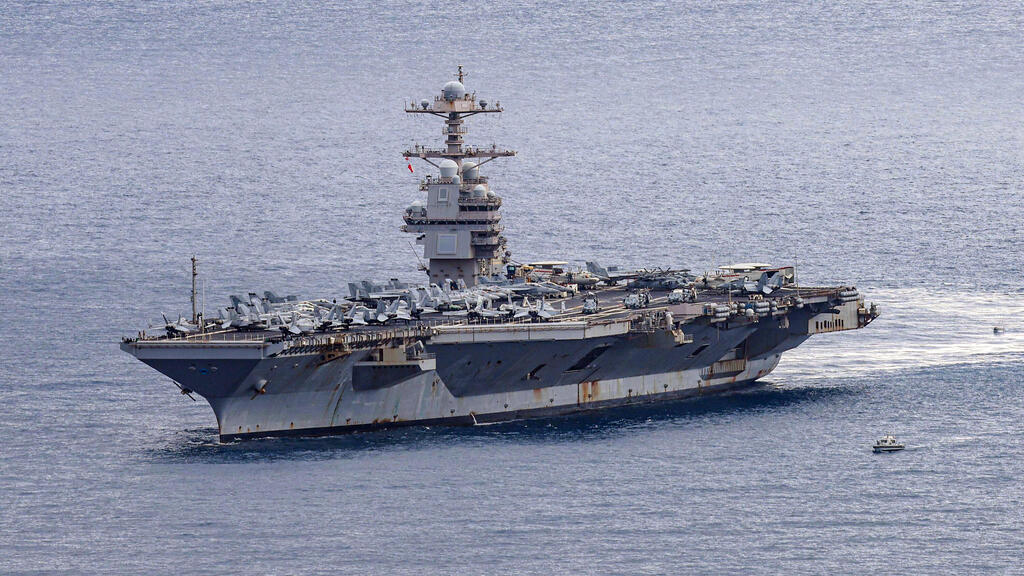
The USS Gerald R. Ford
(Photo: METAXAKIS/ AFP)
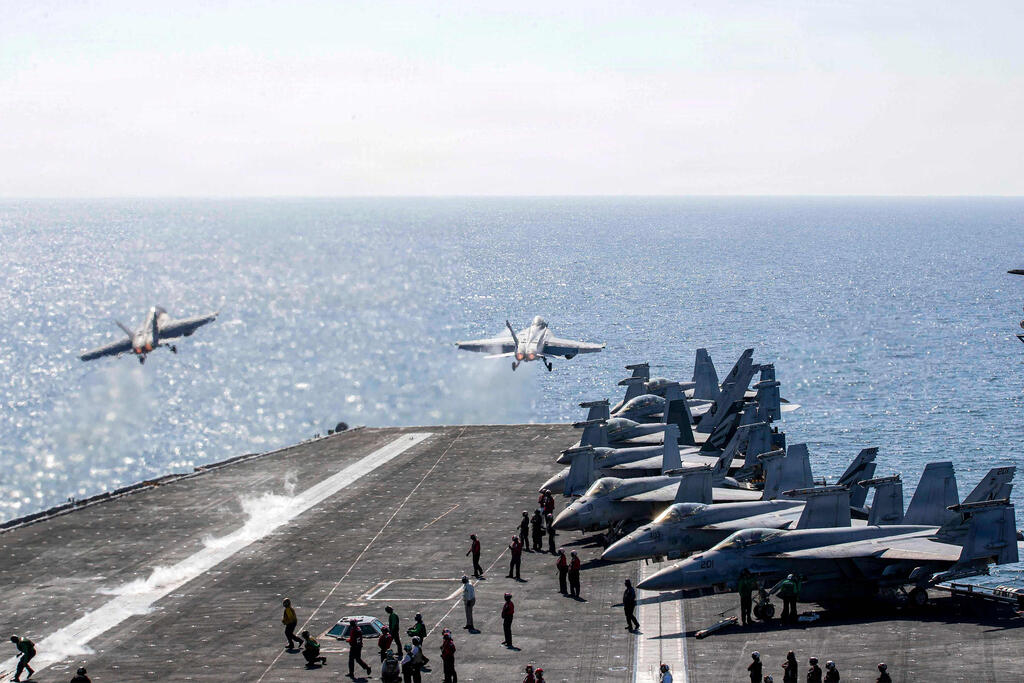
Fighter jets take off from the US aircraft carrier Abraham Lincoln
(Photo: US Navy/ AFP)
Security analysts say the U.S. Navy has the capability to exert near-total control over traffic through the Strait of Hormuz, a critical global energy chokepoint.
“It would be very easy for the U.S. Navy to exert complete control over what does and does not go up and down the Strait now,” said Rebecca Grant of the Lexington Institute, noting increased naval activity and tanker movements in recent days.
A blockade would effectively allow Washington to monitor, restrict or halt oil shipments passing through the strait, including those linked to Iran’s key export hub at Kharg Island.
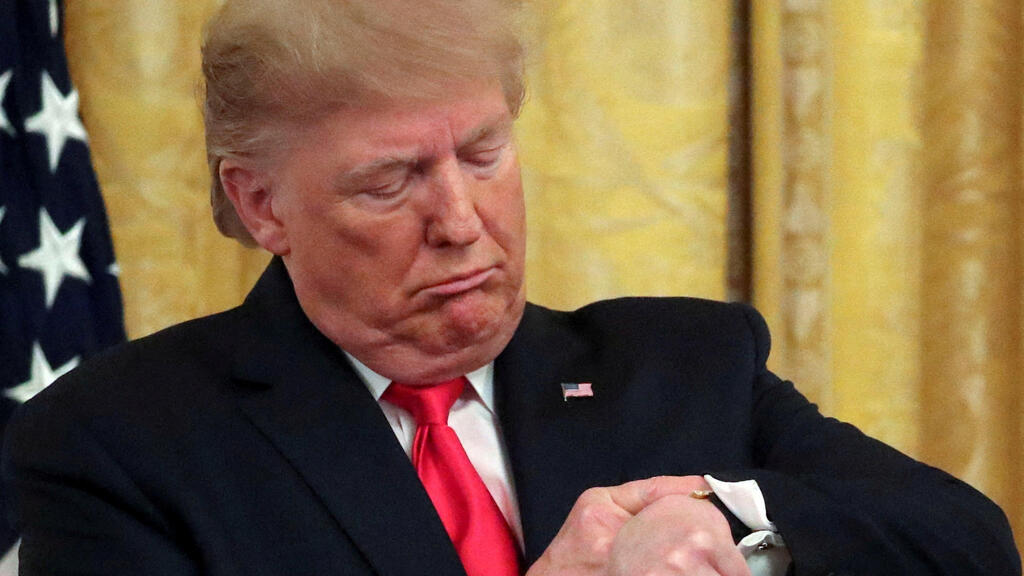
Fragile ceasefire still in place
(Photo: Jonathan Ernst/Reuters)
A strategy already on the table
The idea of a naval blockade has been circulating within U.S. strategic circles in recent days.
Retired Gen. Jack Keane suggested that if military operations resume, the U.S. could either seize or destroy key Iranian oil infrastructure, or impose a blockade to shut down exports entirely.
“That’s the ultimate leverage,” he wrote in a recent column, arguing that controlling Iran’s oil flow could pressure Tehran into concessions on its nuclear program.
Rising tensions and conflicting reports
Meanwhile, reports suggest the negotiations in Islamabad were marked by sharp disagreements, particularly over control of the Strait of Hormuz and Iran’s uranium program.
Turkish media even claimed that tensions escalated to the point where Iranian Foreign Minister Abbas Araghchi and U.S. envoy Steve Witkoff nearly came to blows, though such reports have not been independently confirmed.
Adding to the friction, Trump said the United States had already begun clearing underwater mines in the Strait of Hormuz, framing the move as a service to global shipping while criticizing other nations for failing to act.
Iran has denied reports of U.S. naval activity in the strait and warned it would respond to any unauthorized military presence.
What comes next
With negotiations stalled, the Trump administration is now weighing its next steps, ranging from renewed diplomatic efforts to economic pressure or military escalation.
A naval blockade, if implemented, would mark a significant shift, from negotiations to direct economic warfare, with global implications for energy markets and regional stability.
For now, Trump’s message appears clear: if Iran does not accept the terms on the table, Washington has other tools ready, and they may extend far beyond diplomacy.