

Turkey’s once-problematic ties to the Hamas terrorist organization have become a geopolitical asset, as Ankara helped persuade the group to accept former President Donald Trump’s Gaza ceasefire deal — a move that reasserted Turkey’s influence in the Middle East and unsettled both Israel and its Arab rivals.
Initially resistant to Trump’s ultimatum — free the Israeli hostages or face continued devastation — Hamas leaders relented only after Turkey, viewed by the group as a political patron, urged them to agree to the U.S. plan.
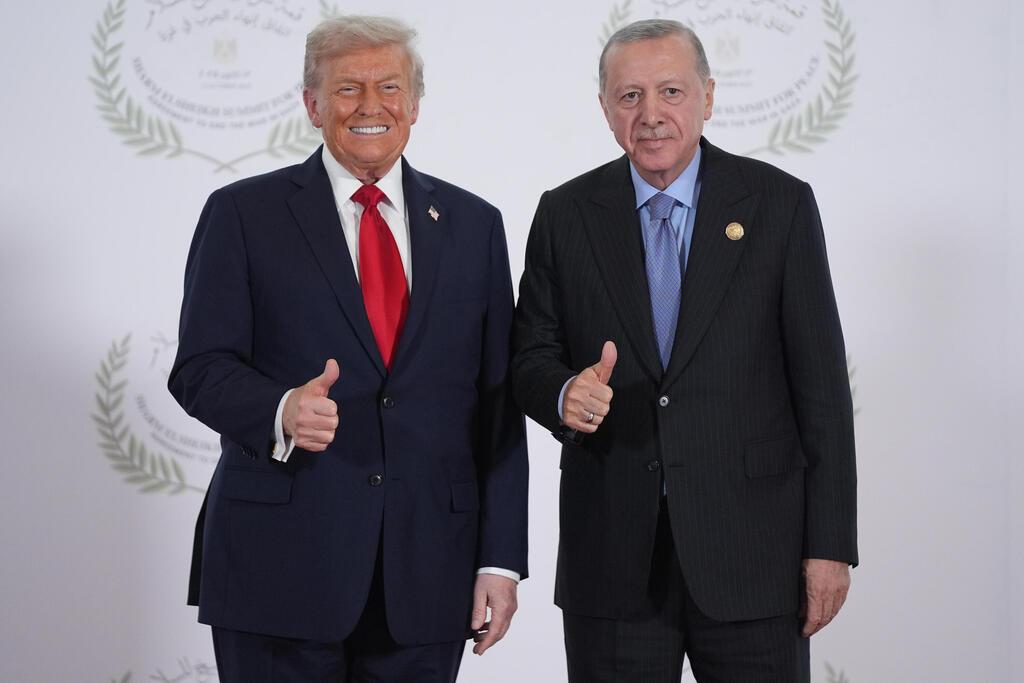
Two regional sources and two Hamas officials told Reuters that Ankara’s message was clear: the time had come to accept.
“This gentleman from a place called Turkey is one of the most powerful in the world,” Trump said last week, referring to Turkish President Recep Tayyip Erdogan, after Hamas agreed to the ceasefire and hostage-release plan. “He’s a reliable ally. He’s always there when I need him.”
Erdogan’s signature on the Gaza agreement boosted Turkey’s bid for a central role in the Middle East — a status he has long sought to reclaim, often invoking Ottoman-era leadership.
Now, following the deal, Turkey is seeking to capitalize on its new influence, including by advancing bilateral issues with Washington, the sources said.
Sinan Ulgen, director of the Istanbul-based think tank EDAM and a senior fellow at Carnegie Europe, said Ankara’s success in convincing Hamas terrorists to accept the Gaza plan has given it new diplomatic leverage at home and abroad.
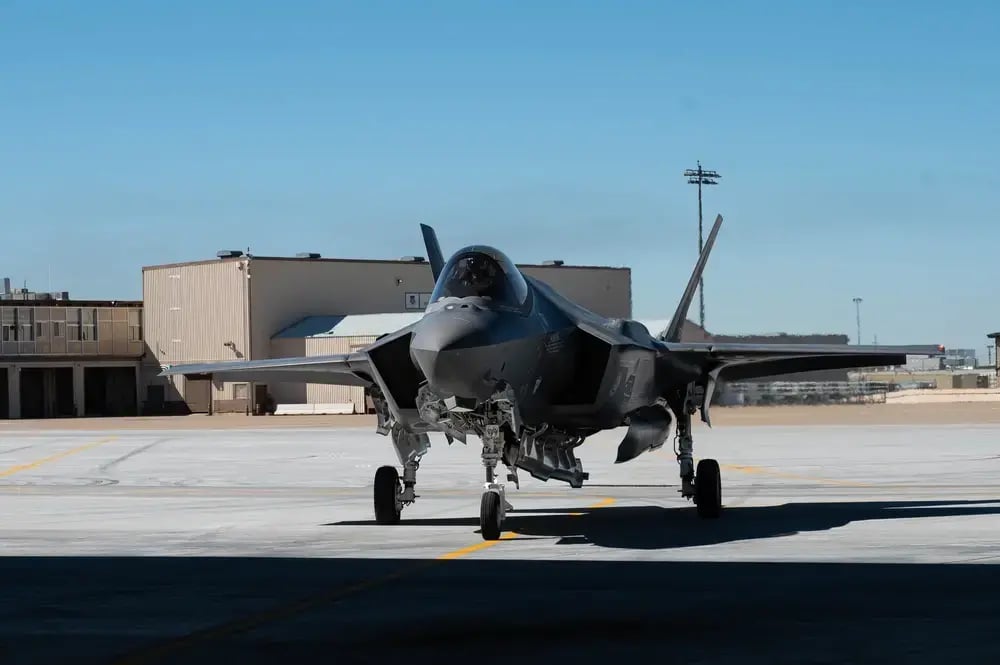
Turkey, he said, is likely to use its renewed goodwill in Washington to push for progress on stalled F-35 fighter jet sales, the easing of U.S. sanctions, and support for Ankara’s security goals in neighboring Syria.
“If those laudatory statements from Trump translate into lasting goodwill, Ankara could use that momentum to resolve some of the long-standing disagreements,” Ulgen told Reuters.
At the Trump–Erdogan Meeting, a Reset Begins
Officials said the diplomatic recalibration between Ankara and Washington began during Erdogan’s September visit to the White House, his first in six years.
The meeting tackled several flashpoints, including Turkey’s demand to lift U.S. sanctions imposed in 2020 over its purchase of Russian S-400 missile systems — a move that angered Washington and led to Turkey’s removal from the F-35 program.
Syria was another key topic. Turkey has pressed the U.S.-backed Kurdish Syrian Democratic Forces (SDF) to integrate into the Syrian army. Ankara views the SDF as an extension of the PKK, which it designates a terrorist group.
That initiative appears to be making headway. SDF commander Mazloum Abdi confirmed the creation of a mechanism to merge with the Syrian army, an outcome Turkey sees as a strategic win.
The Gaza deal is the latest boost to Turkish prestige. Trump previously praised Erdogan for hosting Russia–Ukraine peace talks earlier this year, and Ankara’s influence grew after the fall of Bashar al-Assad in Syria in 2024, where Turkey backed opposition forces.
Turkey’s ambition to reclaim a leading role in the Middle East has drawn comparisons to the legacy of the Ottoman Empire, which ruled much of the region until its collapse a century ago. For decades afterward, modern Turkey turned inward, focusing on its secular republic and largely avoiding major regional mediation.
(Photo: Capt. Nathan Poblete/US Air Force)
For years, Ankara was sidelined from high-level Israeli–Palestinian diplomacy. Its support for Islamist movements — including political and diplomatic backing for Hamas — strained relations with Israel and several Arab governments, while Erdogan’s perceived drift from NATO norms further distanced Turkey from Western partners.
But to break the deadlock in the Gaza ceasefire talks, Trump turned to Erdogan, betting that the Turkish leader’s influence over Hamas terrorists could deliver results. Turkish officials, led by intelligence chief Ibrahim Kalin, assured Hamas that the ceasefire had regional and U.S. support — and that Trump personally guaranteed it.
By enlisting Erdogan, Trump handed Ankara the role it had long sought: a dominant regional Sunni power. The move rattled Israel and several Arab states, including Egypt, Saudi Arabia, and the United Arab Emirates, which have long viewed Erdogan’s Islamist ambitions warily, two diplomats said.
“Erdogan is a master at expanding his influence — seizing opportunities, taking advantage of events, turning them to his own interest, and taking credit for them,” said Arab political commentator Ayman Abdel Nour. “Obviously, the Gulf countries were not happy about Turkey taking a leading role on Gaza, but at the same time they wanted the conflict to end, to see an agreement, and to see Hamas sidelined.”
Lebanese analyst Sarkis Naoum said that while Arab states shared Turkey’s interest in ending the war, Ankara’s expanded role revived old fears about Ottoman-style dominance in the region.
Turkey’s Foreign Ministry and intelligence agency (MIT) did not respond to Reuters requests for comment. The U.S. State Department also did not immediately comment.
For Hamas, the main concern was that Israel might renege on the deal and resume fighting. Deep mistrust nearly derailed the process, regional sources said.
“The only real guarantee came from four parties: Turkey, Qatar, Egypt, and the Americans,” a senior Hamas official told Reuters. “Trump personally gave his word. The U.S. message was: ‘Release the hostages, hand over the bodies, and I guarantee there will be no return to war.’”
Crushing Pressure on Hamas
Turkey’s participation in the talks was initially vetoed by Israel, but Trump personally intervened, pressing Jerusalem to accept Ankara’s involvement, two diplomats said.
Israel’s Foreign Ministry had no immediate comment.
A senior Hamas official said Gaza’s military leadership agreed to the truce not as a surrender, but under immense pressure — including relentless mediation, a collapsing humanitarian situation, and public exhaustion after months of war.
The deal secured the release of Israeli hostages taken during Hamas’s October 7, 2023, terrorist attack that killed 1,200 people and triggered Israel’s military campaign, which has since left more than 67,000 Palestinians dead, according to Gaza health authorities.
Whether the Gaza deal will eventually pave the way to a Palestinian state remains unclear. Turkey and Arab countries including Qatar and Egypt argue the plan lacks a roadmap toward a two-state solution, a core Palestinian demand.
Asked about the possibility of Turkish troops deploying to Gaza after the war to help secure the enclave, Erdogan said on October 8 that while the ceasefire talks would determine the details, the priority remained achieving a full ceasefire, ensuring aid deliveries, and rebuilding Gaza.