



A senior British diplomat stressed Sunday that the United Kingdom’s recognition of a Palestinian state was not aimed at Israel, even as Jerusalem weighs its response to the move championed by France. Canada and Australia also announced recognition on Sunday.
“This is not punishment of Israel — on the contrary,” the diplomat said, noting that London continues to support Israel. He said the recognition was tied to key conditions: the release of all hostages, Hamas disarmament, demilitarization of Gaza, and Palestinian elections within a year, authorized by the Arab League. “Israel says 'no' to a Palestinian state. We asked, 'What is the alternative?' We didn’t get an answer,” he said.
Gallery
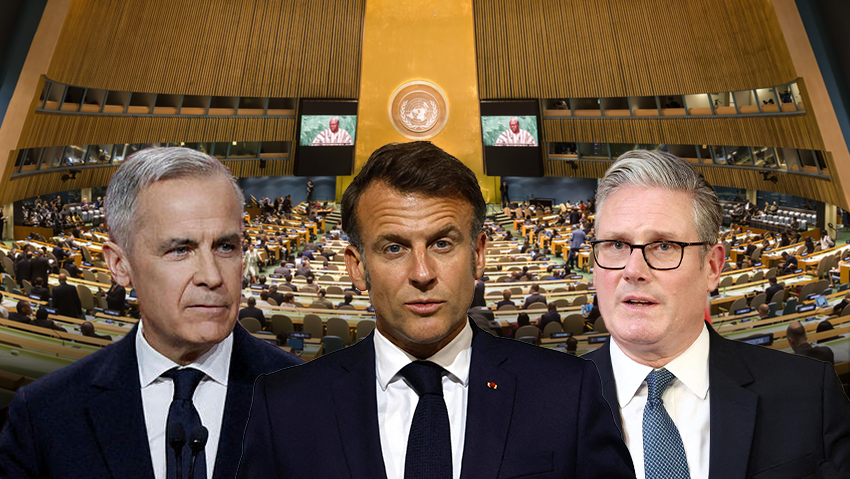
Mark Carney, Emmanuel Macron, Keir Starmer
(Photo: Shutterstock, Reuters/ Kevin Lamarque, Ludovic Marin/ AFP, Blair Gable)
The diplomat added that Britain would continue intelligence flights over Gaza to track hostages and stressed there was no broad arms embargo. Only about 10% of offensive weapons exports had been paused, he said, adding: “Britain continues to supply Israel with weapons.”
Still, he cautioned against an aggressive Israeli response: “If Israel reacts with harsh diplomatic measures, there will be retaliation. It will become a ping-pong. Israel must think carefully about its responses.”
Israel weighs options
Israel has not yet finalized its response. Prime Minister Benjamin Netanyahu is expected to coordinate with U.S. President Donald Trump in Washington after Yom Kippur before announcing any move. Options range from restraint — unlikely — to annexing the entire West Bank, though that too appears doubtful. Analysts suggest a more symbolic step, such as annexing the Jordan Valley, might be more realistic and palatable to Washington.
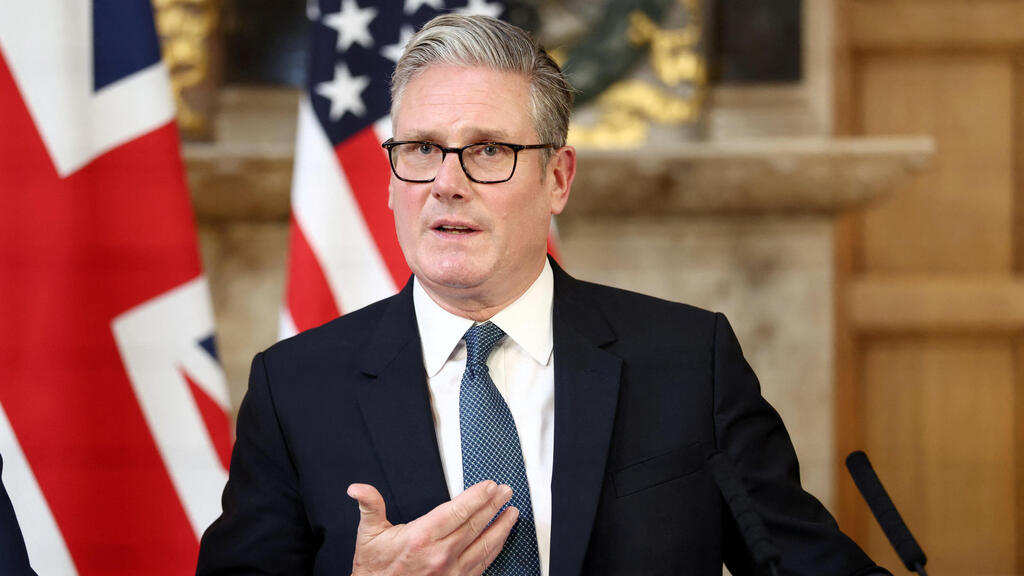
Keir Starmer
(Photo: Kevin Lamarque/Reuters)
France led the push for recognition and lobbied other countries to join. Jerusalem has warned Paris of sharp retaliation, including possibly closing the French consulate in Jerusalem, which handles Palestinian affairs. French officials said such a move would not go unanswered.
According to French media reports, possible countermeasures include expelling Israeli diplomats or limiting Mossad’s Paris office, which has historically provided intelligence that helped France thwart terror plots. One was the foiled 2018 Iranian bomb attack outside Paris.
A senior French diplomat told Le Figaro: “Recognition of a Palestinian state is not a declaration of war against Israel. It is recognition of moderates against Hamas. Netanyahu has shown no alternative. For 20 years, there has been no negotiation, only settlements.”
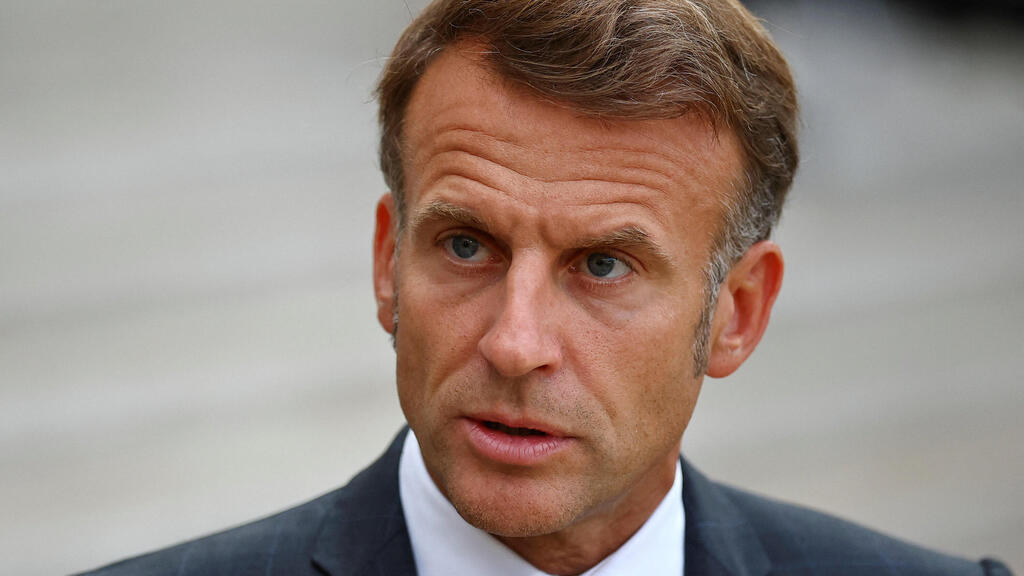
Emmanuel Macron
(Photo: Reuters/ Sarah Meyssonnier)
He added, bluntly: “We warned Israel not to respond harshly. With all due respect, Israel is a small country and France is a powerhouse. Our ability to hurt you is greater than yours to hurt us.” The diplomat also revealed that Paris is preparing a “second wave” of recognition, possibly including Japan.
Netanyahu’s dilemma
Netanyahu faces competing pressures: coalition partners Bezalel Smotrich and Itamar Ben-Gvir demand full annexation, but Trump could veto such a move, citing commitments in the Abraham Accords that explicitly rule out annexation. Germany has also signaled it would not accept annexation and hinted it might itself recognize a Palestinian state if Israel proceeds.
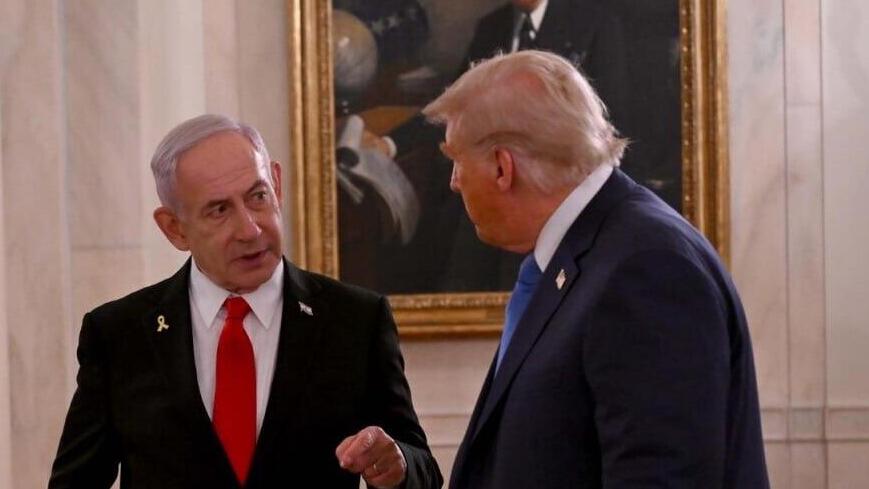
Benjamin Netanyahu, Donald Trump
(Photo: Avi Ohayon, GPO)
For Netanyahu, the timing is delicate. His government has primed public opinion for a strong response, but he risks disappointing his political base if Trump blocks annexation. Analysts say only a hostage deal and a cease-fire might soften domestic backlash.
In Washington, Trump may give Netanyahu leeway to target France diplomatically, but not to endanger the Abraham Accords. Any escalation with Paris, however, risks a bruising exchange between allies — and could play directly into President Emmanuel Macron’s hands as he seeks to project strength at home.