

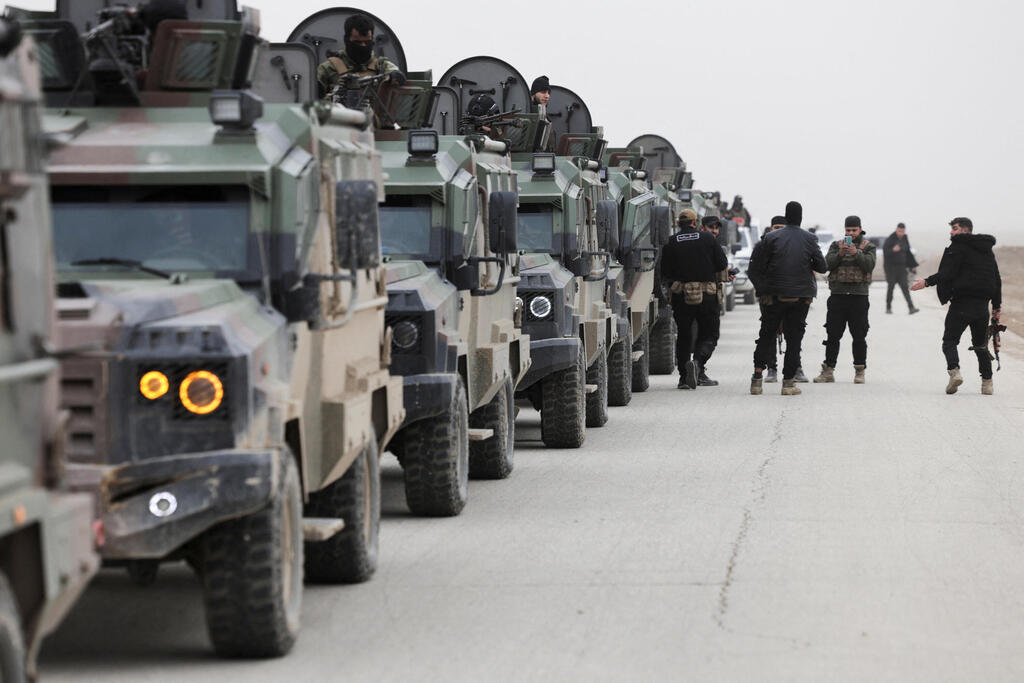
Forces loyal to Syrian President Ahmad al-Sharaa entered the northeastern city of Hasakah on Monday under a new agreement with Kurdish fighters, marking a key step toward full government control over areas long administered autonomously by Kurdish forces.
The deal, announced Friday, halted days of intense fighting between al-Sharaa’s troops and the U.S.-backed Syrian Democratic Forces (SDF), a predominantly Kurdish militia. The clashes erupted last month after talks throughout 2025 collapsed over a plan to integrate Kurdish units into Syria’s post-war security forces following the December 2024 overthrow of Bashar Assad’s government after 14 years of civil conflict.
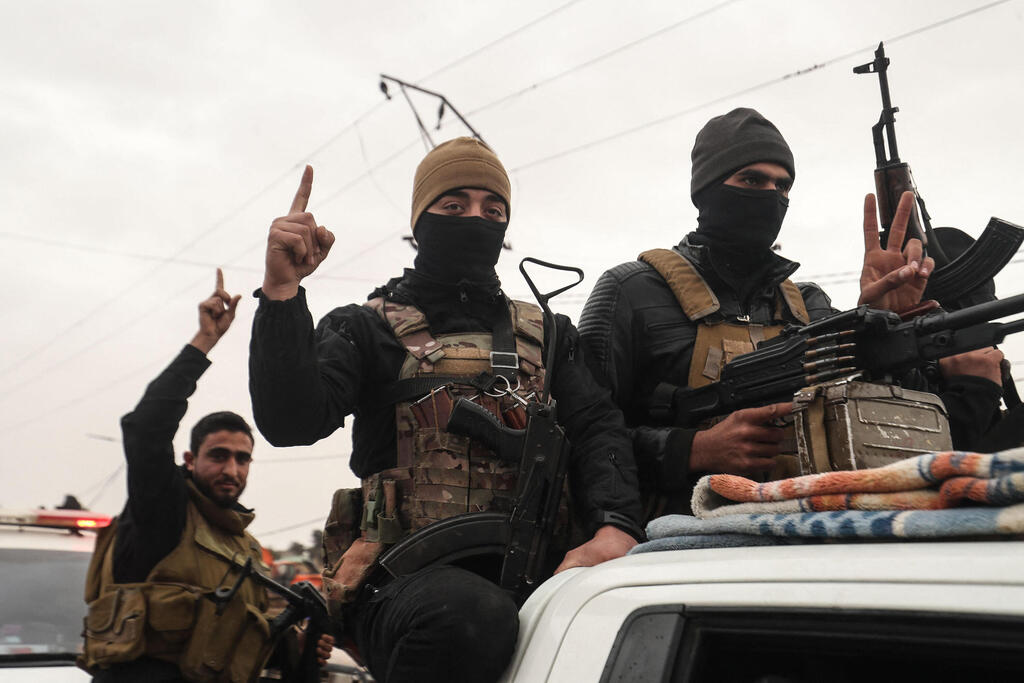
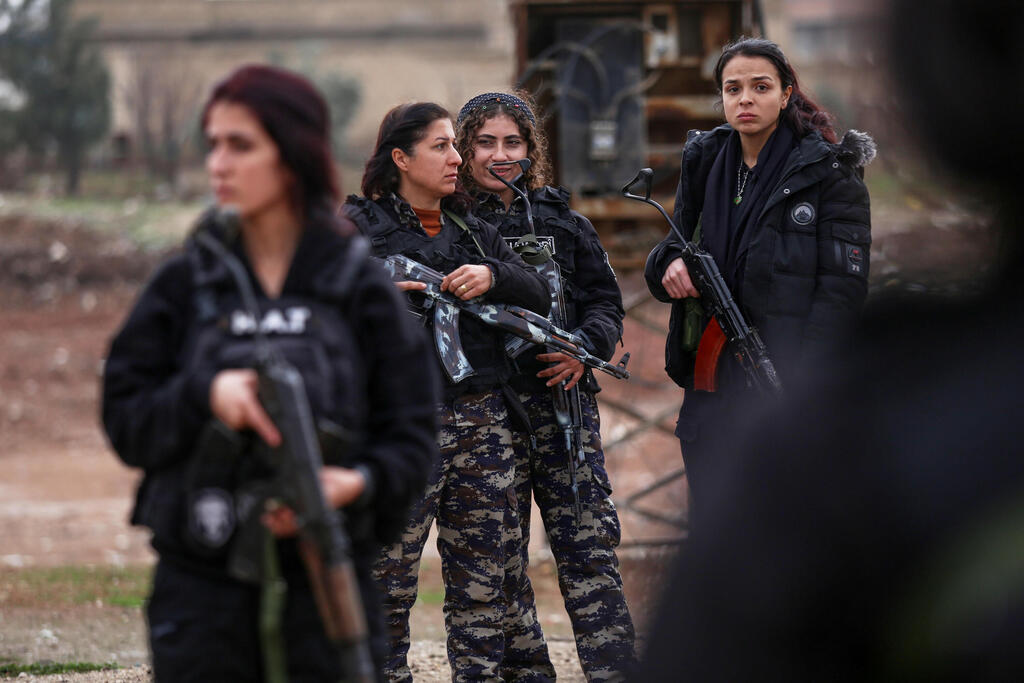
Under the agreement, Kurdish fighters will be gradually absorbed into Syria’s official security apparatus. Interior Ministry units from Damascus have also begun deploying to key urban centers in the former autonomous region, including Hasakah and nearby Qamishli, officials said, as part of efforts “to strengthen stability and begin integrating security forces in the area.”
The accord calls for the creation of a new military division composed of three brigades drawn from SDF units and a fourth brigade from fighters based in Kobani, a Kurdish city in Aleppo province. Civil governance will also be reshaped, with autonomous Kurdish institutions to be incorporated into Syrian state structures, safeguards for Kurdish civil and educational rights and the return of residents displaced by fighting.
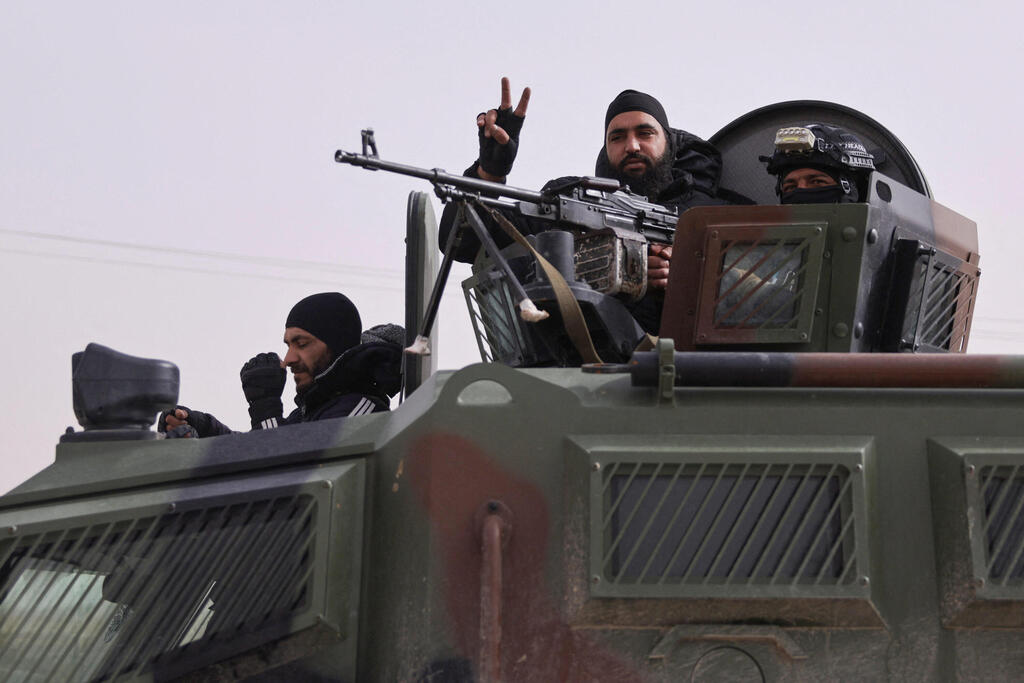
(Photo: REUTERS/Khalil Ashawi)
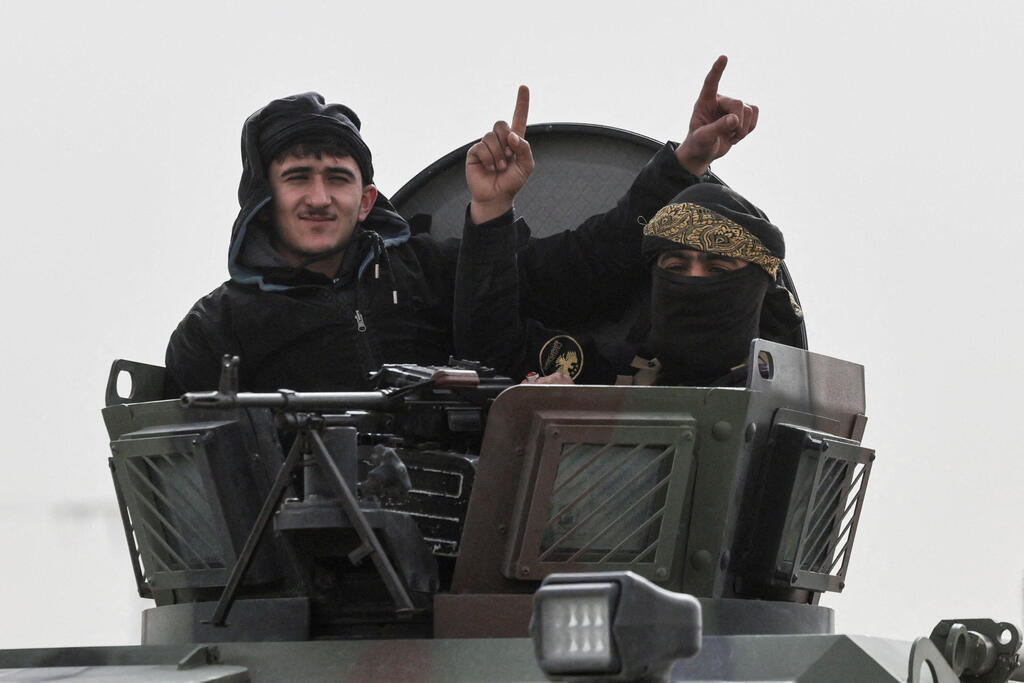
(Photo: REUTERS/Khalil Ashawi)
(Photo: REUTERS/Khalil Ashawi)
Syrian state media described the agreement as a step toward “reunifying Syrian lands, enforcing the law and achieving full integration” by bolstering cooperation among rival factions and supporting national reconstruction efforts. Several Arab states swiftly welcomed the deal, and U.S. officials labeled it “historic.”
Since rising to power, al-Sharaa has moved to bring all of Syria under his rule, including the vast swaths of territory in the country’s northeast that were controlled over the past decade by Kurdish forces during the civil war.
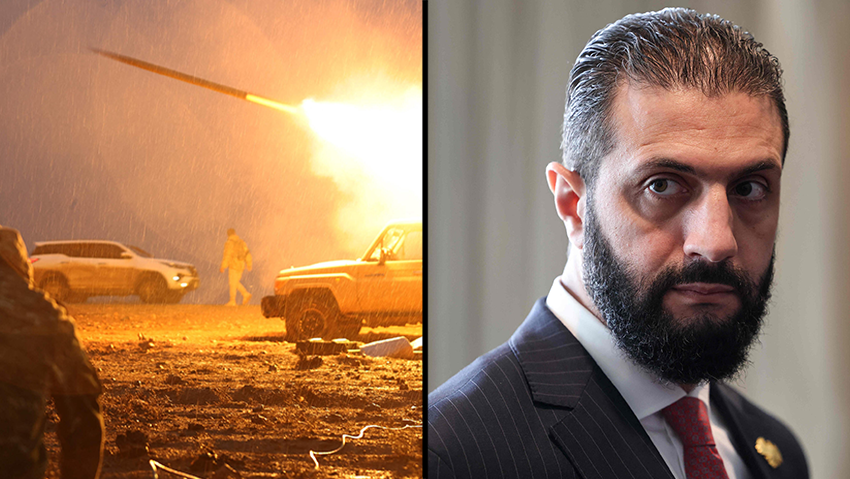
Syrian President Ahmad al-Sharaa
(Photo: Ludovic MARIN / POOL / OMAR HAJ KADOUR / AFP )
The Kurds have been deeply reluctant to relinquish the autonomy they carved out for themselves, rooted not only in decades of discrimination under the previous Syrian regime, but also in widespread distrust of al-Sharaa’s true intentions. A former al-Qaeda member, al-Sharaa now presents himself to the world as a moderate and claims to have abandoned jihadist ideology.
However, reports of massacres committed by forces aligned with his new regime, particularly against Syria’s Alawite and Druze minorities, have only heightened Kurdish fears. Roughly two million Kurds live in Syria.
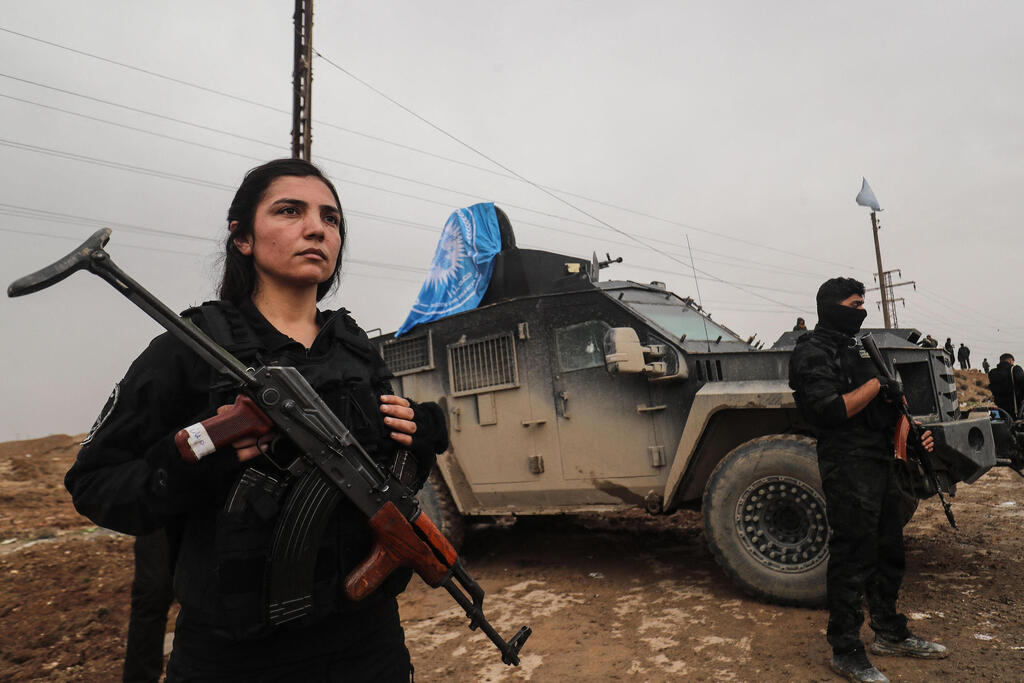
Kurdish forces watch from the sidelines as Syrian regime forces enter Kurdish stronghold of Hasakah
(Photo: Delil SOULEIMAN / AFP)
(Photo: AP Photo/Baderkhan Ahmad)
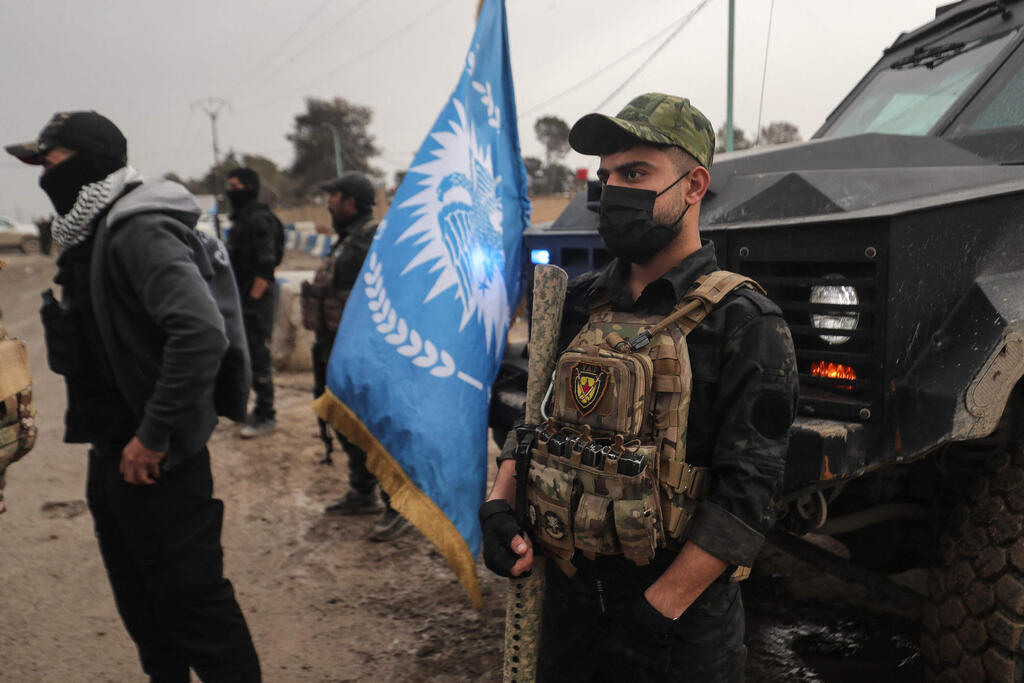
(Photo: Delil SOULEIMAN / AFP)
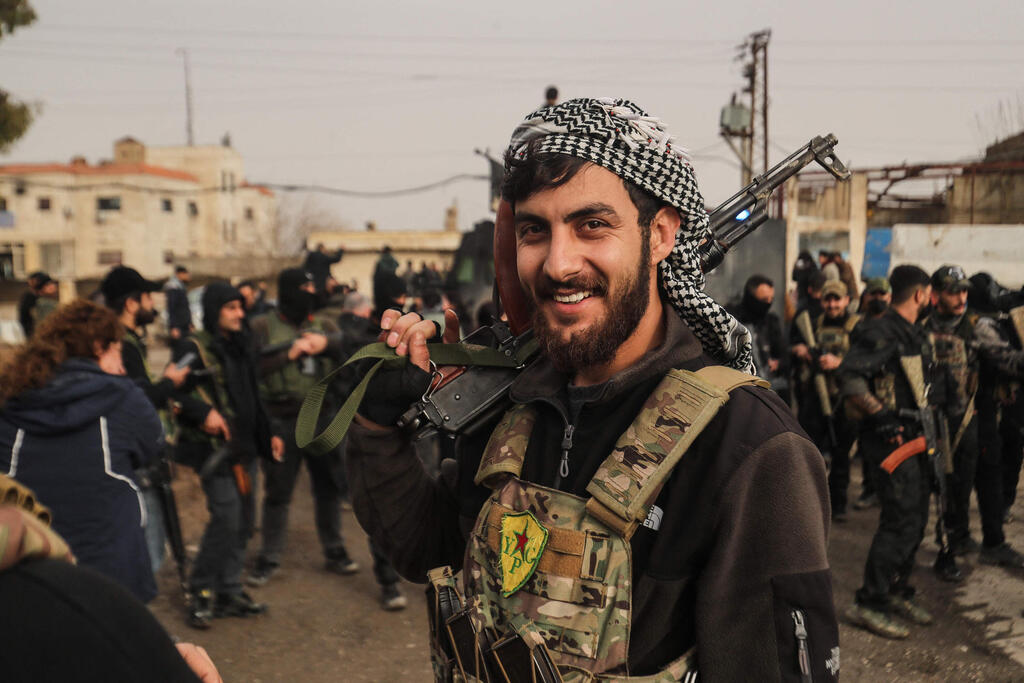
(Photo: Delil SOULEIMAN / AFP)
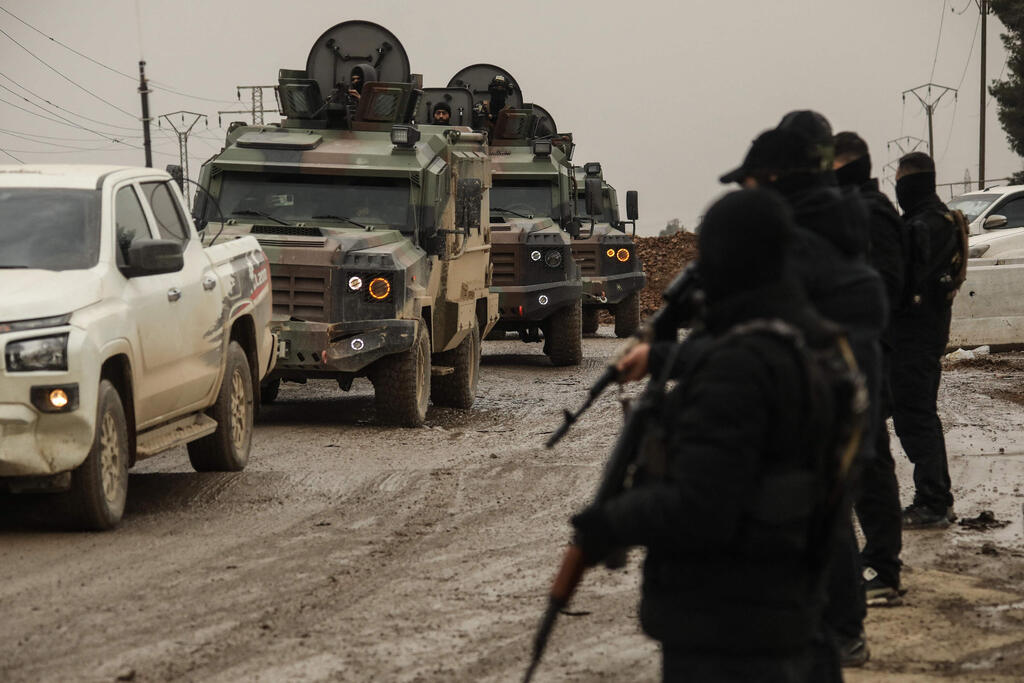
(Photo: Delil SOULEIMAN / AFP)
The Kurdish-led SDF were a key U.S. ally in the battle against the Islamic State (ISIS) in Syria and Iraq in the previous decade, playing a central role in defeating the jihadist group. But many Kurds now feel abandoned by President Donald Trump’s administration, which maintains warm relations with al-Sharaa’s government and did not prevent last month’s offensive by regime forces against Kurdish positions. The success of that campaign paved the way for the power-sharing agreement reached last week.
According to The Wall Street Journal, following what it described as a “Kurdish defeat,” the U.S. administration is now weighing a full withdrawal of American forces still stationed in Syria, amid concerns about cooperating with the new Syrian army, which includes Islamist fighters.
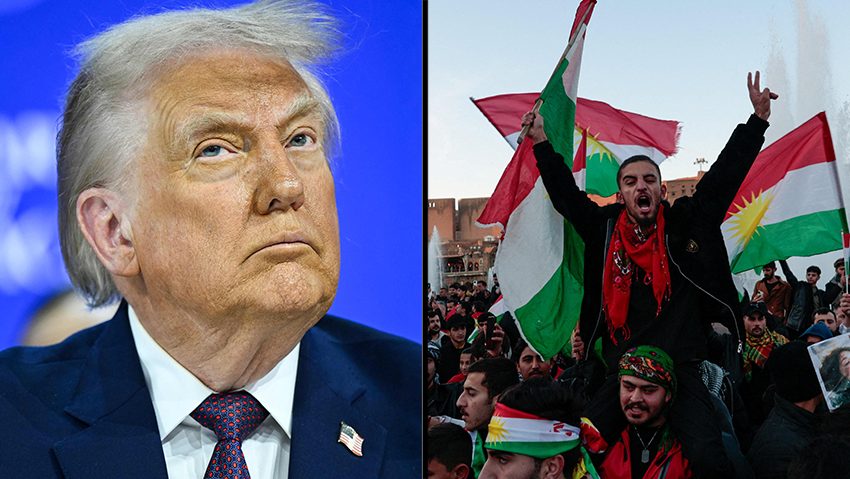
US President Donald Trump
(Photo: REUTERS/Khalid al-Mousily, Mandel NGAN / AFP)
SDF commander Mazloum Abdi said over the weekend that the agreement does not allow regime military forces to enter any Kurdish town or village. He clarified that Damascus regime forces would only be permitted to access designated areas in Hasakah and Qamishli, where their task will be “to oversee the integration process.” He added that SDF forces will remain intact as military brigades, and emphasized that the most important clause in the deal concerns the special status to be granted to Kurdish regions.
“Autonomous administration employees in the Kurdish areas will remain in their roles and will be integrated into the relevant government ministries,” Abdi said. “French President Emmanuel Macron told me he would act as a political guarantor of the agreement,” he added, referencing Macron’s mediation efforts to prevent a renewal of hostilities.
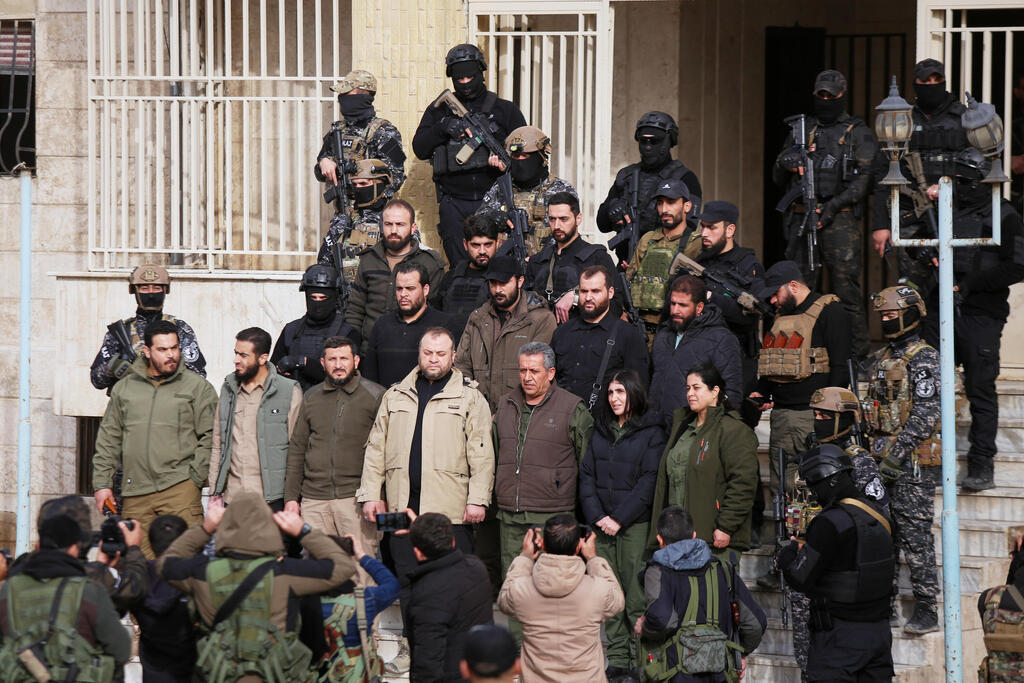
(Photo: AP Photo/Baderkhan Ahmad)
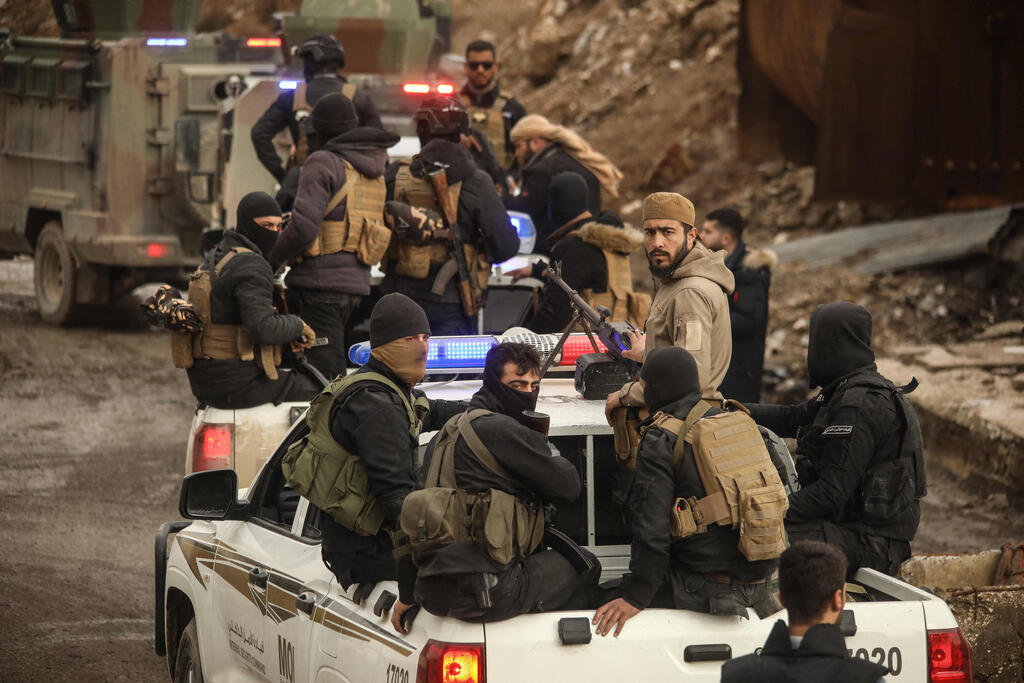
(Photo: Delil SOULEIMAN / AFP)
“We have also been in contact with Damascus regarding the fate of hostages, prisoners and the missing. I urge residents to return to their homes, especially those from Hasakah,” Abdi said, concluding: “I will remain with the people and work for Kurdish unity.”
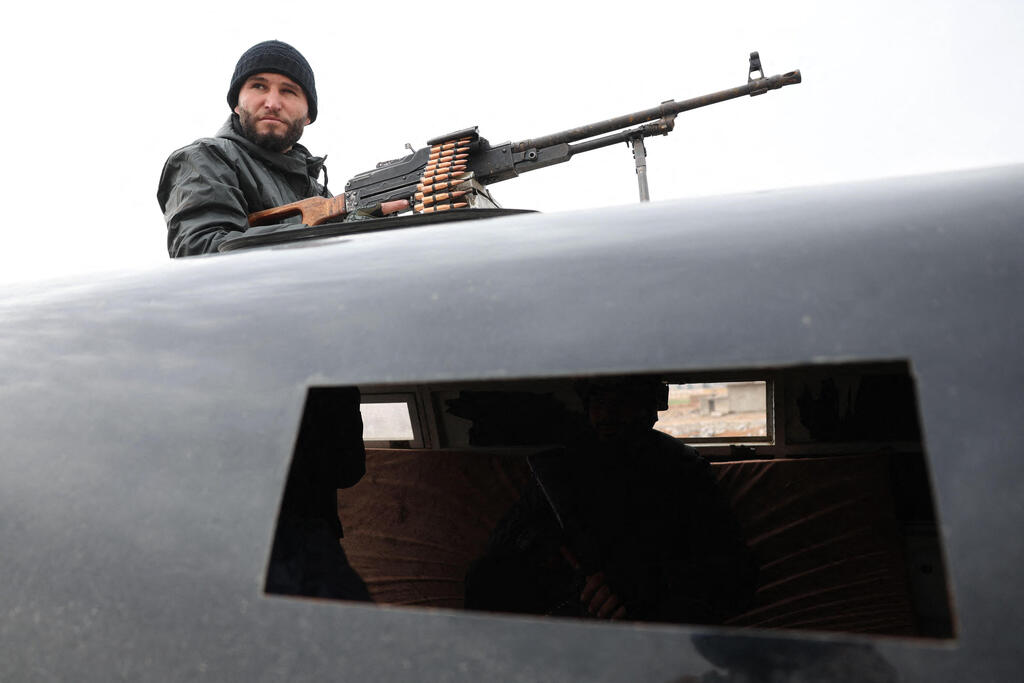
Implementation of the newly signed agreement began Monday morning, with relative calm marking its first day despite reports of an isolated incident. Reuters reported that its team observed a convoy of over 30 vehicles from Syria’s Interior Ministry entering the ethnically mixed city of Hasakah, while Kurdish forces watched from the sidelines.
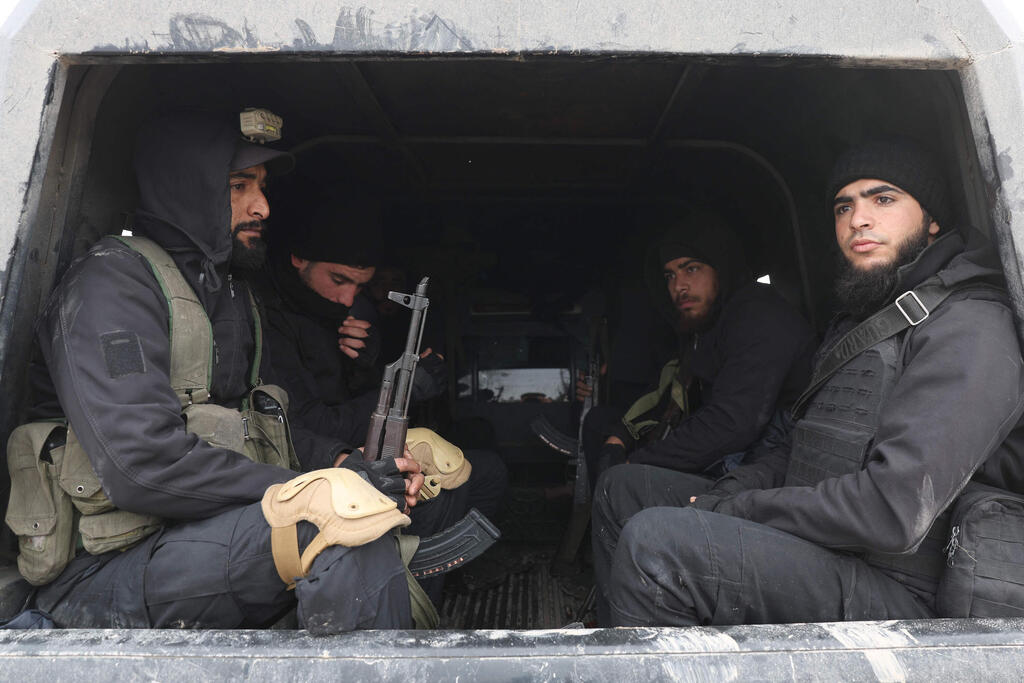
(Photo: OMAR HAJ KADOUR / AFP)
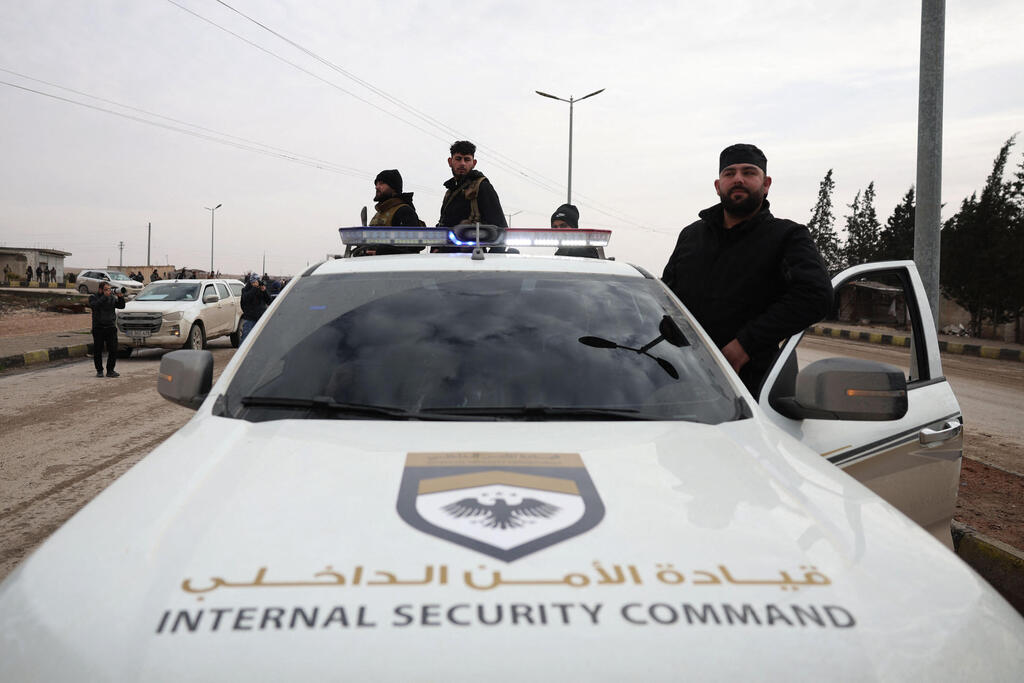
(Photo: OMAR HAJ KADOUR / AFP)
(Photo: OMAR HAJ KADOUR / AFP)
Later in the day, Syrian media claimed that an SDF fighter allegedly opened fire on residents in the city’s Khashman neighborhood as they gathered to welcome government security forces. According to the report, the shooting injured one civilian. Despite a curfew imposed in the area, residents reportedly emerged to greet the Damascus-affiliated forces as they entered. Nevertheless, Monday passed largely without escalation.
The agreement is set to extend on Tuesday to Qamishli, another key northeastern city. Aziz Biro, a Qamishli resident, told ynet that roughly 125 members of Syria’s General Security Service entered Hasakah as part of the initial rollout. “This is part of the agreement between the SDF and the Damascus government,” he said. “We welcome the deal and hope neither side violates it. Tens of thousands of displaced people have flooded Qamishli and border towns. They are in deep distress. Our region cannot withstand another war, so we embrace this agreement.”
Biro added that a general curfew would be imposed in Qamishli on Tuesday as Syrian public security forces are expected to enter. When asked if he feared the impending arrival of Syrian forces in his city, he replied, “No. Joining this agreement means avoiding war. It is wise to reach an agreement with Damascus and protect people’s lives and property. Al-Sharaa’s rise to power in Damascus came with a green light from Israel. Israel, Turkey and America are aligned; it would be foolish to go against these understandings.”
Meanwhile, Turkish President Recep Tayyip Erdoğan, whose support for al-Sharaa is a growing concern in Israel, said Monday evening: “We advocate for peace, stability, social cohesion and harmony in every corner of our region. We cannot feel secure while conflicts and wars rage beyond our borders. We support any step that contributes to the establishment of peace and stability in Syria and guarantees its territorial integrity and political unity. In Turkey, we genuinely wish for our neighbor Syria to achieve internal peace as soon as possible.”
On the agreement between the SDF and the Syrian government, Erdoğan said he hopes the terms will be implemented without delay: “The recent agreements have opened a new chapter for the Syrian people. Anyone who tries to sabotage it will be buried beneath its ruins. Turkey will stand firmly against anyone who stirs conflict or disregards human life.”