

Without prior consultation with brigade and battalion commanders, and in what reservists describe as another sudden blow, the IDF has further reduced leave and recovery days for reserve soldiers. The move is part of a political agreement between the Finance Ministry and the Defense Ministry aimed at clearing the way for approval of the state budget.
Reserve battalion and brigade commanders were notified by the Operations Directorate of an additional reduction in reserve duty days for 2026, cutting operational service from roughly two months to about a month and a half. While on paper the change appears to benefit reservists, who will serve fewer days overall, commanders say the reality is different.
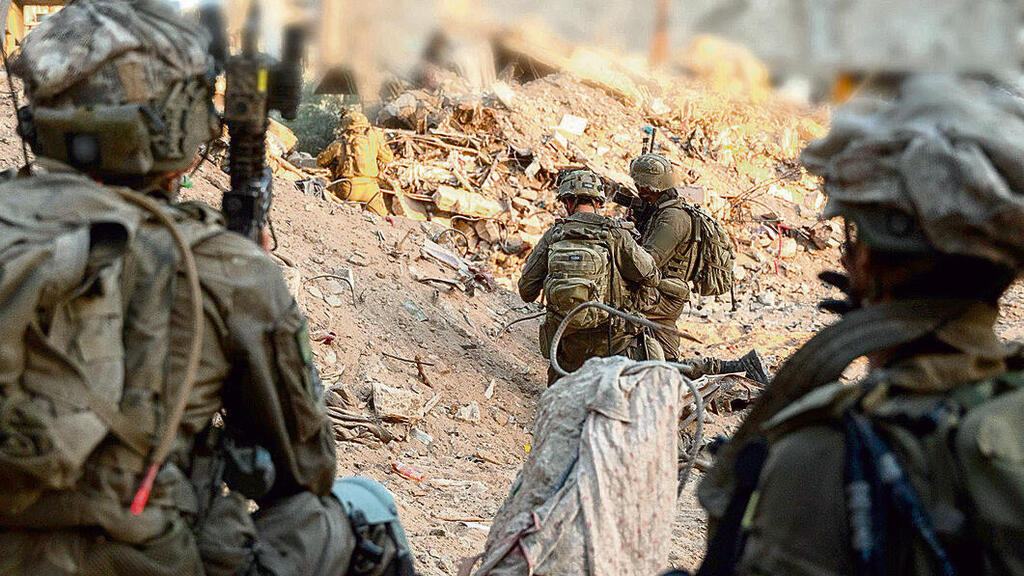
According to the directives, units are required to cut back on social and psychological recovery days traditionally granted at the end of reserve duty, as well as on home leave days taken while still under call-up orders, known as “reorganization days.”
The cuts stem from a government decision, first reported by ynet, ordering the IDF to reduce the number of reservists on active duty at any given time in 2026 from 60,000 to 40,000, in an effort to save billions of shekels from the defense budget.
Rather than reducing operational activity itself, the military opted to cut benefits and recovery time for reservists. Earlier cuts included the cancellation of hundreds of reserve soldiers assigned to community defense missions along the borders, particularly near Gaza. Residents in border communities voiced anger after positions that had been manned daily during the war were suddenly left unmanned.
Now, frustration has shifted to reserve battalion commanders, who say they are bearing the brunt of the second round of cuts.
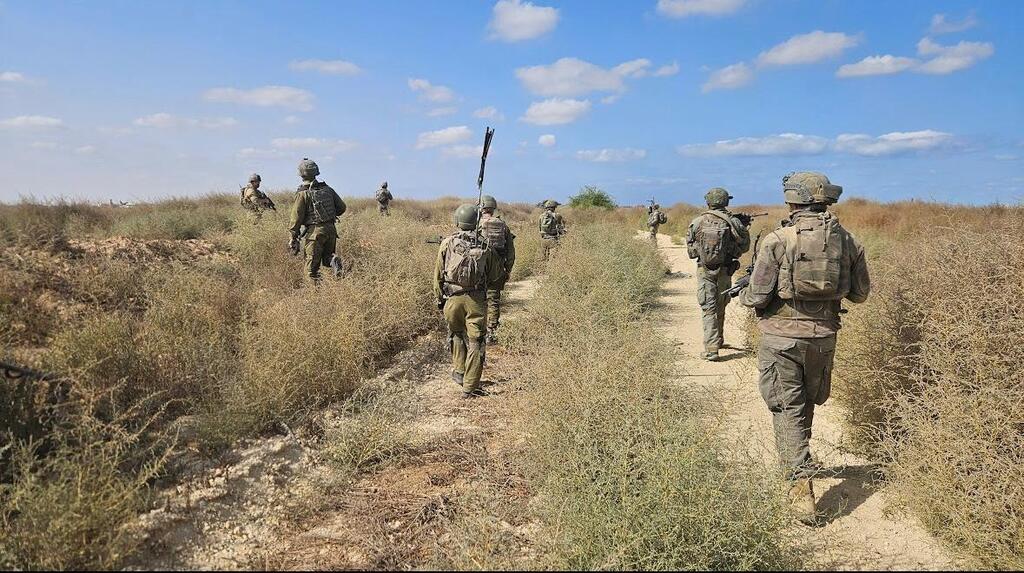
IDF forces
(Photo: IDF)
“One of the battalion commanders serving this year along the Yellow Line in Gaza told ynet and Yedioth Ahronoth that the rules are being changed midstream, without dialogue, and commanders are left to explain to soldiers that they will see even less of their families than expected. He accused the chief of staff of abandoning reservists instead of representing them before ministers who have forgotten they exist.
“What good are bonuses if you slash the days soldiers get to be home with their families?” he said.
WhatsApp groups of reserve battalion commanders were reportedly flooded with angry messages over the weekend, with some using the word “revolt.” Commanders complained that cuts were imposed after call-up orders had already been issued and preparations for renewed fighting were underway.
They said the reductions target precisely the cohesion-building activities and meetings with mental health professionals that help soldiers process long deployments. Some soldiers, commanders said, simply packed up and went home after hearing of the cuts, and no one intends to punish them after the sacrifices they have made during the prolonged war.
Despite formal orders canceling the week-on, week-off rotation in certain combat sectors to save reserve days, some battalions say they will continue the practice, especially in cross-border combat zones such as the buffer area and the Yellow Line in Gaza.
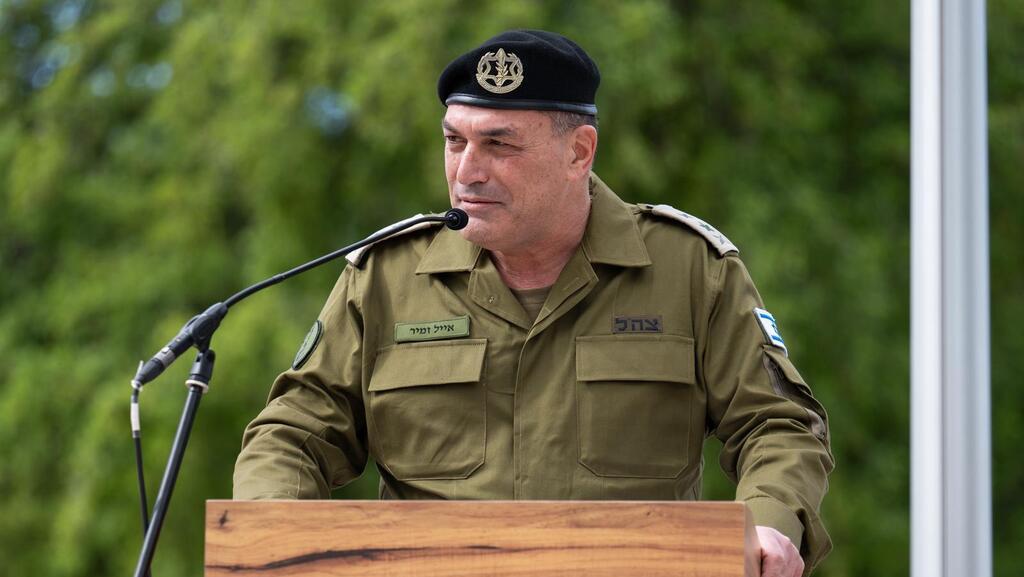
IDF chief of staff Eyal Zamir
(Photo: IDF)
A reserve company commander said the rotation allows soldiers to breathe, spend time with family and, in some cases, earn income during their week at home. “Senior commanders have forgotten that thousands of reservists are currently operating in enemy territory, under constant threat, even if they are not maneuvering,” he said.
He added that just last week a reserve officer was seriously wounded in Gaza, while preparations for renewed fighting against Hamas continue. “Then they focus on cutting two days from a recovery event at a hotel or a few days of home leave? People will stop showing up if this continues, as if peace has broken out on all fronts.”
Reserve commanders also directed criticism at senior generals and at IDF Chief of Staff Lt. Gen. Eyal Zamir, saying the operational burden remains unchanged even as benefits are slashed. “A reservist today serves roughly the same number of operational days as last year, about a month in uniform, but receives 50 percent fewer days at home, fewer recovery days and fewer personal and unit discharge days,” one commander said.
In response, the IDF said the 2026 operational framework was distributed months ago and is intended to ease the burden on reservists by shortening operational deployments. The military said the change follows political directives to limit reserve call-ups to 40,000 per year, resulting in an average deployment of 55 days, based on a model of 10 days in uniform followed by four days at home.
The IDF said commanders retain the authority to reinstate canceled recovery days as part of operational activity when needed and emphasized that reservists remain entitled to mental health support. The military said it values reserve soldiers and their families and will continue to take steps to ease their service.