

U.S. President Donald Trump on Thursday reiterated his warning to Iran of severe consequences if it violently cracks down on ongoing protests, saying the United States would "hit Iran very hard" if the regime starts killing demonstrators.
In an interview with conservative radio host Hugh Hewitt, Trump said, "If they start killing people, which they tend to do during their riots—they have lots of riots—if they do it, we're going to hit them very hard." Addressing the Iranian people directly, he added, "You must stand up for your right to freedom. There is nothing like freedom. You are a brave people. It’s a shame what’s happening to your country."
Trump: 'We're going to hit them very hard'
(Video: Clash Report)


At least 45 protesters, including eight minors, have been killed in Iran during nearly two weeks of nationwide unrest sparked by economic grievances, human rights activists said Thursday.
The Norway-based group Iran Human Rights reported that government repression is “widening and growing more violent by the day,” with “hundreds” injured since protests began.
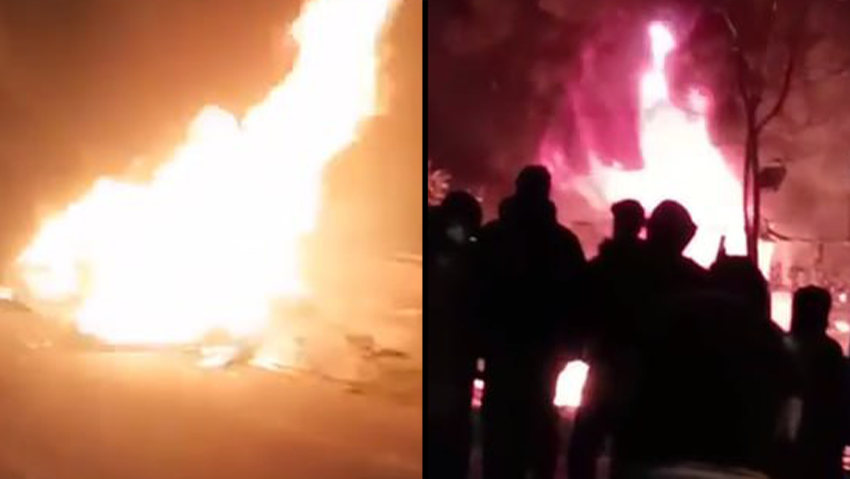
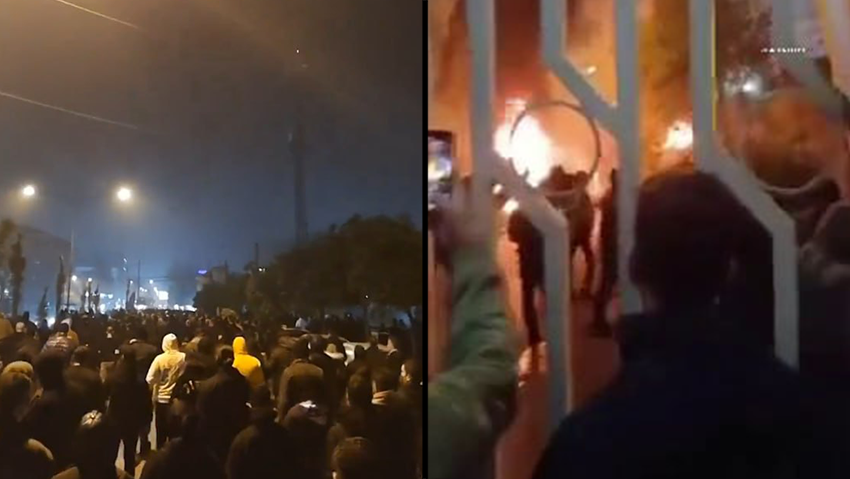
According to the group, more than 2,000 people have been arrested across Iran since demonstrations erupted late last month in Tehran’s Grand Bazaar and quickly spread nationwide. Wednesday marked the deadliest day of the unrest so far, with 13 protesters reportedly killed. Iranian state media and authorities have confirmed at least 21 deaths, including members of the security forces.
Trump also commented on Reza Pahlavi, the exiled son of Iran’s deposed shah, saying he "seems like a nice guy," but added that it would not be appropriate for him, as president, to offer formal support at this stage.
Protests in Iran
The comments came as protests erupted again across Iran, following a call by Pahlavi for citizens to demonstrate at 8 p.m. local time (6:30 p.m. Israel time). He called on Iranians to join the protests by shouting slogans from their windows and rooftops.
In a statement, Pahlavi warned the regime against suppressing the protests, saying the world—and Trump—was watching closely. “To the great nation of Iran, the eyes of the world are upon you,” he said. “Take to the streets in unity and voice your demands. I warn the Islamic Republic, its leader and the Revolutionary Guards: the world and President Trump are closely following your actions. Repressing the people will not go unanswered.”
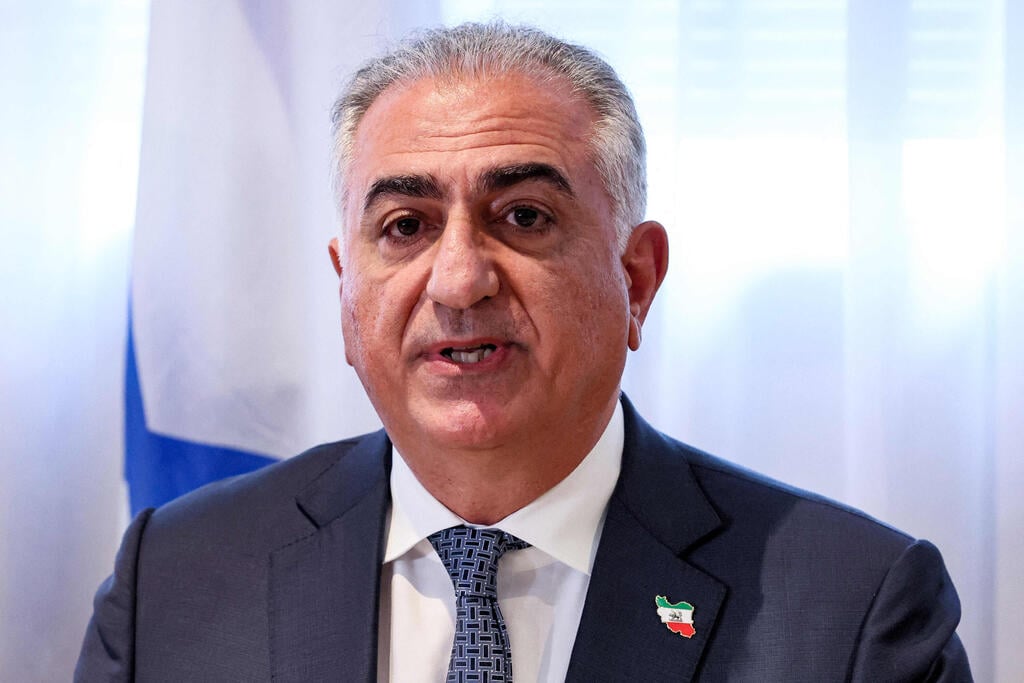
Iranian Crown Prince Reza Pahlavi
(Photo: AFP)
Protesters in several Tehran neighborhoods chanted anti-regime slogans, including "Death to the dictator" and "Death to the Islamic Republic." Supporters of Pahlavi shouted, "This is the final battle! Pahlavi will return!" Opposition outlet Iran International claimed that millions have taken to the streets and published videos appearing to show large crowds in the streets and, in some areas, chants in support of Pahlavi.
According to the Associated Press, hundreds took to the streets in Tehran, with demonstrations reported in other cities including Rasht, Damghan, Kerman, Qom, Qazvin, Mashhad and Lahijan.
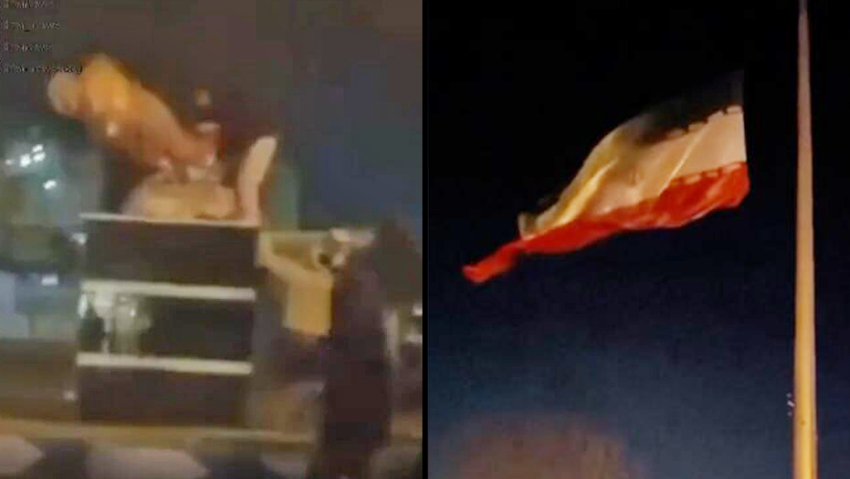
Protesters taking down the Iranian flag in Mashhad
President Masoud Pezeshkian urged restraint in response to the unrest. “Protesters must be treated with tolerance, and all forms of violence against them must be avoided,” he said. “The people’s demands must be heard.”
In the central city of Isfahan, demonstrators torched a state television building. In Tehran, they set fire to police motorcycles and a billboard featuring Qasem Soleimani, the revered commander of the Quds Force who was killed in a U.S. airstrike in 2020. Protesters in the capital also burned images of Supreme Leader Ayatollah Ali Khamenei.
Protests in Mashhad, Iran
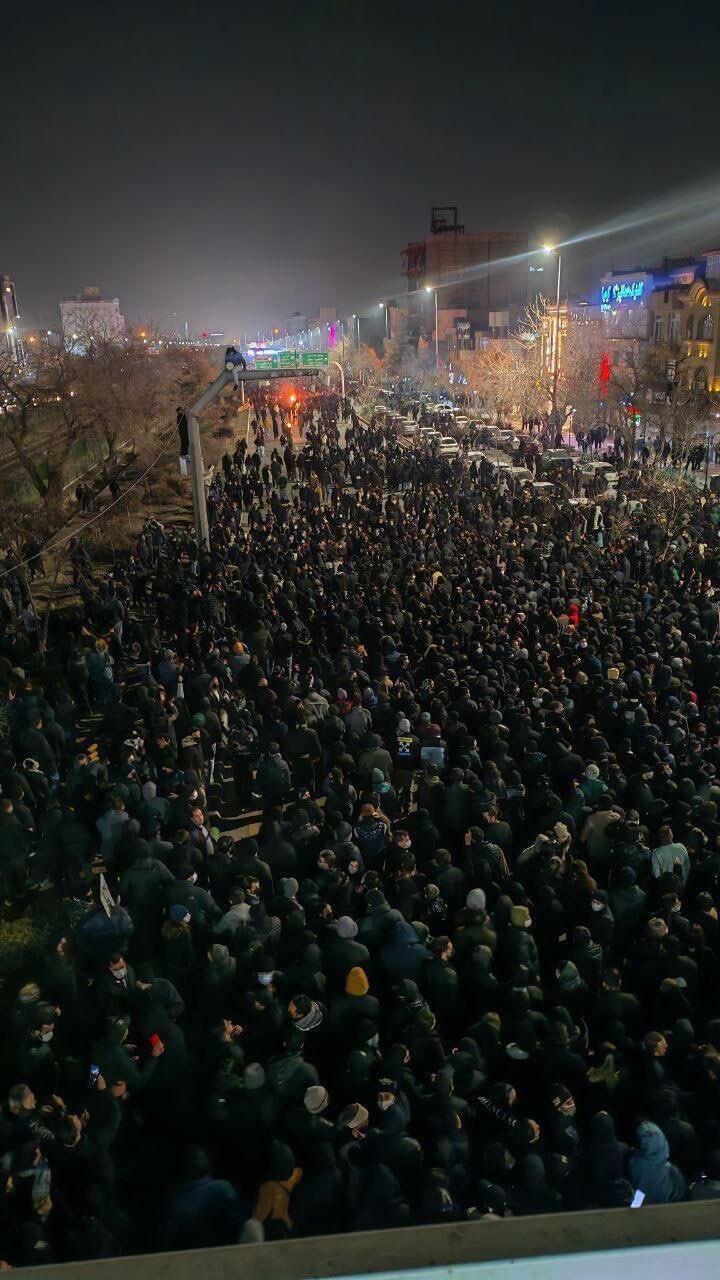
Protests in Mashhad, Iran
In Ahvaz, demonstrators burned images of both Khamenei and his predecessor, Ayatollah Ruhollah Khomeini, founder of the Islamic Republic. In Khorramabad, protesters torched the governor’s office and raised the pre-1979 flag of Iran, used during the era of the Shah, in the city’s central square. In Gorgan, demonstrators reportedly set fire to the governor’s building as well.
The protests have now reached cities and towns in all of Iran’s provinces, though they have not yet disrupted daily life in Tehran to the extent seen in past waves of unrest. Still, the government has taken aggressive steps to suppress the demonstrations. On Thursday, internet monitoring group NetBlocks reported a nationwide internet shutdown, part of what activists say is a broad attempt by the regime to block communication and stifle coordination among demonstrators. The Associated Press reported that phone lines were also down.
Protesters raise the pre-1979 flag of Iran
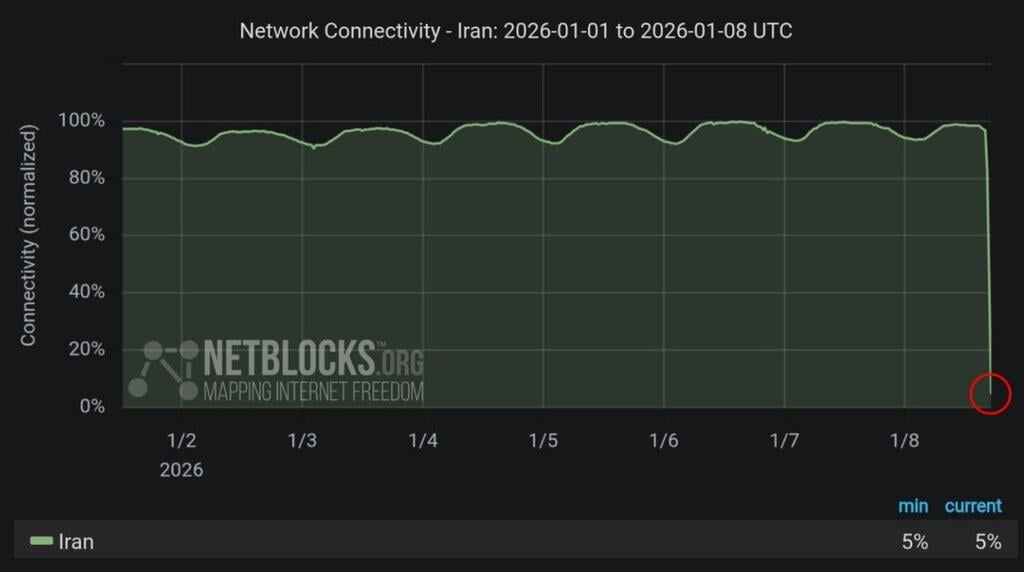
Internet down in Iran
This is the first major wave of protests since the end of Iran’s 12-day war with Israel and the most significant since the 2022 hijab protests, which saw widespread participation following the death of a young woman in police custody. As with previous movements, the current protests lack clear leadership.
Regime media in denial
Iranian state media downplayed the scope of protests following Pahlavi's call, describing public turnout as minimal despite widespread online activity.
The semi-official Fars news agency reported Thursday that while social media saw extensive calls to demonstrate, street gatherings in Tehran were "limited and scattered." The report said protesters in parts of the city chanted slogans such as “Death to the dictator” and “Pahlavi will return,” but claimed the overall public response was “very limited,” pointing to what it called a significant gap between online enthusiasm and real-world participation.
Meanwhile, reports of violence emerged from several provinces. Iranian media said two members of the Islamic Revolutionary Guard Corps (IRGC) were killed in clashes with “separatist elements” in the western city of Kermanshah. Footage aired by Iran International showed individuals lying on the ground, with claims that security forces had opened fire on demonstrators. Two deaths were reported, though it was not confirmed whether the victims were IRGC personnel.
Elsewhere, Tasnim, a news agency aligned with the regime, released a video purportedly showing protesters assaulting a security officer in Qazvin. The judiciary-run Mizan news outlet reported that a police officer was fatally stabbed in a town near Tehran. Fars also claimed that armed attackers killed two security personnel and wounded 30 others in a shooting in the city of Lordegan. State television reported a police station in Khorasan Razavi province was attacked the previous night, leaving five people dead.
“The momentum is very strong, and Trump’s support is the most important factor," Beni Sabti, an analyst with the Iran program at the Institute for National Security Studies, told ynet. "If the Revolutionary Guards don’t intervene, this could escalate, but not overnight. It will take more time. Only a few tens of thousands led the [1979] revolution too. Trump’s statements are the most critical.”
First published: 19:45, 01.08.26