

Four days after tens of thousands of migrants crossed from Morocco into the Spanish enclave of Ceuta in North Africa without authorization, thousands remain in the city and local authorities are struggling to cope, Ceuta officials acknowledged Monday.
Over the weekend, in what appeared to be an attempt to deflect criticism, Spain’s government announced that the vast majority of those who entered Ceuta on Thursday had already been returned to Morocco. It has now emerged, however, that the minority who remained is itself extremely large — enough under ordinary circumstances to trigger a major security and diplomatic crisis.
The mass crossing from Morocco into Ceuta, Spain
(Video: Reuters)


Gallery
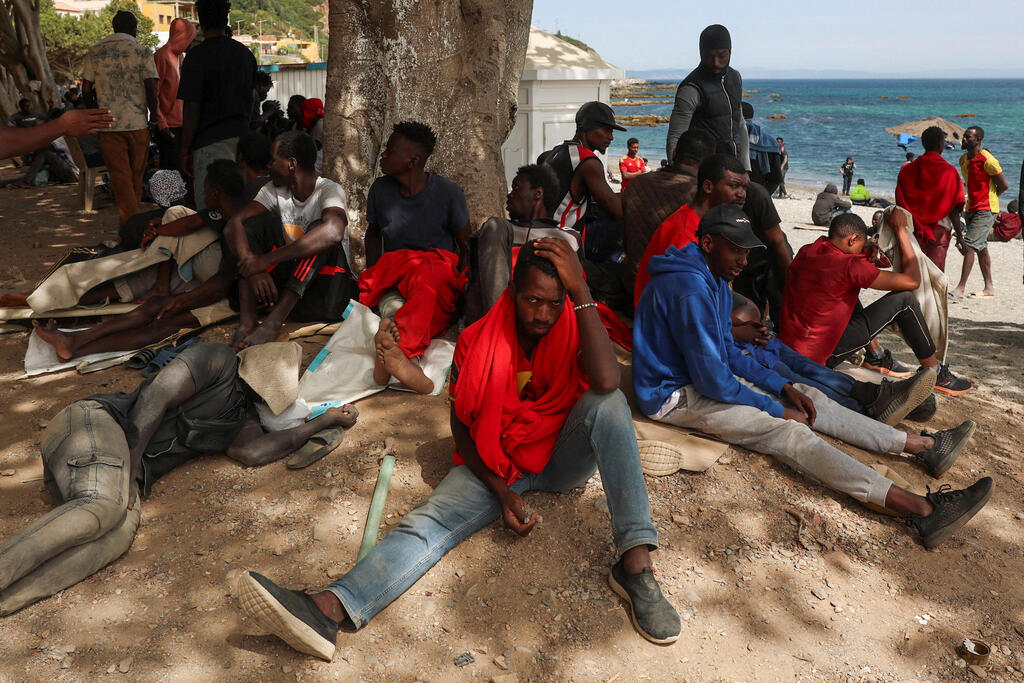
Migrants from Morocco wait on the beach in Ceuta on Monday as reception centers reach capacity
(Photo: REUTERS/Violeta Santos Moura)
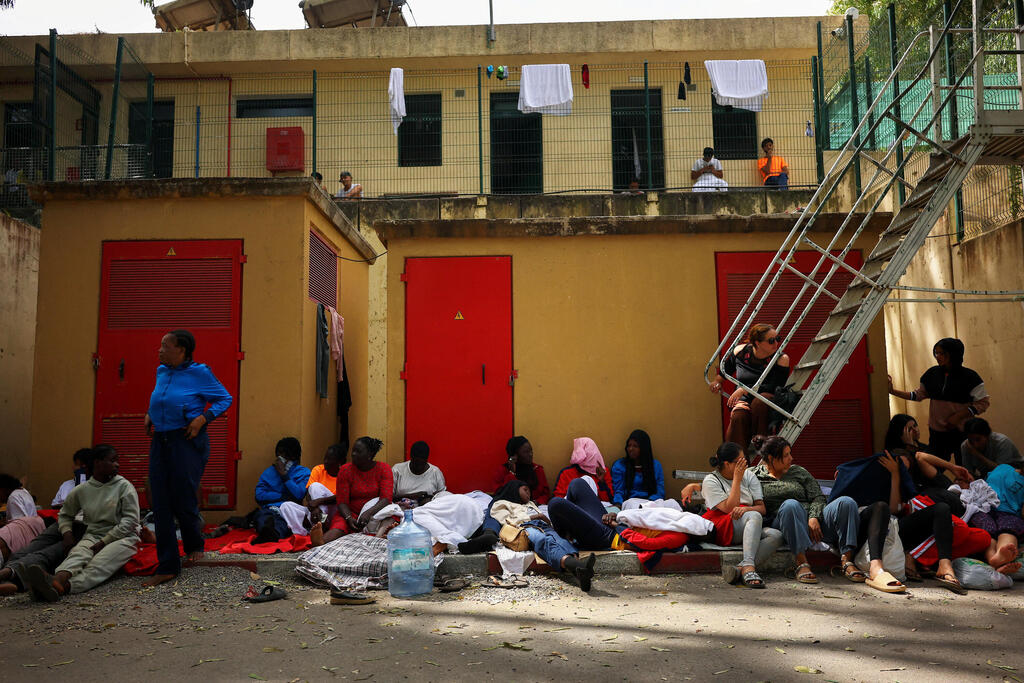
Near an overcrowded migrant reception center in Ceuta on Monday
(Photo: REUTERS/Pedro Nunes)
On Friday, a day after the mass crossing, Spain acknowledged that about 50,000 migrants had entered Ceuta, not the 2,000 to 3,000 initially reported. Now it appears that even the revised figure did not reflect the true scale of the rush across the border.
According to the latest figures from Spanish authorities, about 69,500 migrants returned to Morocco over the past four days, in addition to 3,000 to 5,000 who entered Ceuta and remain there. That means as many as nearly 75,000 migrants may have crossed.
The official death toll stands at 83 — 72 on the Spanish side of the border and 11 on the Moroccan side. Some drowned while trying to reach Spain, while others were crushed in the chaos.
Ceuta is one of two Spanish enclaves in North Africa that border Morocco. The other is Melilla. Their borders with Morocco are the European Union’s only land borders with Africa, making them attractive destinations for migrants from Morocco and sub-Saharan Africa seeking to enter the bloc on foot or by a short swim rather than by making long and dangerous journeys across the Mediterranean.

Migrants celebrate after crossing into Spanish territory last Thursday
(Photo: AP Photo/Antonio Sempere)
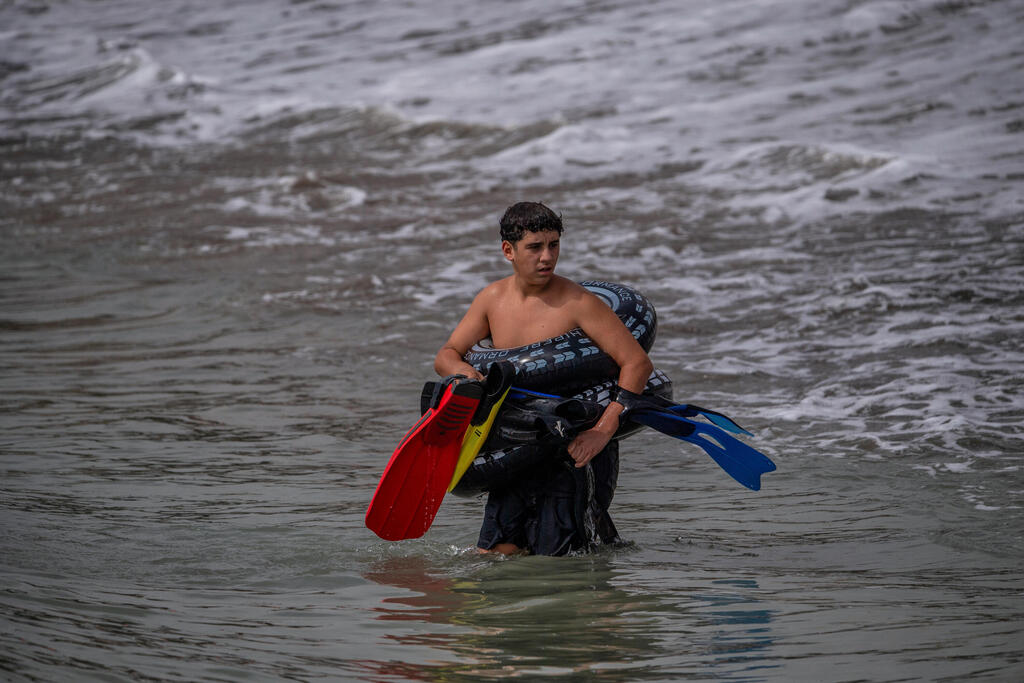
Migrants arrived with inner tubes, flippers and other flotation devices; one of the migrants on Thursday
(Photo: AP Photo/Antonio Sempere)
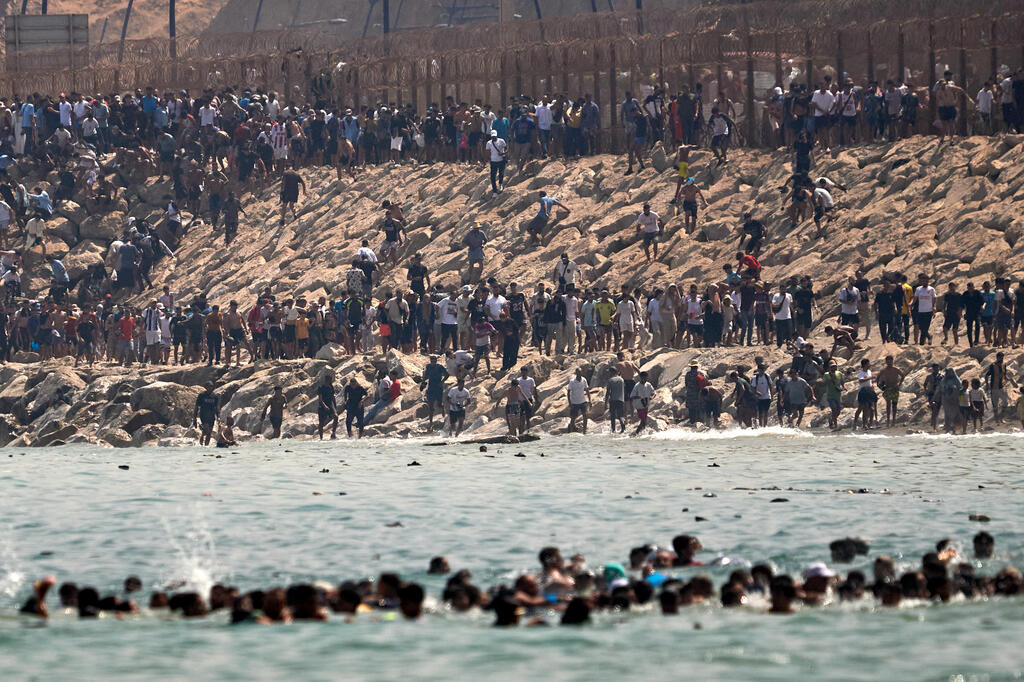
Crowds rush the border with Ceuta four days ago
(Photo: AP Photo/Antonio Sempere)
Ceuta’s border with Morocco is 8 kilometers, or about 5 miles, long, while Melilla’s stretches for 12 kilometers, or about 7.5 miles. Both are protected by wire fences, cameras and watchtowers, but large-scale crossings still occur every few years. In May 2021, for example, more than 8,000 migrants entered Ceuta without authorization over two days.
Migrants seeking to enter the enclaves do so by climbing the fences, swimming along the coast or hiding in vehicles authorized to cross the border. Once they reach Ceuta or Melilla, they generally undergo a formal status review that could allow them to remain in Spain and eventually begin a new life there.
According to reports from Spain, most of the migrants who reached Ceuta around Thursday and over the weekend arrived by sea, using inner tubes, flippers and other flotation devices. Another group broke through a gate in the land border fence and ran deeper into the enclave. They were seen waving in celebration, chanting “Viva España!” and shouting, “Goodbye, Morocco!”
Migrant centers overwhelmed, 862 minors cannot be deported
Many of the migrants who returned to Morocco in recent days said they did so because shops in Ceuta had closed amid the unrest, leaving them without food. They also encountered hostility from local residents and were unable to travel onward into mainland Spain.
Many others, however, chose to remain in Ceuta. On Monday, hundreds set up a camp on the beach. Many wrapped themselves in towels to protect against the wind as military vehicles and police patrols watched nearby.
Arriving by sea, breaching the fence: The rush into Ceuta
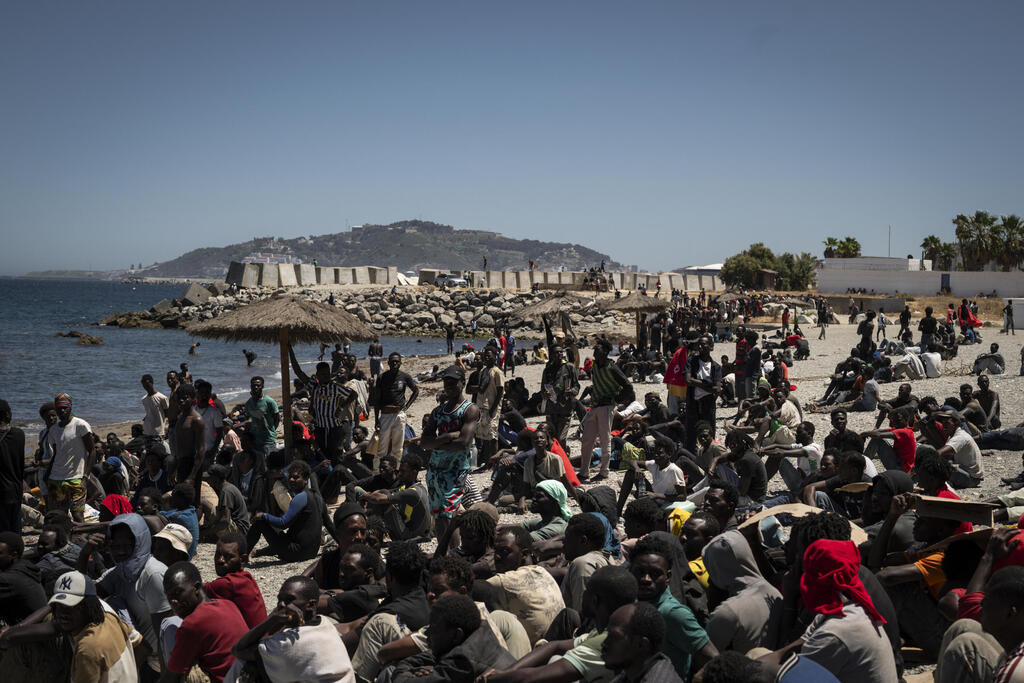
Crowds of migrants on the beach in Ceuta
(Photo: Adri Salido/Getty Images Europe)
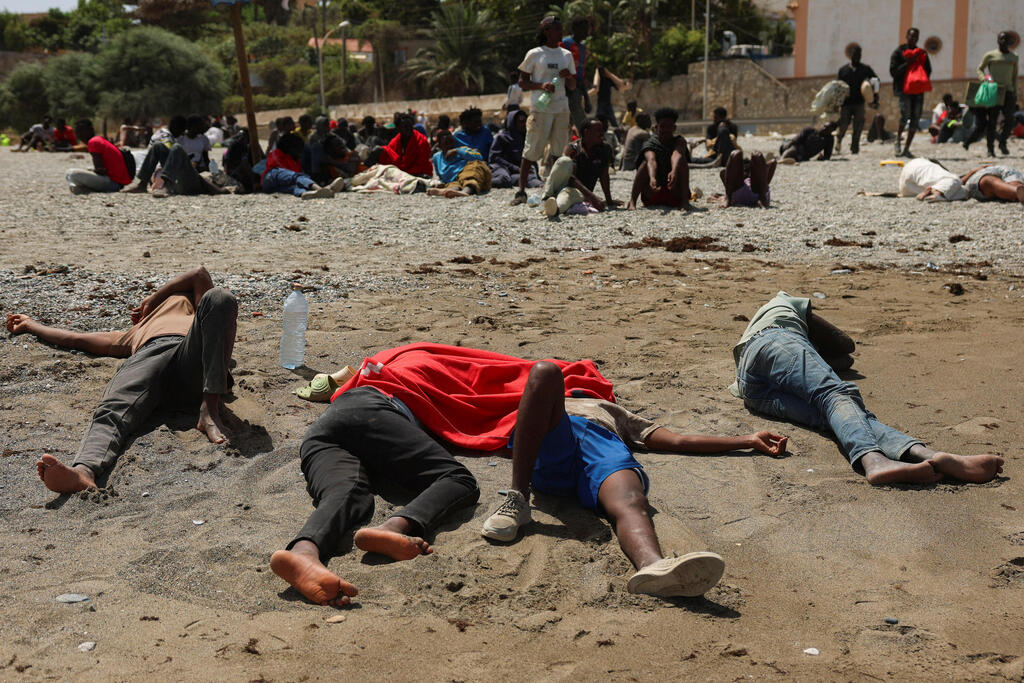
(Photo: REUTERS/Violeta Santos Moura)
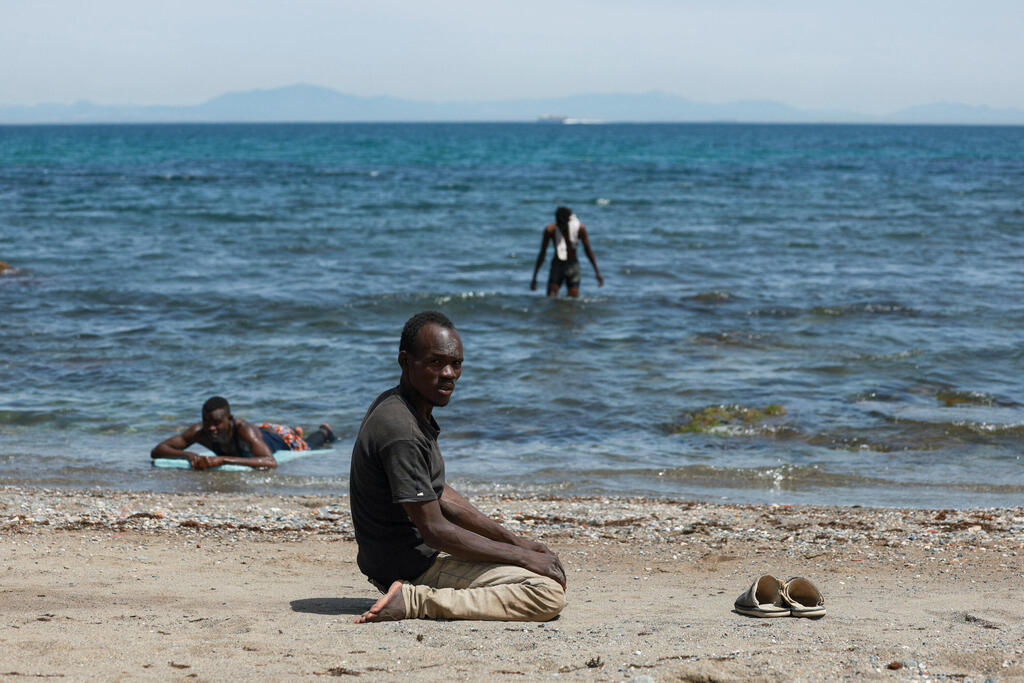
A migrant who arrived from Morocco prays on the sand in the Spanish enclave
(Photo: REUTERS/Violeta Santos Moura)
Ceuta’s president, Juan Jesús Vivas, told the Telecinco television network Monday that the city’s two migrant reception centers — one for adults and one for minors — had collapsed under the pressure.
Local authorities said they were caring for 862 migrant minors who, because of their age, are legally protected from deportation and cannot be returned to Morocco.
The mass crossing has continued to reverberate across Europe. Several right-wing governments have sharply criticized Spain, which, like their countries, belongs to the European Union and the passport-free Schengen Area.
Many center-right and far-right leaders suggested or explicitly alleged that a plan announced by Spain’s socialist prime minister, Pedro Sánchez, to regularize the status of more than half a million migrants living in the country without authorization encouraged others to enter Spain illegally. They argued that the policy also endangered their own countries because travelers arriving from Spain can cross their borders without routine checks.
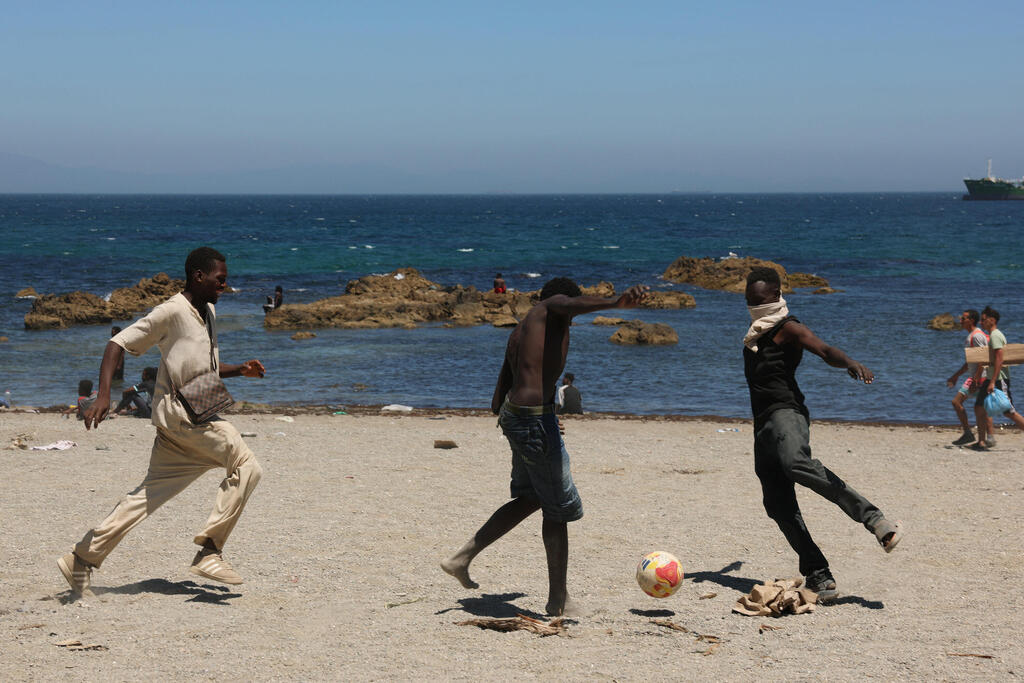
Playing and sleeping on the beach in Ceuta
(Photo: REUTERS/Violeta Santos Moura)
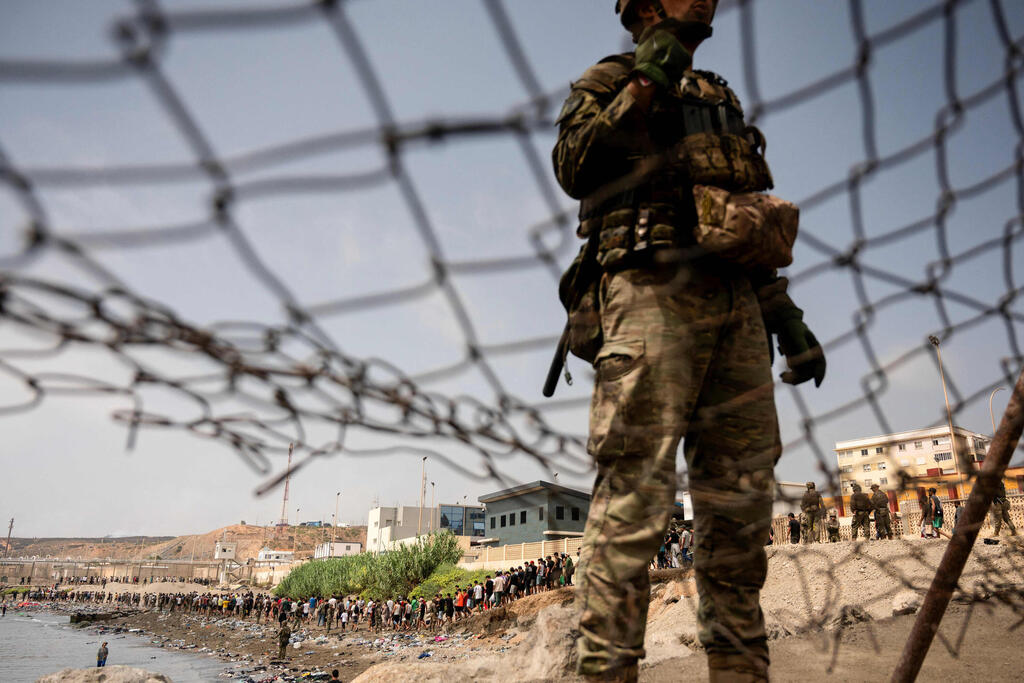
Military personnel and patrol officers look on; security forces in Ceuta
(Photo: JORGE GUERRERO / AFP)
Spanish Foreign Minister José Manuel Albares repeated Madrid’s position Monday, saying that just as Spain had supported other EU countries during previous migrant crises, it now expected their support.
The European Union announced an emergency meeting of European interior ministers to discuss the crisis. The meeting was scheduled to be held Tuesday by video conference.
European Commission President Ursula von der Leyen, who heads the EU’s executive branch, sent Sánchez a letter saying the bloc must do more to strengthen its external borders at critical points.
Madrid says Morocco helped, Ceuta leader says it cannot be trusted
Albares sharply criticized the right-wing government of Italian Prime Minister Giorgia Meloni, which announced over the weekend that it was suspending the Schengen agreement with Spain. He accused Rome of helping spread misinformation about the crisis.
Amid speculation that Morocco had deliberately allowed large numbers of migrants to cross the Spanish border — as it has been accused of doing in the past — possibly in retaliation for a recent warming of relations between Spain and Morocco’s historic rival Algeria, Albares stressed that Rabat had immediately offered police assistance in handling the migrants.
He said Morocco had placed no conditions on its cooperation with Madrid and that its actions had enabled the rapid return of most of those who crossed into Spain.
After the mass crossing into Ceuta: Thousands of migrants returned from the Spanish enclave to Morocco
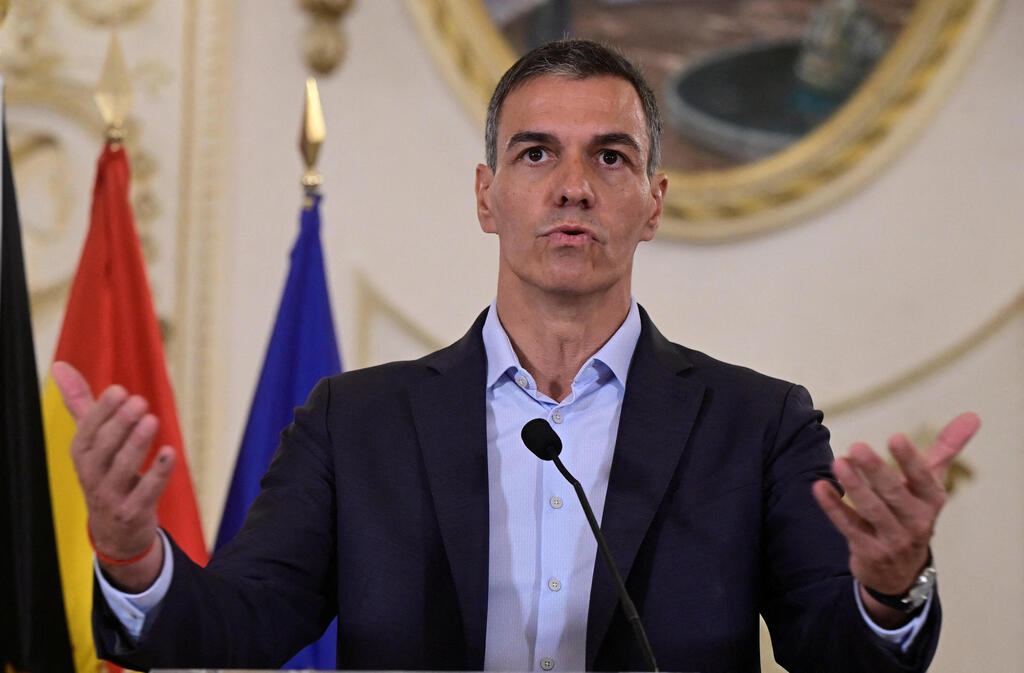
Spanish Prime Minister Pedro Sánchez
(Photo: REUTERS/Fabian Bimmer)
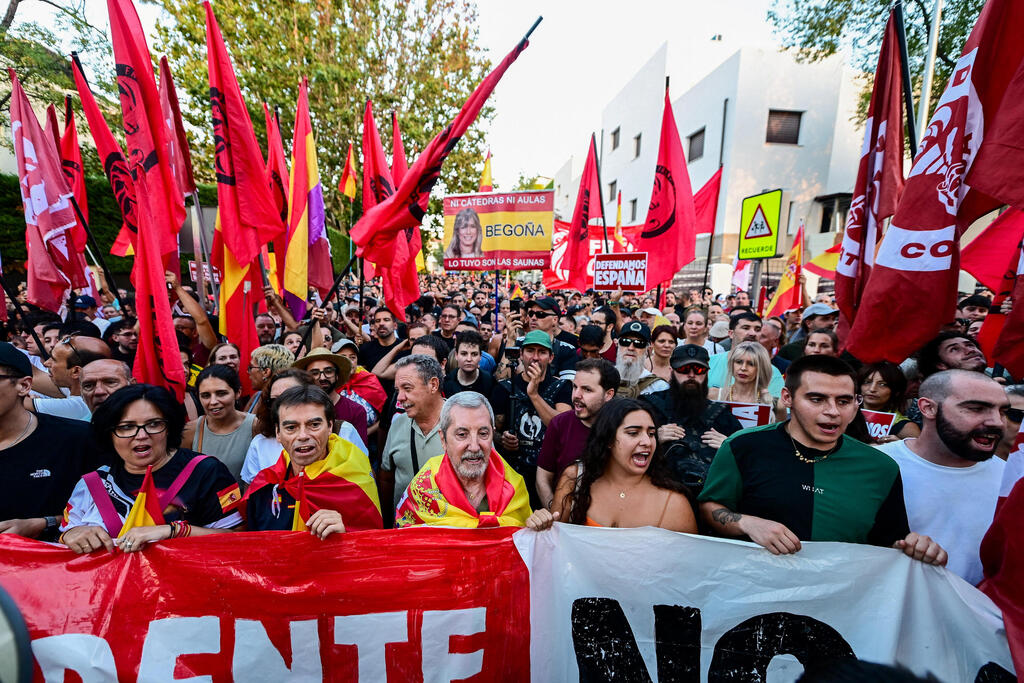
Right-wing activists protest against the government in Madrid following the mass crossing into Ceuta
(Photo: REUTERS/Juan Barbosa)
Vivas, however, was more critical of the Moroccan authorities. He said many in Ceuta believed Rabat had allowed the crisis to happen and may even have initiated it. In an interview with El País, he said Morocco had demonstrated that it could not be trusted and that all necessary measures should be taken to prevent a recurrence.
Morocco’s Interior Ministry said Sunday that false information circulating on social media about the border supposedly being opened, along with a misunderstanding of a Spanish Supreme Court ruling last month barring the immediate return to Morocco of migrants arriving by sea, had caused the surge.
The ministry denied that Morocco had organized the crossing.
Spanish media reported that the country’s intelligence services had concluded that Morocco did not organize the mass crossing but allowed it to happen.
According to the reports, Moroccan border controls were gradually eased during July and were apparently lifted as crowds moved toward the Tarajal crossing on Morocco’s Throne Day.
Spanish Defense Minister Margarita Robles declined to say whether the National Intelligence Center had received advance warning of the mass crossing, but praised the “outstanding” work of Spanish security forces.