

The Spanish government announced Thursday evening that it will send military forces to the border with Morocco in the North African enclave of Ceuta in order to restore order there, hours after thousands of migrants breached the border and entered Spanish territory by force.
Almost simultaneously, sources told Reuters that the Italian government is considering suspending the Schengen agreement between Italy and Spain, the pact that allows movement between the two countries without border checks or passport inspections. The development reflects the concern and anger among European right-wing governments, including Italy’s, over the way Spain is handling the issue of illegal migration.
Thousands of migrants breached the border and entered Spanish territory by force
(Credit: Reuters)


Earlier Thursday evening, AFP reported that its correspondent in Morocco saw hundreds of people making their way toward the border with Ceuta, possibly ahead of another attempt to cross overnight or in the morning.
Ceuta is one of two Spanish enclaves located in North Africa and bordering Morocco, the other being Melilla. The borders between the two enclaves and Morocco are the European Union’s only land borders with Africa, making them a sought-after destination for migrants from Morocco and sub-Saharan Africa seeking to enter the EU on foot rather than through dangerous journeys across the Mediterranean.
Ceuta’s border with Morocco is 8 kilometers long, while Melilla’s is 12 kilometers long. Although both are equipped with barbed-wire fences, cameras and watchtowers, major breaches and infiltration attempts still occur every few years. In May 2021, for example, more than 8,000 migrants crossed into Ceuta illegally within two days.


The migrants who entered shouted 'Viva España' and 'Goodbye Morocco, hello Spain!'
(Photo: AP Photo/Antonio Sempere)
Migrants attempting to enter the two enclaves do so by climbing fences, swimming along the coast or hiding inside vehicles that cross the border legally. Once they reach Ceuta or Melilla, they undergo a formal status assessment process that may allow them to remain in Spain and eventually begin a new life there.
Coming from the sea, breaking through fences: the assault on Ceuta
According to Spain’s state broadcaster TVE, between 2,000 and 3,000 migrants entered Ceuta illegally on Thursday, most of them by sea and others by land. Videos filmed at Tarajal Beach, the focal point of the incident, showed large groups of people, mostly Moroccans, walking around the breakwater and running along the beach and paths toward Ceuta. Others were seen reaching the Spanish side of the coast using inner tubes and other flotation devices.
Between 2,000 and 3,000 migrants entered Ceuta illegally on Thursday, most of them by sea
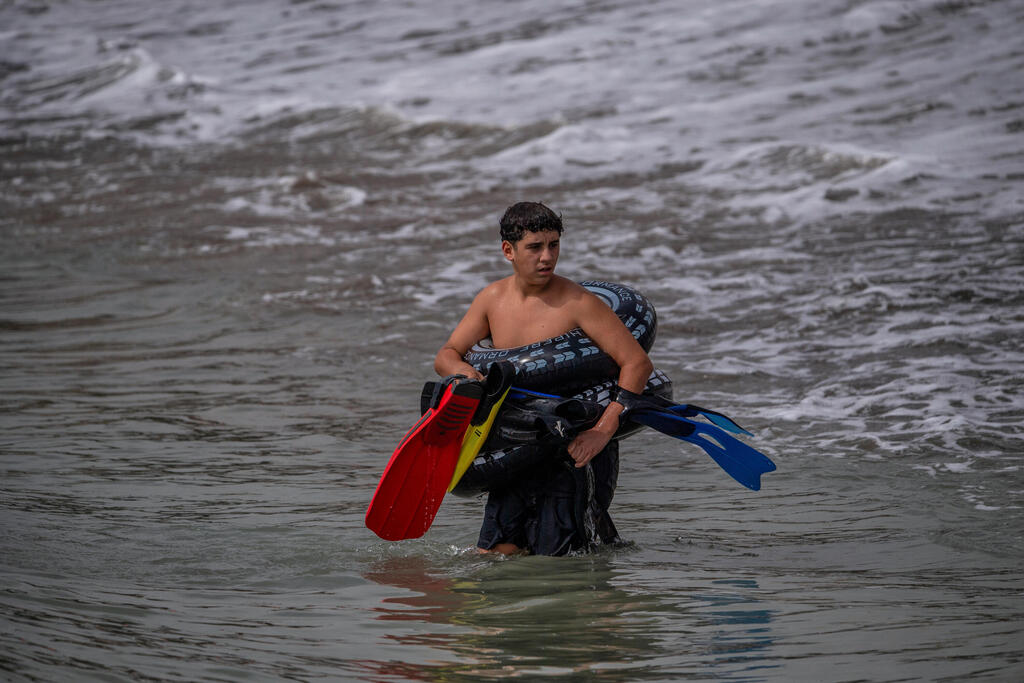
Between 2,000 and 3,000 migrants entered Ceuta illegally on Thursday, most of them by sea
(Photo: AP Photo/Antonio Sempere)
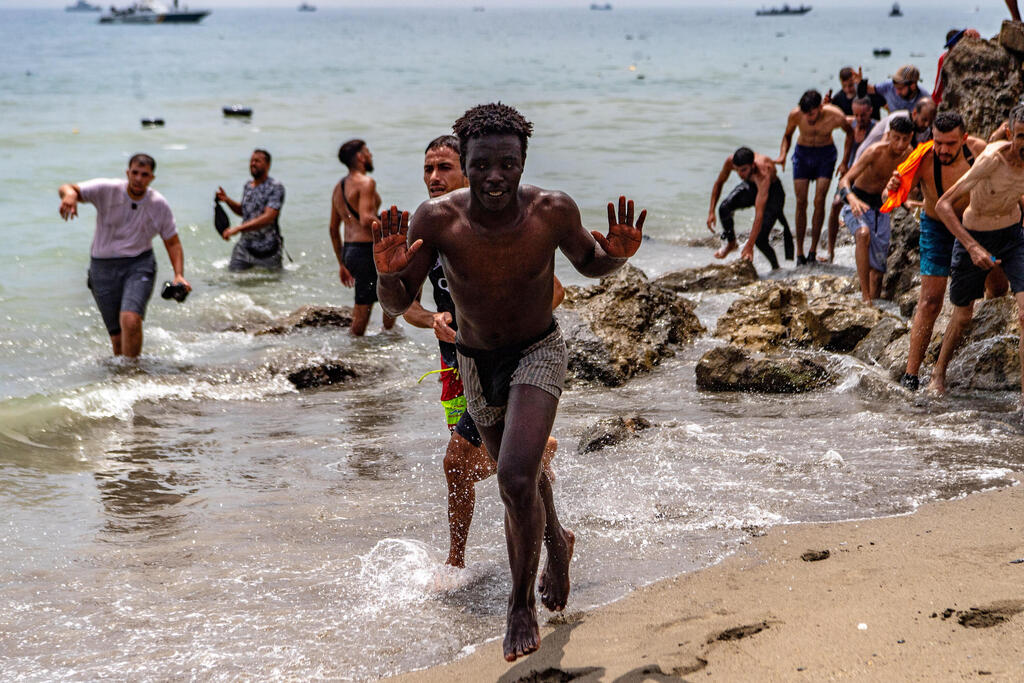
(Photo: AP Photo/Antonio Sempere)
AFP reported that the beach was littered with flotation devices, flippers and wetsuits. Another group of migrants broke through a gate in the land border fence and ran deep into the enclave.
Although most of those who breached the border appeared to be young men, families with women and children were also seen among them. Some shouted “Viva España!” (“Long live Spain!”), while others called out: “Goodbye Morocco, hello Spain!”
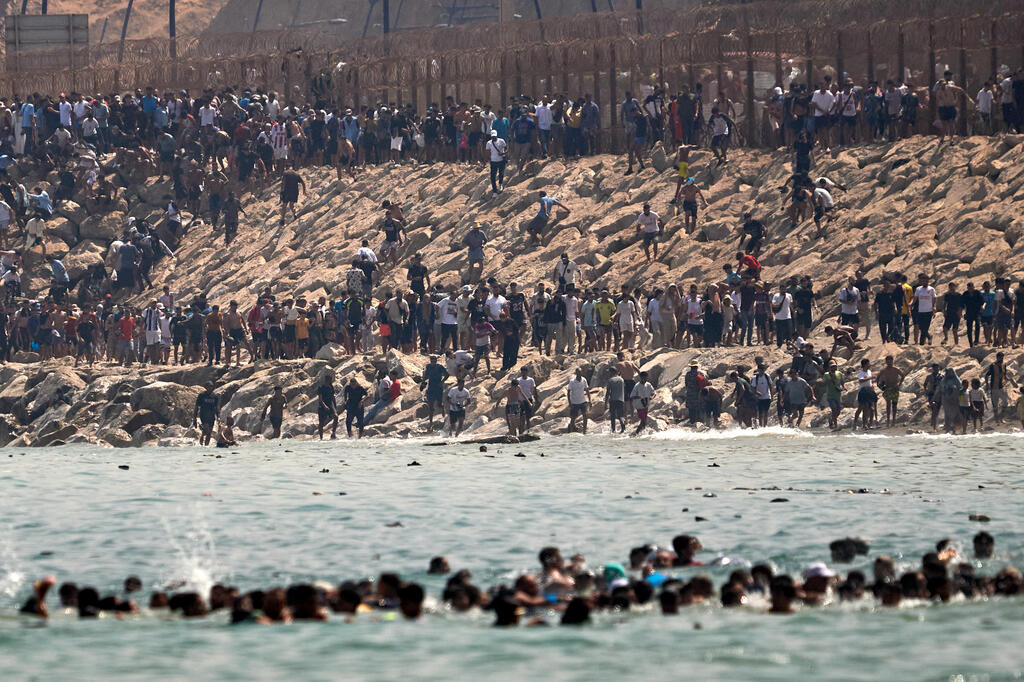
The beach was littered with flotation devices, flippers and wetsuits
(Photo: AP Photo/Antonio Sempere)
According to reports, the border fence was not secured by police during the breach and the Moroccan auxiliary security force responsible for the area withdrew.
Rachid Sbihi, head of the association that represents Spain's Civil Guard officers in Ceuta who guard the border, told The Associated Press Thursday evening: “The situation is absolute chaos. It’s not possible to give precise numbers, but there are thousands of migrants crossing,” he said, adding that the border had “totally collapsed.”
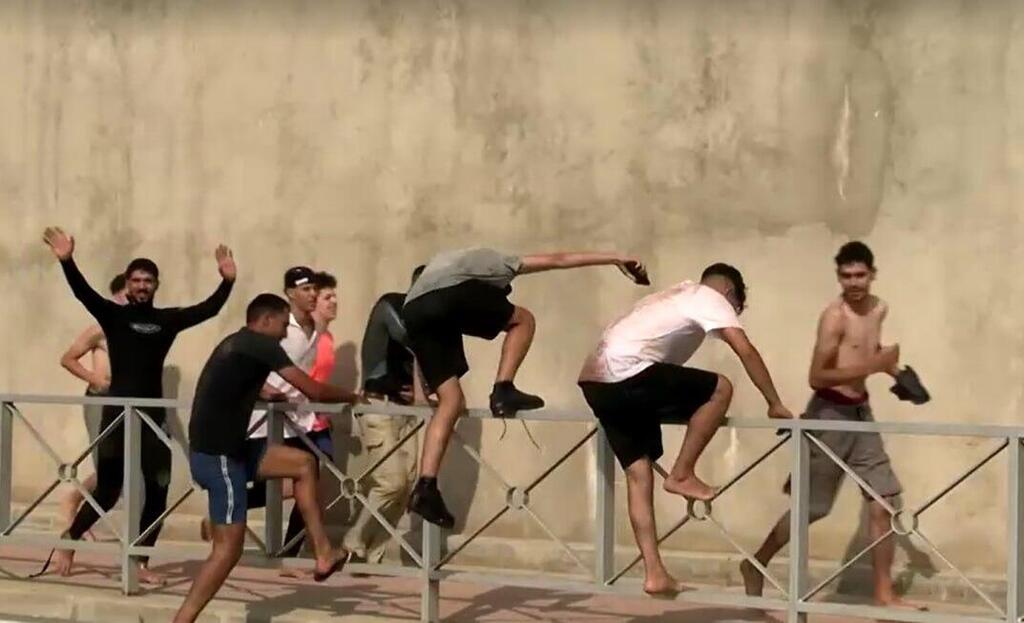
(Photo: Reuters)
The mass crossing also claimed lives. Spanish authorities announced Thursday evening that nine migrants drowned while attempting to reach Ceuta’s shores.
Suspected trigger: Supreme Court ruling encouraged sea crossings
The major breach came after more than 1,500 illegal migrants had already entered Ceuta over the past week by swimming across the sea.
Juan Jesús Vivas, head of Ceuta’s regional government, warned Wednesday that migrant reception centers in the enclave were overwhelmed and that hundreds of people were sleeping in the streets. He declared a “complete humanitarian and social emergency” and said facilities for unaccompanied minors were operating at 2,400% capacity.

The major breach came after more than 1,500 illegal migrants had already entered Ceuta over the past week
(Photo: Reuters)
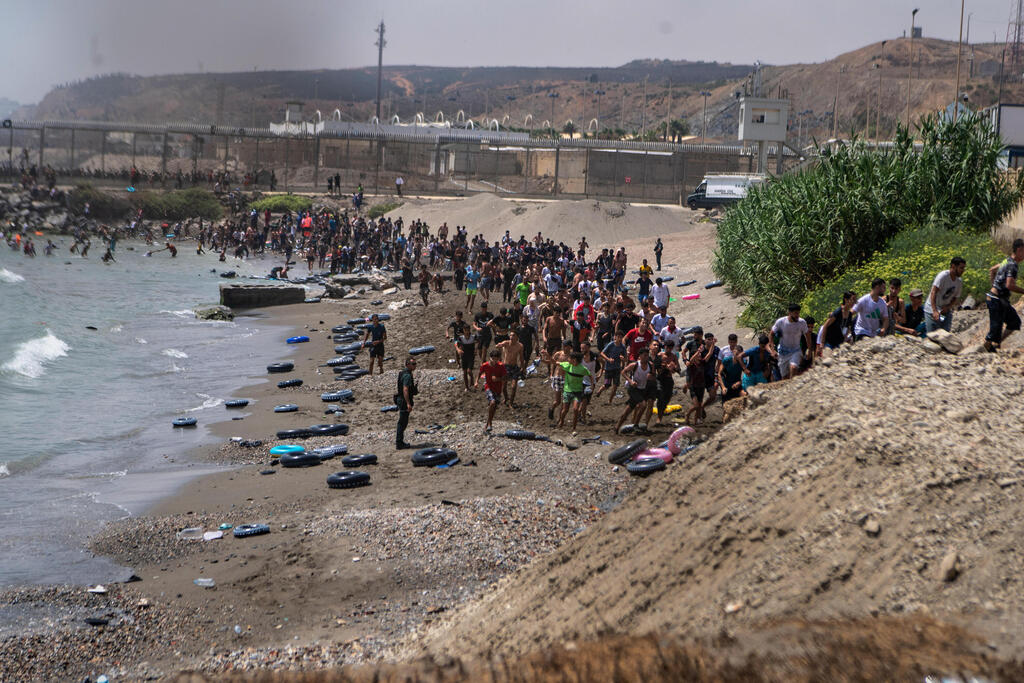
(Photo: AP Photo/Antonio Sempere)
After Thursday afternoon’s mass breach, Vivas appealed to the central government in Madrid to declare a national emergency, requested reinforcements for police forces and called for the army to be deployed along the border.
The Spanish government said Thursday evening that the armed forces would assist the Civil Guard in “maintaining security in Ceuta.” It also said Prime Minister Pedro Sanchez would join Interior Minister Fernando Grande-Marlaska during a planned visit there Friday.
The Interior Ministry said that while it would work to ensure citizens’ safety and the integrity of Spain’s borders, the government could not declare the national emergency requested by local authorities.
Tensions among Ceuta’s 85,000 residents were already evident after news of the breach spread. Many local shop owners closed their businesses following the mass arrival of migrants.
Enrique Serrano, who runs a women’s clothing store in central Ceuta, told Reuters that business owners were organizing to protect their property and families in case of possible unrest because they believe police forces would not be sufficient.
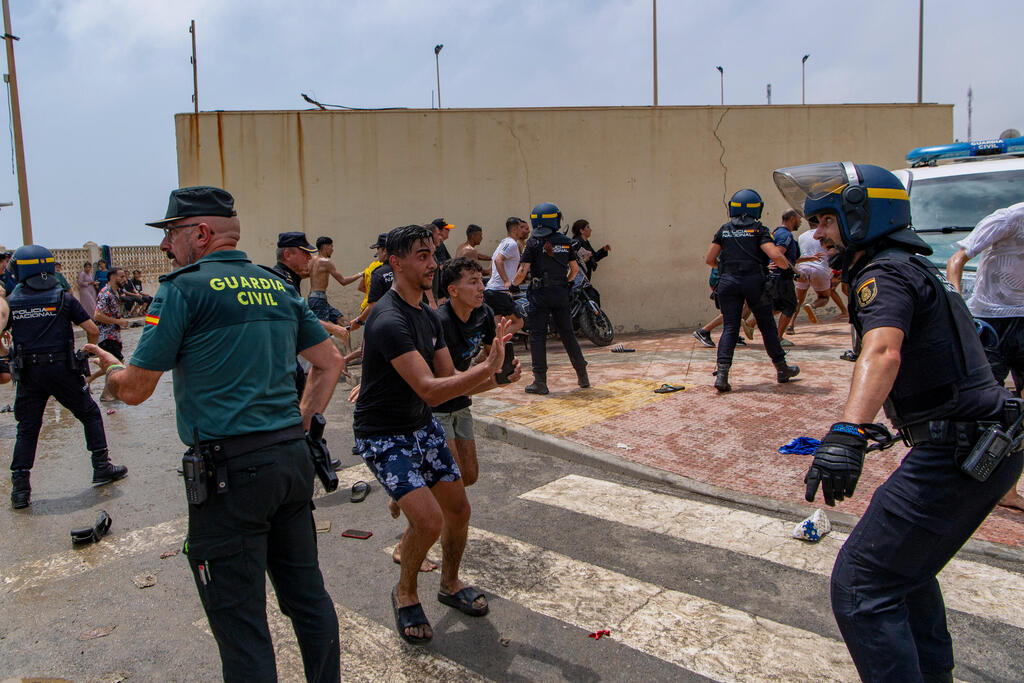
The armed forces would assist the Civil Guard in 'maintaining security in Ceuta'
(Photo: AP Photo/Antonio Sempere)
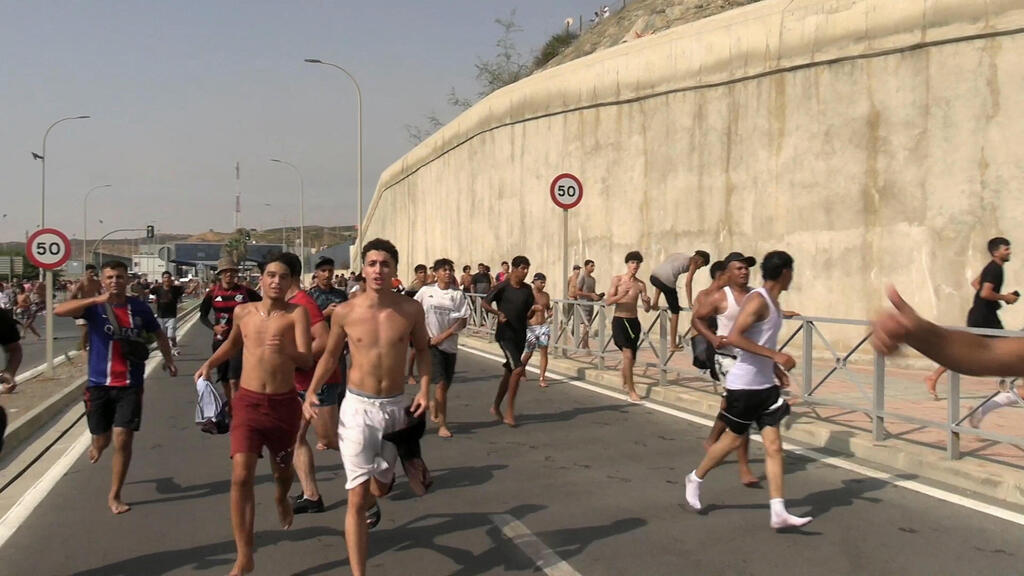
(Photo: FARO TV via REUTERS)
It remains unclear why the massive and sudden wave of crossings occurred now. Ceuta authorities recently linked the increase to a ruling by Spain’s Supreme Court earlier this month, which said migrants who reach the enclave by sea cannot be immediately returned across the border without due process. This differs from those who enter Spain by land, such as by climbing over the border fence.
However, some activists in Morocco questioned whether the ruling was behind the sudden surge, saying most migrants are not aware of such legal decisions.
During the previous major breach in 2021, when more than 10,000 illegal migrants entered Ceuta within several days, Morocco was accused of intentionally reducing border enforcement and allowing migrants to cross into Ceuta as retaliation for Spain allowing Brahim Ghali, leader of the Polisario Front, to receive medical treatment in a Spanish hospital.
That decision sparked a diplomatic crisis between Rabat and Madrid because the Polisario Front supports independence for Western Sahara, a disputed territory over which Morocco claims sovereignty. The movement has presented itself for decades as the territory’s legitimate representative.
Earlier Thursday, Spain’s Interior Ministry appeared to reject the idea that another diplomatic crisis had caused the renewed increase in crossings. It said the Moroccan government was “closely cooperating” with Spain in dealing with the situation and that Moroccan police were stopping many people attempting to cross the border.
The ministry added that the two countries had agreed to work together “for the return, as soon as possible, of all people who entered Ceuta illegally.”
Italy attacks Spain: 'Spain encourages human trafficking'
The images of thousands of migrants breaching the border from Morocco into Ceuta come at a particularly sensitive political moment, against the backdrop of Spanish Prime Minister Pedro Sanchez’s plan to regularize the status of hundreds of thousands of illegal migrants already living in Spain, allowing them to work legally.
Sanchez’s government announced the plan in April, and last month the prime minister said more than 1 million illegal migrants had registered. Most are expected to meet the requirements and receive the coveted approval.
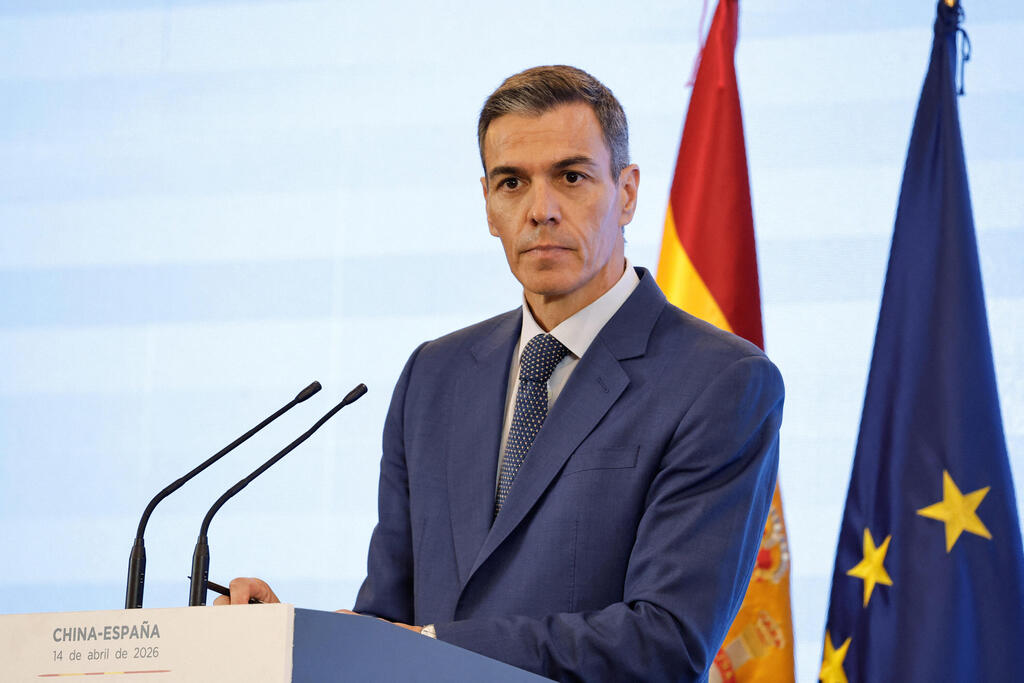
Spanish Prime Minister Pedro Sanchez. He plans to regularize the status of hundreds of thousands of illegal migrants already living in Spain, allowing them to work legally
(Photo: REUTERS/Tingshu Wang)
Sanchez presents the regularization program as a moral step that would bring justice to migrants currently working in Spain without official status, but also as an economic necessity that would help address labor shortages and deal with an aging population threatening Spain’s pension and welfare systems.
“When we condemn a person to being invisible, I believe we make our country a worse country, and we all lose,” Sanchez said.
Spain’s conservative opposition has sharply criticized the plan. Alberto Núñez Feijóo, leader of the center-right People’s Party, called it “inhumane, unfair and unreasonable,” arguing that it could place additional pressure on Spain’s infrastructure and worsen the country’s housing shortage.
Santiago Abascal, leader of the far-right Vox party, described the move as a “real invasion” and said it would change the character of Spanish society.
Meanwhile, the dramatic images from the Spain-Morocco border have angered officials in other European countries who fear the direct impact the breach could have on their own borders.
Italian Foreign Minister Antonio Tajani issued an unusually strong statement Thursday evening, saying he supports suspending Spain from the Schengen Area, the agreement that abolished border checks among the 29 European countries that participate in it and allows free movement between them without special approval.
Because Spain is part of the Schengen Area, migrants who enter the country illegally can in principle travel freely to other member states, including Italy and France.
“I support closing the Schengen Area to Spain,” Tajani wrote Thursday evening on X. The minister, a senior figure in Prime Minister Giorgia Meloni’s right-wing government, said he condemns “irregular and uncontrolled migration.”

Italy's Prime Minister Giorgia Meloni
(Photo: Tiziana FABI / AFP)
In his post, Tajani attacked Madrid’s policy, writing: “The images arriving from Ceuta show how the decision by the Madrid government to grant Spanish — and therefore European — citizenship to more than 500,000 illegal migrants encourages human trafficking.”
He was referring to the fact that many migrants reaching Europe’s borders do so with the help of human traffickers and smugglers who charge them large sums of money and, in many cases, subject them to severe abuse.
Italian Deputy Prime Minister Matteo Salvini also called on X for the suspension of the Schengen agreement and for Europe’s borders to be protected.
At the same time, sources in Meloni’s office told Reuters that Italy is indeed considering suspending the Schengen agreement with Spain in response to the migrant crisis in Ceuta.