

Iraq has given pro-Iran armed groups until Sept. 30 to surrender their weapons to the state, linking the deadline to the planned withdrawal of the U.S.-led international coalition from the country, Iraqi officials said.
The move is aimed at ending the existence of armed groups operating outside state control, although several of the most powerful Iran-backed militias have rejected the demand.
Gallery
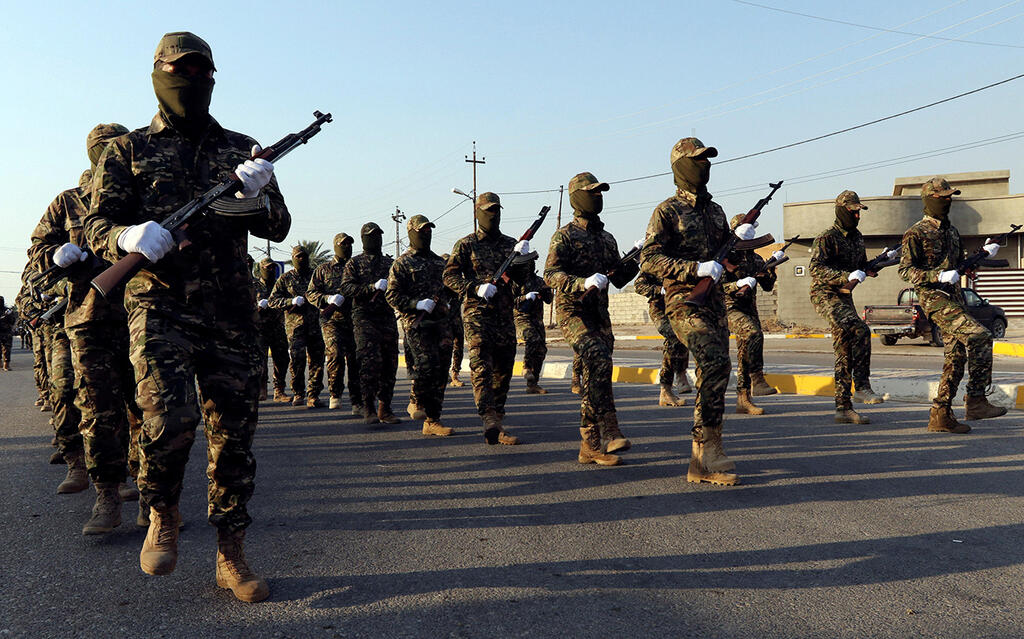
Members of the Popular Mobilization Forces (PMF), the umbrella organization of Iraqi militias formed in 2014 amid the rise of the Islamic State group
(Photo: Reuters)
Government spokesman Haider al-Aboudi said last week that all armed organizations had been formally notified of the deadline.
"All armed organizations have received notice of a specific date that will end this issue — September — when the presence of the international coalition will also come to an end," al-Aboudi told a news conference Monday.
He said any weapons remaining outside state control after that date would be dealt with under Iraqi law.
Prime Minister Ali al-Zaidi, who took office in late May, has also pledged to enforce the policy.
"The state's monopoly on weapons is not just a slogan," al-Zaidi said in remarks published in recent days. "It has already begun to be implemented, and we will continue this policy, especially as coalition forces complete their withdrawal on Sept. 30."
The announcements come ahead of al-Zaidi's expected visit to Washington later this month, his first foreign trip since taking office. The United States has long pressed Iraq's current and previous governments to dismantle or disarm pro-Iran militias operating in the country.
Several militias have agreed to comply, while others have refused. Among those rejecting the plan are the Iran-backed Kataib Hezbollah, Kataib Sayyid al-Shuhada and Harakat al-Nujaba. By contrast, Asaib Ahl al-Haq and Kataib Imam Ali have agreed to transfer command of their armed formations to the Iraqi government after years of operating under the umbrella of the Popular Mobilization Forces, or PMF.
The PMF was established in 2014 as an umbrella organization for predominantly Shiite armed groups fighting the Islamic State group. It was later incorporated into Iraq's official security apparatus, but several of its factions have continued to operate with significant autonomy, maintaining close ties to Iran and at times launching attacks against U.S. interests in Iraq and the wider region. Some of those attacks also occurred during the recent war with Iran.
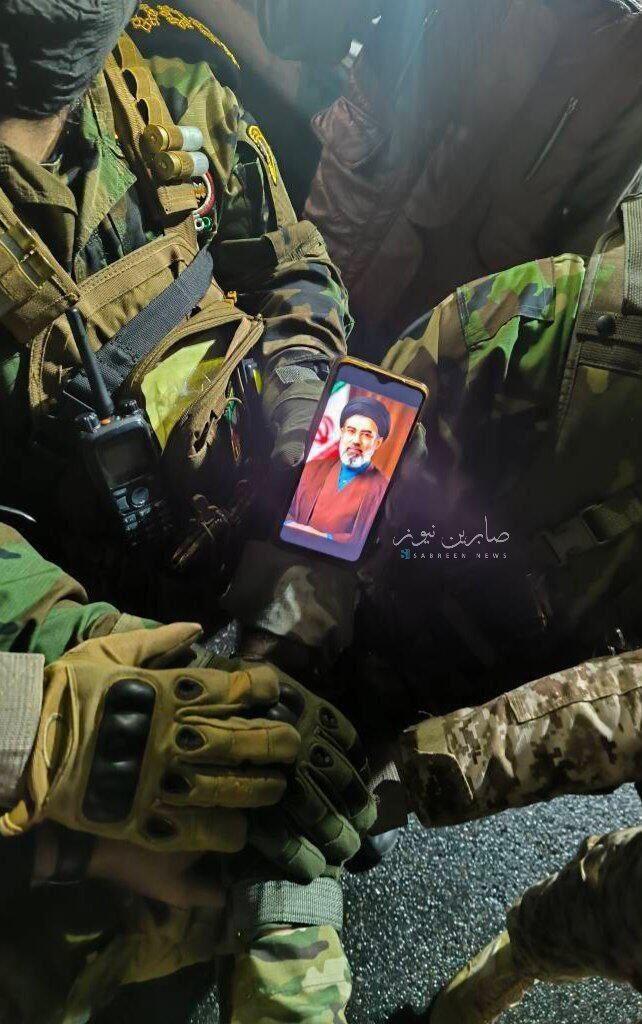
A member of an Iran-backed Iraqi militia holds a portrait of Iran's new supreme leader, Mojtaba Khamenei
In April, reports said the United States withheld about $500 million in cash intended for Iraq and suspended parts of its security cooperation with Baghdad in an effort to pressure the government over militia activities.
Washington has pushed Iraq to separate the militias from the PMF, place their weapons under state authority and reduce their political influence.
On June 2, Asaib Ahl al-Haq announced the formation of a committee to oversee its separation from the PMF and begin the process of placing its weapons under state control.
Iraqi Parliament Speaker Mohamed al-Halbousi welcomed the decision, saying that "building a strong and stable state requires strengthening constitutional institutions so they alone control military and security decision-making."
A source close to the militias told local media that Asaib Ahl al-Haq now views its political role and participation in government as more important than armed activity.
The Iraqi presidency also praised the decision.
The same day, Kataib Imam Ali announced it too would sever ties with the PMF and begin transferring its weapons to state control.
Al-Zaidi later met delegations from both groups and praised their leaders, Qais al-Khazali and Shibl al-Zaidi, for supporting the principle that only the Iraqi state should control weapons.
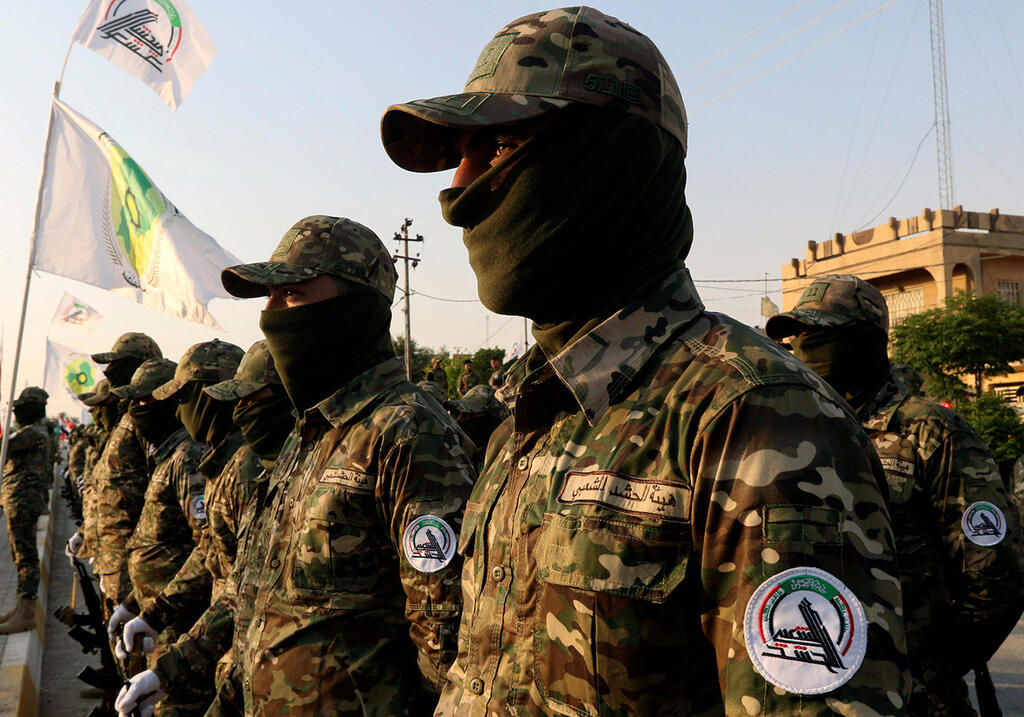
Members of the Popular Mobilization Forces
(Photo: Reuters)
He said a committee would oversee the process of separating the two militias from the PMF and integrating their armed forces under Iraqi command.
Other militias, including Saraya al-Salam, have also reportedly begun considering similar steps.
However, some of the most powerful Iran-backed groups remain firmly opposed.
Kataib Hezbollah declared earlier this month that it would not surrender "even a single bullet."
Firas al-Yasser, a commander in Harakat al-Nujaba, told Lebanon's Al-Akhbar newspaper that the militia viewed its weapons as ideological rather than political.
"The current circumstances are critical both domestically and regionally," he said. "There is clear American pressure against everyone who participated in the recent war."
He said Harakat al-Nujaba would not discuss disarmament until it received guarantees regarding the complete withdrawal of foreign forces from Iraq and the protection of Iraqi sovereignty.
Meanwhile, Iran is watching developments closely. Before the start of the mass funeral ceremonies for Supreme Leader Ali Khamenei, Iranian Foreign Minister Abbas Araghchi traveled to Iraq, ostensibly to coordinate preparations for Wednesday's funeral events there. But the visit carried broader strategic significance.
Danny Citrinowicz, a research fellow in the Iran Program at the Institute for National Security Studies (INSS) and former head of the Iran branch in the IDF's Intelligence Directorate, said the visit reflected Tehran's deep concerns.
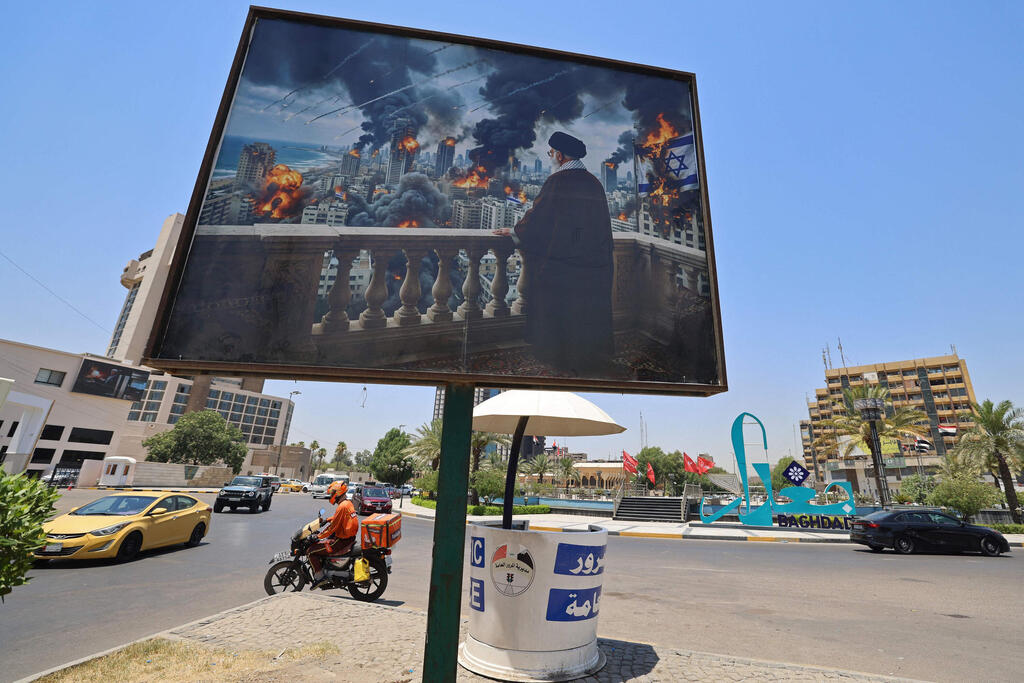
Portraits of Ali Khamenei displayed in Baghdad ahead of funeral ceremonies in Iraq
(Photo: AHMAD AL-RUBAYE / AFP)
"Araghchi's visit underscores how worried the Iranians are," Citrinowicz said. "He rushed to assess Iraq's new prime minister because they are deeply concerned he could come under American pressure. The last thing Iran wants is to see Iraq fall under U.S. influence. During Operation Roaring Lion, Iraq became a significant part of the battlefield."
According to Citrinowicz, holding part of Khamenei's funeral ceremonies in Iraq was also intended to project strength, continuity and Iraq's close ties to Iran.
If the Americans are expected to leave Iraq soon, why are the Iranians concerned?
"From Iran's perspective, the American withdrawal is very welcome. But they are deeply concerned the United States will continue pulling the strings behind the scenes and that the militias will be brought under Iraq's official state institutions. Those institutions are supported by the Americans and remain dependent on them."
Referring to the shift by the militia Asaib Ahl al-Haq, Citrinowicz said its leader, Qais al-Khazali, is seeking to reinvent himself politically. "Khazali wants to become a politician. He wants to transform himself. His agreement to separate from the Popular Mobilization Forces is a highly significant development."
Citrinowicz said several recent developments, including the planned U.S. withdrawal, have created conditions that could lead to the dismantling of the Popular Mobilization Forces. While some militias are expected to refuse and continue operating under Iranian direction, he said, there is now, for the first time, a growing consensus within Iraq's Shiite political camp that dismantling the umbrella organization would serve Iraq's national interests.
"That is very encouraging for the Americans and very troubling for the Iranians," he said.
"It doesn't necessarily mean Iran is being weakened," Citrinowicz added. "But Tehran is very concerned about losing a major foothold inside Iraq's security establishment through the Popular Mobilization Forces."
He cautioned that Iran would not stop trying to influence Iraq.
"Even if the Americans leave, after everything they have invested in Iraq they will continue operating behind the scenes," he said. "Iraq will continue to find itself caught in the middle. Every Iraqi prime minister faces that tension."
He added that Iraq "has been and will remain a central component in any future confrontation between Israel and Iran."
According to a report published in recent days by the Saudi newspaper Asharq Al-Awsat, the Iraqi government has asked Tehran to use official diplomatic channels to arrange visits by senior Iranian officials who had previously held what the report described as secret meetings in Baghdad.
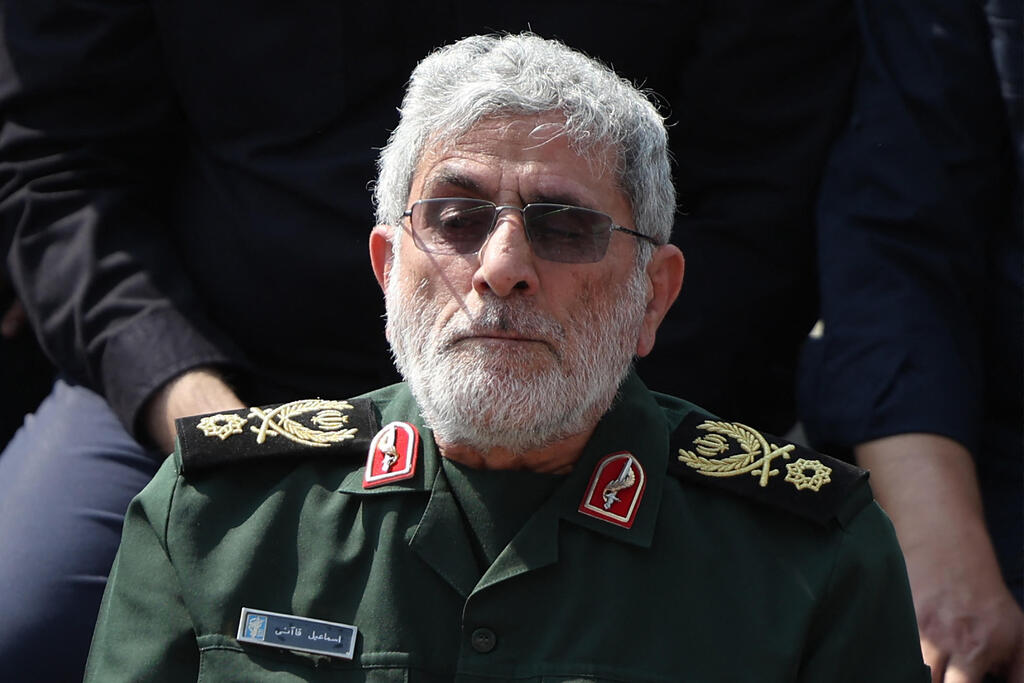
Islamic Revolutionary Guard Corps' Quds Force commander Esmail Qaani
(Photo: AFP)
The report said the directive followed an unannounced visit by Esmail Qaani, commander of the Islamic Revolutionary Guard Corps' Quds Force, after Araghchi's June 28 visit. A source quoted by the newspaper said Qaani arrived in Baghdad without prior notice and that it was his first visit since Prime Minister Ali al-Zaidi took office.
The campaign to curb the militias has also become part of Prime Minister al-Zaidi's broader anti-corruption drive.
In an interview with Asharq Al-Awsat last week—described as his first with an Arab media outlet—al-Zaidi said his government would continue fighting corruption and ensuring that only the state controls weapons.
He added that he had instructed Iraq's security commanders to confront any attempt to use Iraqi territory to launch attacks against neighboring countries.
"Baghdad will not allow Iraqi territory to become a launch pad for threats against neighboring states," he said.