


Russia is claiming that an Israeli national arrested in Cyprus was once a security guard for the Israeli president, in what his lawyer says is a fabricated attempt to strengthen a politically motivated extradition case.
Alexey Kertsgur, 47, has been in custody for over two months after being detained in Cyprus on an international arrest warrant issued by Russia. Russian authorities accuse him of involvement in the 2009 hijacking of the Arctic Sea cargo ship in the Baltic Sea, a case long shrouded in mystery and speculation.
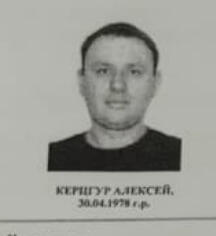
In a court filing, Russian prosecutors described Kertsgur as a former member of the Israeli president’s security detail and as someone with combat experience from serving in “Palestinian sectors of Jerusalem,” purportedly to support claims that he had the operational skills to execute the hijacking. His Israeli attorney, Nir Yaslovitzh, rejected the claim as “a complete fabrication,” saying Kertsgur never worked at the President’s Residence and had served in the Border Police in Jerusalem.
Kertsgur was arrested after arriving in Cyprus on a cruise ship operated by the Israeli company Mano Maritime. He was unaware of the outstanding warrant, his lawyer said. Russia accuses him of planning and taking part in the armed hijacking of the Arctic Sea, which disappeared for weeks in 2009 under mysterious circumstances.
The ship, sailing under a Maltese flag from Finland and carrying timber, was attacked in the Baltic Sea by a group posing as police. The armed assailants reportedly beat the 15-member Russian crew, tied them up and locked them in the ship's hold. Russian naval forces recovered the vessel weeks later in the Atlantic Ocean. Eight suspects, mostly from Estonia and Latvia, were convicted of piracy and kidnapping in a Russian court in 2011.
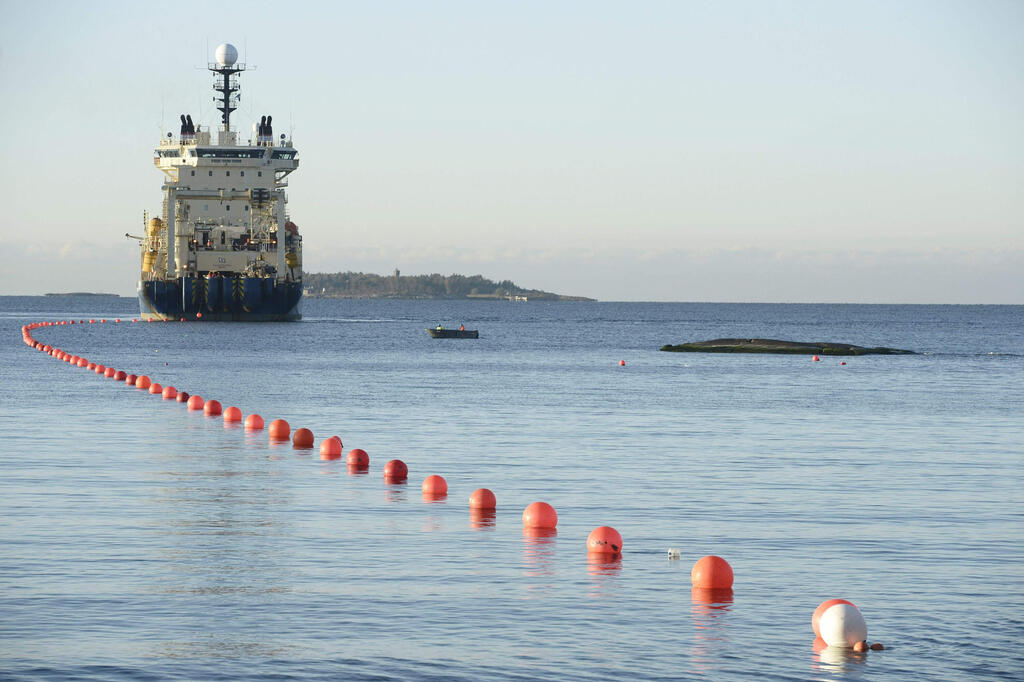
Illustrative
(Photo: Heikki Saukkomaa / LEHTIKUVA / AFP)
Kertsgur, who had business ties in Latvia, was previously arrested in the case in 2009 and later released on bail before fleeing and being declared wanted by Interpol. A separate investigation in Latvia at the time linked him to logistical planning for the hijacking, including personnel recruitment. If extradited, he could face charges of armed piracy, kidnapping and extortion.
Russia claims it requested his extradition from Israel years ago, but received no response. Israeli officials have not confirmed this. Moscow now argues that Kertsgur’s alleged role as a presidential bodyguard proves he has weapons training and tactical experience. “It’s nonsense,” said Yaslovitzh, who insisted that Russia is manipulating the narrative to justify the extradition.
“This is an extradition request nearly 17 years after the event,” he added. “Russia has offered no explanation for the delay, and we believe there was never a formal request to Israel. They waited for him to make a mistake and travel to a country where extradition would be easier.”
 Attorney Nir Yaslovitzh Photo: Ronit Yinon
Yaslovitzh also warned that Kertsgur would not receive a fair trial in Russia. “There’s no evidence, just fabricated claims. The European Court of Human Rights has ruled that extraditing to Russia violates human rights due to the lack of fair trials.”
He concluded: “Russia is misleading Cyprus. My client never served in the president’s security team, never guarded any head of state and never served in what they’re calling ‘Palestinian sectors.’ He was a police officer in Jerusalem’s Border Police, nothing more.”