

Raad Saad, a top Hamas terrorist commander and one of the key figures behind the October 7 attack on Israel, was killed Saturday in an Israeli drone strike in western Gaza City.
Saad, who headed Hamas’s operations division, was considered the No. 2 figure in the group’s military wing following the reported killing of Mohammed Sinwar. He was traveling in a Skoda vehicle when a small missile fired from an IDF drone struck, killing him.
Aftermath of the strike


For years, Saad operated in the upper ranks of Hamas’s military leadership. He was part of what Israeli intelligence refers to as the “2005 generation” — field commanders who rose during the First Intifada, spent years in Israeli and Palestinian prisons, and gained battlefield experience in the Second Intifada. They see themselves as having forced Israel’s withdrawal from the Gaza Strip in 2005, laying the groundwork for Hamas to seize control of the territory and build up a military force aimed at attacking Israel.
Saad is believed to have been the mastermind of “Jericho Wall,” Hamas’s code name for the assault launched on October 7. The plan spans 39 pages and was classified by the group as “top secret.” It called for a surprise, multi-front, full-scale assault using nearly all of Hamas’s 40,000 fighters, led by its elite Nukhba unit. According to the IDF, the operation achieved its goal of total surprise.
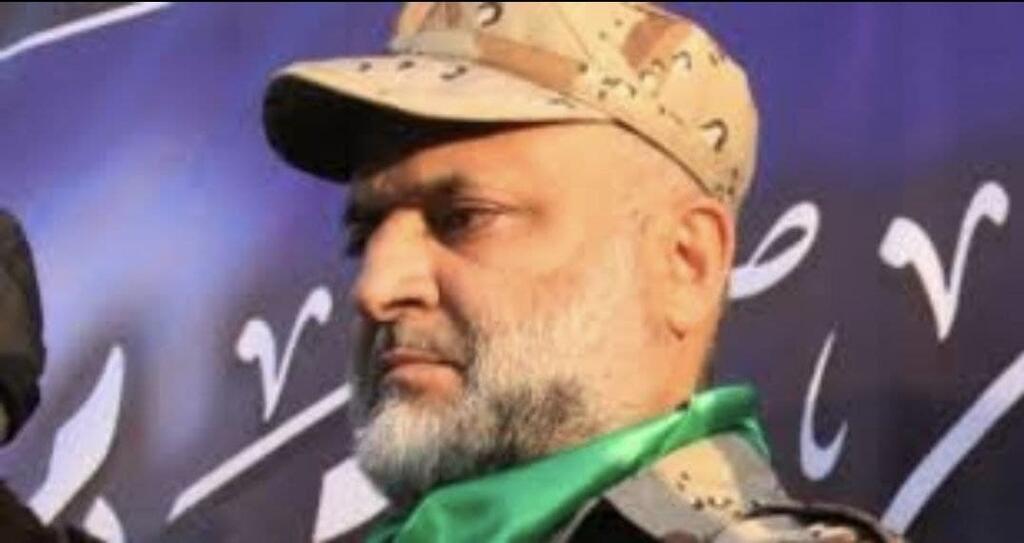
In a 2013 speech marking one year since Israel’s Operation Pillar of Defense, Saad hinted at Hamas’s long-term preparations: “Hamas is constantly strengthening and preparing for the next battle against Israel,” he said.
Saad’s photograph briefly appeared in a widely circulated IDF collage of captured terrorists following the raid on Gaza’s Shifa Hospital. The military later clarified that his inclusion was an error and not part of a psychological warfare tactic.
He was widely regarded as one of Hamas’s most capable military minds. In 2005, he was appointed commander of Gaza City and later became head of Hamas’s weapons production, helping to establish the group's rocket arsenal. He also founded Hamas’s military academy and played a central role in developing its battle doctrines, including artillery use, urban warfare and raid operations like the October 7 attack.
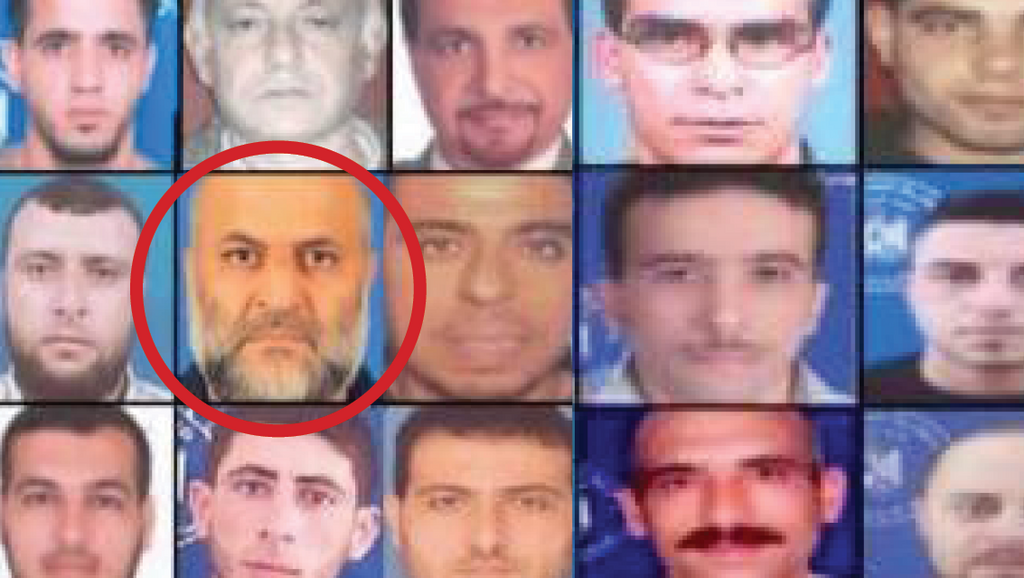
(Photo: IDF)
Saad worked closely with senior Hamas leader Izz al-Din al-Haddad, and the two were long-time allies despite coming from different backgrounds in Gaza.
According to the IDF, Saad was recently involved in rebuilding Hamas’s weapons production capabilities. His strategic importance was reflected in the $800,000 bounty Israel offered for information leading to his capture—more than the reward for other senior commanders, including al-Haddad, and equal to that offered for Mohammed Sinwar.
Some had speculated that Saad would succeed Sinwar as Hamas’s military chief, but internal dynamics reportedly led the group to appoint Haddad in a bid to maintain unity within its leadership ranks.
Saad’s assassination marks another blow to Hamas’s senior command structure as Israel continues to target the group’s top operatives in Gaza.