

Maj. Gen. Yifat Tomer-Yerushalmi, the second woman in Israel Defense Forces history to serve as Military Advocate General, resigned Friday after admitting she authorized the release of classified footage to the media. Her letter marked the first public acknowledgment of her role in leaking a video from an IDF prison, and while she framed the move as a response to what she called a campaign of incitement against military prosecutors, the resignation has triggered a broader criminal investigation and institutional fallout.
Tomer-Yerushalmi did not address why she misled the High Court of Justice and former Defense Minister Yoav Gallant, or why her office conducted what is now believed to have been a sham internal probe into the source of the leak. These questions are now at the center of a growing scandal.
Gallery
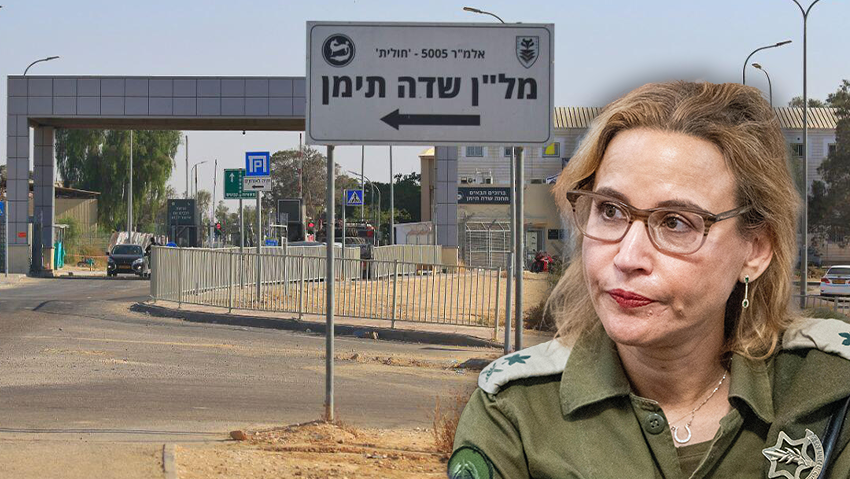
Military Advocate General Maj. Gen. Yifat Tomer‑Yerushalmi
(Photo: Meir Even Haim, Shalev Shalom)
What are the expected charges?
The leaked video showed the abuse of Palestinian detainees at the Sde Teiman military detention facility. According to legal officials, Tomer-Yerushalmi’s authorization followed a formal internal discussion with several officers. A military legal source said, “The legal and command problem isn’t the leak itself, which was handled with some transparency, but the lies that followed—actions that could amount to criminal offenses.”
Tomer-Yerushalmi is expected to be questioned under caution in the coming days, with suspicions that she obstructed justice and misled the Attorney General’s Office and the High Court. She may also face charges for unlawfully releasing classified material and submitting a false affidavit. Some legal sources believe the case may ultimately lead to a lesser charge of breach of trust.
Who will investigate Tomer-Yerushalmi?
The case was transferred to the Israel Police Intelligence and Investigations Division earlier this week and is being led by Chief Superintendent Boaz Balat. Only a small group of officers close to Balat are reportedly involved in the case due to its sensitivity. The investigation was triggered by intelligence from a security agency.
Protest against the Military Police raid on the Sde Teiman detention facility, July last year
(Video: Herzl Yosef, Ilana Curiel)


The investigative team is now finalizing its roadmap and identifying initial witnesses, who are expected to include senior IDF legal officers. Investigators plan to begin with peripheral figures before moving to the core suspects. It has yet to be determined whether the case will be handled by the Lahav 433 national crime unit or another elite police fraud division.
Who will replace her?
The military is struggling to appoint a replacement. The leading candidate had been Col. Ofira Elkabets-Rothstein, the former chief military defense attorney, who is well regarded within the system. Retired legal officers Doron Ben-Barak and Avi Halabi were also considered.
However, in light of growing suspicion that the leak was known to others in the Military Advocate General’s office, Chief of Staff Eyal Zamir is reportedly leaning toward appointing an outsider to stabilize the system.
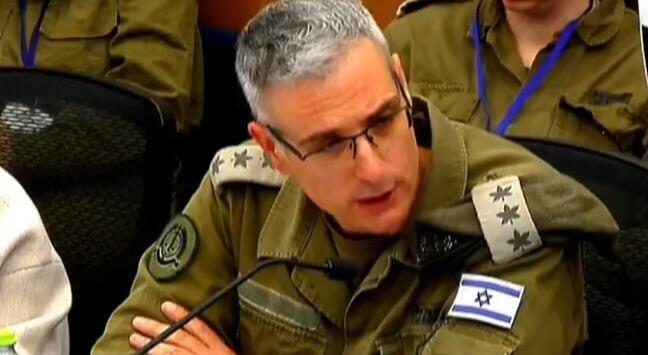
Colonel Gal Asael; his candidacy has been ruled out
(Photo: Knesset Channel))
Tomer-Yerushalmi’s deputy, Colonel Gal Asael, is no longer under consideration after leading the internal review that falsely concluded the leak did not originate from the Military Advocate General’s office—a conclusion that was presented to the High Court. It remains unclear whether this misrepresentation was intentional.
Will Tomer-Yerushalmi be stripped of her rank?
Following Maj. Gen. Yifat Tomer-Yerushalmi’s resignation, Defense Minister Israel Katz announced she would face “all necessary sanctions, chief among them the revocation of her rank.” Katz accused the former Military Advocate General of siding with Hamas detainees over Israeli soldiers, saying, “Anyone who slanders IDF soldiers and favors Nukhba terrorists belongs in prison.”
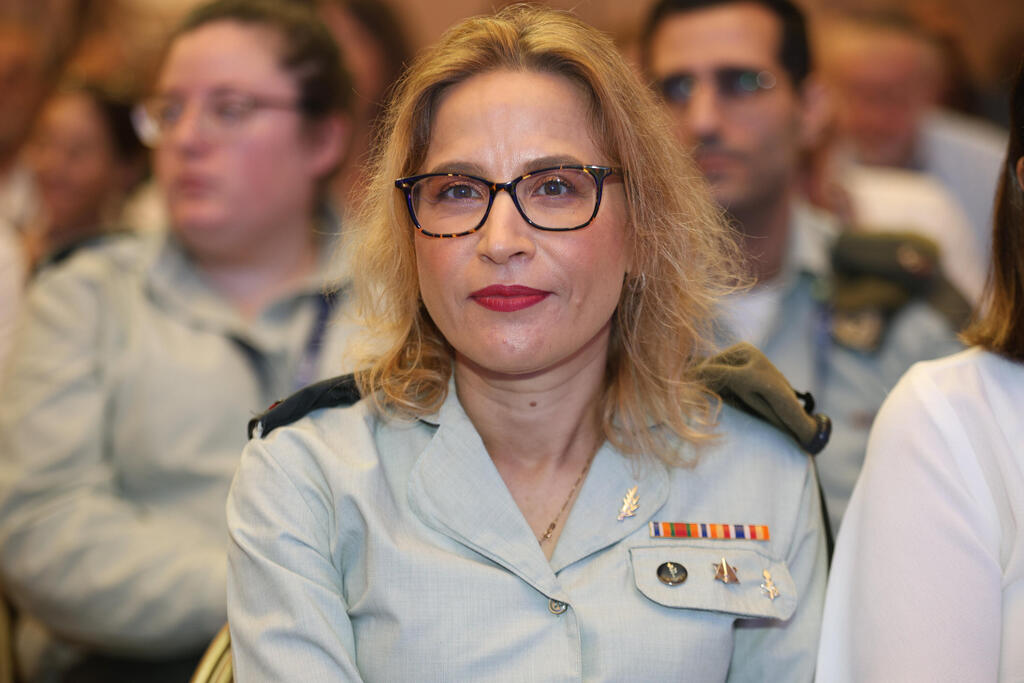
Will her rank be revoked? Katz announced it, but lacks the authority
(Photo: Abigail Uzi)
However, Katz has no legal authority to revoke military ranks. That power rests with a military court, a commanders’ committee following a civilian conviction, or, in exceptional cases, the IDF chief of staff—though no such precedent exists. “Katz’s statement is nonsense,” a legal source said. “Rank revocation in a criminal proceeding can only be issued by a military tribunal. In all other cases, it’s done through a judicial panel or, in rare cases, by the chief of staff—not the defense minister.”
What about the defendants in the Sde Teiman case?
At the center of the controversy is a video aired in August 2024 on Channel 12 News. The footage shows IDF reservists allegedly abusing a Palestinian detainee at the Sde Teiman military base—located south of Be’er Sheva and used as a temporary detention facility for suspected Hamas operatives since the war began.
Protest last year outside the hearing on extending the suspects’ detention
(Video: Ido Erez, Shaul Golan)
The video, leaked by the Military Advocate General’s office as part of an investigation into alleged abuse by five reservists from “Unit 100,” sparked widespread protests. Their arrests in July 2024 prompted political backlash, including protests outside the Military Advocate General’s office and even incursions into IDF bases by demonstrators, among them members of Knesset.
After the footage—comprised of two separate clips—gained international attention and millions of views on social media, critics alleged it was selectively edited. The “Choosing Life” forum, representing bereaved families and terror victims, petitioned the High Court to open a criminal investigation into the leak, claiming it endangered soldiers during wartime and undermined Israel’s diplomatic standing.
While early suspicions suggested possible sexual misconduct by the soldiers, those charges were ultimately not included. Still, the indictment cites other evidence and describes a particularly violent assault: two reservists pinned a Palestinian detainee to a wall with his arms raised while others kicked, stomped and tased him for roughly 15 minutes. The soldiers face charges including abuse, aggravated assault and exceeding authority.