



Prime Minister Benjamin Netanyahu's Likud party accused the Arab political parties Wednesday of stealing the country's parliamentary elections through alleged bribery, intimidation and ballot fraud, demanding an immediate investigation by police and domestic intelligence authorities.
The accusations came after a sharp increase in Arab voter turnout helped Arab parties make significant electoral gains, potentially giving them greater influence over the formation of the next government.
Gallery

Long lines outside of a polling station in the Bedouin town of Segev Shalom
(Photo: Herzl Yosef)
In a sharply worded post on X, Likud alleged that Arab parties had committed serious criminal offenses to manipulate the results of Tuesday's election, including distributing cash to voters, threatening election officials and using prohibited software to mobilize supporters.
"The elections in the State of Israel were stolen by Arab parties that support terrorism and the destruction of the Jewish state through serious criminal offenses involving bribery, threats, violence, forgery and the use of prohibited software to mobilize voters," the party said
The party said it had collected evidence of irregularities at numerous polling stations in Arab communities and would submit the material to law enforcement authorities.
Likud said it was transferring hundreds of testimonies and pieces of evidence to the Israel Police, the Shin Bet domestic security agency and the Central Elections Committee.
Among the alleged evidence, the party cited thousands of envelopes containing cash and ballot slips for Ra'am, an Islamist party led by Mansour Abbas, as well as reports of threats and violence against polling station officials.
It also alleged that multiple voters had entered voting booths together, that some people had voted under more than one identity and that discrepancies had been discovered between the number of ballot envelopes and the number of registered voters who cast ballots.
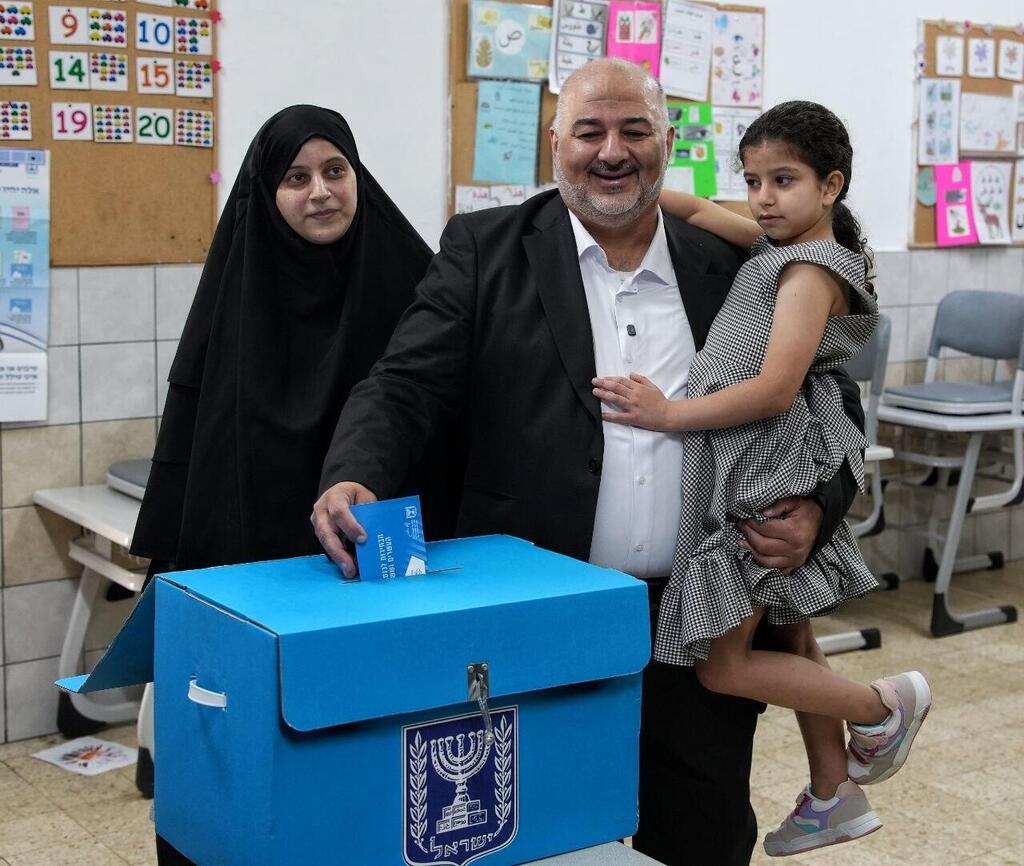
Ra'am leader Mansour Abbas
(Photo: Efi Sharir)
Likud further accused unnamed political operatives of using prohibited voter-mobilization software.
"We demand that the police and Shin Bet conduct a thorough investigation into the theft of the elections by the Arab parties and bring the perpetrators to justice," the statement said.
The party also demanded immediate action from the Central Elections Committee, arguing that the alleged offenses had severely compromised the integrity of the election and its results.
"This is a serious blow to Israeli democracy and the voting rights of Israeli citizens," Likud said. "Law enforcement agencies must act firmly and immediately."
Three arrested in suspected vote-buying scheme
The allegations followed the arrest Tuesday of three men from Bedouin communities in southern Israel on suspicion of attempting to bribe voters into supporting Ra'am.
Police said officers searched the suspects' homes in the Negev desert and seized envelopes containing tens of thousands of shekels in cash, along with ballot slips and other materials believed to be connected to the suspected offenses.
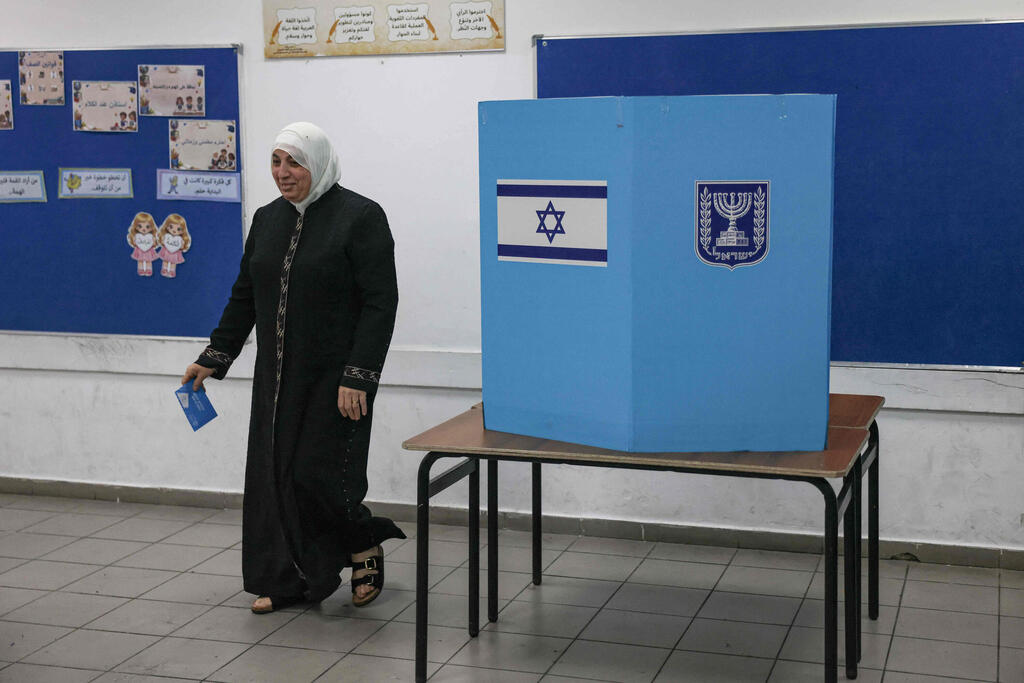
An Arab woman casts her ballot in Umm al-Fahm
(Photo: AHMAD GHARABLI / AFP)
Investigators suspect the money was intended for distribution to voters in exchange for supporting Ra'am. The investigation is ongoing.
According to media reports, the suspects included a doctor, a transportation driver and another political activist. All three denied wrongdoing.
A court released the doctor despite police objections, while the detention of the other two suspects was extended by five days. The doctor's lawyer said his client had organized meetings to encourage support for Ra'am but had no involvement in bribery. The driver's attorney said the cash found at his home was intended to cover transportation expenses.
Ra'am rejected the accusations and alleged that the arrests were politically motivated attempts to suppress Arab voter turnout.
The party said its activists had been arrested at their homes before polling stations opened, rather than while attempting to influence voters. It also accused authorities of unfairly targeting the party and reported missing or damaged Ra'am ballot slips in several Arab communities.
The arrests establish that police are investigating suspected election bribery, but do not establish Likud's broader allegations of coordinated fraud across Arab polling stations.
Arab parties make electoral gains
The dispute comes amid a significant increase in Arab political participation, which has strengthened the representation of predominantly Arab parties in the Knesset and complicated coalition calculations.
In preliminary results Wednesday, the predominantly Arab Joint List was projected to win 12 seats, while Ra'am was projected to secure seven, giving the two parties a combined 19 seats in the 120-member Knesset.
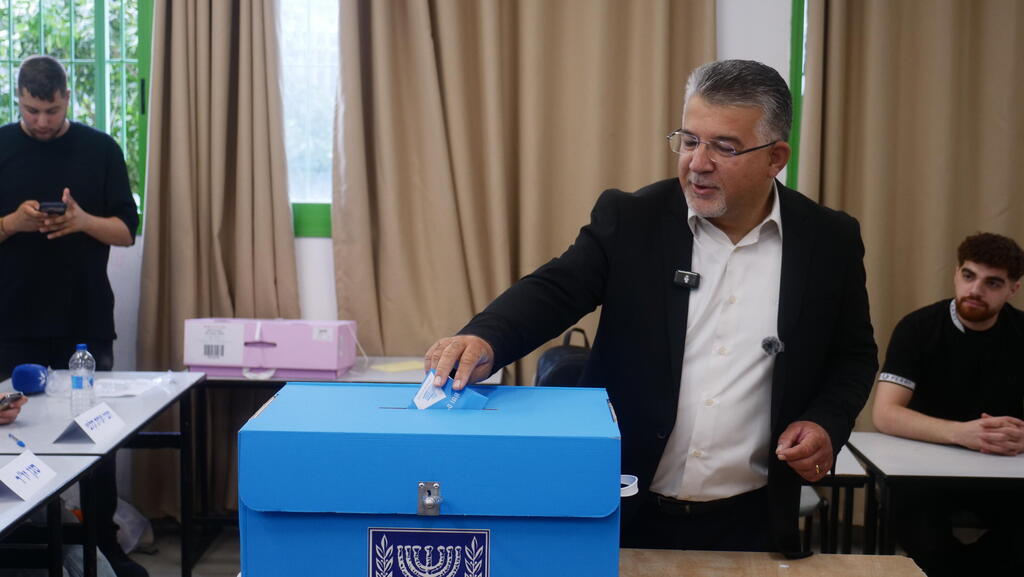
Joint List leader Yousef Jabareen
(Photo: Yaron Sharon)
The Joint List brings together Arab political factions, while Ra'am, formally known as the United Arab List, is an Islamist party led by Mansour Abbas and associated with the southern branch of the Islamic Movement.
Although both parties draw much of their support from Arab citizens of Israel, they differ in their political approaches. Abbas has pursued a more pragmatic strategy of negotiating with Jewish-led parties to secure funding and policy commitments for Arab communities.
Ra'am made history in 2021 when it joined the governing coalition led by Naftali Bennett and Yair Lapid, becoming the first independent Arab party to formally participate in a governing coalition.
During the latest campaign, Abbas signaled his willingness to join another government if it committed to addressing violent crime, home demolitions, discrimination and other issues affecting Arab citizens.
The stronger showing by Arab parties has become particularly consequential because neither Netanyahu's right-wing and religious bloc nor the rival pro-change bloc led by former IDF chief Gadi Eisenkot has secured a clear parliamentary majority.
The results have fueled debate over whether the opposition could form a government with support from Arab lawmakers, a prospect Netanyahu and his allies have repeatedly rejected.