

Prime Minister Benjamin Netanyahu is postponing a decision on whether to expand military operations in the Gaza Strip if Hamas continues to reject a hostage deal and ceasefire, a source familiar with the matter told CNN on Saturday.
Against the backdrop of increasing pressure from families of Israeli hostages—who are pleading for the war to end in exchange for their loved ones' release—the source said: “No decision will be made this week.”
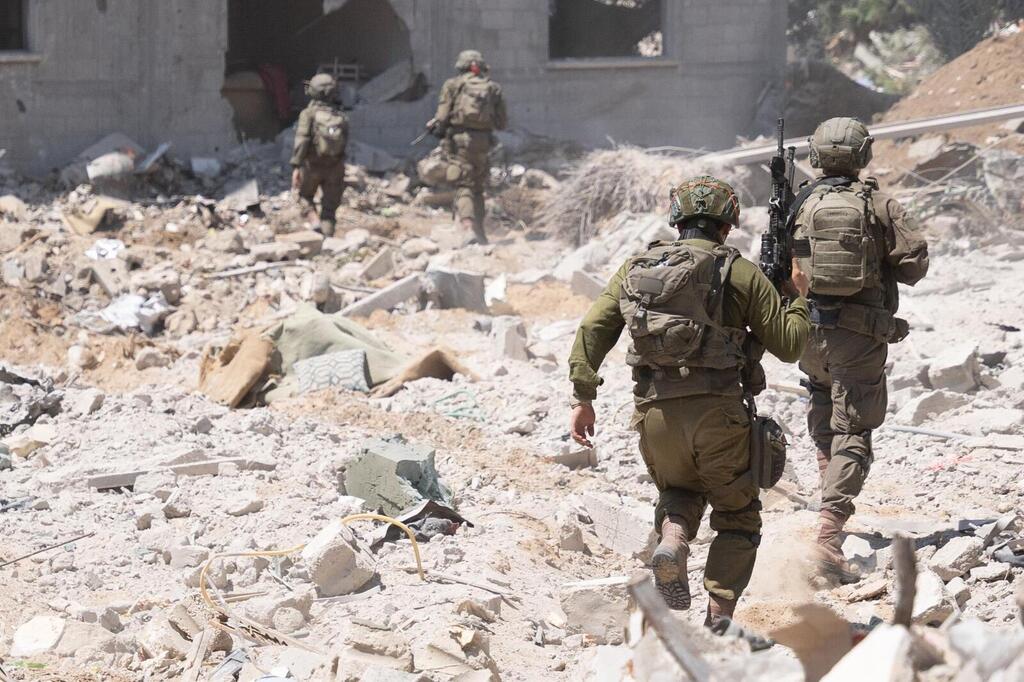
Two main military options are currently under consideration, the source added. One involves surrounding Gaza City and other key population centers. The second is a full takeover of the city. The source noted that members of the Israeli security cabinet remain divided over the path forward.
Despite the deadlock in negotiations, a senior Israeli official told CNN that Israel is willing to return to talks in Doha if Hamas revises its position. The Hamas delegation has also left Doha and is currently in Turkey.
The mood in Jerusalem has grown more pessimistic following meetings with U.S. envoy Steve Witkoff, who visited Israel this week. Israeli officials now believe that chances for a hostage deal in the near future are slim. As a result, the Israel Defense Forces are expected to continue operations in Gaza while increasing humanitarian aid into the enclave.
Sources familiar with the discussions said Thursday that Israel sees little chance of shifting Hamas from its current stance and believes reaching an agreement will require more time and patience—resources Israel feels it no longer has. The prevailing sentiment within Israel, the sources said, is to expand ground operations in Gaza, even though just that day, the IDF announced the withdrawal of its 98th Division from the territory.
IDF chief: 'In coming days we'll know if a deal is possible'
During a visit to Gaza on Friday, IDF Chief of Staff Lt. Gen. Eyal Zamir toured the area with commanders of combat brigades. He said, “I estimate that in the coming days we’ll know whether we can reach a deal for the release of our hostages. If not—the fighting will continue without pause.”
Zamir said the achievements of Israeli forces have created operational flexibility aimed at placing Hamas under “growing distress” without falling into what he called “the traps of attrition” laid by the group.
A senior Israeli official said there is an emerging understanding between Jerusalem and Washington that in light of Hamas’ “refusal to engage,” the focus must shift from a partial deal to release some hostages to a framework aimed at freeing all hostages, disarming Hamas and demilitarizing Gaza. “There will be no more partial deals,” the official said.
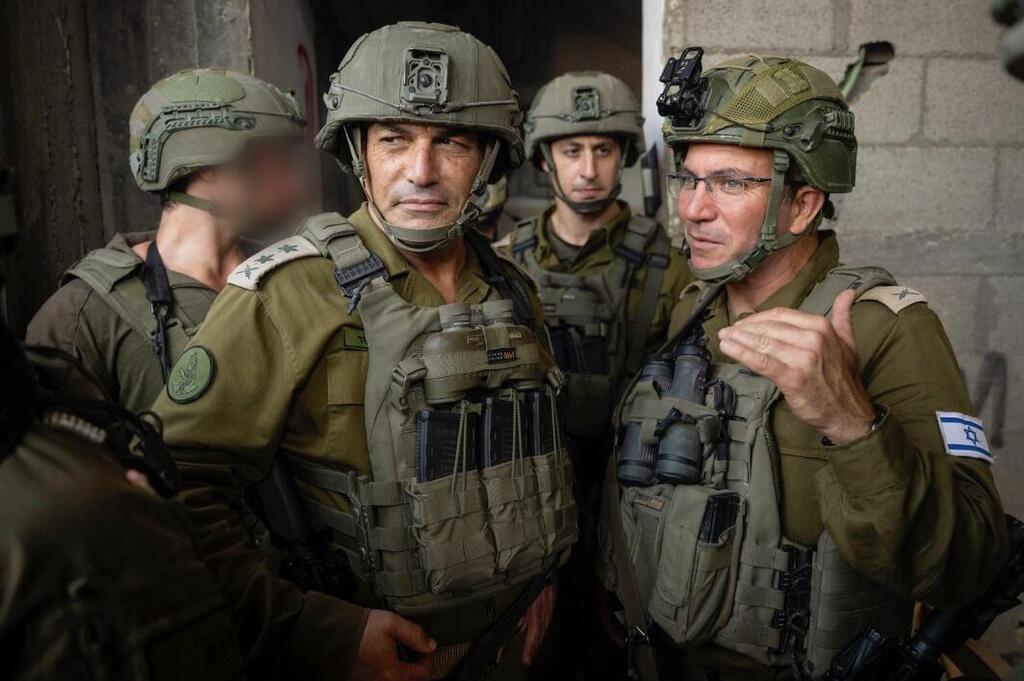
IDF Chief of Staff Lt. Gen. Eyal Zamir
(Photo: IDF Spokesperson's Unit)
Two additional sources confirmed to CNN that Israel’s policy shift followed Hamas’ withdrawal from the Doha negotiations. “There is a total breakdown in talks. Hamas cut off contact. There’s no one to talk to on the other side,” a senior Israeli official said Thursday. The negotiations collapsed after the U.S. and Israeli delegations left Doha. Witkoff later accused Hamas of lacking the will to reach a ceasefire and of acting in bad faith.
Get the Ynetnews app on your smartphone: Google Play: https://bit.ly/4eJ37pE | Apple App Store: https://bit.ly/3ZL7iNv
During his visit to Gaza, Zamir also addressed what he called Hamas’ deliberate starvation campaign and attempts by other local actors to pin blame on Israel. “This is a calculated and false effort to accuse the IDF—an army with values—of war crimes,” he said. “The party responsible for the suffering and hunger in Gaza is Hamas, not the IDF. IDF soldiers and commanders act morally and ethically, in accordance with the IDF spirit and international law.”