

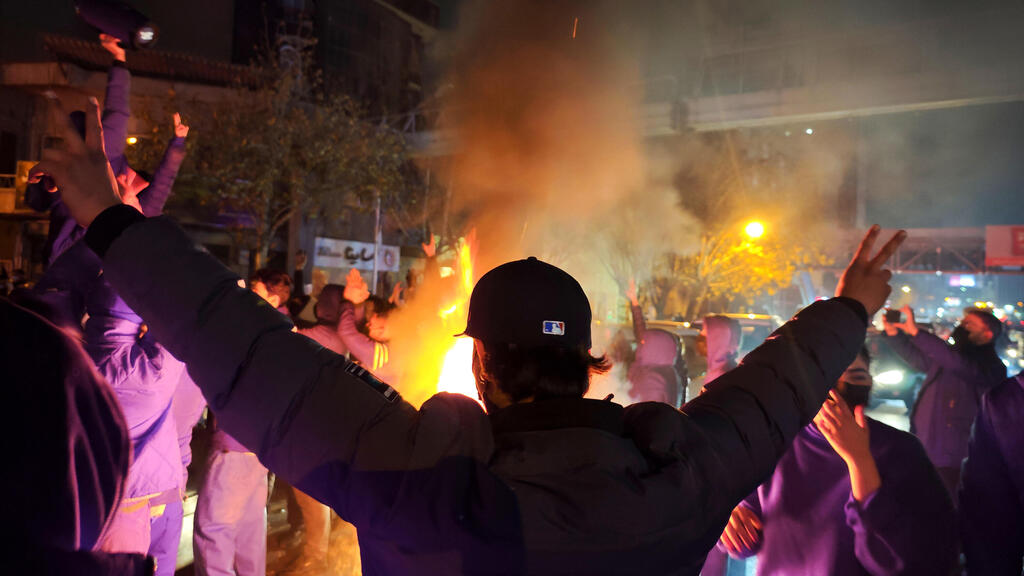
Iran’s state television on Wednesday issued its first official death toll from mass protests that swept the Islamic Republic this month, saying 3,117 people were killed nationwide, a figure significantly lower than estimates provided by human rights groups.
According to the state broadcaster, 2,427 of those killed were civilians and members of the security forces. Iranian state TV did not provide details about the remaining deaths included in the total. In its statement, state television described the 2,427 as “martyrs,” saying they were “innocent victims.” It claimed many were bystanders who were “deliberately targeted as part of a strategy to increase casualties,” or were killed by indiscriminate gunfire and what it described as “terrorist violence.”
(Photo: Reuters)


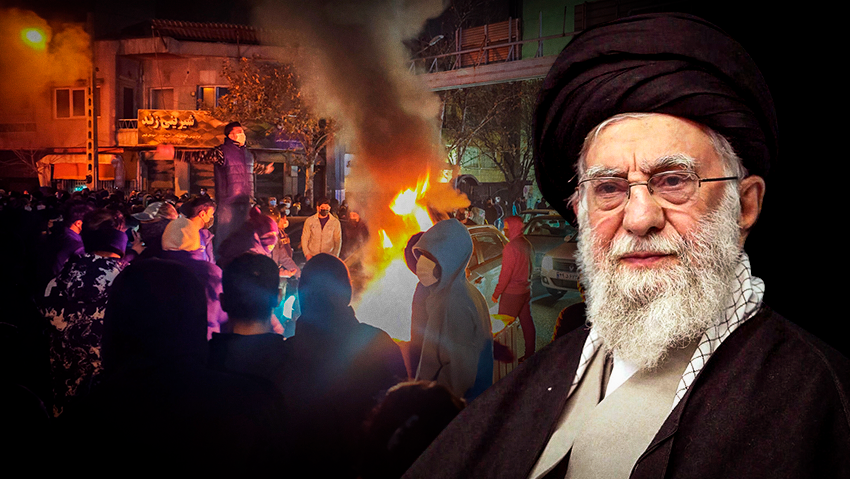
The announcement comes amid widespread reports of a harsh crackdown by Iran’s clerical leadership. Last week, an Iranian official said about 3,000 people had been killed across the country, including hundreds of security personnel. The official blamed the deaths on “terrorists” fomenting unrest, reflecting the government’s long-standing narrative that accuses “rioters” of acting at the behest of Israel and the United States. After weeks of deadly clashes and mass arrests, the protest movement has begun to subside.
Human rights organizations have reported significantly higher casualty figures. The Human Rights Activists News Agency, a U.S.-based group that relies on a network of activists inside Iran, said at least 4,560 people were killed in the protests. The Associated Press has previously found the group’s reporting on protest casualties to be reliable. Another organization, Iran Human Rights, based in Norway and whose reports are cited by the United Nations, said at least 3,428 demonstrators were killed, warning the final toll could exceed 20,000.
Meanwhile, The Wall Street Journal reported overnight that U.S. President Donald Trump has continued pressing his advisers to present “decisive” military options against Iran. According to U.S. officials cited in the report, internal discussions on Iran are ongoing even though Trump has, for now, postponed a decision to strike. The officials said Trump repeatedly emphasized the word “decisive” in describing how he wants any U.S. action to affect Iran.
(Photo: Anonymous/Getty Images)
The Journal also published an opinion article by Iranian Foreign Minister Abbas Araghchi, in which he sought to explain recent developments and warned that Tehran would not exercise restraint if another war erupts. Araghchi said the protests were initially acknowledged as legitimate but later turned violent after what he described as the involvement of foreign and domestic terrorist elements. He said Iranian authorities shut down internet access in order to disrupt communication among those organizing unrest and carrying out attacks.
Araghchi accused international media coverage of distorting events on the ground and fostering conditions that could lead to unprecedented levels of violence in the region. He placed responsibility on President Donald Trump, accusing him of encouraging a policy of “maximum bloodshed,” which Araghchi linked to Washington’s “maximum pressure” campaign against Iran. He argued that the objective was to draw the United States into another conflict on Israel’s behalf.
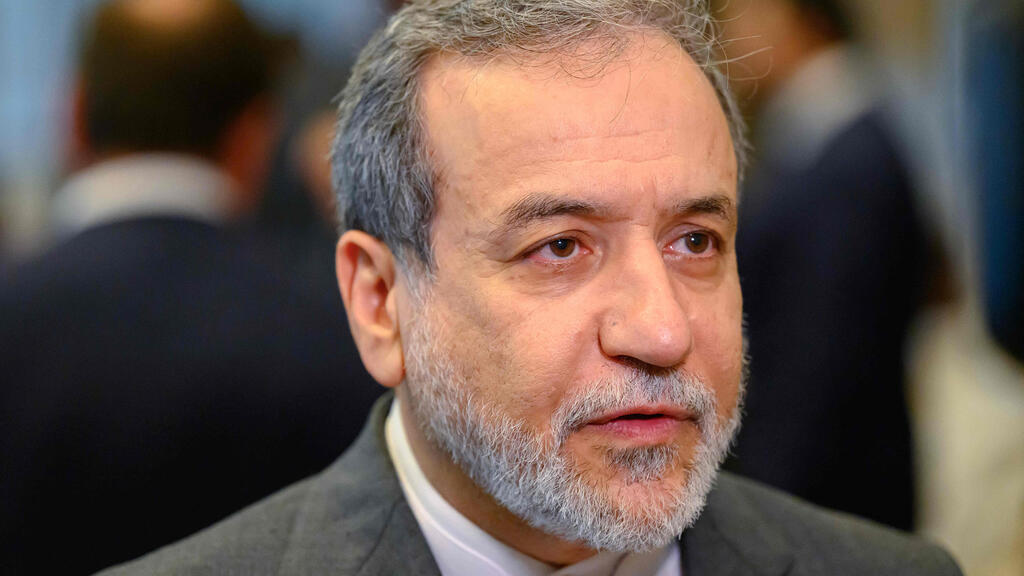
Abbas Araghchi
(Photo: AP Photo/Mehmet Guzel)
He said that between December 28 and January 8, Iran experienced protests similar to those seen in many democracies, largely peaceful demonstrations focused on economic grievances. According to Araghchi, Iranian security forces were caught unprepared shortly after Trump signaled he was considering intervention.
In concluding his article, Araghchi said that as Iranians mourn their dead and attempt to rebuild, a new danger has emerged in the form of a collapse of diplomacy. He warned that unlike Iran’s restraint in June 2025, its armed forces would respond forcefully to any renewed attack, while stressing that he opposes war despite what he described as the realities facing the country.
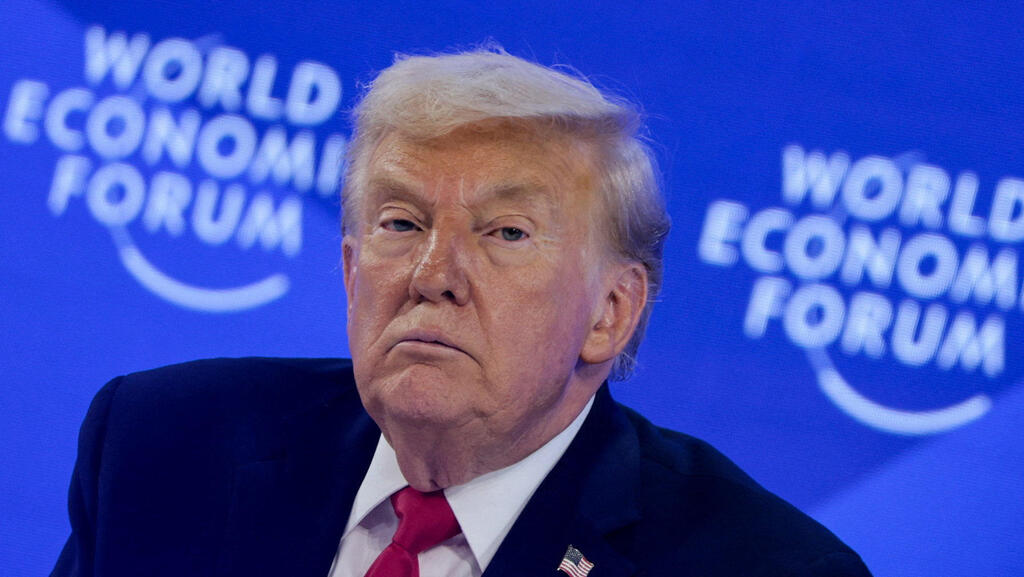
Trump continued his own warnings against Iran on Tuesday, saying the United States would “wipe it off the face of this earth” if Tehran attempted to assassinate him. He said the same response would apply if Iran intensified its crackdown on protesters.
(Photo: REUTERS/Jonathan Ernst)
“Anyone, even not a president. Anything happens — the country will blow up,” Trump said. He also sharply criticized his predecessor, former President Joe Biden, saying Biden failed to respond forcefully to Iranian threats. “A president has to protect a president,” Trump said.
Trump has signaled that he is delaying any immediate strike on Iran, backing away from a promise made to Iranians during the height of the unrest that “help is on the way,” and urging them to continue resisting the government. Still, he has continued trading threats and insults with Iran’s leadership. At the same time, the United States has moved an aircraft carrier and strike-capable forces toward the Middle East, prompting analysts to say the likelihood of a U.S. attack remains high.
Iran’s Supreme Leader Ayatollah Ali Khamenei also weighed in, sharply criticizing Trump in a series of posts on X. Khamenei said the United States was responsible for the wave of protests triggered by Iran’s economic crisis. “It is necessary to place responsibility on the United States,” Khamenei wrote. “We find the U.S. president guilty of all the losses, damages and defamation.” Trump responded in an interview with Politico, calling Khamenei “a sick person” and saying “it’s time to look for new leadership in Iran.”