


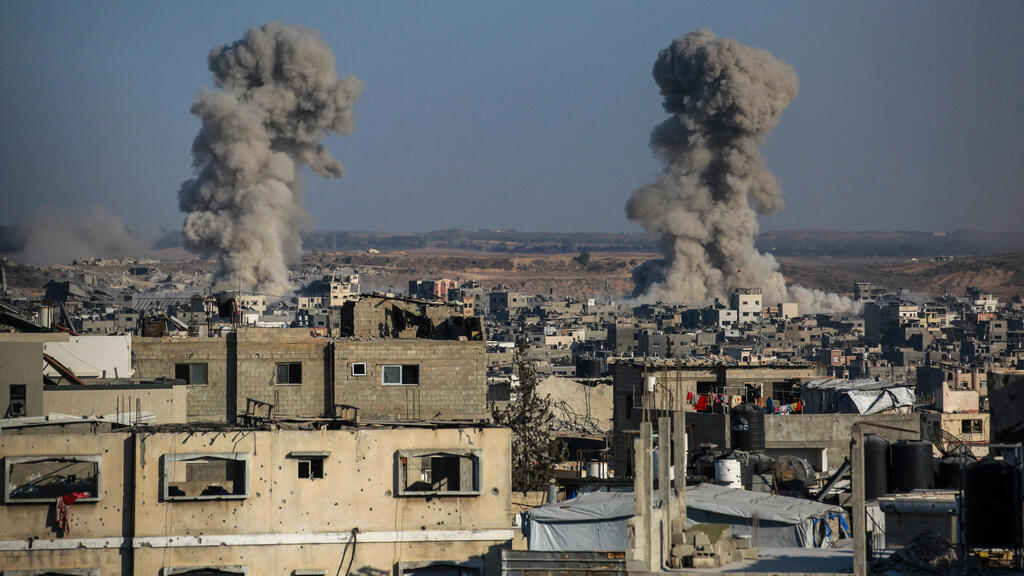
Prof. Sergio DellaPergola, one of the world’s leading demographers and a senior scholar at the Hebrew University of Jerusalem, has published a letter to the editor of The Lancet Global Health challenging the reliability of a widely cited Gaza mortality study that estimated about 75,200 violent deaths during the Swords of Iron war.
The analysis, written together with independent researcher Dr. Mark Zlochin, identifies methodological problems that the authors say call into question the study’s claim to population representativeness, and therefore its estimates of the number of deaths.
DellaPergola and Zlochin argue that interviewers in the original survey covered only small portions of the areas assigned to them, potentially missing variation created by the distribution of Gaza’s population across the territory. They also raised concerns over the possible double counting of deaths, because families were split apart and reporting under harsh wartime conditions. In addition, they noted that causes of death were not reported in the original publication, even though that information was collected in the survey.
The two researchers reexamined the survey data and publicly available supporting materials, identifying what they described as unusual differences between interviewer teams and significant deviations from the sampling procedures declared by the survey’s authors. They argue that these problems could weaken the validity of applying the survey’s findings to Gaza’s broader population.
Among their central findings, the researchers said one interviewer team, out of nine teams operating in the field, recorded about a quarter of all reported violent deaths, even though it surveyed only a small fraction of the sampled households. The letter also identifies demographic anomalies in the work of another interviewer team and presents evidence suggesting that the survey’s quality-control mechanisms failed to detect significant irregularities during data collection.
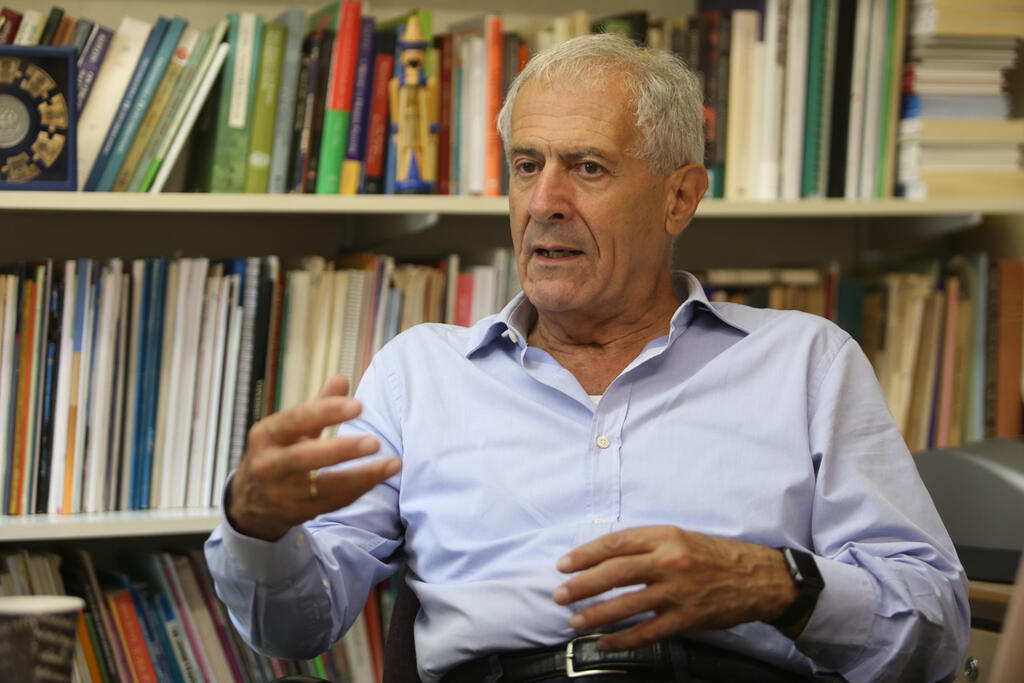
Prof. Sergio DellaPergola
(Photo: Gil Yohanan)
According to DellaPergola and Zlochin’s review, GPS data from the survey teams point to deviations from the declared sampling process, including cases in which several teams appear to have repeatedly surveyed the same area. The data also indicated consecutive interviews conducted outside the areas assigned to the teams.
The researchers further argue that sampling teams mainly visited homes along main roads at the edges of sampling units, while almost entirely omitting side streets. They said the visible deviations in the GPS data were not noted in the mortality study’s analysis.
“Population-level mortality estimates are only as reliable as the representativeness of the sample on which they are based,” DellaPergola said. “Our analysis raises important questions about whether the survey achieved the level of representativeness required to support the estimated mortality figures.”
The critique also highlights significant gaps between the survey’s estimates regarding Gazans in detention and arrest figures reported by independent sources. Taken together, the researchers say, the findings require caution in interpreting the study’s mortality estimates.