

Iranian Foreign Minister Abbas Araghchi has conveyed Tehran’s negotiating demands, along with its reservations about U.S. demands, to Pakistani officials during a visit to Islamabad, a Pakistani source involved in the talks told Reuters on Saturday.
The message comes as Pakistan seeks to mediate between Washington and Tehran after weeks of war, a U.S.-announced ceasefire and rising tensions over an American naval blockade of Iranian ports. President Donald Trump on Friday said Iran was preparing an offer aimed at satisfying U.S. demands, while Washington insisted the blockade would remain in place until an agreement is reached.
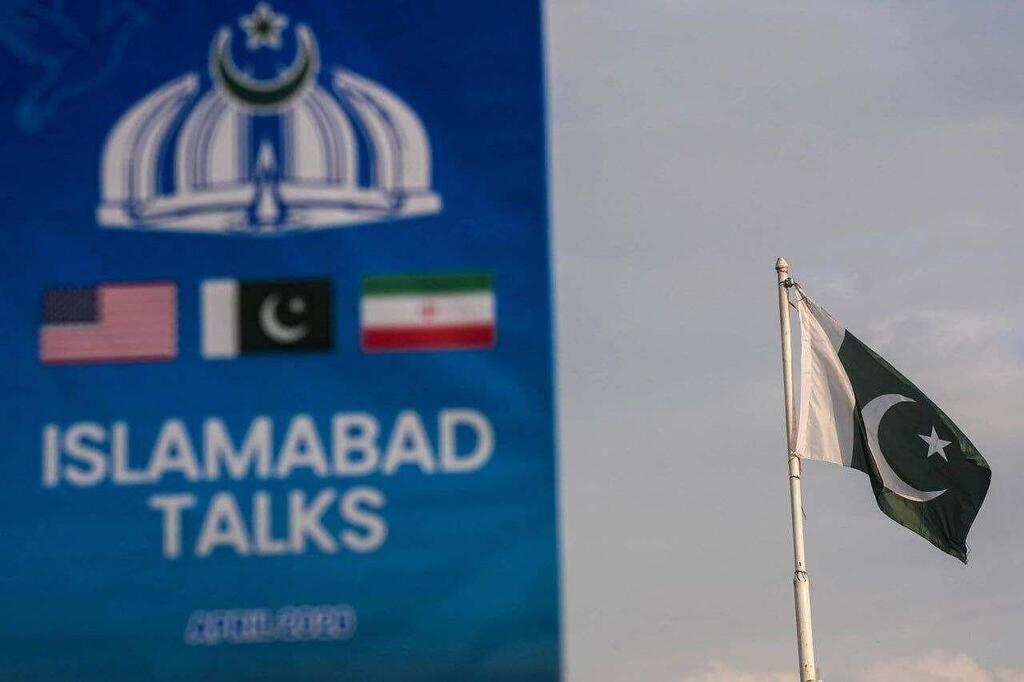
The United States has demanded that Iran give up its enriched uranium and ensure free oil transit through the Strait of Hormuz, Trump told Reuters. Iran, meanwhile, has objected to the U.S. blockade, with Araghchi previously calling it an “act of war” and a violation of the ceasefire.
Iranian state television reported Saturday that Iran’s top military command warned U.S. forces they would face an Iranian response if they continue what Tehran called “blockade and piracy in the region.” The warning followed earlier Iranian accusations that U.S. maritime operations amounted to “armed piracy.”
U.S. Secretary of War Pete Hegseth said Thursday the blockade was expanding globally and that vessels traveling to or from Iranian ports would require U.S. Navy approval. He said 34 ships had already been turned back and warned that any Iranian attempt to lay mines in the Strait of Hormuz would be treated as a ceasefire violation.
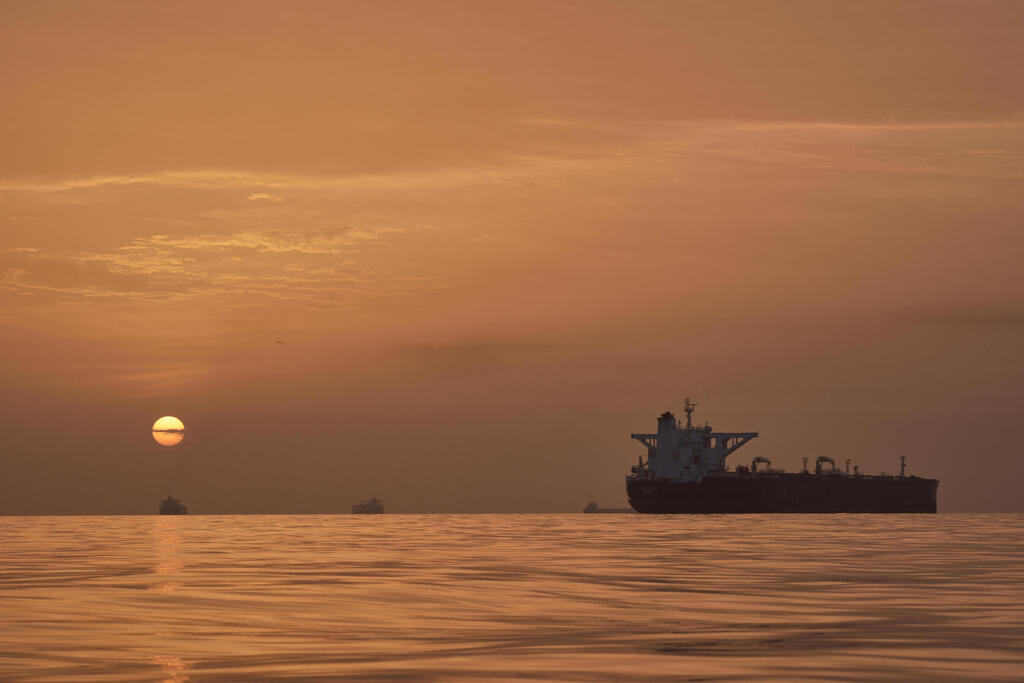
The Strait of Hormuz
(Photo: AP Photo/Asghar Besharati)
The Strait of Hormuz is one of the world’s most important energy chokepoints, linking the Persian Gulf with the Gulf of Oman and global markets. The confrontation over the waterway has become a central obstacle in efforts to turn the ceasefire into a broader political arrangement.
Iranian officials have said there are no planned direct talks with U.S. envoys during Araghchi’s visit to Islamabad, though Pakistan is expected to relay messages between the sides. U.S. officials have said negotiators would go to Pakistan only if Iran provides clearer responses to Washington’s proposals.