


Twenty-six years after IDF soldiers left Beaufort Castle in a massive explosion that symbolized the end of Israel’s presence in Lebanon, reports of renewed military activity near the mountain over the past two days are reviving memories of the strategic site etched into Israeli consciousness. From the outpost used by PLO to fire on northern communities, through the bloody Golani Reconnaissance Unit battle in the First Lebanon War, to the long years of the security zone and the dramatic withdrawal in 2000.
The Crusader fortress of Beaufort, rising about 700 meters above sea level, has dominated southern Lebanon and Israel’s Galilee Panhandle for centuries. Until 1982, the site was held by PLO militants, who used its strategic location to shell Galilee communities with mortars and Katyusha rockets and to block any potential northward IDF maneuver through surveillance. When "Operation Peace for Galilee began", Israel’s defense establishment believed that neutralizing the “monster on the mountain” was essential to removing the threat to northern residents.
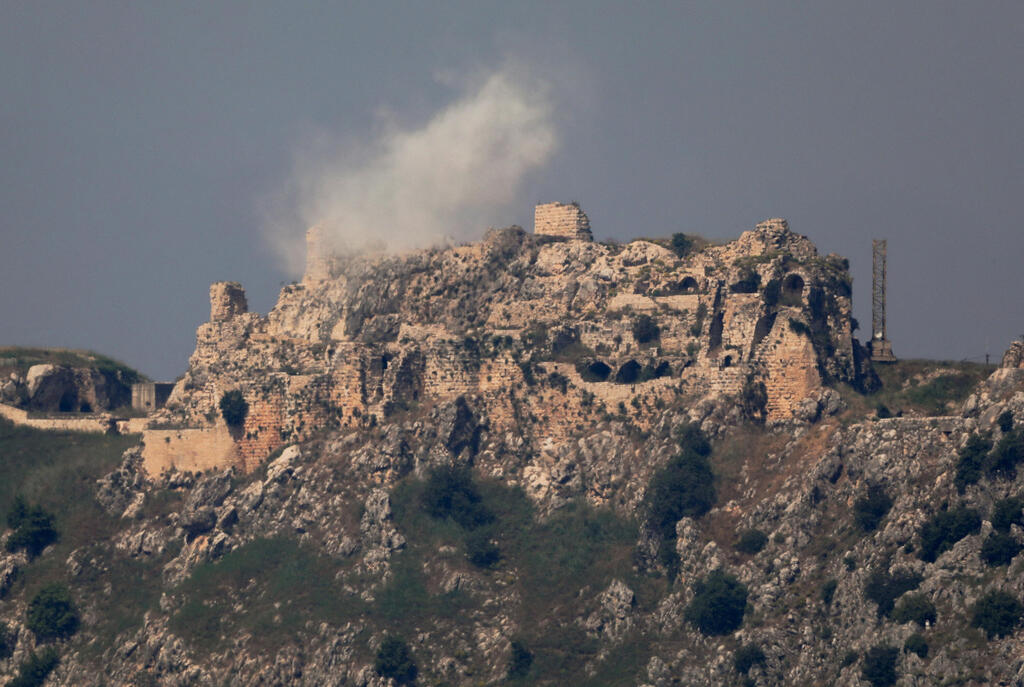
“Beaufort carries symbolic weight because of our history there as an army,” explained Orna Mizrahi, a senior researcher at the Institute for National Security Studies (INSS) and former deputy head of Israel’s National Security Council. “It is a symbol because of everything that happened there — the significance of capturing the fortress, the years of holding it and ultimately abandoning it.”
The order to capture Beaufort was assigned to the Golani Reconnaissance Unit. On the night between June 6 and June 7, 1982, the fighters climbed the mountain along a narrow winding route in what became one of the most famous and painful battles in Israeli military history. Combat took place at point-blank range inside narrow communication trenches and fortified bunkers against fierce militant resistance.
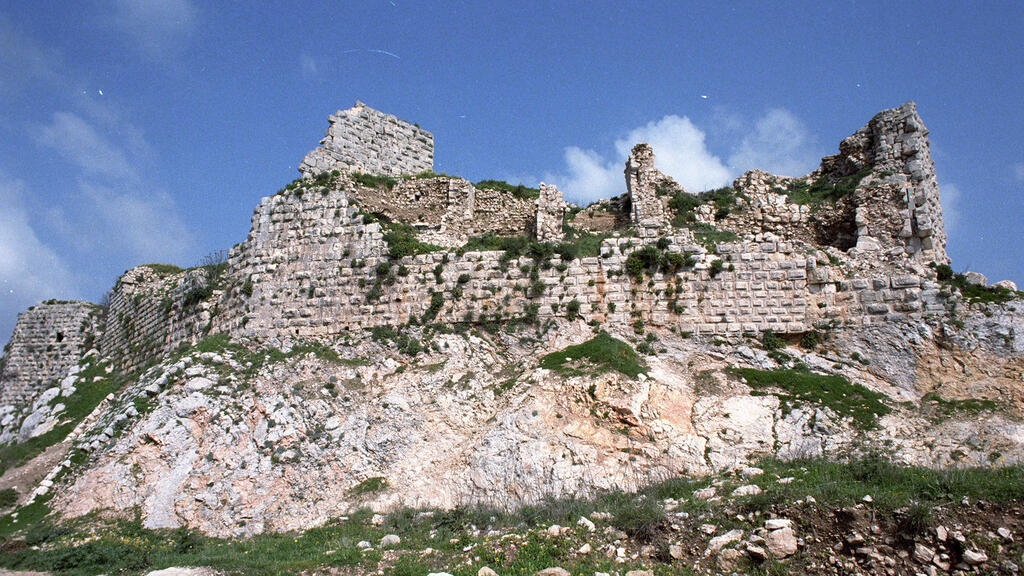
Beaufort Castle
(Photo: David Rubinger)
The battle was won, but at an unbearable cost. Six fighters and commanders from the unit were killed, including Lieutenant Avikam Sharaf, commander of the lead team, and Major Goni Harnik, commander of the reconnaissance unit, who took command of the assault after the battalion commander was critically wounded on the fortress roof.
After the IDF withdrew to the security zone line in 1985, Beaufort’s role shifted from an offensive asset to an isolated frontline defensive outpost. For 15 years, infantry and engineering soldiers lived there in reinforced underground bunkers while enduring thousands of mortar shells and anti-tank missiles fired by Hezbollah. The road leading to the outpost became known as the “Bloody Route” because of the many roadside bombs planted along it.
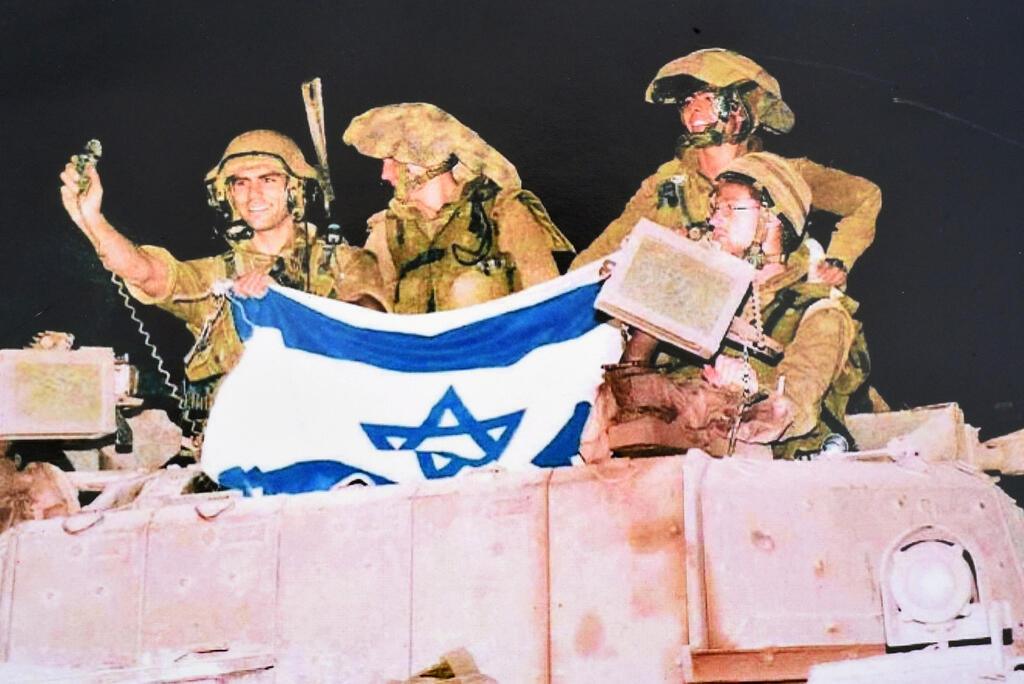
Soldiers leaving Lebanon. May 2000
Dozens of soldiers lost their lives defending the mountain and its access roads, and the static deployment there came to be seen by the Israeli public as a death trap.
“Beaufort is a high ridge that is difficult to reach, but it offers the ability to see the surrounding area for great distances,” Mizrahi added. “It did and still would provide the IDF with a strategic point and an exceptionally broad vantage point. The question is whether the army should again invest forces to capture the site, even given its strategic importance. The fact that Israel was forced to abandon the fortress because it lies deep inside southern Lebanon beyond the Litani River and is difficult to hold over time raises questions about whether it should be captured again.”
The end came on the night between May 23 and May 24, 2000. As part of the rapid IDF withdrawal from southern Lebanon led by former Prime Minister Ehud Barak, the Beaufort outpost was evacuated under heavy secrecy. To prevent Hezbollah from staging a victory image by raising its flag over the Israeli bunkers, combat engineering forces placed tons of explosives throughout the modern compound built over the years.
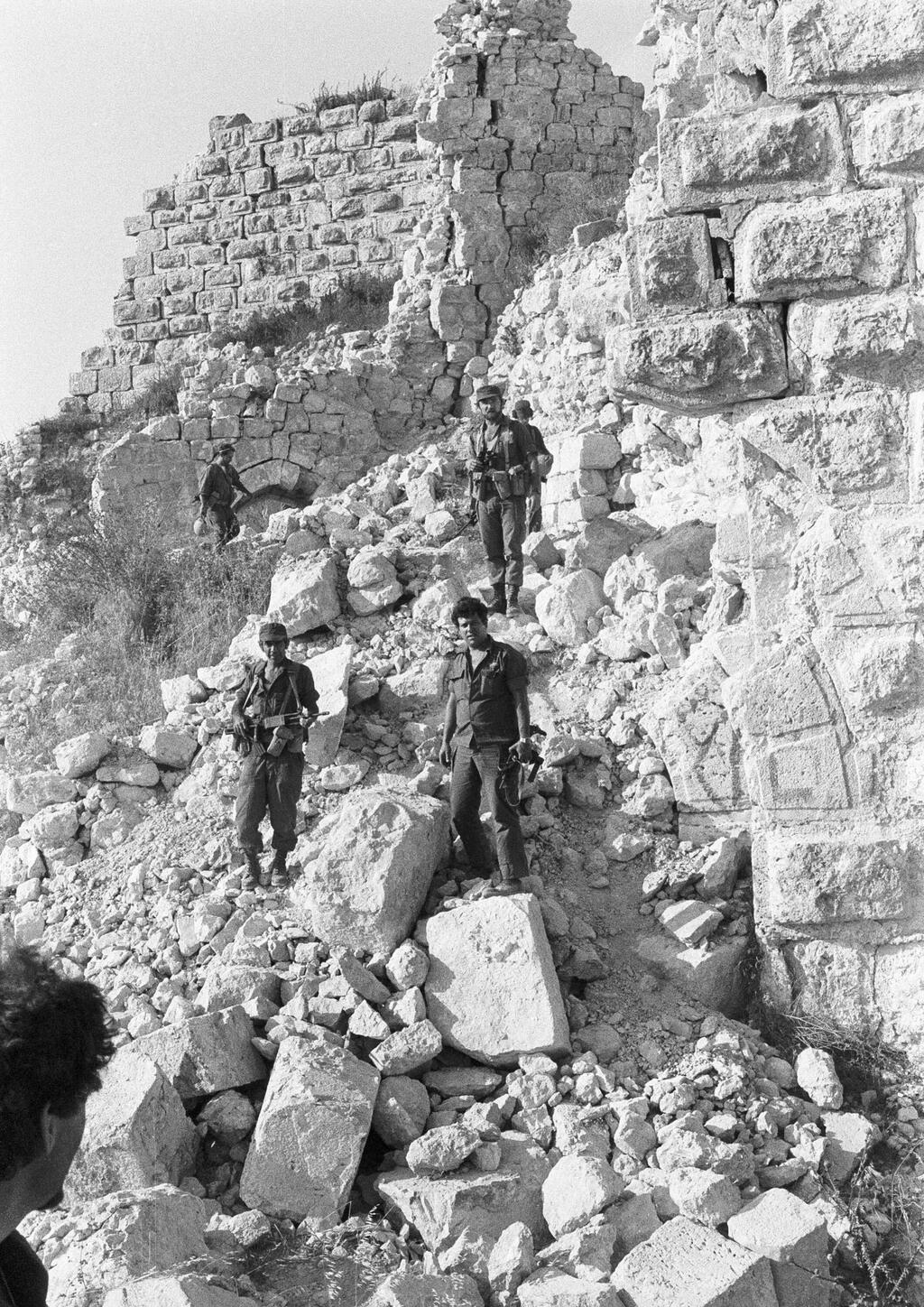
Soldiers in Beaufort
(Photo: IDF Archives at the Ministry of Defense, IDF Spokesperson)
At 6:40 a.m., moments after the last soldiers locked the gates, a massive explosion destroyed the outpost completely.
According to Mizrahi, the IDF is speaking about creating a security buffer for residents of northern Israel, but she is not convinced this is the right plan.
“As mentioned, the fortress is an important strategic point and also a symbol because of our history there,” she said. “Still, I question whether it is right at this stage of the fighting to capture it again — understanding that we may have to abandon it again and that this could exact a heavy price.”