

U.S. military reinforcements and escalating threats from President Donald Trump are increasingly pointing toward a potential endgame in the war with Iran centered on control of the Strait of Hormuz and key energy infrastructure, according to Israeli and U.S. officials.
The strategic waterway, a critical route for global oil shipments, has emerged as a primary objective as officials acknowledge that earlier goals — including toppling Iran’s leadership or permanently halting its nuclear program — may not be achievable in the near term, according to a report in The Washington Post.
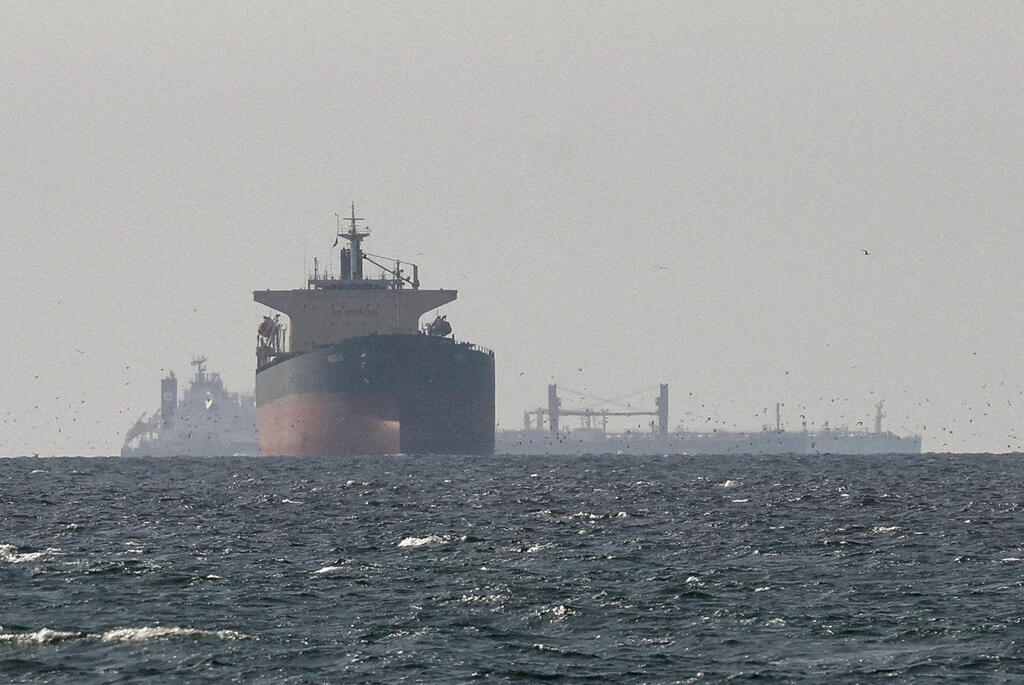
Officials now assess that breaking Iran’s grip on the strait could allow Trump to declare victory while stripping Tehran of one of its most powerful deterrents.
In Israel, officials say future strikes against Iran are likely unavoidable if Tehran resumes ballistic missile production or advances toward nuclear weapons capability.
The shift in focus comes as the United States deploys additional forces to the region, including about 4,500 sailors and Marines, along with F-35 fighter jets.
“These Marines are not coming as decoration,” one Israeli official said.
Iran has warned it would retaliate against energy targets linked to the United States if its oil and gas facilities are attacked. Over the weekend, ballistic missiles struck areas in southern Israel, including Arad and Dimona, near the country’s nuclear research center, with Iranian state media framing the attack as a response to a reported strike on the Natanz nuclear facility.
According to Israeli officials, the latest U.S. deployments signal a possible plan to seize control of both the Strait of Hormuz and Kharg Island, Iran’s main oil export terminal. Such a move could significantly cut off Iran’s oil revenues while ensuring the strait remains open.
At the same time, Trump has issued a 48-hour ultimatum demanding that Iran fully reopen the strait, threatening to destroy Iranian power infrastructure if it does not comply. Iran has rejected the demand and warned that any such attack would prompt strikes on regional energy targets, including power stations in Israel, as well as a potential full closure of the waterway.
Iran has already used a mix of conventional and asymmetric tactics to sharply reduce shipping traffic through the strait, from roughly 130 tankers per day under normal conditions to minimal levels now. U.S. strikes have targeted Iranian missile launchers, mine-laying vessels and fast boats in the area, but have not restored maritime traffic.
Israeli officials say the complexity of securing the strait is evident in what they describe as U.S. hesitation to fully commit naval forces, as well as efforts to involve European allies or China.
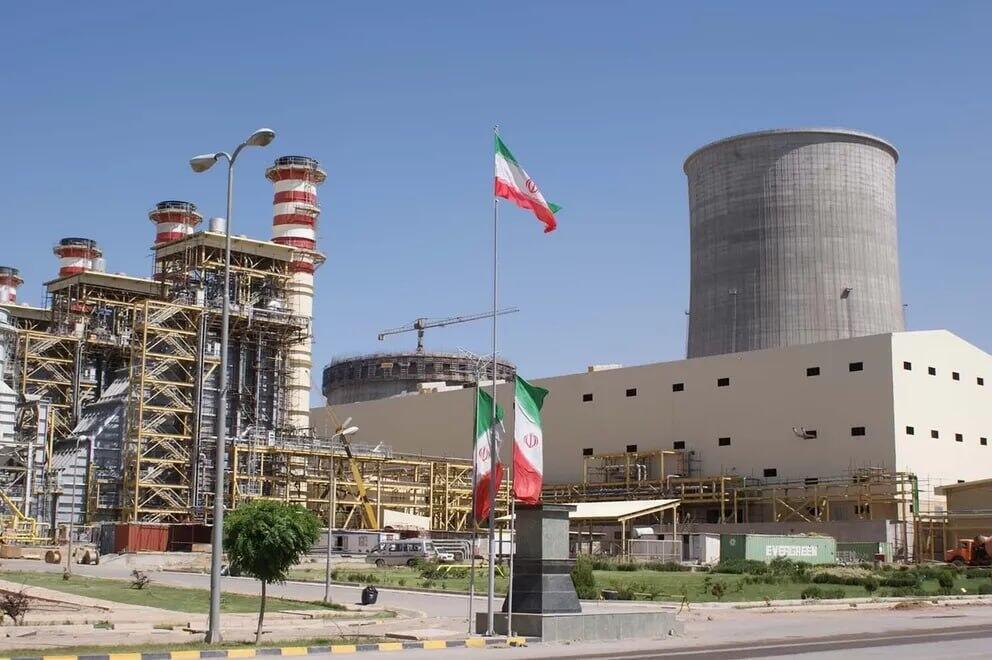
Iranian power plant
“The fact that they are moving slowly shows it is more complicated than expected,” one official said.
Any operation to secure the waterway would likely fall primarily on the United States and could take weeks, exposing forces to mines, drones and coastal attacks.
Israeli officials also assess that even after the war formally ends, additional strikes on Iran may be required, particularly if Tehran attempts to rebuild its missile program or advance its nuclear ambitions.
They say that if Iran loses its ability to threaten the strait, Israel would have greater operational freedom. If not, the waterway will remain a significant tool of deterrence for Tehran.
According to The Washington Post, these concerns have grown as early optimism following initial strikes — including the killing of Iran’s supreme leader Ayatollah Ali Khamenei and other senior figures — has given way to more cautious assessments about the regime’s stability.
The report also said Iran’s new supreme leader, Mojtaba Khamenei, is believed to be wounded, isolated and not responding to messages. However, Israeli officials say surviving elements of the Revolutionary Guard have reestablished control over the country.