

Israel is warning that the threat of attacks against Israelis and Jews abroad is rising ahead of the Jewish High Holidays and the third anniversary of the October 7 attack, with Iran, Hezbollah, Hamas and global jihad groups all cited as active threats.
The latest assessment from Israel’s National Security Council points to a broader and more persistent threat environment than in previous years, driven by the continuing conflict with Iran and its proxies, anti-Israel incitement and a growing number of plots and lone-actor attacks overseas.
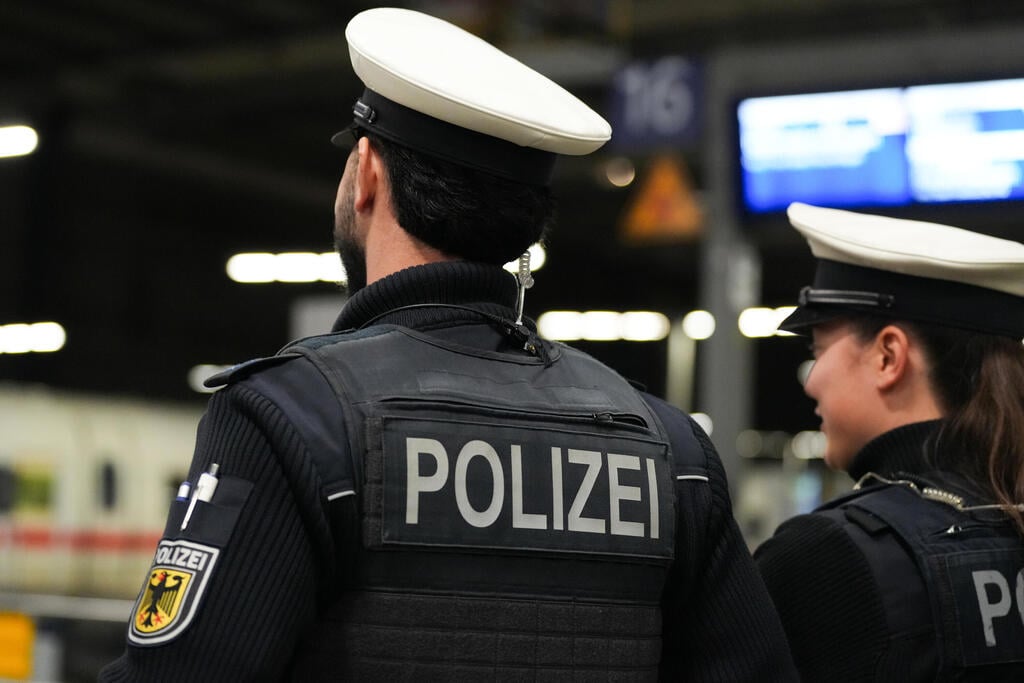
Police in Munich, file photo
(Photo: Leonhard Simon / Getty Images)
Officials say the October 7 anniversary could become a particular flashpoint, with the potential for both large anti-Israel demonstrations and attempts to carry out attacks.
Iran remains the main concern. Israeli officials say Tehran continues to use proxy networks, including criminal organizations, to target Israeli diplomatic missions, senior officials, security personnel, Jewish institutions and Israelis abroad.
Hezbollah is also viewed as a significant threat because of the losses it has suffered in fighting with Israel and its stated desire to avenge the deaths of senior commanders.
Hamas, meanwhile, is said to be working to establish operational networks in Europe and elsewhere for attacks against Israelis and Jews, while ISIS and al-Qaeda continue to call for attacks on Jewish targets, particularly in Africa and Asia but also in Europe and the United States.
The assessment also highlights the rise of lone attackers. Since the outbreak of the war, 25 Israelis and Jews have been killed in terrorist attacks abroad, according to the council.
These attackers often operate independently and target relatively exposed locations such as mass gatherings, synagogues, Jewish community centers and other public venues.
Several countries remain of particular concern because of their proximity to Iran or existing terror infrastructure. Azerbaijan, Turkey and the United Arab Emirates were singled out as vulnerable to Iranian activity.
Jordan, Qatar, Somaliland and Egypt, including the Sinai Peninsula, remain under the highest Israeli travel warning level. Israelis are also barred by law from traveling to Iraq, including the Kurdistan Region, Yemen, Iran, Syria and Lebanon.
Saudi Arabia, Bangladesh, Somalia, Pakistan, Afghanistan, Libya and Algeria are also considered high-risk destinations.
The assessment also reflects growing concern over how easily Israelis can be identified online. Officials are urging travelers not to post real-time locations and to remove or conceal social media content showing service in the IDF or other security bodies.
They are also advising Israelis to avoid openly displaying Israeli or Jewish symbols in sensitive destinations and to stay away from demonstrations and political confrontations.
The concern is not limited to organized terrorist groups. Officials say the combination of online radicalization, anti-Israel rhetoric and highly visible Israeli or Jewish targets has created a more unpredictable threat environment than in the past.