

According to recent U.S. intelligence assessments, Iran’s supreme leader, Mojtaba Khamenei, is “playing a crucial role” in shaping the country’s wartime strategy alongside senior Iranian officials. CNN reported this, citing several sources familiar with the intelligence.
The intelligence reports indicate that the division of authority within Iran’s leadership, described as “fragmented,” remains unclear. Still, officials believe Khamenei is likely helping direct how Iran conducts negotiations with the United States aimed at ending the war.
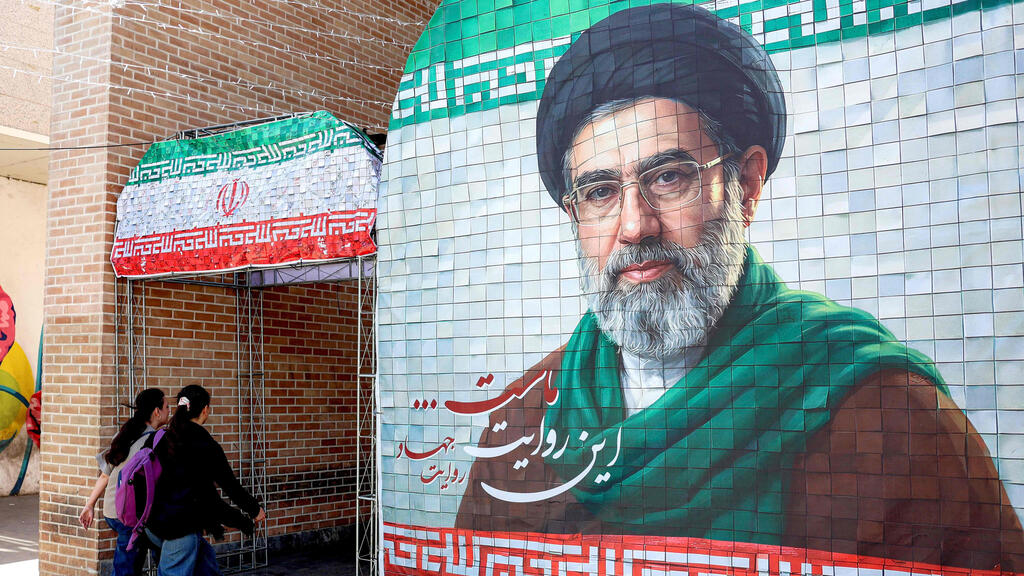
Khamenei has not been seen publicly since he was seriously wounded in the strike that killed his father and other senior officials in the opening blow of Operation Rising Lion. Since then, numerous reports have emerged regarding his medical condition and his role in the Islamic Republic’s new leadership structure.
Sources who spoke with CNN said the U.S. intelligence community has so far been unable to visually confirm Khamenei’s current whereabouts. He was declared his father’s successor on March 8.
Britain’s The Times reported last month that Khamenei had been hospitalized in serious condition in the city of Qom. One source told CNN that part of the uncertainty stems from the fact that Khamenei does not use any electronic means of communication. Instead, he interacts only with people who can meet him in person or relay messages through couriers.
The sources added that Khamenei remains isolated while continuing to receive medical treatment for his injuries, which reportedly include severe burns on one side of his body affecting his face, arm, upper torso and leg.
Iranian President Masoud Pezeshkian told Iranian state media earlier this week that he held a two-and-a-half-hour meeting with Khamenei. If true, CNN noted, it would mark the first publicly reported face-to-face meeting between a senior Iranian official and the supreme leader since the attack.
Officials familiar with the latest U.S. intelligence assessments said much of what American officials know about Khamenei’s condition is based on information gathered from people in contact with him. However, U.S. intelligence analysts are questioning whether some Iranian officials may be falsely claiming access to Khamenei in an effort to appropriate his authority and advance their own agendas.
While intelligence assessments indicate the leader remains involved in shaping Iran’s strategy for negotiating a diplomatic end to the war, one source familiar with the latest intelligence told CNN there is evidence suggesting he is largely removed from the decision-making process and only “rarely” accessible.
As a result, according to one source, senior commanders in the Islamic Revolutionary Guard Corps are effectively overseeing day-to-day operations alongside Parliament Speaker Mohammad Bagher Ghalibaf.
“There is no indication that he is actively issuing orders on a routine basis, but there is also nothing proving that he is not,” another source familiar with the U.S. intelligence assessments said.
The sources added that questions surrounding Khamenei’s health and standing within the fractured regime have posed a challenge for the Trump administration, as U.S. officials continue to argue it remains unclear who currently holds the authority to conduct negotiations to end the war.
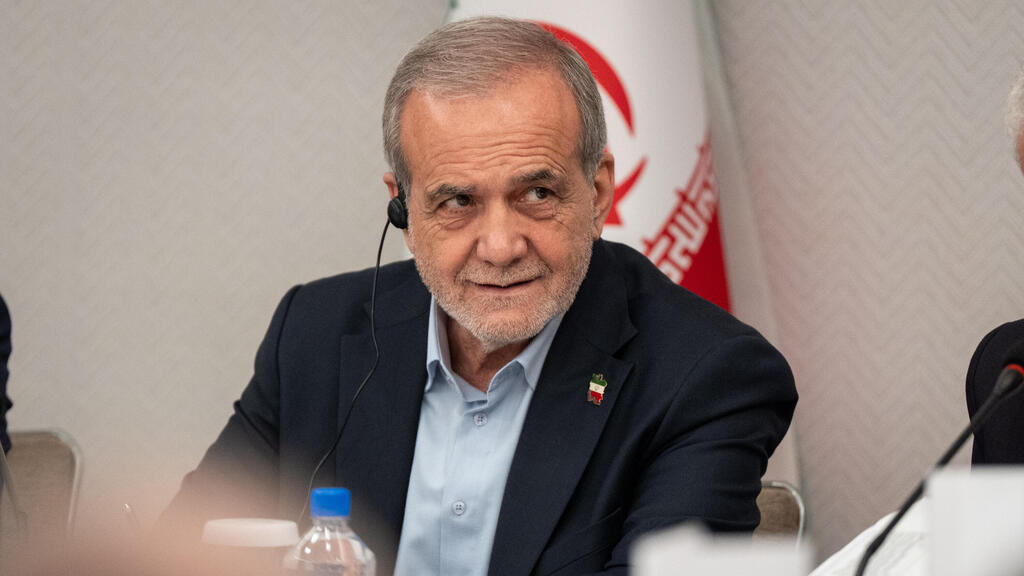
Iranian President Masoud Pezeshkian
(Photo: AP Photo/Angelina Katsanis)
About two weeks ago, The New York Times reported that the regime was restricting access to Khamenei out of concern Israel might attempt to assassinate him. According to that report, Khamenei is surrounded primarily by doctors and medical staff treating his injuries. Pezeshkian, a trained heart surgeon, was reportedly personally involved in Khamenei’s treatment.
Although Khamenei was said to have been seriously wounded, the report claimed he remained mentally sharp and communicated effectively with those around him. According to the report, one of his legs underwent three surgeries and he is now awaiting a prosthetic limb. He also underwent surgery on one of his hands, which is gradually regaining function. His face and lips suffered severe burns that have made speaking difficult, and he is ultimately expected to require plastic surgery.
In another report last month, Reuters said Khamenei’s face had been severely injured and “disfigured,” and that he sustained significant injuries to one or both legs. Reuters said at the time it had been unable to independently verify the descriptions, while Khamenei’s location, condition and ability to govern remained a mystery. Since the attack and his declaration as Iran’s new leader, no photographs, video footage or recordings of him have been released.
One source said at the time that updated images of Khamenei were expected to be published within one to two months, and that he could potentially appear in public by then. However, all three sources stressed that he would return to public view only once his health and the security situation allowed it.