

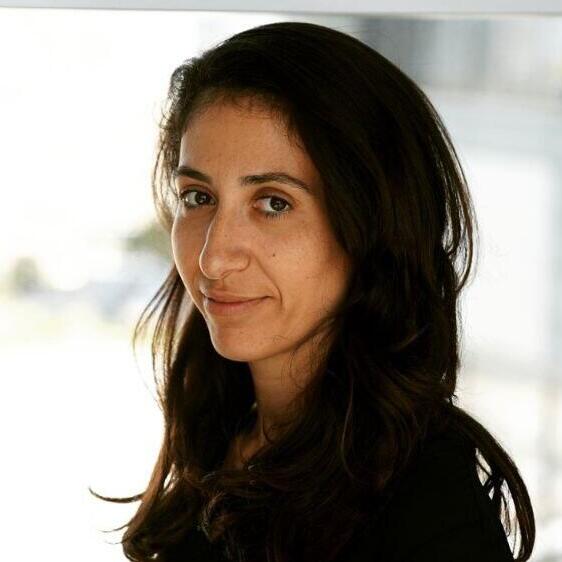
Lebanese Prime Minister Nawaf Salam said Saturday that Lebanon intends to complete the disarmament of all armed groups south of the Litani River by the end of the year — excluding areas currently controlled by Israel — and will move to consolidate Hezbollah’s remaining weapons in other regions over the course of next year.
In an interview with Qatar’s Al Araby TV, Salam said negotiations with Israel “have risen to a level higher than the military track,” but dismissed Israeli talk of economic cooperation as premature. “This will not happen before peace,” he said. “We are committed to the Arab Peace Initiative, to rebuilding and revitalizing the economy of southern Lebanon, and to clearing the area south of the Litani of weapons.”
His comments come as the United States presses both Israel and Lebanon to prevent the collapse of the northern ceasefire. Earlier this week, Israeli and Lebanese officials held a rare direct meeting in Naqoura, the first of its kind involving civilian and economic issues. Until now, the UN-supervised ceasefire monitoring committee had included only military representatives.
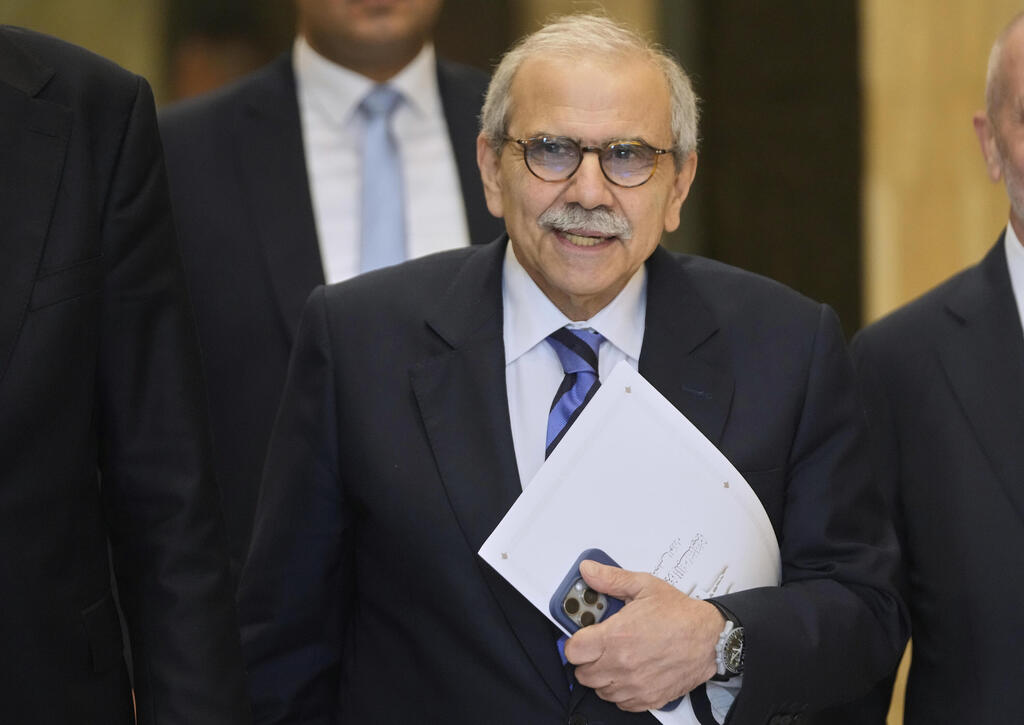
The meeting followed instructions from Prime Minister Benjamin Netanyahu, who directed acting National Security Adviser Gil Reich to send an Israeli representative. Reich dispatched Dr. Uri Resnick, a Foreign Ministry official on loan to the National Security Council. Resnick met with Lebanon’s appointed delegate, Simon Karam, a former ambassador to the United States selected by the government in Beirut.
Salam defended the decision to send a civilian representative. “If there is a need for additional civilians to participate in negotiations with Israel, we will do so. This is not the first time Lebanese civilians have taken part,” he said, adding that Parliament Speaker Nabih Berri had been informed of Karam’s role and did not object.
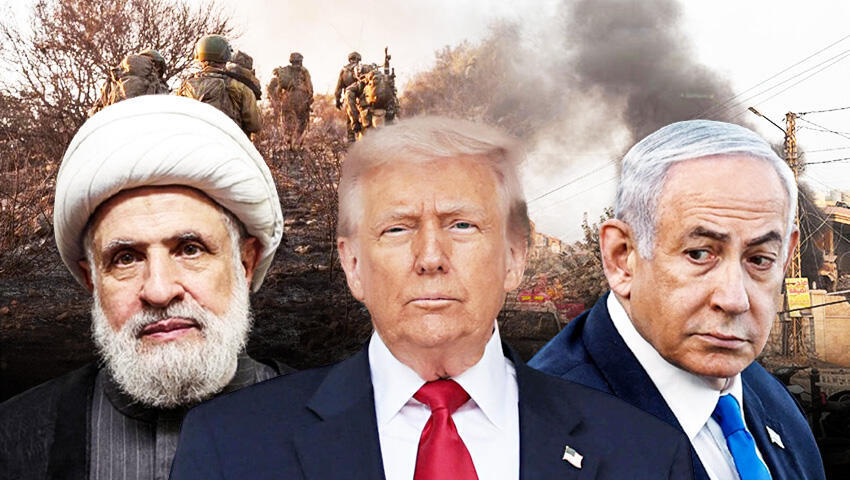
(Photo: IDF, REUTERS/Amir Cohen, REUTERS/Jessica Koscielniak)
The talks took place under heavy U.S. pressure and mediation. Morgan Ortagus — the U.S. special envoy for Lebanon and deputy to senior envoy Steve Witkoff — met beforehand in Jerusalem with Netanyahu, Defense Minister Israel Katz and Military Intelligence chief Maj. Gen. Shlomi Binder, who presented intelligence on Hezbollah’s growing capabilities and the Lebanese government’s inability to restrain it. Ortagus also attended the Naqoura meeting.
The U.S. Embassy in Beirut said after the talks that the participation of both sides “reflects the commitment of the ceasefire monitoring mechanism to facilitate political and military discussions aimed at achieving security, stability and lasting peace for all communities affected by the conflict.”