

Questions are swirling across Britain over Prime Minister Keir Starmer’s political future, after a dramatic revolt erupted within the Labour Party he leads. While none of his rivals has formally launched a leadership challenge, the race has effectively already begun, and political commentators struggle to imagine a scenario in which Starmer — whose popularity has plunged to historic lows — will lead Labour into the next general election, currently scheduled for 2029. Over the weekend, several reports suggested that, despite his public insistence that he would fight to stay in office, Starmer has privately indicated a willingness to bow to pressure and step aside.
Why did the revolt erupt?
The rebellion against Starmer erupted about a week ago following Labour’s crushing losses in local elections held this month in England, Wales and Scotland — elections widely viewed as a referendum on Starmer’s leadership. Elected less than two years ago, Starmer has seen his approval ratings collapse after a long series of political missteps. More recently, questions were raised over his judgment after appointing Peter Mandelson, a close associate of convicted sex offender Jeffrey Epstein, as Britain’s ambassador to Washington.
Gallery
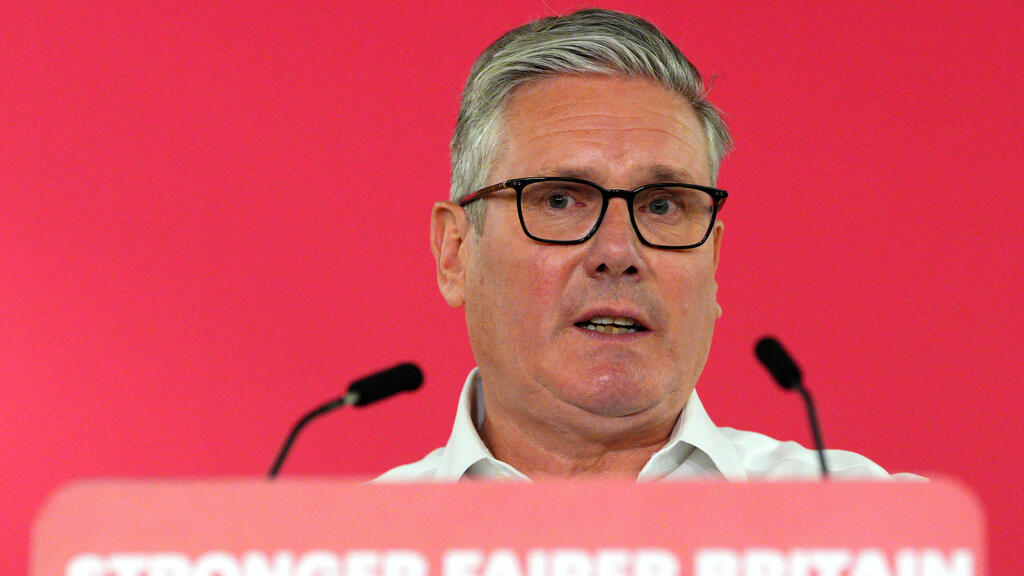
Prime Minister Keir Starmer promised not to resign, but in private talks 'keeping all options open'
(Photo: Carl Court/Getty Images)
Many within Labour see the local election defeat as a warning sign ahead of the next general election, which polls currently predict would deliver victory to Nigel Farage’s right-wing populist Reform UK party, whose central platform is cracking down on illegal immigration.
At least 90 of Labour’s 403 lawmakers have already called on Starmer to resign, arguing that a new leader is needed to implement reforms that could save the party at the next election. One of the most senior ministers in the Labour government, Health Secretary Wes Streeting, resigned on Thursday and declared that he had lost confidence in Starmer’s leadership. He later announced that he would run for party leader if an internal election is called — with the winner automatically becoming prime minister due to Labour’s overwhelming parliamentary majority.
In recent days, Starmer has tried to quash the rebellion, warning that opening a leadership contest would plunge the party into chaos and severely damage both its public standing and its ability to govern. He also said he intends to run in any internal election and fight for his political future.
If a leadership race is launched, several senior Labour figures are reportedly considering entering the contest — a scenario some British media outlets have described as a “civil war” within the party. So far, however, no formal challenge has been initiated. Under party rules, a candidate seeking to trigger a leadership contest must secure the backing of one-fifth of Labour lawmakers — 81 MPs. Although more than that number have publicly called on Starmer to step down, they remain divided into rival factions.
Is Starmer preparing to resign?
While Starmer publicly challenged his rivals to move against him, several British media outlets reported over the weekend that his private tone has been very different.
The Times reported that Starmer is now seriously considering announcing a “timetable” for his departure, and is furious over what he sees as “betrayal” by cabinet ministers — many of whom reportedly urged him to resign rather than defend him publicly.
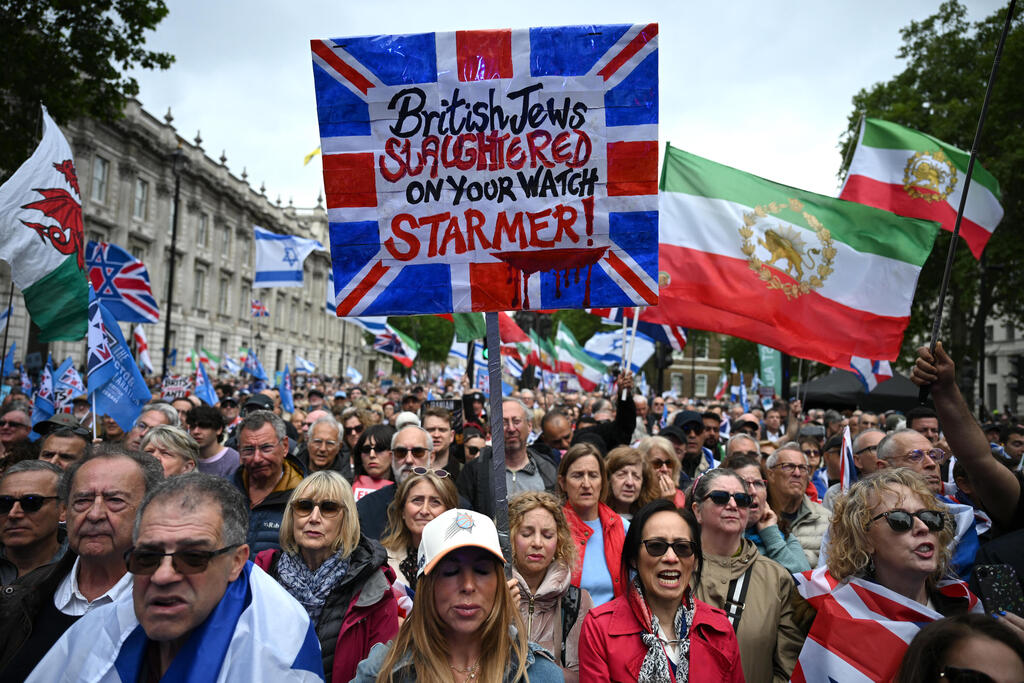
British Jews protest against Starmer last week, following the surge in anti-Semitic attacks
(Photo: Alishia Abodunde/Getty Images)
One unnamed cabinet minister told the newspaper: “The consensus in cabinet is that Starmer has to go — it’s just a question of when and how. The local elections showed he has lost the country.”
The Telegraph also reported that Starmer is considering stepping down, though not immediately. One minister described as loyal to the prime minister said that in private conversations Starmer sounds far less defiant than in his public statements. According to the minister, Starmer is keeping “all options open” and is considering the best path forward in order to preserve Britain’s stability during a sensitive international period.
On Sunday morning, Daily Mail columnist Dan Hodges published a report claiming that Starmer has effectively already decided to resign — though again, not immediately, but “on his own terms.” Hodges also cited an anonymous cabinet minister, who claimed the decision has already been made.
“Keir understands the political reality. He understands the current chaos is unsustainable. He simply wants to do this in a dignified way and on terms he controls,” the minister reportedly said.
Notably, Starmer has yet to publicly deny any of the reports. His ally in the cabinet, Culture Secretary Lisa Nandy, criticized the rebels against him and told Sky News this morning that he would still be prime minister when “the summer recess begins.” The meaning of that statement remains unclear, but she notably did not guarantee he would remain in office afterward.
She dismissed what she called “feverish speculation” and urged politicians to focus on governing. “We promised people change in their lives, and we have to publicly fight for that and show we can deliver it,” she said.
Who could replace him?
Starmer currently faces two leading challengers seeking to replace him as Labour leader and prime minister.
The first is former Health Secretary Wes Streeting, who officially confirmed over the weekend that he would run if a leadership contest is called.
The second — and widely viewed as the most popular senior Labour figure — is Greater Manchester Mayor Andy Burnham, who has served in the role since 2017. British media have nicknamed him “the King of the North” because of his willingness to confront governments in London and champion the interests of northern England.
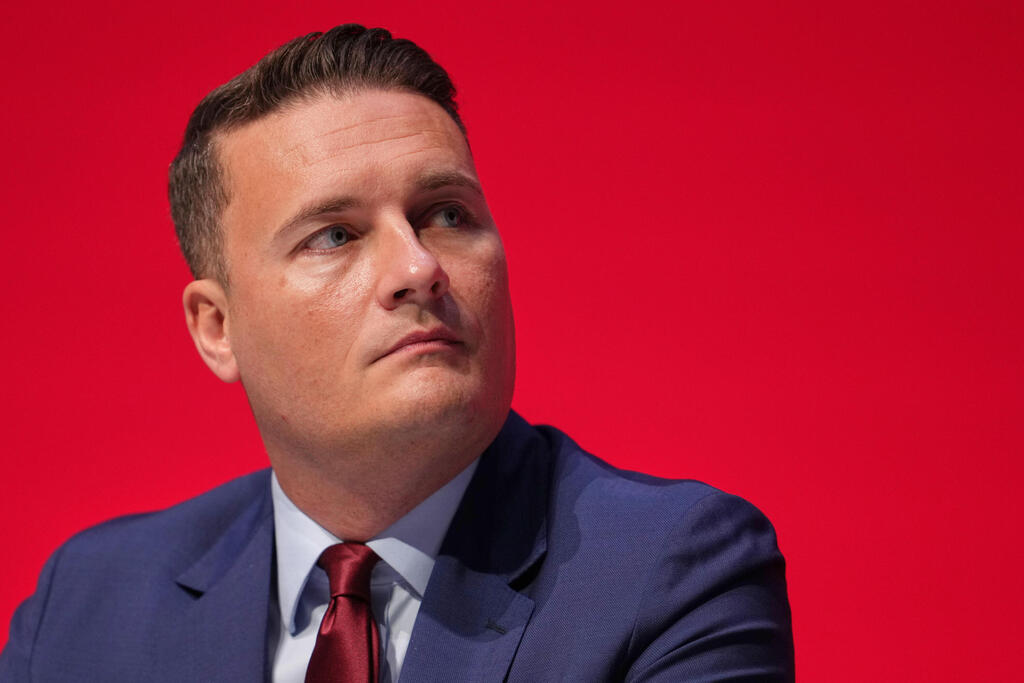
Former Health Secretary Wes Streeting
(Photo: Jon Super/AP)
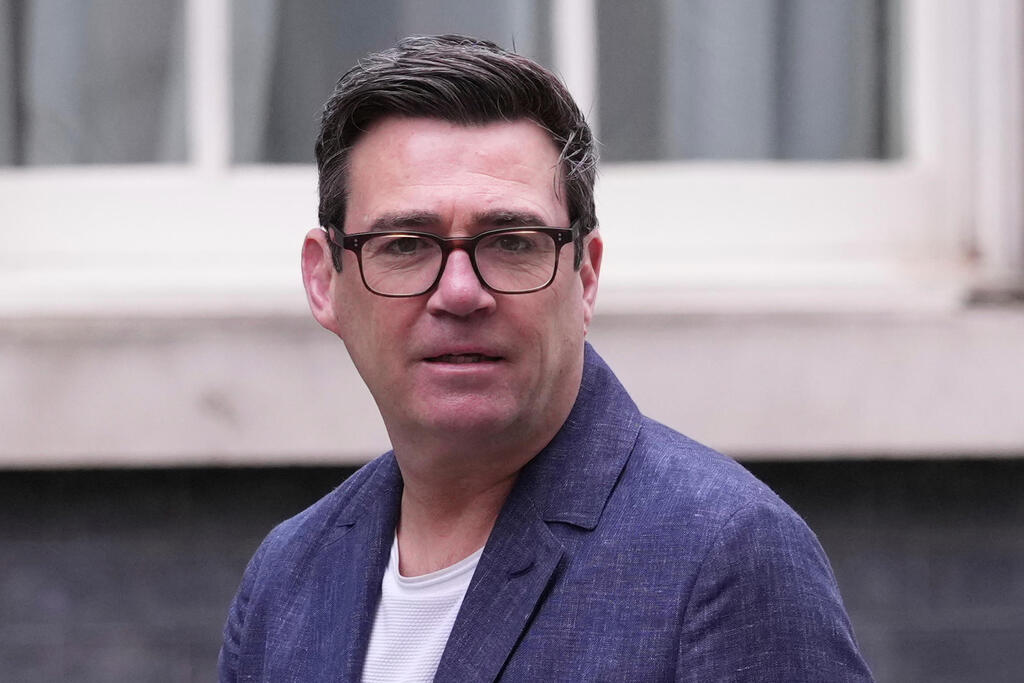
Greater Manchester Mayor Andy Burnham
(Photo: Alastair Grant/AP)
At present, however, Burnham is not eligible to run for Labour leader because he is not a member of Parliament. On Thursday, hours after Streeting resigned, Burnham announced that he had secured the resignation of a Labour MP to clear a seat for him in Parliament.
The lawmaker stepping aside is Labour MP Josh Simons, who represents Makerfield in Manchester. A by-election is now scheduled there for June 18, and Burnham has announced he will run.
The move carries significant risk. Reform UK has surged in the district. In the 2024 election, Simons held the seat by only about 6,000 votes over the right-wing challenger, and Reform’s support has grown since then.
Farage has already declared that his party will “throw everything” into winning the by-election and blocking Burnham’s path to Downing Street — not only embarrassing Labour, but potentially accelerating pressure for an early general election.
Why is Brexit suddenly back?
As part of Labour’s internal “civil war,” Streeting is seen as trying to block Burnham’s route into Parliament, and therefore his ability to challenge him for the leadership.
In a surprise speech last night, Streeting called for Britain to rejoin the European Union.
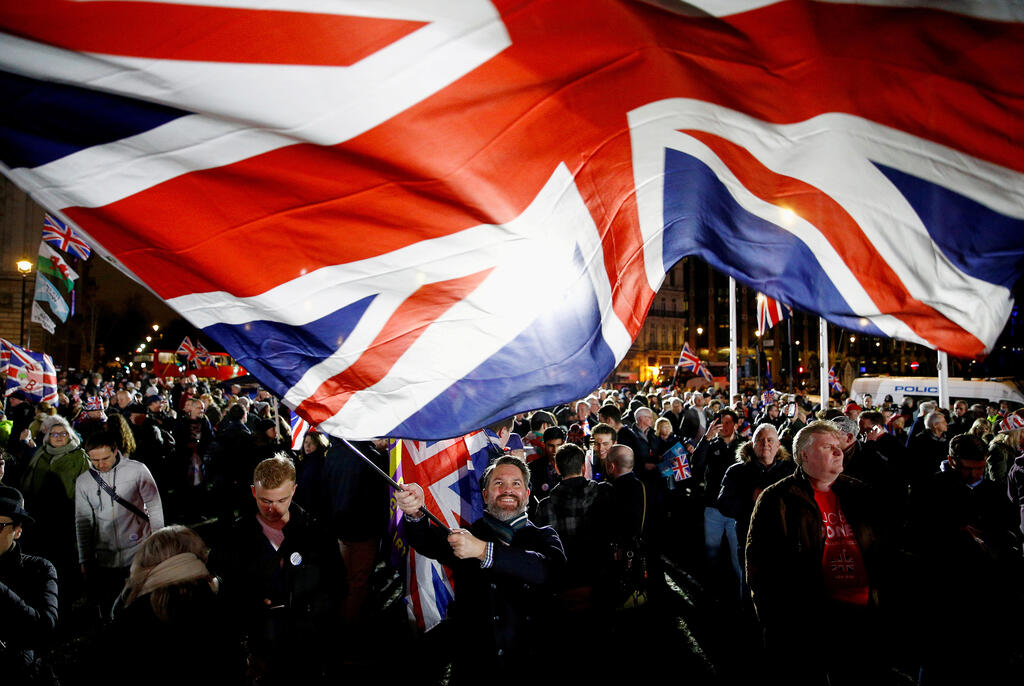
Brexit — Britain’s withdrawal from the EU following the shock 2016 referendum result — remains an especially sensitive issue within Labour, which opposed leaving the bloc at the time. Since taking office two years ago, Starmer has worked to improve ties with Brussels, while maintaining a “red line” against rejoining the EU due to lingering public opposition.
That opposition is especially strong in the Manchester area, and in Makerfield, where Burnham is now running, 65% voted for Brexit in the referendum nearly a decade ago.
Brexit supporters celebrate on Brexit Day, early 2020
(Photo: Reuters)
Streeting’s remarks thrust the issue back into public debate and created complications for Burnham, who last year said he hoped Britain would return to the EU “within my lifetime,” but is now trying to downplay those views.
Asked about the issue in an interview with ITV over the weekend, Burnham said that “in the long term” he could envision Britain rejoining the EU, but stressed: “I’m not calling for it in this election.”
Farage’s Reform UK quickly seized on the comments, saying Burnham “doesn’t want voters to remember what he said, but we’ll remind them for him.”
What about Farage’s own troubles?
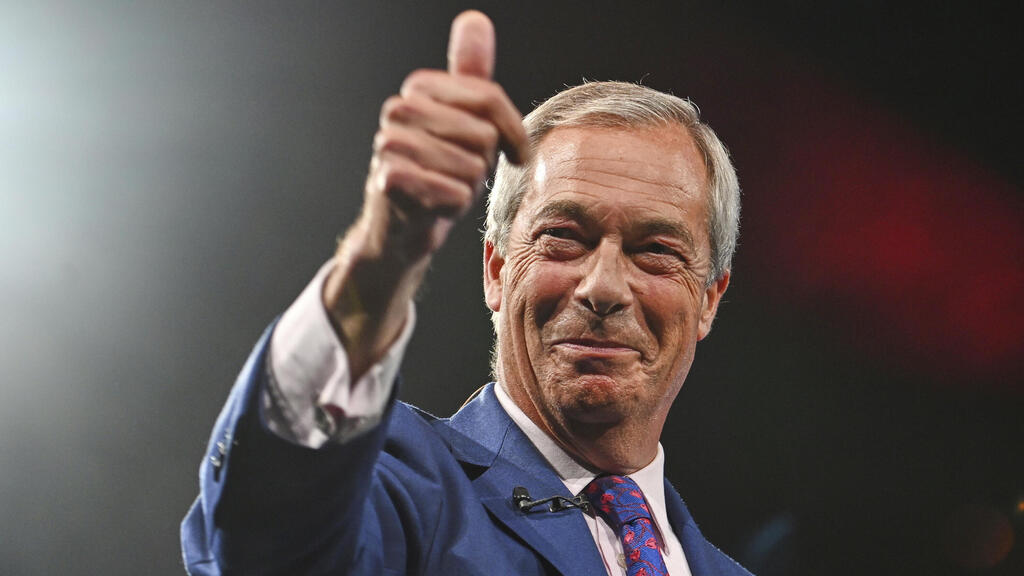
Farage himself is facing growing scrutiny after revelations last month that he concealed a massive £5 million donation received shortly before the 2024 general election.
Farage, who had previously stepped away from politics, reversed course and announced he would lead Reform UK only about a month before the July 2024 election. According to The Guardian, shortly before that announcement he received the £5 million from British billionaire Christopher Harborne, a crypto investor who lives in Thailand.
Farage has strongly denied that the donation influenced his decision to return to politics, saying the money was given “with no strings attached” and was intended to help fund lifelong security protection because of threats against him.
Nigel Farage
(Photo: Thomas Krych/AP)
On Thursday, however, he offered a somewhat different explanation, telling The Sun that the money was a “reward” for his years leading the campaign to take Britain out of the EU.
Reform UK later insisted the two explanations were not contradictory, saying the money was “a reward for all the years in which he put himself at risk — and remains at risk.”
Sky News reported last week that shortly after receiving the donation, Farage bought a £1.4 million house in cash. He insisted the purchase process had begun before receiving the money.
A parliamentary investigation into the matter is now underway, though Farage said he is confident it will amount to nothing.
“Nobody can buy me,” he told The Sun.
Conservatives sense an opportunity
One politician who may benefit from the chaos engulfing British politics is Conservative Party leader Kemi Badenoch.
The Conservatives are still recovering from their crushing defeat in the 2024 election, which ended their 14 years in power. They too suffered losses in this month’s local elections and have long been seen as having lost leadership of the opposition to Reform UK.
But the controversy surrounding Farage, combined with several forceful speeches delivered by Badenoch amid Labour’s leadership chaos, has given her fresh momentum.
American rapper Nicki Minaj came to Kemi Badenoch's aid
(Photos: Peter Nicholls/Getty Images; Chris Pizzello/AP)
During a parliamentary debate last Wednesday, Badenoch mocked Starmer as “a man in office but not in power” and lashed out at Streeting — one day before he resigned.
Referring to Britain’s struggling health system, she told him: “Why don’t you do your job? Do your job!”
After Streeting shouted something unclear at her from the benches, Badenoch replied: “There’s no point giving me dirty looks. We all know what you’re plotting.”
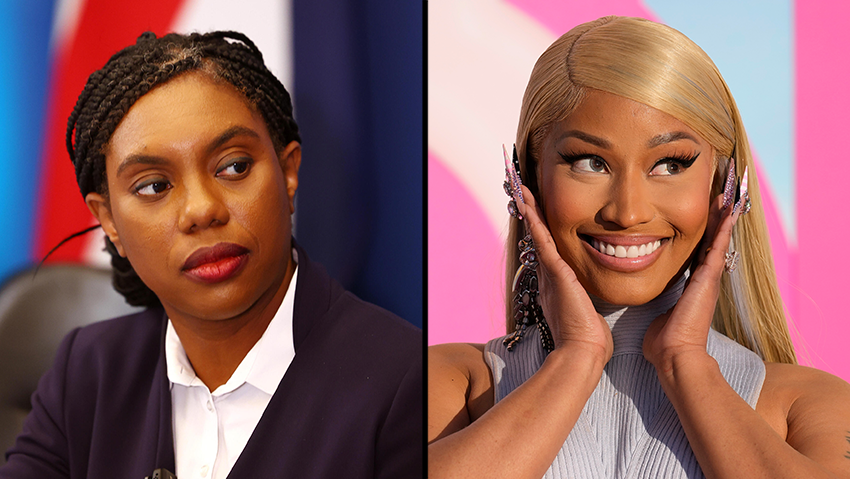
Unexpectedly, American rapper Nicki Minaj came to Badenoch’s defense over the weekend, sharing video of the exchange on X and comparing her to former British Prime Minister Margaret Thatcher.
“Britain is truly one of a kind. They’ll make movies and TV shows about her one day ... just like they did with Margaret Thatcher,” Minaj wrote.
A YouGov poll published last week also suggested Badenoch’s popularity is improving. According to the survey, 31% of Britons now hold a favorable opinion of her, compared with 48% unfavorable — her best numbers yet in the pollster’s surveys.
That compares favorably to Farage, who was viewed positively by only 27% and negatively by 64%, while Starmer remains deeply unpopular, with just 23% favorable and 69% unfavorable.
Boris Johnson warns: 'No more former prime ministers!'
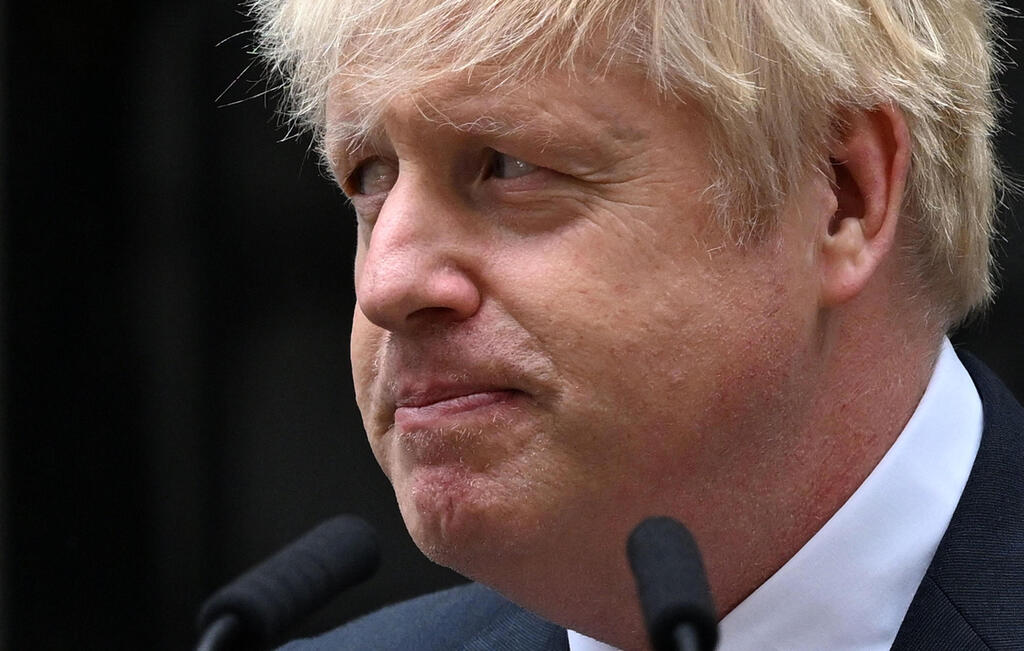
Former Prime Minister Boris Johnson — himself ousted by the Conservatives in 2022 — also weighed in over the weekend.
In a Daily Mail column, Johnson referenced the donation scandal surrounding Farage and argued that now is the right time to “bet” on Badenoch instead.
Johnson also warned of Britain’s growing political instability, noting that since the Brexit referendum the country has had six prime ministers. He joked that Starmer may soon join the ever-growing club of former premiers.
'No more former prime minister!' Boris Johnson
(Photo: AFP)
“Not another one! Not another former British prime minister joining the international lecture circuit,” Johnson wrote.
“At any given moment, there are about eight of us — former prime ministers — circling above New York, Miami or Mumbai, waiting to deliver our brilliant insights to giant conferences of gastroenterologists and cryptozoologists.
“The market for former British prime ministers is frankly already saturated. I think I speak for the rest of this elite trade union — John (Major), Tony (Blair), Gordon (Brown), Dave (Cameron), Theresa (May), Liz (Truss), Rishi (Sunak) — when I say we were not expecting another member for years.”
What could this mean for Israel?
Although Starmer angered Israel by imposing a partial arms embargo over the Gaza war and recognizing a Palestinian state last year, he is still considered relatively centrist within Labour, where the party’s left wing has grown increasingly influential.
Labour also fears losing support to the Green Party, which has gained momentum due to strong backing from Britain’s Muslim community.
As a result, if Starmer is replaced, his successor could potentially be even less supportive of Israel.
Streeting, for example, is considered part of Labour’s more right-leaning faction and belongs to the “Labour Friends of Israel” group, but he too has faced internal pressure to adopt a tougher line toward Israel.
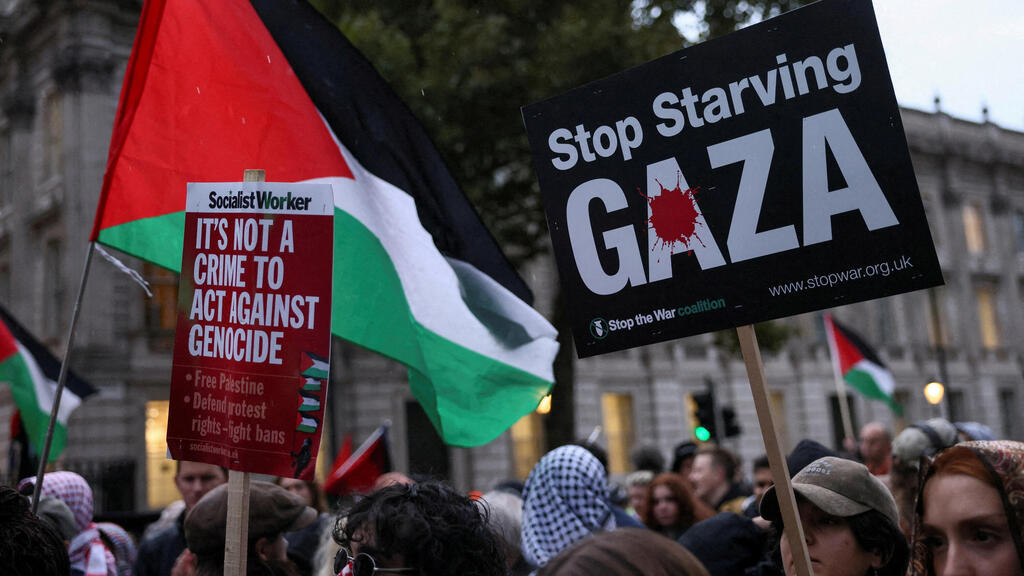
Pro-Palestinian demonstration in London. Archive
(Photo: Jack Taylor/Reuters)
In the 2024 election, he nearly lost his London parliamentary seat to anti-Israel Muslim candidate Leanne Mohamad, defeating her by just 528 votes.
In his victory speech, he reiterated support for a two-state solution.
“To be pro-peace, you have to be both pro-Israeli and pro-Palestinian,” he said.
He supported recognition of a Palestinian state last year, and earlier this year leaked messages revealed him accusing Israel of committing “war crimes before our eyes” in Gaza.
Burnham, the other leading contender, has previously expressed strong support for Israel. During Labour’s 2015 leadership contest — which he lost to far-left leader Jeremy Corbyn — he pledged that his first foreign trip as prime minister would be to Israel.
Far-left former Labour MP Zarah Sultana, who has since quit the party, wrote last week: “He joined Labour Friends of Israel, opposed BDS and described the boycott movement as ‘vindictive,’ praised Israel as a ‘democracy,’ and described the Balfour Declaration as ‘British values in action.’ He is a Zionist.”
Still, Burnham has also voiced criticism of Prime Minister Benjamin Netanyahu’s government and supported recognition of a Palestinian state, suggesting that if he becomes prime minister, British policy toward Israel may not differ dramatically from Starmer’s.