

The war in Lebanon appears to be pushing anxious residents toward sedatives and sleeping pills, according to pharmacists and local reports, though no official data has been released.
The Lebanese daily Al-Akhbar, which is affiliated with Hezbollah, reported last week that demand for sedatives had jumped by 300% since the fighting began. The figure was based on pharmacists’ accounts rather than controlled research, but it points to a population under mounting psychological strain.
War stress drives Lebanon’s rising demand for sedatives
(Video: Lior Sharon)


Demand is especially high in areas where residents have been displaced, pharmacists said. Many report anxiety attacks triggered by direct or indirect exposure to strikes.
“Is there something that will help me sleep?” pharmacist Suhail al-Gharib said is the most common question customers ask these days. Another pharmacist, Mohammed al-Husseini, said the strongest demand is for sleeping pills and sedatives.
Some pharmacists are trying to limit growing dependence by offering milder alternatives, including dietary supplements and herbal remedies.
Joseph Gharib, head of the Association of Pharmaceutical Importers, confirmed that pharmacy orders for these medications have risen significantly, but said that does not necessarily reflect actual consumption. He said increased orders may reflect stockpiling over fears of shortages, and that it will take three to four months before a clearer picture emerges.
The war is not the only factor driving Lebanese residents toward sedatives. Last month, Al-Modon, a website known for its opposition to Hezbollah, reported that years of overlapping economic, political and social crises have produced a state of collective anxiety that has long been visible in pharmacies.
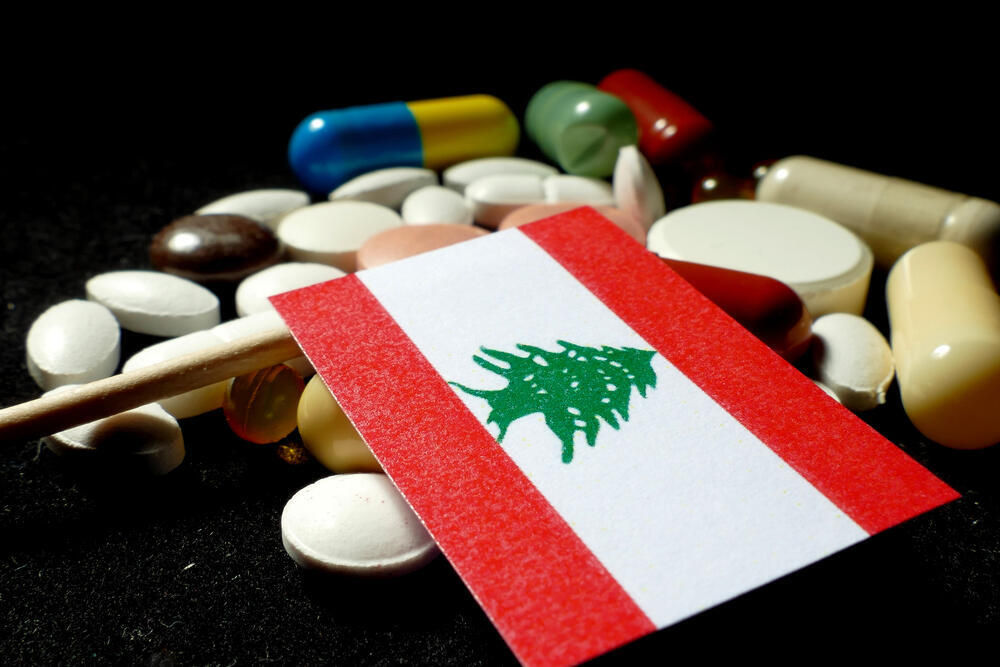
Medical reports cited by Al-Modon pointed to a significant rise in the use of sedatives and antidepressants in recent years because of financial pressure, instability and a broad sense of uncertainty.
“People are living in a real phobia of the future, not just the war,” said Ziad, a Beirut pharmacist.
Many families are stockpiling sedatives “for any emergency,” a trend that health professionals warn carries risks, including reliance on the black market, unregulated drugs and addiction.
The issue has surfaced repeatedly in Lebanon in recent years, both because of fighting and regional tensions and because of the country’s prolonged crisis since its 2019 economic collapse. The 2020 Beirut port explosion deepened the country’s socioeconomic and political turmoil, whose effects are still visible.
The Independent Arabia wrote April 19 that wartime conditions often increase sleep disorders, anxiety and stress, leading more people to seek sedatives. The report said many people were buying medications without prescriptions. A psychiatrist quoted by the outlet said the full scale of psychological damage would become clear only after the war ends, and that some people were turning to drugs rather than sedatives.
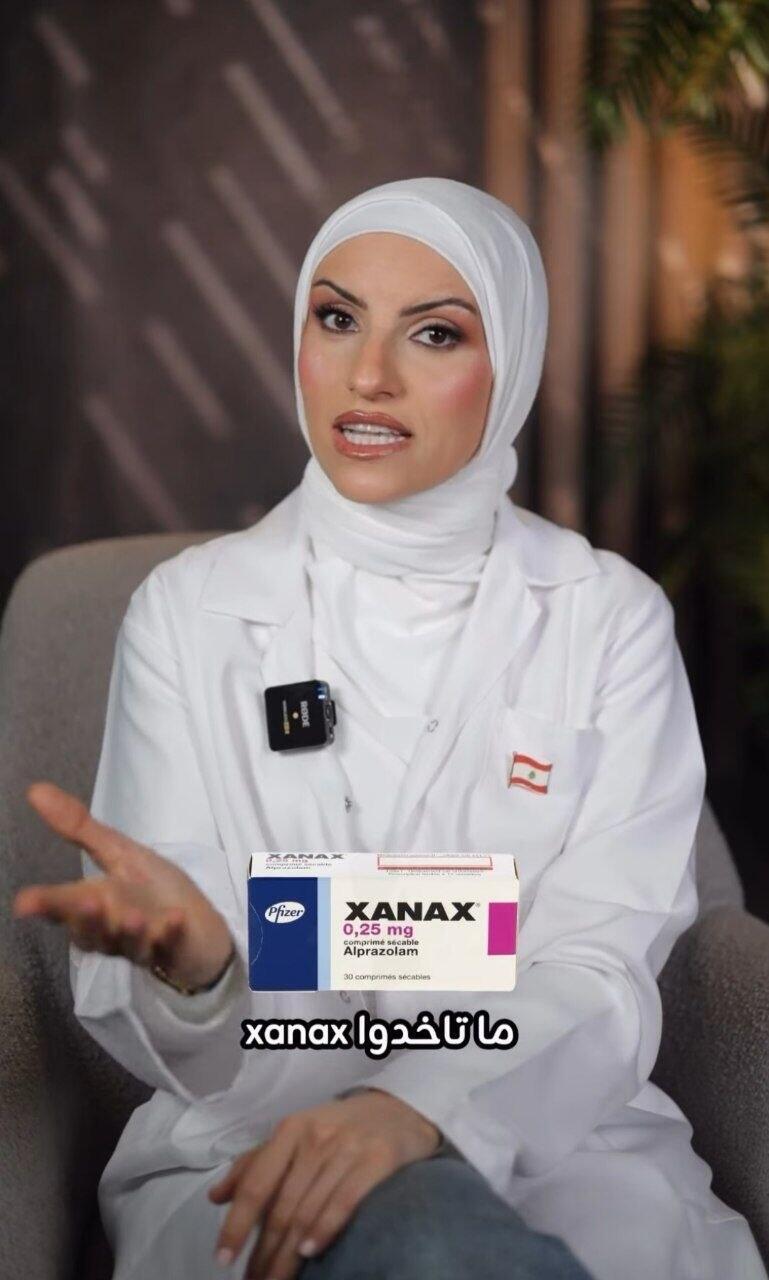
Drug boom in Lebanon: Pharmacist named Majida posts informational video on Instagram
(Photo: Instagram)
The trend is not new. As early as January, Al-Jadeed TV reported on the growing purchase of psychiatric medications without prescriptions as a quick response to stress and anxiety. Dr. Mahmoud Shehab, who appeared on the program, explained when medication is necessary and when misuse can lead to dependence and medical complications. He also cited the role of society, pharmacists and social media in amplifying the phenomenon.
Health professionals have also responded on social media. A pharmacist named Majida recently posted an Instagram video urging the public not to take medication based on recommendations from relatives or friends. She suggested dietary supplements as an alternative but warned that even those can interact with some medications and require consultation with a pharmacist.
Lebanon’s Health Ministry has operated a national mental health program since 2014 with international support. In recent weeks, it has released guidance tailored to the current situation, including advice on speaking with children about war and coping with anxiety during instability. It also operates a mental health support app.
Whether use of the app has risen by 300% has not been disclosed.