

Members of Hamas’ leadership council live abroad. The council is composed of five senior officials in the terror group: Mohammed Darwish, who serves as head of Hamas’ Shura Council; Khalil al-Khayya, who leads Hamas in Gaza and heads the group’s negotiation team; Zaher Jabarin, who oversees Hamas’ activities in the West Bank; Nizar Awadallah, a senior figure in Gaza; and Khaled Mashal, who is considered Hamas’ leader abroad.
Also included in Hamas’ overseas leadership are Razi Hammad, Izzat al-Risheq, Mousa Abu Marzouk and Hussam Badran.
See the attack in Doha


Attack in Doha, Qatar
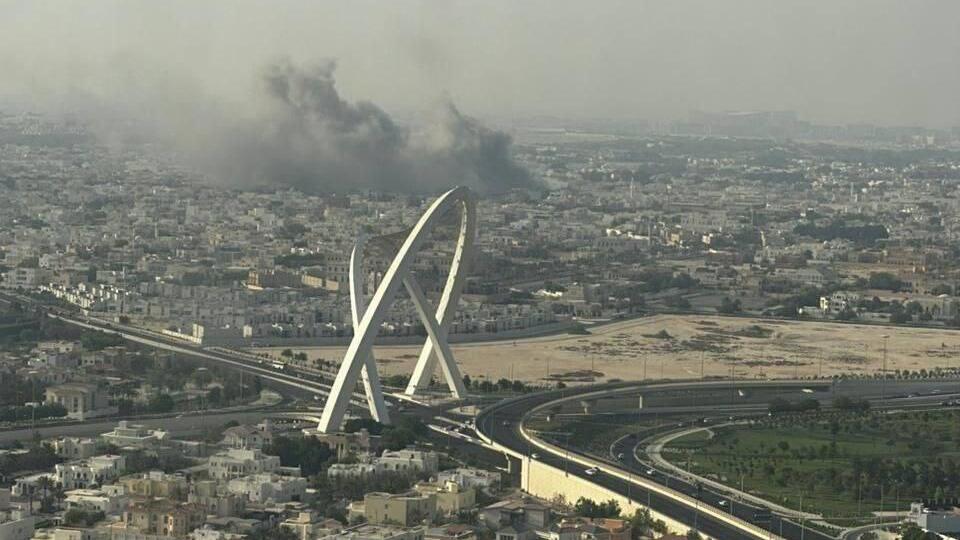
On Tuesday afternoon, several explosions were heard in Doha, Qatar’s capital. Witnesses said smoke rose above the city’s Katara district. Amid reports across the Arab world, an Israeli official confirmed that a strike had indeed been carried out in Doha — the first time ever — targeting senior Hamas officials.
The Israel Defense Forces and Shin Bet later said in a joint statement that the air force had “carried out a targeted strike against the top leadership of the terrorist organization.”
These leaders living abroad were the focus of Operation Summit of Fire:
Khalil al-Khayya
Khalil al-Khayya, formerly deputy to Yahya Sinwar, left Gaza before October 7 and since then has been considered one of the senior figures leading cease-fire and hostage deal talks on behalf of Hamas. He also has strong ties with Iran, which he visited after the assassination of Hamas leader Ismail Haniyeh to attend his funeral. The New York Times reported that al-Khayya was part of Sinwar’s “small military council,” convened over two years to plan the October 7 attack, and that he served as a special envoy in secret talks with Iran and Hezbollah.
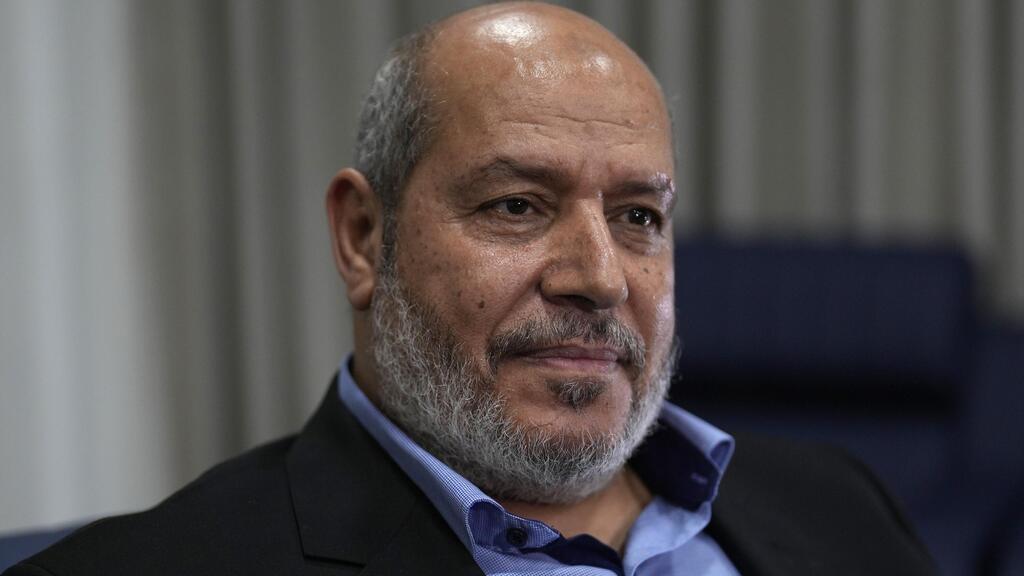
Khalil al-Khayya
(Photo: Khalil Hamra/AP)
When asked last year if he regretted the October 7 massacre, al-Khayya said he did not, despite the devastation in Gaza: “Let’s suppose they eliminate Hamas. Will the Palestinian people disappear?”
Khaled Mashal
Mashal currently serves as Hamas’ leader abroad and is regarded as one of the most powerful figures in the group’s political bureau. However, his views often differed from Sinwar’s, particularly regarding relations with Iran. Mashal headed Hamas’ political bureau for 21 years, from 1996 to 2017, when he stepped down and was replaced by Haniyeh. In 2021, he was reelected as Hamas’ leader abroad in an attempt to return to the Palestinian political stage.

Khaled Mashal
(Photo: Osama Faisal/AP)
In 1997, Mashal survived an assassination attempt in a botched Mossad operation in Jordan. Last year, the United States indicted him for involvement in the October 7 massacre. He lives a life of luxury in Qatar, and in the past his fortune was estimated at $4 billion to $5 billion.
Zaher Jabarin
Jabarin is considered Hamas’ “economic brain.” He previously served as head of Hamas’ prisoner portfolio and was deputy leader of Hamas in the West Bank until the assassination in Beirut of Saleh al-Arouri. Following that killing, The Wall Street Journal reported that Jabarin had in recent years become de facto overseer of a financial empire worth hundreds of millions of dollars, which the U.S. says funds Hamas’ terror operations.
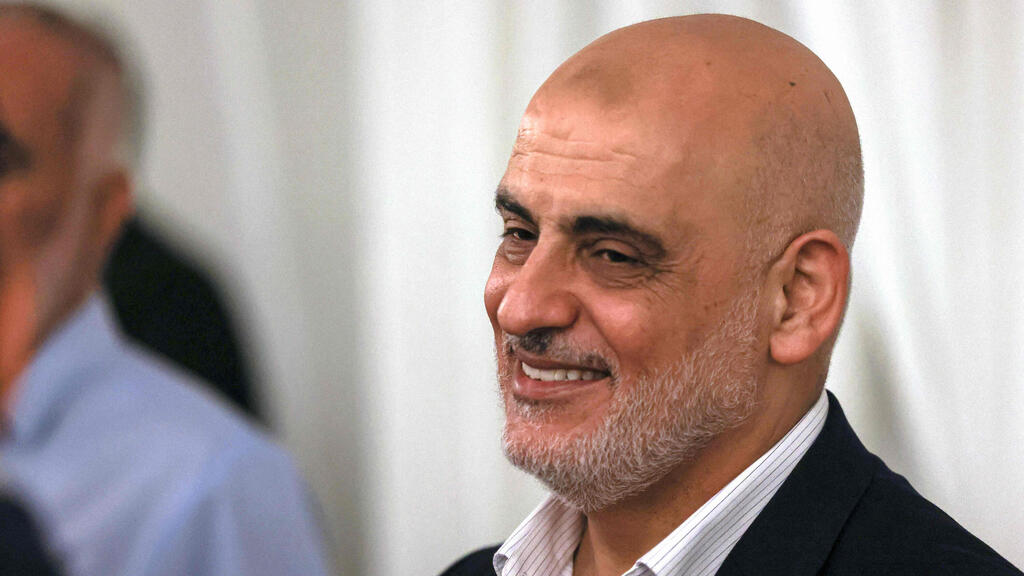
Zaher Jabarin
(Photo: Mahmud Hams / AFP)
He manages Hamas’ financial ties with Iran and, according to American and Israeli officials, ensures the transfer of funds from Tehran to Gaza. He also oversees companies that provide steady income to Hamas and runs a network of private supporters and businessmen who funnel money to the group.
Mohammed Darwish
The relatively unknown member of the council, Mohammed Ismail Darwish — also known as Abu Omar Hassan — heads Hamas’ Shura Council.
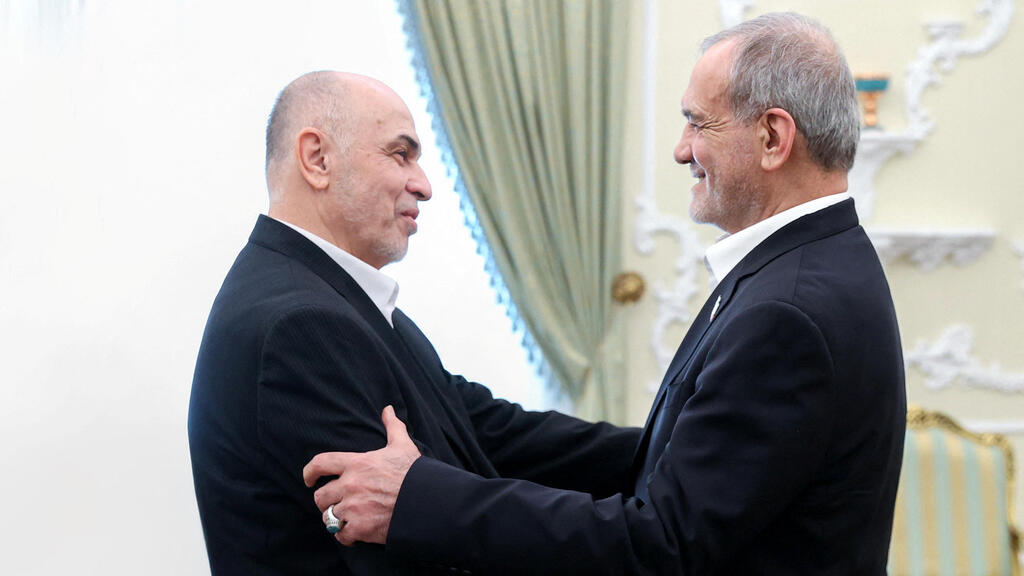
Iranian president meets with Hamas Political Bureau Chief Mohammad Ismail Darwish in Tehran
(Photo: Iran's Presidential website/WANA (West Asia News Agency)/Handout via REUTERS)
A week after Haniyeh’s assassination in Tehran, reports said Darwish had been selected to replace him as head of Hamas’ political bureau. The group later announced that Sinwar had been chosen instead.
Nizar Awadallah
Nizar Awadallah nearly defeated Sinwar in Hamas’ 2021 leadership election in Gaza, and is said to have “made Sinwar sweat.” He is one of Hamas’ founders and was close to the group’s spiritual leader and founder, Ahmed Yassin. Awadallah was part of the team that negotiated the Gilad Shalit prisoner exchange and is now, according to reports, again playing a central role in the hostage negotiations between Israel and Hamas.
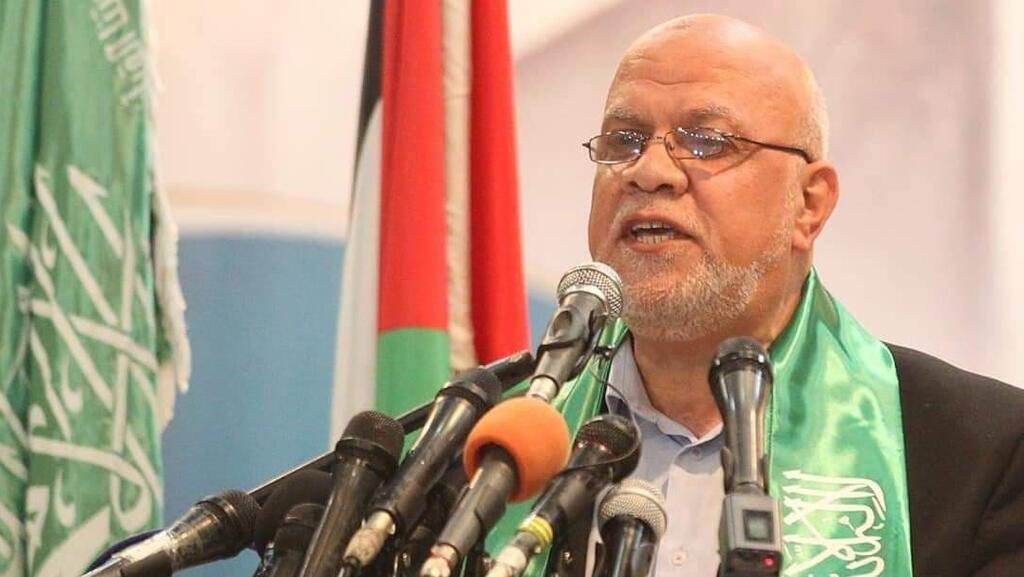
Nizar Awadallah
In their statement Tuesday, the IDF and Shin Bet emphasized that the “attacked leadership members have directed Hamas’ activities for years and are directly responsible for carrying out the Oct. 7 massacre and managing the war against the State of Israel.” The agencies added: “Before the strike, steps were taken to minimize harm to uninvolved civilians, including the use of precise munitions and additional intelligence. The IDF and Shin Bet will continue to act with determination to defeat the terrorist organization Hamas, responsible for the Oct. 7 massacre.”
Late last month, IDF Chief of Staff Lt. Gen. Eyal Zamir issued a threat to Hamas leaders abroad, who until now had mostly escaped harm during the war. After the assassination of Abu Obeida, the spokesman of Hamas’ military wing, Zamir said: “Most of Hamas’ leadership has been eliminated, and we are not done yet. Most of Hamas’ remaining leadership is abroad — and we will reach them as well. The IDF is operating offensively, proactively and with operational superiority across all arenas at all times.”