


Tomorrow (Wednesday) evening, families across Israel will gather for the Passover Seder with their loved ones.
But many households in which parents or children serve in the reserves will mark the holiday with empty seats, amid the wars in Iran and Lebanon and ongoing tensions in Gaza and the West Bank.
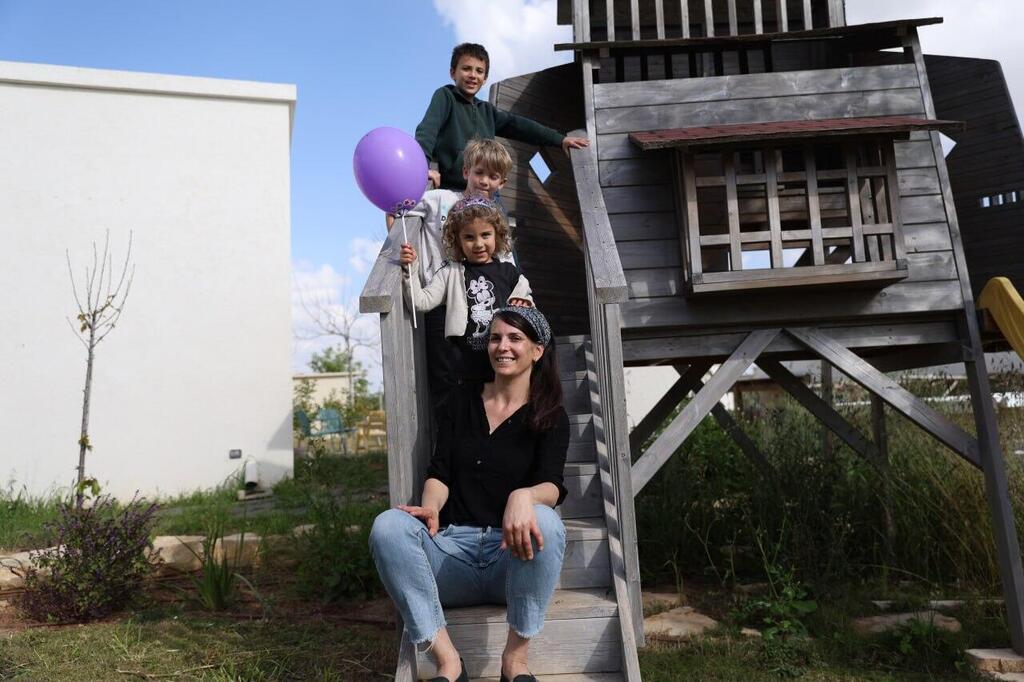
The Mason family, Kibbutz Kramim
Eliav and Sarit Mason of Kibbutz Kramim in the northern Negev will spend Passover apart. After more than 200 days of reserve duty during the Swords of Iron war, Eliav reported for a fifth round of service with the outbreak of fighting with Iran.
“The children don’t get used to the fact that dad isn’t home. After October 7, he was on a continuous five-month deployment. They keep asking why he’s leaving again and when he’ll be back,” Sarit said.
During the Seder, Eliav will remain in Lebanon in his role as operations NCO for Battalion 7056, while Sarit celebrates with their three children — Yarden, 10, Arbel, 7, and Aviv, 4. “We have no certainty about him. The last time we spoke was last week, and since then I’ve only received updates through representatives in his unit saying everything is OK,” she said.
Sarit also pointed to the strain prolonged reserve duty places on relationships. “Eliav and I founded an initiative of therapists focused on couples’ resilience, including retreats for reserve couples, which about 1,600 people have attended,” she said. “The goal is to process the reserve experience together and bridge the distance and gaps that have formed.”
She also described the challenges on the home front. “The children aren’t in regular frameworks, we’re constantly dealing with sirens, and there’s cumulative exhaustion after more than two years,” said Sarit, a member of the Maneuvering Families organization, which supports families of combat soldiers. “Eliav is already 44, he completed his formal service obligation, and still continues to report.”
“I hold on to the bigger picture and know this is important, that we’re part of something historic I believe in,” she added. “But the heavy price must be recognized, and I expect the state to take responsibility — personally, as a couple and as a family.”
The Cohen family, Ofra
The Cohen family of Ofra will once again mark the Seder without father Raymond, who serves as an operations sergeant major in Division 36. This year, their daughters — A., 22, a combat officer in the Armored Corps’ 52nd Battalion, and E., 20, an operations sergeant in the West Bank — will also be absent. Mother Atara, along with Shahar, 13, and Maya, 10, will join the grandparents for the holiday meal.
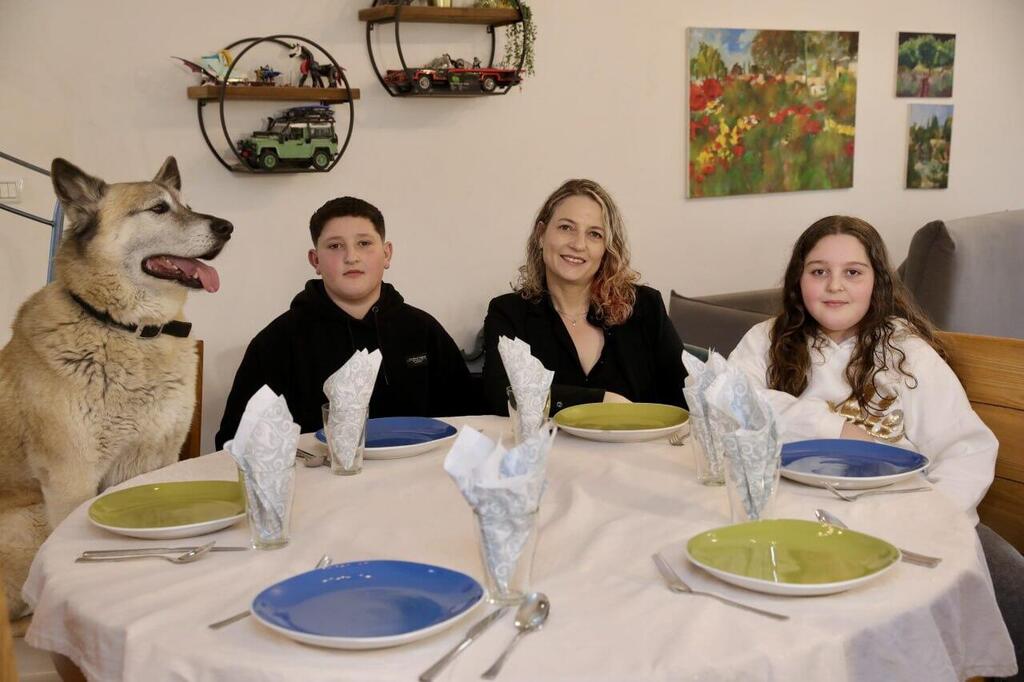
Atara Cohen and her children Shahar and Maya
(Photo: Gil Yohanan)
“This isn’t the first holiday he’s missed. In fact, most holidays over the past two and a half years we’ve spent without him,” said Atara, a leader in the Fourth Quarter movement, a civil society initiative. “You don’t get used to it — if anything, the opposite. There’s cumulative wear in repeatedly being alone.”
Despite the hardship, she emphasized the family’s sense of duty and understanding of the need for service. “We constantly reinforce that this is an important mission. Raymond and A., who are beyond the Lebanese border, understand how much Hezbollah threatens northern communities,” she said. “They see the danger firsthand and know how critical their presence is. The same goes for E. — she understands the importance of her work in the West Bank.”
Atara also stressed: “It’s not reasonable that the same families carry this burden again and again. We can’t accept it — we must demand change.”
Looking ahead, she expressed hope for a future holiday together. “We’ll go to my parents again — thankfully, we have a supportive home front, family and friends who surround us. But it’s no substitute for being together as a family. Holidays are family time. It can’t be that year after year, holiday after holiday, we’re split across different fronts.”
The Almog family, Nahariya
In the Almog family of Nahariya, both parents — Yarden and Chen — serve in the reserves. Chen is a combat soldier in Battalion 8149 in the Southern Gaza Brigade, and Yarden serves in the casualty response system.
Last year, Chen was on reserve duty but managed to attend the Seder meal, while Yarden remained on standby. This year, the family will sit together for the Seder with their four children — Aviad, 16, Roni, 13, and twins Roi and Meitav, 9 — though Yarden will return to base the following morning.
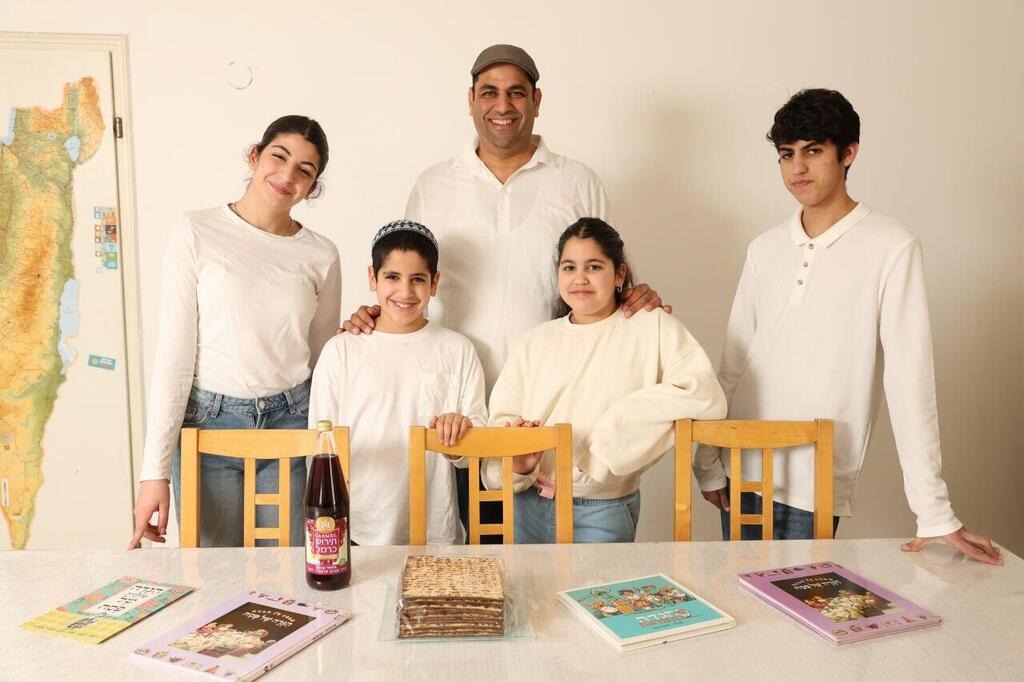
Chen Almog and the children Aviad, Roni, Roi and Meitav
(Photo: Elad Gershgoren)
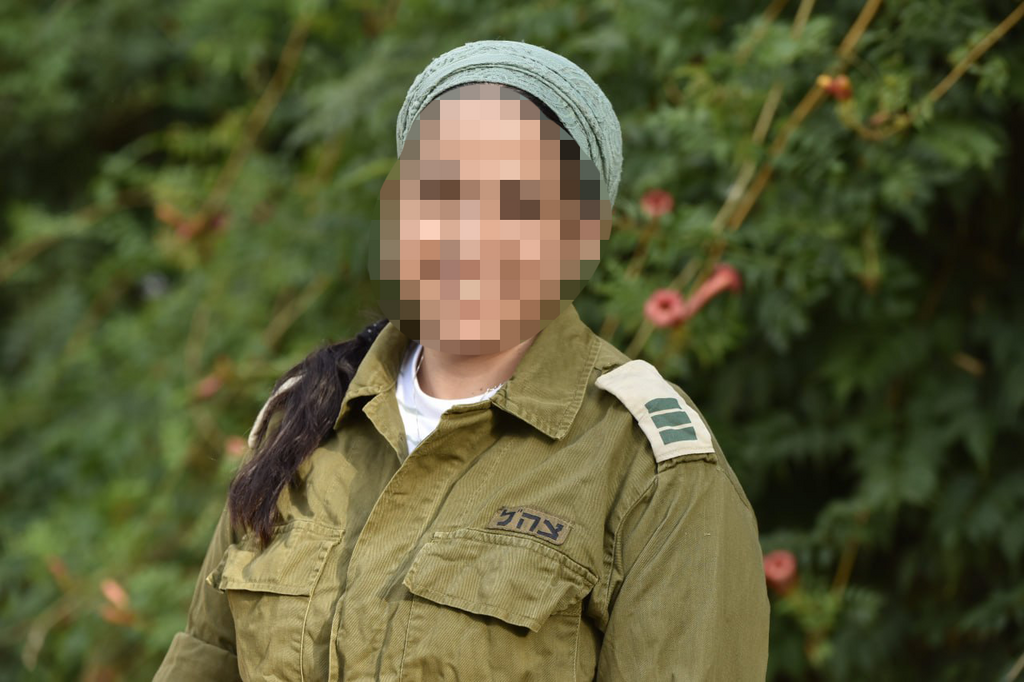
Yarden Almog, a mother serving in the reserves
(Photo: Sharon Tzur)
Throughout the war, Chen has completed more than 300 days of reserve duty, while Yarden has also served dozens of days. “I hope that next year, after two consecutive years of talking about having a parent in reserve duty during the holiday, we’ll be telling you about a family trip to Beirut after a peace agreement is signed,” Yarden said. “I don’t mind being called up as long as we’re needed, but I expect that when it ends, it ends completely — in both the north and the south. That the job is done properly.”
On how their children cope, Yarden said: “We have the bravest children in the world. Of course they’re disappointed, but they truly understand that this is what needs to be done — that sometimes the nation comes before the family.”
Chen added: “Our children are learning an important lesson about where we stand in relation to the state, and how much we can give for our country and our people.”
Meitav concluded: “We don’t have another choice. We can’t decide whether mom and dad go or not. When they leave, we feel the longing.” Aviad added: “But we understand this is a war. It’s important — it’s for the people of Israel.”