

After years of pressure from northern communities, the IDF has informed local authorities that Israel is preparing to provide advance warnings before rocket and missile fire from Lebanon, rather than only for launches from more distant fronts such as Iran or Yemen.
According to northern municipal leaders, the change is expected to take effect Tuesday, pending a final update from the military later Sunday. The IDF said in response to a ynet inquiry that final operational approval has not yet been granted.
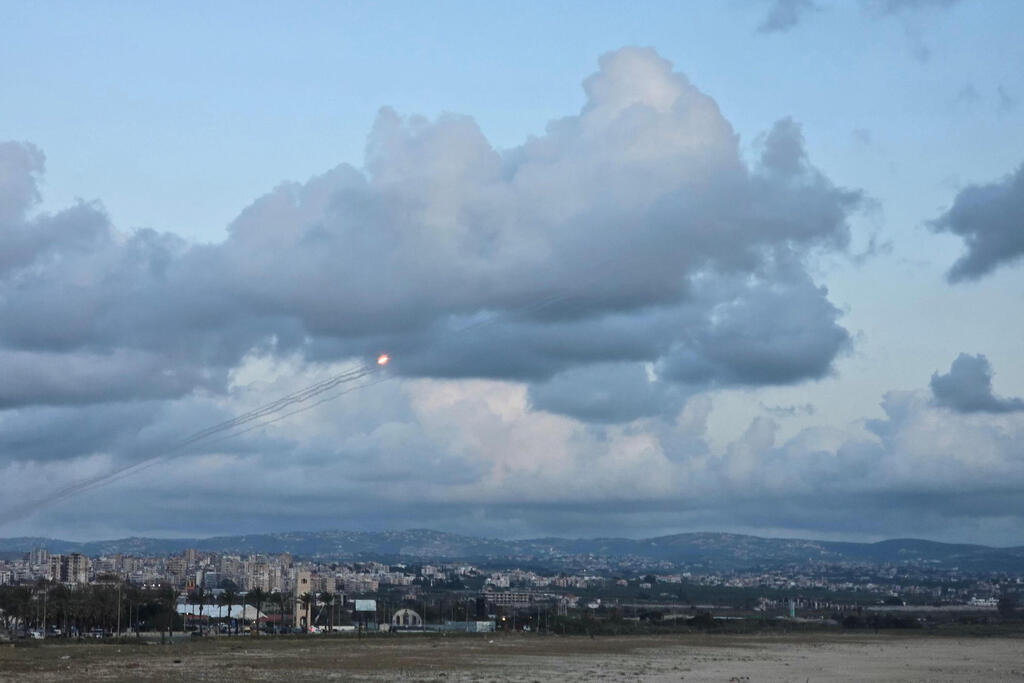
Rocket barrage from Lebanon
(Photo: Kawnat Haju/ AFP)
“As part of the ongoing effort to improve public warning capabilities, and following professional staff work, the Home Front Command, together with additional bodies, has developed the ability to provide advance guidance for fire from Lebanese territory,” the IDF said in a message sent to local authority heads.
The new advance warning would apply only to rocket and missile fire, and would give residents a short window to prepare, depending on their location. Communities along the confrontation line would have only several seconds, while residents in the Haifa area could receive up to about one minute and other parts of the country up to about two minutes.
The IDF stressed that advance warning would not be possible in every incident. Residents were told that whenever an alert is received, they must follow Home Front Command instructions and enter a protected space according to the warning time for their area.
Military officials said the necessary technological and intelligence capabilities already exist, but that the change is still undergoing the approval process.
The issue has been a longstanding demand among northern communities, which have argued throughout the war that warning times from Lebanon were too short and inconsistent compared with alerts for threats launched from farther away.
About two months ago, Mateh Asher Regional Council head and Confrontation Line Forum chairman Moshe Davidovich criticized plans to change the official warning definitions, saying they would not necessarily reflect the reality on the ground.
“Changing the definition on paper will not change the reality in the field, where there are also threats from ranges for which no sufficient warning can be provided,” Davidovich said at the time. He warned that such a move could endanger lives if it were used to reduce protection budgets or cut benefits for border communities.