

Prime Minister Benjamin Netanyahu is supporting a significant increase to Israel’s defense budget, backing most of the Defense Ministry’s requests even as Finance Minister Bezalel Smotrich pushes for tighter spending.
According to information shared with ynet, Netanyahu has leaned heavily toward approving expanded procurement plans, the creation of new units and a continued elevated reserve call-up averaging at least 60,000 soldiers serving daily.
Treasury officials recently froze several Defense Ministry and IDF contracts, accusing the defense establishment of overspending. They warned that rising security costs would have a major impact on the 2026 budget and even raised the possibility of a new tax on banks to offset the pressure.
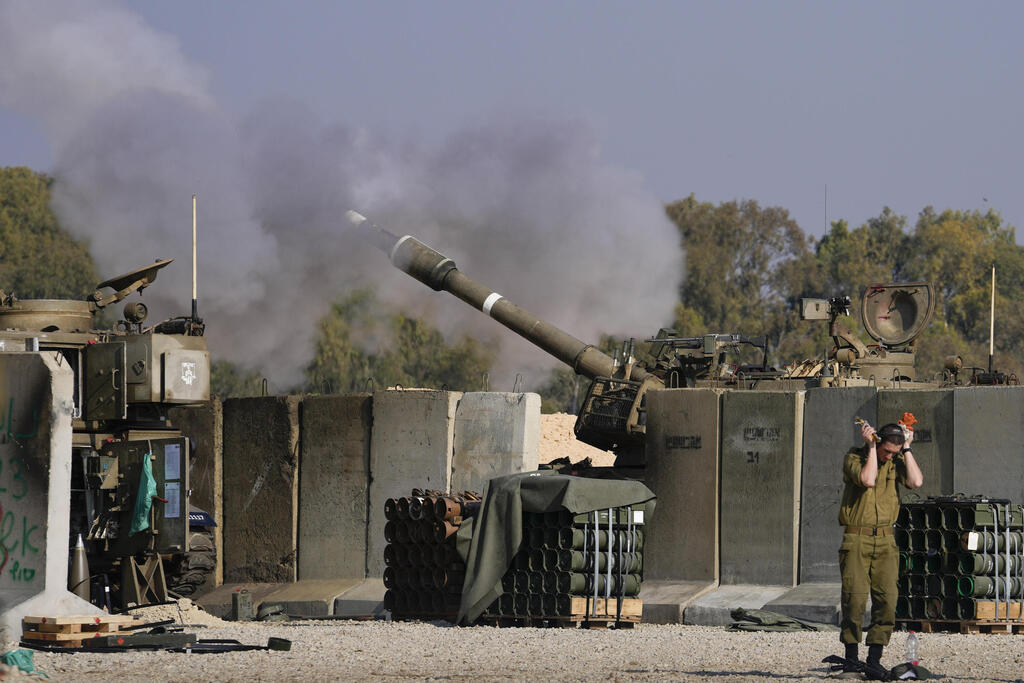
(Photo: AP Photo/Matias Delacroix)
Senior economic officials challenged the Treasury’s public estimate that the defense budget would land between 80 billion shekels and 90 billion shekels. One official said there was “no doubt” the final figure would surpass 100 billion shekels and likely reach at least 120 billion shekels, though it is not expected to hit the 144 billion shekels requested by defense leaders.
Every additional 2 billion shekels above Treasury forecasts adds 0.1% to the national deficit. A 20 billion shekel gap alone would push Smotrich’s target from 3.2% to 4.2%, compared with a projected 5.2% deficit this year.
Such an increase would also rule out Smotrich’s plan to cut income taxes by roughly 5 billion shekels, a move designed to ease the burden on middle-income earners making 16,000 shekels to 25,000 shekels a month.
Budget talks between Treasury officials and defense leaders are ongoing ahead of a government vote scheduled for December 4. The outcome will determine whether planned reforms and tax reductions can move forward.
Under the Treasury’s timetable, the budget will go to a first Knesset vote in mid-January and is slated for final approval in March. Until then, Israel will continue operating under a one-twelfth monthly extension of the 2025 budget, marking the fourth straight year the government has relied on a rolling budget.