


Nearly one-third of Israel’s population lacks adequate protection against missile attacks, according to a report released Tuesday by State Comptroller Matanyahu Englman, highlighting persistent gaps in civilian and institutional preparedness more than a year into a multi-front war.
The report found that as of early 2025, about 3.2 million people — 33.6% of Israel’s residents — do not have access to standard protective shelters. Among them are 42,575 residents living in communities located 7 to 20 kilometers (4 to 12 miles) from the Gaza border. In addition, about 11.7% of public shelters nationwide are unfit for use.
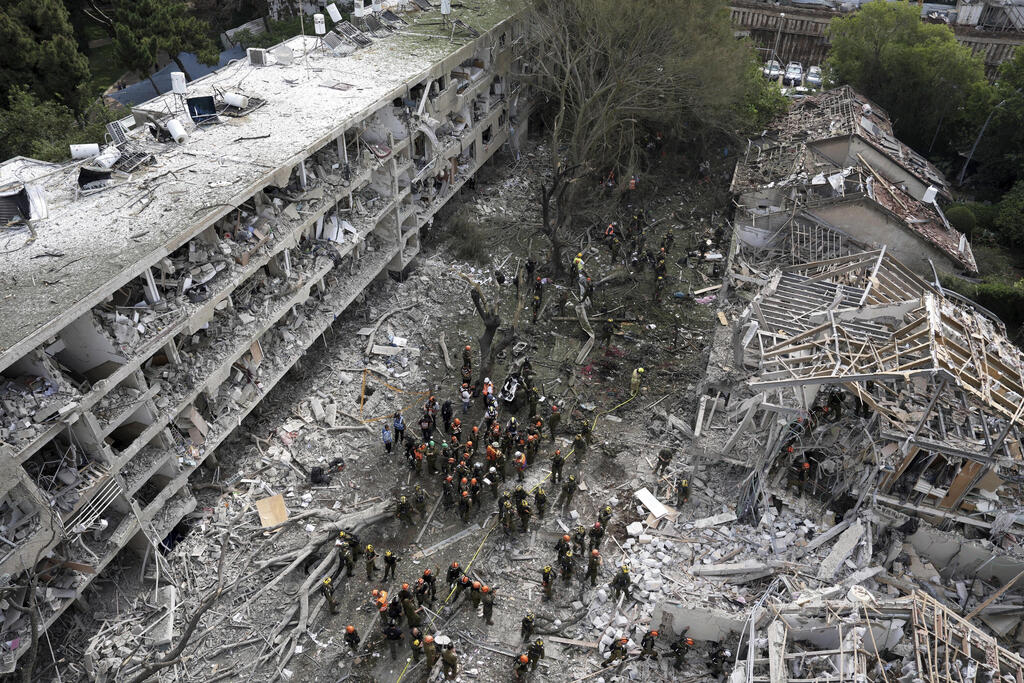
Since Hamas’ surprise attack on Oct. 7, 2023, and through November 2024, tens of thousands of missiles, rockets and explosive drones have been launched toward Israel, killing civilians and damaging buildings and infrastructure, the report said. Physical protection measures are intended to reduce casualties and save lives.
Local authorities and civil defense failures
Englman said longstanding gaps in sheltering were not addressed, despite warnings as early as 2018. The Home Front Command, the military body responsible for civilian defense, froze the second phase of a national municipal protection program and failed to implement an alternative plan, the report found.
The comptroller said the Home Front Command did not adequately oversee how local authorities implemented its guidelines or ensure that shelter solutions matched population needs during emergencies. For nearly seven years, the report said, approval of the municipal protection plans was delayed, leaving preparedness largely to the voluntary decisions of local governments.
The report also highlighted disparities affecting Israel’s Arab citizens. According to Home Front Command data, only 37 of Israel’s 11,775 public shelters — about 0.3% — are located in Arab localities, and eight of those are not usable.
Schools and early childhood facilities
Significant deficiencies were also found in the education system. Education Ministry data showed that as of March 2024, about 25% of students in 94% of Israeli schools — more than 466,000 children — attended classes without standard protective spaces.
At the time of the audit in August 2024, the ministry lacked data on sheltering in about 51% of kindergarten classrooms and found that 46% of day care centers did not have standard protection during the 2023-24 school year.
Budget gaps and stalled programs
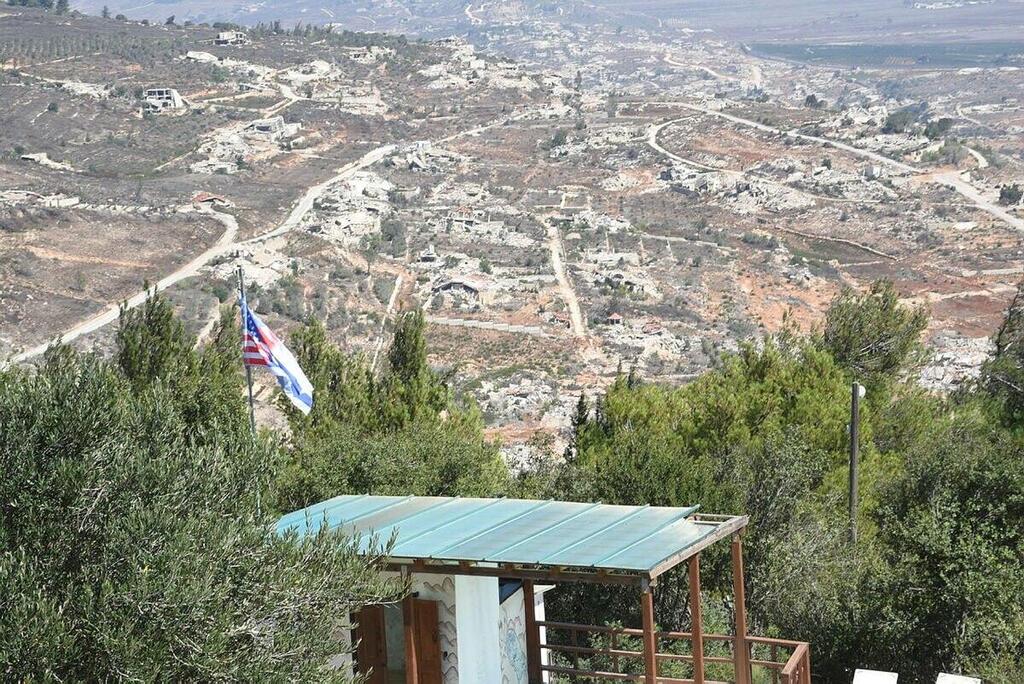
The report reviewed a multi-year civil defense program known as “Shield of the North,” intended to improve preparedness along Israel’s northern border. Between 2019 and 2024, the Home Front Command was allocated 1.406 billion shekels ($380 million), including 869 million shekels in 2024 after the outbreak of the war. However, the security cabinet had determined that 3 billion shekels were required over that period.
(Photo: Aviho Shapira)
By the end of 2024, only about 733.7 million shekels — roughly 52% of the allocated funds — had been spent, the report said. Englman noted this was a recurring failure, citing a 2020 audit that warned the program lacked proper budgetary backing under Israeli law.
Arab community emergency response
Following the outbreak of the war, the Ministry for Social Equality established an emergency operations room to assist Arab communities, but the initiative was discontinued in May 2024 after the minister, May Golan, decided not to extend its operation.
While the comptroller said the continued operation of the center was not necessarily required as the war evolved and other mechanisms emerged, he criticized the ministry for failing to consult relevant bodies before closing it.
Housing aid in Ashkelon
The report also criticized delays in a government program to help residents of the southern city of Ashkelon build reinforced safe rooms. Although a cabinet decision was approved in early 2022, the Housing Ministry did not publish procedures to access grants and loans until June 2023.
As a result, budgets totaling 106 million shekels for 2022 and 2023 went largely unused. Between July 2023 and September 2024, only one eligible applicant received assistance — a grant of 158,000 shekels — out of 50 million shekels allocated for that year.
“When the government, the Home Front Command and local authorities do not prepare properly in routine times, Israeli citizens pay the price when a crisis erupts,” Englman said.
Hospitals under fire
The report devoted a major section to the protection of hospitals, warning that gaps pose a serious threat to the health system’s ability to function during prolonged conflict. Englman cited findings from inspections conducted shortly after the Oct. 7 attack, which revealed urgent sheltering deficiencies, particularly in life-saving treatment areas.
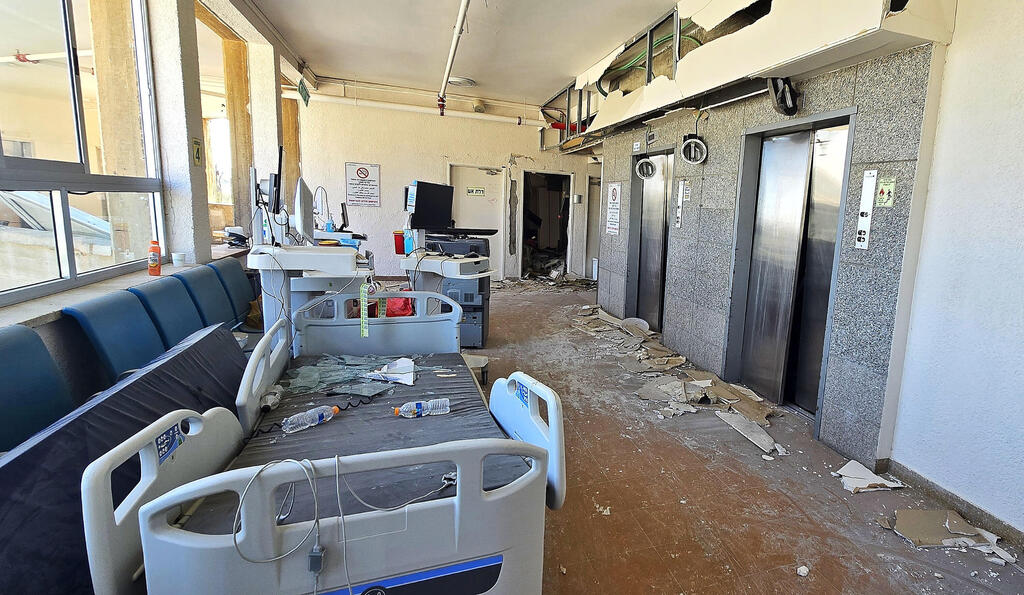
Those risks were underscored on June 19, when an Iranian missile struck Soroka Medical Center in Beersheba during Israel’s war with Iran. There were no casualties because patients had been evacuated in advance, but the strike severely disrupted the hospital’s operations.
According to the audit, hospitals near Israel’s borders lack adequate protection for critical facilities. Among the findings: 67% of imaging machines, 48% of general inpatient beds, 25% of intensive care beds, 22% of operating rooms, 18% of dialysis stations and 17% of neonatal cribs in those hospitals are not protected.
(Photo: Meir Even-Hen)
Some hospital areas are classified as “the most protected available” — spaces that do not meet standard shelter requirements but are permitted for use in emergencies when no better option exists. Englman stressed that such areas do not provide full protection.
Across all 27 general hospitals in Israel, the report found that more than half of general inpatient beds and more than 60% of imaging machines are not protected. Significant gaps were also found in operating rooms, catheterization labs, intensive care units and emergency departments.
Long-term care, psychiatric and rehabilitation hospitals were found to be especially vulnerable. In Israel’s southern district, fewer than one-third of beds are protected, and in the Tel Aviv area only about 7% are.
Call for a national plan
The Health Ministry has estimated that closing shelter gaps in hospitals would cost about 4.8 billion shekels, but most long-term projects remain unfunded. Englman called for a national, multi-year plan, coordinated with the Finance Ministry, to prioritize and fund hospital protection projects.
In a written response, the Health Ministry said strengthening protection has long been on its agenda but acknowledged severe resource constraints. The ministry said that since the start of the war it has accelerated efforts, adding more than 3,600 protected hospital beds at a cost exceeding 670 million shekels, including during the recent fighting with Iran.
The ministry added that additional funding for hospital protection projects, including at Soroka, is expected to be included in the 2026 budget.