

After more than two years of secrecy, the Supreme Court on Thursday allowed the publication of new details in the criminal case against a man accused of impersonating a military officer at the start of the war, including his identity.
The defendant was named as Assaf Shmuelevitz, who is charged with serious espionage offenses for allegedly posing as an army captain in the early days following the Oct. 7 attack, gaining access to military command centers, recording classified conversations and collecting sensitive information that prosecutors say he passed to unauthorized individuals.
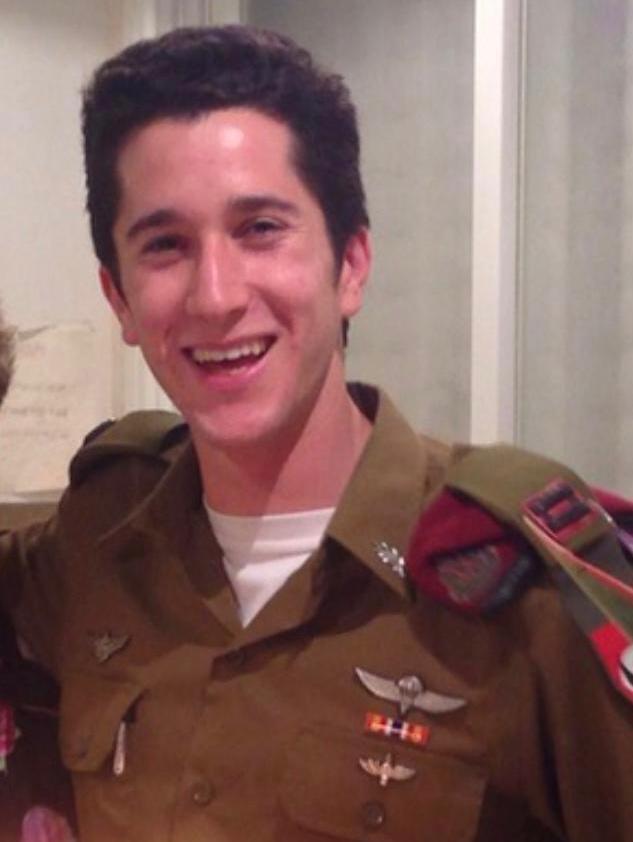
The case had been conducted largely behind closed doors. The decision to lift parts of the publication ban followed requests by the news outlets Yedioth Ahronoth and ynet.
Shmuelevitz appealed to the Supreme Court after a district court in Be’er Sheva ruled that his name could be made public. The state, for its part, sought to keep the ranks of senior officers involved in the case partially censored. Supreme Court Justice Gila Kanfi-Steinitz rejected the defense request to keep Shmuelevitz’s identity confidential.
According to the indictment, Shmuelevitz falsely presented himself for about a week as a reserve officer holding a rank he had never been granted. Prosecutors say he used misrepresentations about his rank, appointment and authority to obtain highly classified information from various military sources. The espionage charge relates to allegations that he recorded and retained secret information in a notebook and shared it with people not authorized to receive it.
Shmuelevitz is also charged with unlawfully entering military facilities and obtaining benefits by fraud. Prosecutors say he exploited the confusion that prevailed in the military in the first days of the war, particularly in Southern Command, to secure appointment documents signed by a senior officer.
From the early stages of the case, Shmuelevitz underwent extensive psychiatric evaluations on behalf of the state over several months. A subsequent second opinion by a panel of three experts appointed by the district psychiatrist concluded that he was not criminally responsible for his actions at the time of the alleged offenses. Based on those findings, prosecutors accepted that he may be entitled to an insanity defense that could ultimately lead to acquittal.
Despite that position, Shmuelevitz has insisted on a full evidentiary trial, arguing that he was authorized to access the information and acted as others did under the same circumstances to protect national security. He claims the conversations cited in the espionage charges involved reservists with elite and highly classified backgrounds, all of whom had relevant military experience and security clearances. He also argues that some of the information was provided to him by others or was publicly available.
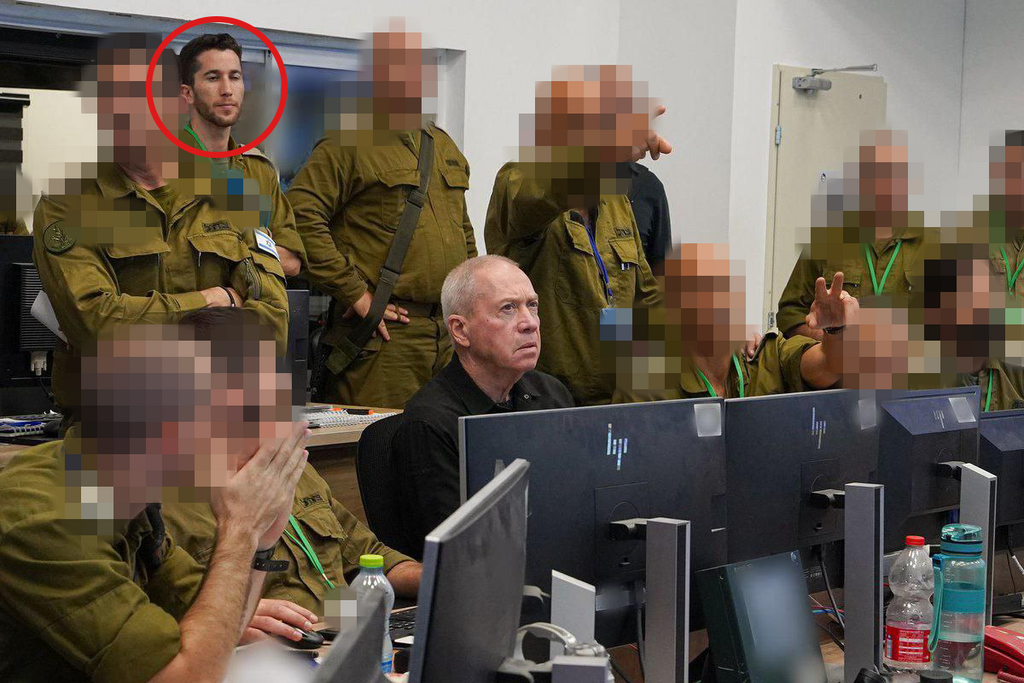
(Photo: IDF)
The trial is being heard at the Be’er Sheva District Court before Judge Rachel Toren. Eleven evidentiary hearings have been held so far, with testimony from 21 prosecution witnesses ranging in rank from junior enlisted soldiers to a general.
Shmuelevitz is currently being held under hospitalization conditions, with his detention extended periodically. Last August, the defense requested a review of his detention, citing the agreed insanity defense, changes in the evidentiary picture and the passage of time. Prosecutors opposed the request.
More than two years into the proceedings, and following an updated assessment by the military’s information security department that the sensitivity of the information involved has diminished, the court ordered a probation report to examine possible alternatives to detention.
In allowing additional details to be published, Judge Rachel Toren said there was a public interest in dispelling conspiracy theories that had emerged around the case and bore no relation to the indictment.
Prosecutors maintain that while Shmuelevitz did not pass information to hostile entities, he did disclose classified material to unauthorized individuals, including former members of classified units and a former pilot. Several of those individuals are prosecution witnesses.
Shmuelevitz previously completed service in an elite paratroopers reconnaissance unit, later served as an intelligence officer in Maglan and then in a classified unit, followed by five years of permanent service. Family members have described him as a patriotic officer who entered Southern Command openly and with the knowledge of senior officers who had previously commanded him.