

"Take it off! Take it off! Let me breathe!" cried Willie Francis, a 17-year-old boy from Louisiana, after an electric current intended to kill him passed through his body. The year was 1946. Francis was strapped into the electric chair and prison officials had already thrown the switch. But instead of dying, his body convulsed, the chair shook — and he remained alive. Prison officials were forced to release him from his restraints and return him to his cell. A year later, they tried again. This time, they succeeded.
Francis' case became one of the most famous episodes in the history of capital punishment in the United States, but it was far from the only one. Throughout history, there have been documented cases of death row inmates surviving hanging, electrocution or attempts to kill them by lethal injection. Some survived because of technical malfunctions, others because of mistakes by execution teams. In exceptionally rare cases, prisoners survived even after the execution method itself had been administered.
Gallery

Christa Pike, the Tennessee killer who survived two doses of lethal injection drugs
(Photo: Tennessee Department of Correction/Handout via REUTERS)
These stories have returned to the headlines following the extraordinary case of Christa Pike, the Tennessee killer who survived two doses of execution drugs last month. But behind these remarkable stories lies a far more troubling question: What happens when a state sentences someone to death, attempts to carry out the punishment — and fails?
Hanged, declared dead — and revived before her autopsy
One of the earliest and most astonishing cases occurred in England in 1650. Anne Greene, a 22-year-old servant from the Oxford area, was convicted of infanticide after becoming pregnant by the grandson of the man who employed her and suffering a miscarriage. At a time when unmarried women who concealed pregnancies could be regarded as murderers if they could not prove the circumstances of their babies' deaths, she was sentenced to death by hanging.
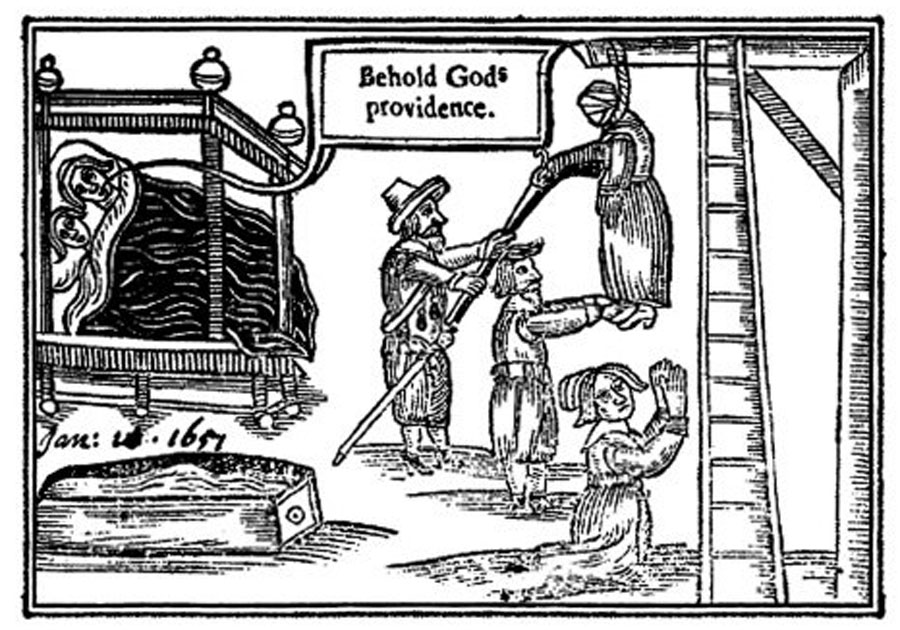
Historical illustration of Anne Greene's execution in 1650
(Photo: W. Burdet, 1651 / Wikimedia Commons – Public Domain)
In December of that year, Greene was taken to the gallows in Oxford. A rope was placed around her neck and she was hanged before a crowd of onlookers. According to historical records, she remained suspended for about half an hour, and people at the scene even pulled on her legs in an attempt to hasten her death.
She was then cut down and delivered in a coffin to doctors at the University of Oxford, who intended to dissect her body. But it emerged that Greene was still alive. The doctors detected signs of breathing and a pulse and began trying to revive her. They warmed her body, treated her and monitored her condition. Against all expectations, she gradually regained consciousness and recovered.
Her extraordinary survival caused a sensation. Some saw it as divine intervention, and the doctors who treated her helped secure a pardon. Greene was not returned to the gallows. She was released, married and had three children. According to a study published in the Journal of Medical Biography, she lived until 1659 — nine years after her supposed execution.
Her case became a local legend, and pamphlets and poems describing the woman who survived hanging circulated in England for years. Centuries later, her story continues to be examined in medical studies, including efforts to understand how she managed to survive for so long after being hanged.
'The man they could not hang'
More than 200 years later, in February 1885, another extraordinary incident occurred in England. John "Babbacombe" Lee was convicted of murdering his employer, Emma Keyse, and sentenced to death by hanging.
He was brought to the gallows at Exeter Prison, where executioner James Berry prepared to carry out the sentence. Lee was positioned on a wooden trapdoor designed to open beneath his feet, dropping him through the gallows.
But when the mechanism was activated, the trapdoor failed to open. Prison officials attempted to repair the malfunction and operate the gallows again, but the second attempt also failed. The same thing happened a third time.
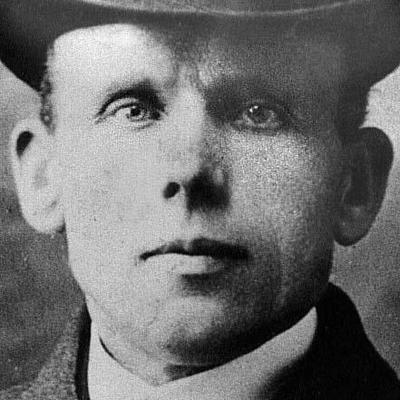
John 'Babbacombe' Lee. His death sentence was commuted to life imprisonment
(Photo: Wikimedia Commons / Public Domain)
Eventually, officials decided to halt the execution. The case attracted widespread attention across Britain, and Lee became known as "the man they could not hang." The British home secretary commuted his death sentence to life imprisonment.
Although Lee escaped the gallows, he was not immediately freed. He spent another 22 years in prison before being released in 1907. His subsequent fate remains uncertain, but his story is one of the best-known cases of an execution thwarted by a mechanical failure.
The teenager who survived the electric chair
The case of Willie Francis, more than 60 years after the failed attempts to hang Lee, ended very differently.
Francis, a Black teenager from Louisiana, was convicted of murdering Andrew Thomas, a white pharmacy owner who had previously employed him. He was sentenced to death in 1945, when he was 16, and on May 3, 1946, he was taken to the electric chair.
According to official testimony later presented to the U.S. Supreme Court, Francis was strapped into the chair, a hood was placed over his face and the operator threw the switch. The teenager's body convulsed violently and he jerked in his seat. One witness described how officials demanded that the electrical current be increased after it became clear that the boy was not dead, but the operator replied that he was already delivering the maximum possible power.
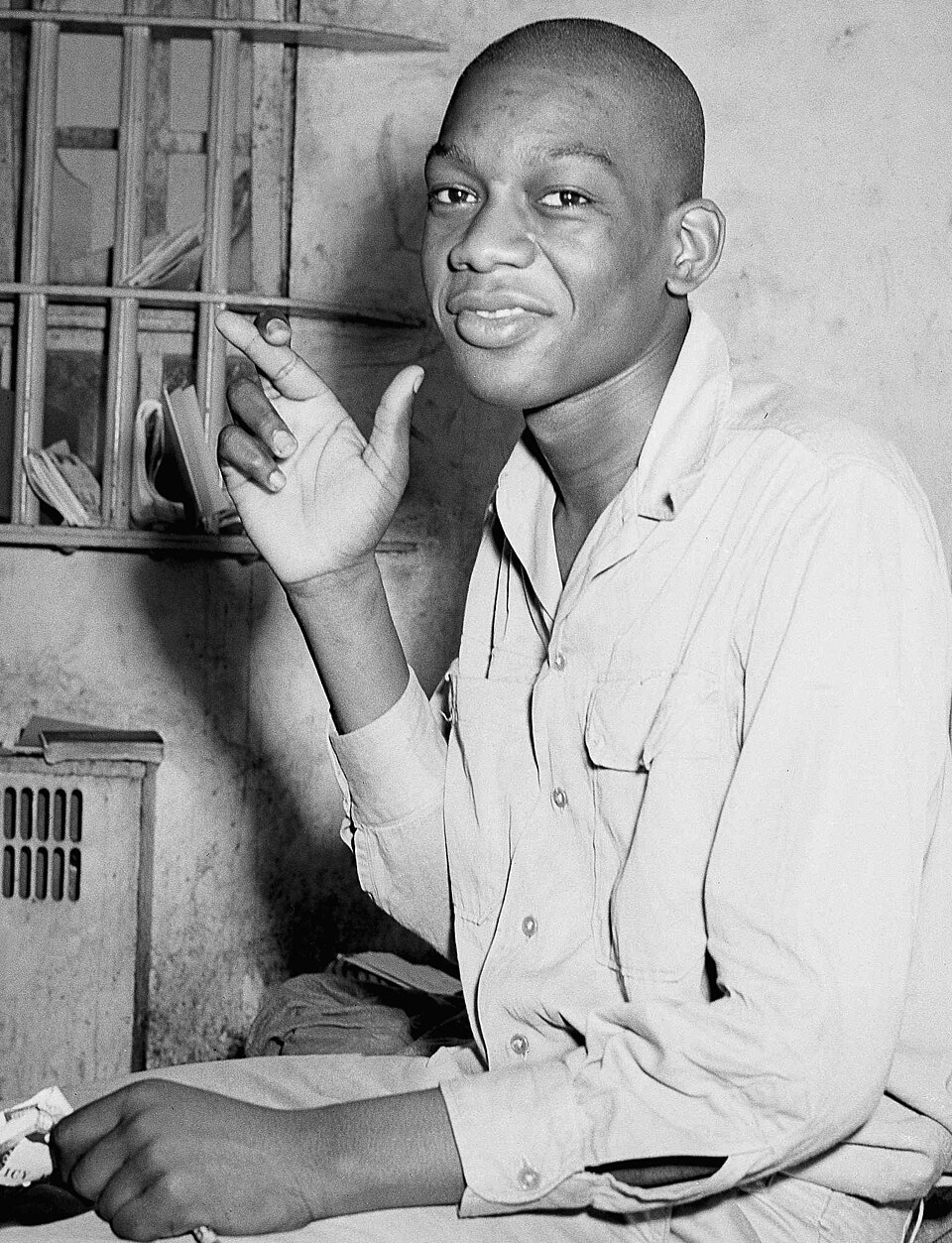
Willie Francis. His case became a legal precedent that continues to figure in court battles involving death row inmates who survive execution attempts
(Photo: Bill Allen / AP)
Francis continued breathing. He cried out for officials to remove the hood and let him breathe. After the attempt failed, prison officials released him and returned him to custody.
It later emerged that a malfunction in the chair's electrical system had prevented a sufficiently powerful current from passing through his body to kill him.
His lawyers argued that Louisiana had no right to execute him a second time. They maintained that another attempt would constitute cruel and unusual punishment, prohibited under the U.S. Constitution, and would expose him to the risk of death a second time under the same sentence.
The case reached the U.S. Supreme Court, which rejected Francis' arguments in January 1947. The majority held that the unintentional malfunction during the first attempt did not make a second attempt a violation of his constitutional rights.
On May 9 of that year, Francis was returned to the electric chair. This time, the system worked and he died at age 18.
His case became a significant legal precedent that continues to shape legal battles involving death row inmates who have survived execution attempts.
Eighteen needle punctures, two hours of pain — and a return to death row
In recent decades, most botched executions in the United States have involved the very method intended to replace the electric chair: lethal injection.
One prominent case was that of Romell Broom, who was convicted of kidnapping, rape and murder in Ohio and sentenced to death in 1985.
On September 15, 2009, Broom was taken to the execution chamber, placed on a gurney and restrained. The execution team began searching for a vein into which they could insert an IV line to administer the lethal drugs.
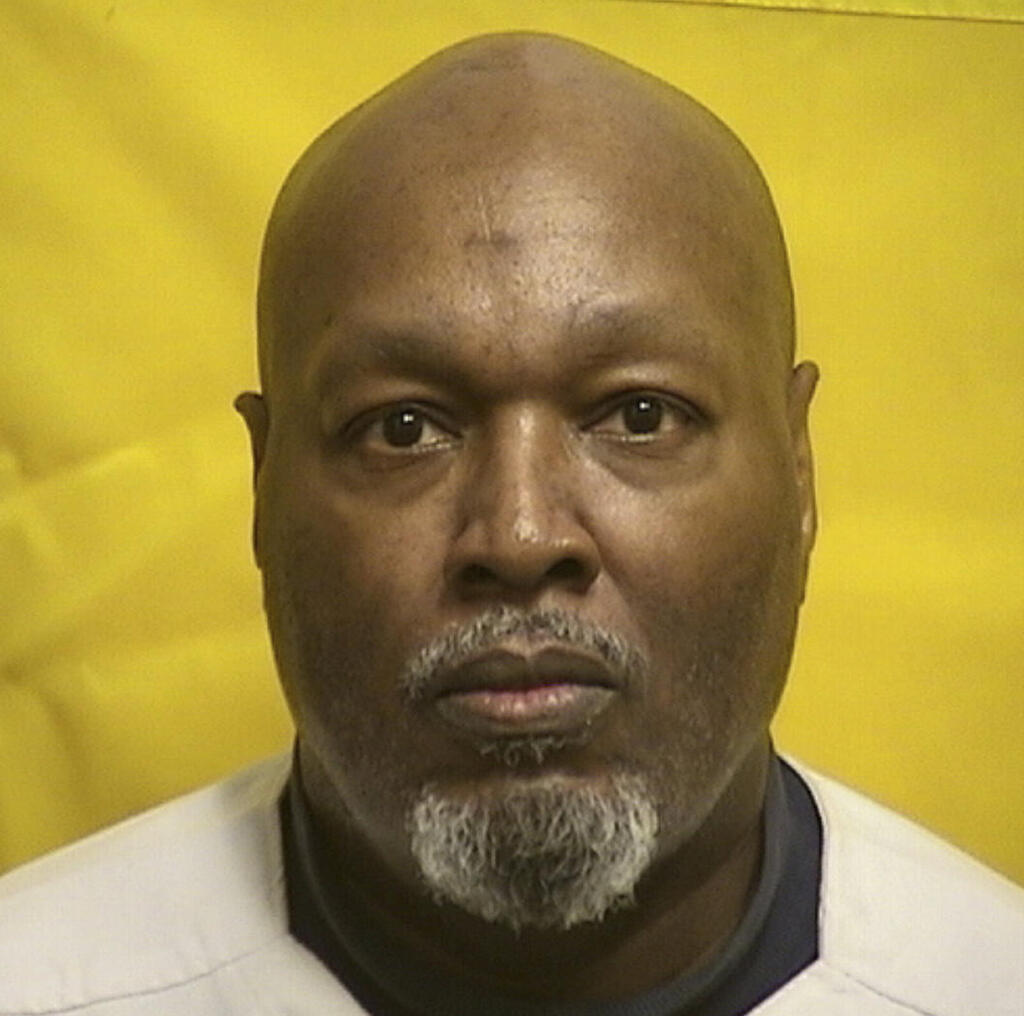
Romell Broom. He ultimately died of COVID-19 complications
(Photo: AP)
But the task proved exceptionally difficult. Time after time, team members inserted needles into Broom's arms and legs but were unable to find a suitable vein.
A total of 18 needle punctures were documented over approximately two hours. In one instance, a needle even struck bone. Broom cried and complained of pain as the team continued its attempts.
Eventually, officials decided to halt the execution. Broom was returned to his cell, with his death sentence still in effect.
He subsequently launched a legal battle to prevent the state from attempting to execute him again, arguing that the suffering he had already endured should rule out another attempt.
In 2016, however, the Ohio Supreme Court rejected his arguments in a 4-3 decision, allowing the state to set a new execution date.
Broom was never subjected to another execution attempt. In December 2020, more than 11 years after surviving the first attempt, he died in prison from complications of COVID-19. He was 64.
Cancer patient warned of the risks — and his execution attempt failed
In February 2018, Alabama attempted to execute Doyle Lee Hamm, a 60-year-old prisoner convicted of murder. But Hamm had advanced cancer, and his lawyers had warned before the execution that his medical condition would make it extremely difficult to find suitable veins for a lethal injection.
Despite the warnings, the state decided to proceed.
For approximately two and a half hours, members of the execution team attempted to insert needles into his body, including his legs and groin.
According to a medical report subsequently submitted to the court, at least 11 puncture marks were found on his body, along with bruising and other injuries.
Eventually, prison officials were forced to abandon the attempt. According to reports, Hamm was in such severe pain that staff had to carry him back to his cell.

Doyle Lee Hamm. Authorities did not attempt to execute him again, and he eventually died of cancer
(Photo: Bernard Harcourt / AP)
Unlike Francis and other condemned prisoners, Hamm did not have to face the execution team again. A subsequent legal settlement stipulated that Alabama would not make another attempt to execute him, and he remained in prison. He died of cancer in November 2021 at age 64.
A year before the failed attempt to execute Hamm, a similar incident occurred in Ohio.
Alva Campbell, a 69-year-old prisoner suffering from lung cancer and other serious illnesses, was taken to the execution chamber in November 2017. The team made four attempts to establish an IV line but failed.

Alva Campbell. Executioners were also unable to establish an IV line in his case
(Photo: Ohio Department of Rehabilitation and Correction / AP)
Campbell was returned to his cell and a new execution date was set for 2019. However, he died of natural causes in March 2018, before the state could try again.
They survived lethal injection — but the state found another way to kill them
Not everyone who survived an execution attempt managed to escape the death penalty indefinitely.
Kenneth Eugene Smith, convicted of involvement in a contract killing in Alabama, was taken to the execution chamber on November 17, 2022.
For hours, the execution team attempted to establish an IV line but failed to complete the procedure before the execution warrant expired at midnight.
Smith was returned to his cell alive. His lawyers later argued that the failed attempt had caused him severe psychological trauma, but Alabama remained determined to carry out his sentence.

Kenneth Eugene Smith. The first prisoner in U.S. history to be executed using nitrogen gas
(Photo: Alabama Department of Corrections/Handout via REUTERS)
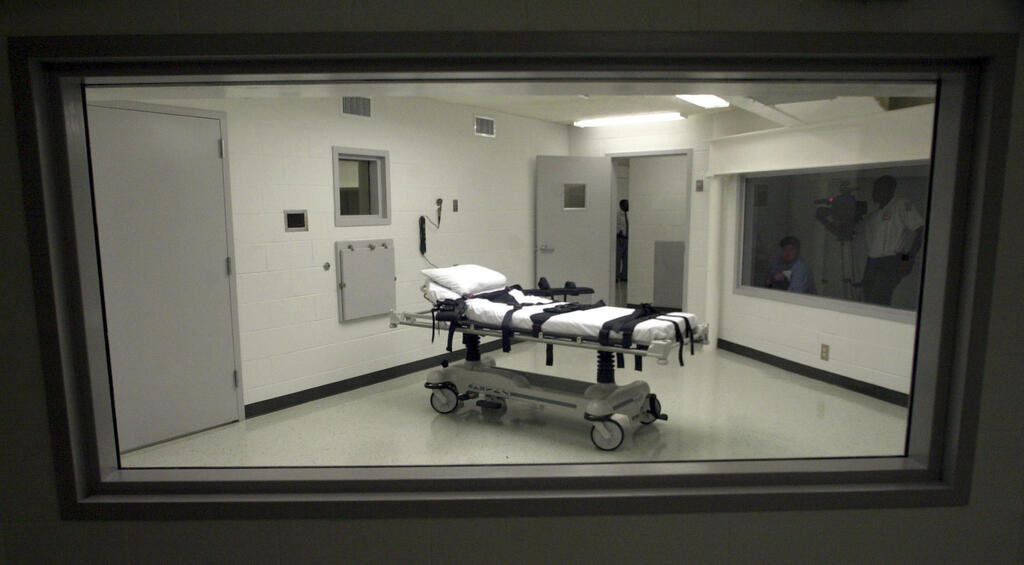
An execution chamber at an Alabama prison. A mask was placed over Smith's face to deliver nitrogen gas, causing him to die from oxygen deprivation
(Photo: AP Photo/Dave Martin, File)
In January 2024, Smith became the first person in the United States to be executed by nitrogen hypoxia, a method in which the oxygen a person breathes is replaced with nitrogen gas.
Alabama presented the method as an alternative to lethal injection, but the execution drew fierce criticism. Witnesses said Smith shook and writhed for several minutes, contradicting authorities' claims that he would lose consciousness quickly.
A similar case involved Alan Eugene Miller, who was convicted of murdering three people.
In September 2022, Alabama authorities attempted to execute him by lethal injection but were also unable to establish an IV line. The procedure was halted after more than an hour.
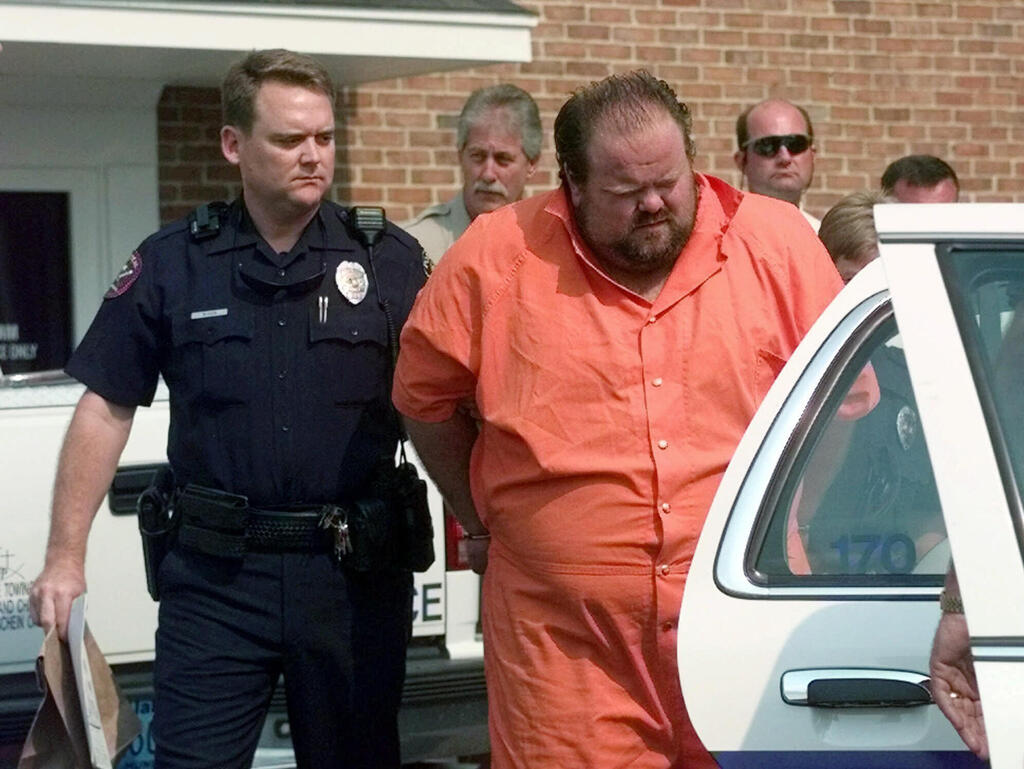
Alan Eugene Miller. His obesity complicated efforts to locate suitable veins
(Photo: AP)
Miller's obesity, with his weight reaching 159 kilograms (350 pounds), significantly complicated efforts to locate suitable veins.
Two years later, in September 2024, Miller was executed using nitrogen gas. He became the second person in the United States to be executed by that method, after Smith.
Both condemned prisoners who survived their initial lethal injection attempts ultimately died when the state used a different execution method.
Eight needle attempts — and a prisoner still awaiting his fate
In February 2024, Thomas Eugene Creech, one of the longest-serving death row inmates in the United States, was taken to the execution chamber in Idaho.
Creech, who was convicted of multiple murders, had spent decades in prison and was set to become the first person executed by the state in 12 years.
For about an hour, the execution team attempted to insert an IV line into his arms and legs. Eight attempts were made, but each time, the vein located proved unsuitable or the team was unable to insert the needle properly.
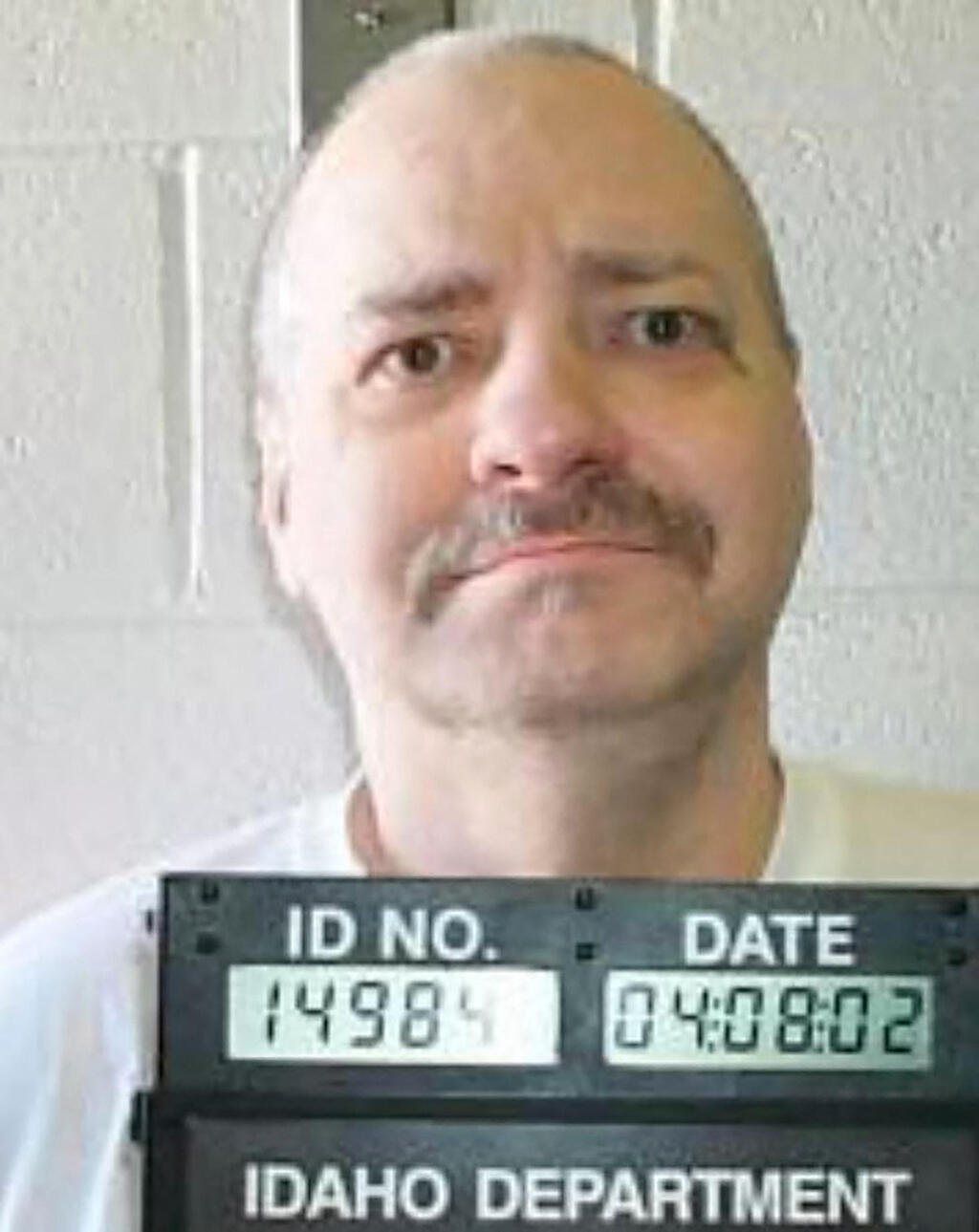
Thomas Creech in a 2002 photograph. He remains on death row
(Photo: Handout / IDAHO DEPARTMENT OF CORRECTION / AFP)
. (Tennessee Department of Correction)
Eventually, the prison warden decided to halt the procedure. Creech was returned to his cell, and Idaho began examining changes to its execution protocol.
His subsequent legal argument that another attempt would constitute prohibited punishment was also rejected.
He remains alive under a death sentence.
In May 2026, a similar incident occurred in Tennessee.
Tony Carruthers, convicted of murdering three people, was taken to the execution chamber. The team successfully established an initial IV line but was unable to insert the additional line required under the state's procedures.
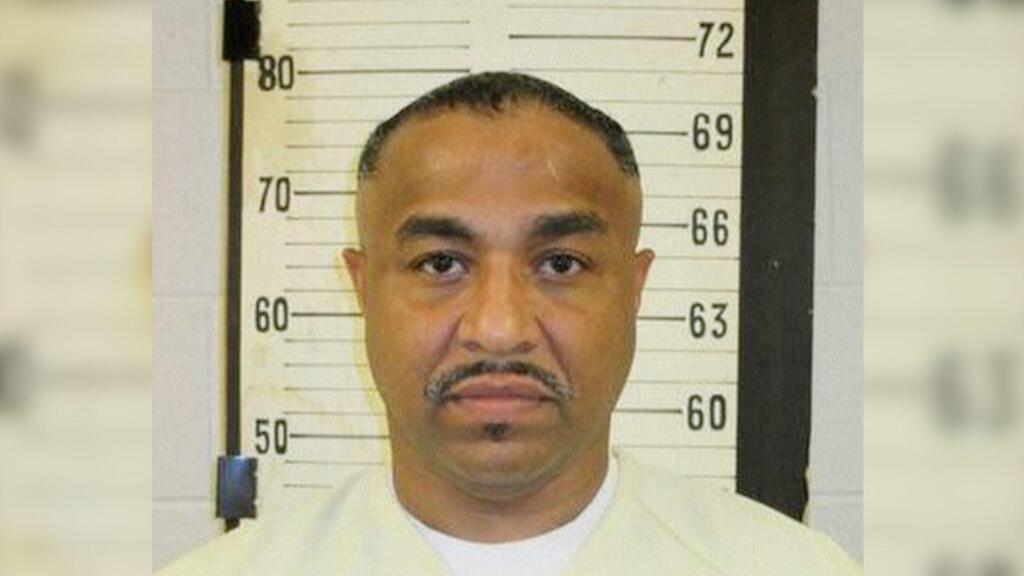
Tony Carruthers. His execution attempt also failed in Tennessee, and he will remain alive for at least another year
(Photo: Tennessee Department of Correction)
After more than an hour of attempts, the procedure was halted.
Tennessee Gov. Bill Lee announced that he was granting Carruthers a reprieve of at least one year.
Four months later, the same state would find itself at the center of a far more extraordinary case.
Seven needles, two doses of lethal drugs — and Christa survived
On September 30, 2026, Christa Pike, 50, was taken to the execution chamber in Tennessee.
Pike was sentenced to death for the 1995 murder of 19-year-old Colleen Slemmer.
Despite difficulties inserting the needles, the execution team administered two doses of pentobarbital, a drug intended to cause her death.
But Pike continued breathing.
She was rushed to a hospital unconscious and in critical condition, and doctors and her lawyers feared she would not survive.
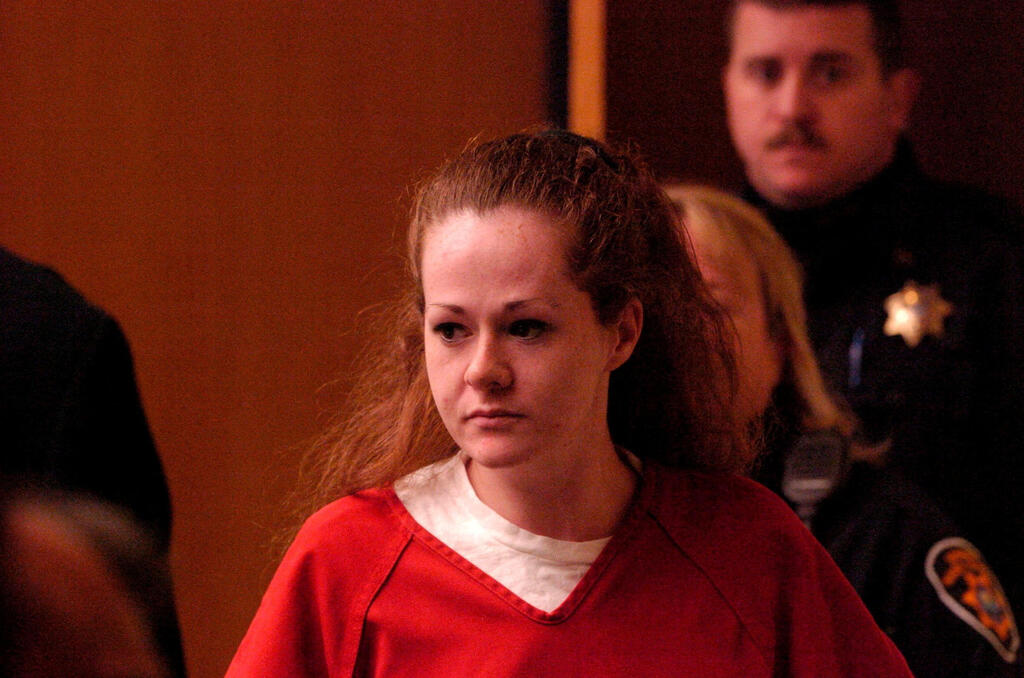
Christa Pike in 2007. After her execution attempt failed, more than half an hour passed before emergency responders were allowed to enter the prison
(Photo: J. Miles Cary/ Knoxville News Sentinel/USA TODAY NETWORK via REUTERS)
Emergency call recordings released afterward revealed that efforts to save her life were also marred by failures.
After the execution attempt failed, more than half an hour passed before emergency responders were allowed into the prison, partly because dispatchers initially suspected the call was a hoax.
Witnesses continued to hear Pike breathing heavily even after the curtain in the execution chamber was closed. It remains unclear what medical treatment she received during those minutes.
On October 10, Pike was discharged from the hospital and returned to prison, where she continues to receive medical care.
According to the Death Penalty Information Center, she is the first known person to survive an execution attempt after lethal drugs were administered.
Experts believe the drugs may not have properly entered her bloodstream, but the official cause of the failed execution has yet to be determined.
Following the incident, Tennessee's governor ordered a suspension of further executions pending an investigation into the failures, and the state's corrections commissioner resigned.
The question of whether the state will attempt to execute Pike again remains unresolved.
Can a person be executed twice?
Pike's case brings the American legal system back to a question considered nearly 80 years ago following Willie Francis' survival: Does a failed execution attempt effectively constitute the carrying out of a person's sentence, and would another attempt violate the constitutional prohibition against cruel and unusual punishment?
The ruling in Francis' case established that the mere failure of an execution attempt does not necessarily prevent a second attempt.
However, legal experts point to the distinction between a case in which equipment fails before the punishment is administered and one in which a lethal substance has already been injected into a person's body, causing suffering and other consequences.

Tennessee Gov. Bill Lee. He ordered a suspension of further executions in the state pending an investigation into the failures
(Photo: AP )
The issue becomes even more pressing in light of data on botched executions.
A study by Amherst College professor Austin Sarat, which examined 8,776 executions in the United States between 1890 and 2010, found that 276 had gone wrong in some way — approximately 3.15%.
The highest failure rate was recorded in lethal injections, long considered a more advanced and humane method of execution: approximately 7.2%.
The stories of Francis, Greene, Broom, Smith and Pike differ greatly.
Some took place centuries ago, others in recent years. Some of the condemned prisoners were convicted of particularly brutal crimes, and victims' families waited years for their sentences to be carried out.
Yet all these cases point to a single reality: Even a procedure designed to end a human life is not immune to mistakes, malfunctions and unexpected failures. For some condemned prisoners, survival meant genuine salvation. For others, it was merely a temporary postponement of death.
Willie Francis survived the electric chair but died in it a year later. Kenneth Smith and Alan Miller survived lethal injection attempts but were ultimately executed using nitrogen gas. Others died in prison without the state ever succeeding in carrying out their death sentences.
Now, nearly 80 years after Francis cried out to be allowed to breathe, the United States once again faces the same question: What happens when a person the state has decided to kill refuses, against all expectations, to die?