


Lebanon's ongoing struggle to prevent weapons smuggling from Syria has taken a new turn after security forces intercepted a truck carrying hundreds of kilograms of explosives toward Beirut, fueling speculation about a possible political assassination plot involving Hezbollah.
The seizure in the Dahr al-Baydar area of eastern Lebanon has become one of the country's most widely discussed security incidents, prompting a response from Prime Minister Nawaf Salam and reigniting debate over political assassinations, Hezbollah's weapons and growing internal tensions.
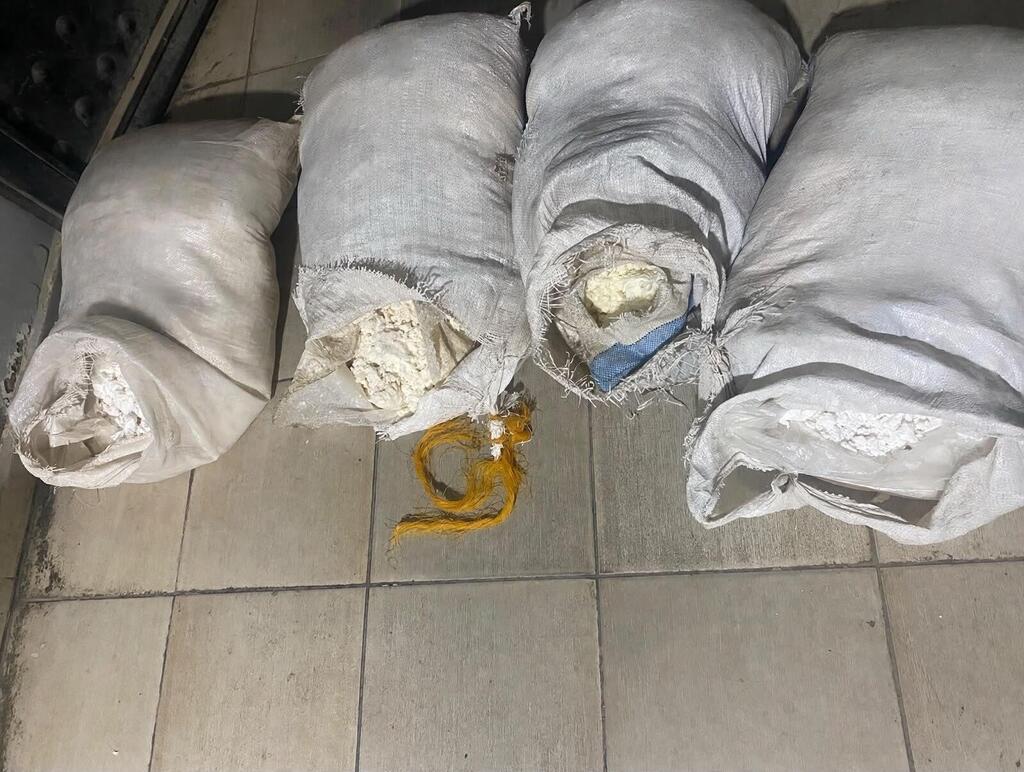
Saudi-owned Al-Hadath television reported Friday, citing a Lebanese security source, that 500 kilograms of explosives had been discovered in a vehicle at a security checkpoint in the Dahr al-Baydar area of Lebanon's Bekaa Valley.
According to the report, the explosives were found in the possession of two Hezbollah members, who were transferred to the military police. The source suggested that the quantity of explosives indicated a possible plot to assassinate a senior figure.
Lebanese broadcaster MTV also reported Friday that internal security forces had arrested two Hezbollah members in a vehicle containing hundreds of kilograms of the powerful explosive C-4. "The military police are questioning the Hezbollah members to determine whether others were involved," the broadcaster reported.
Lebanese channel Al-Jadeed offered a somewhat different account, reporting Friday that the two men had actually been arrested the previous Monday. According to its report, authorities seized more than 250 kilograms of TNT, along with additional materials used to manufacture explosive devices.
Al-Jadeed said the suspects were believed to have links to Hezbollah and that the vehicle had been heading toward the Beirut area. Lebanese media reports have provided conflicting figures concerning the exact quantity and type of explosives seized.
‘Just the tip of the iceberg’
On Saturday, Lebanese newspaper An-Nahar published an article under the headline: "More than half a ton of explosives and two arrests: Was Hezbollah planning an assassination?" The article noted that some media outlets had raised the possibility that the incident was connected to preparations for an assassination.
Lebanese Justice Minister Adel Nassar addressed the seizure Saturday in a post on X. "The confiscation of illegal weapons, the fight against terrorism and the pursuit of all lawbreakers are an irreversible course that will gain momentum," he wrote. "The investigation into the seized explosives and all related matters will be pursued to the fullest."
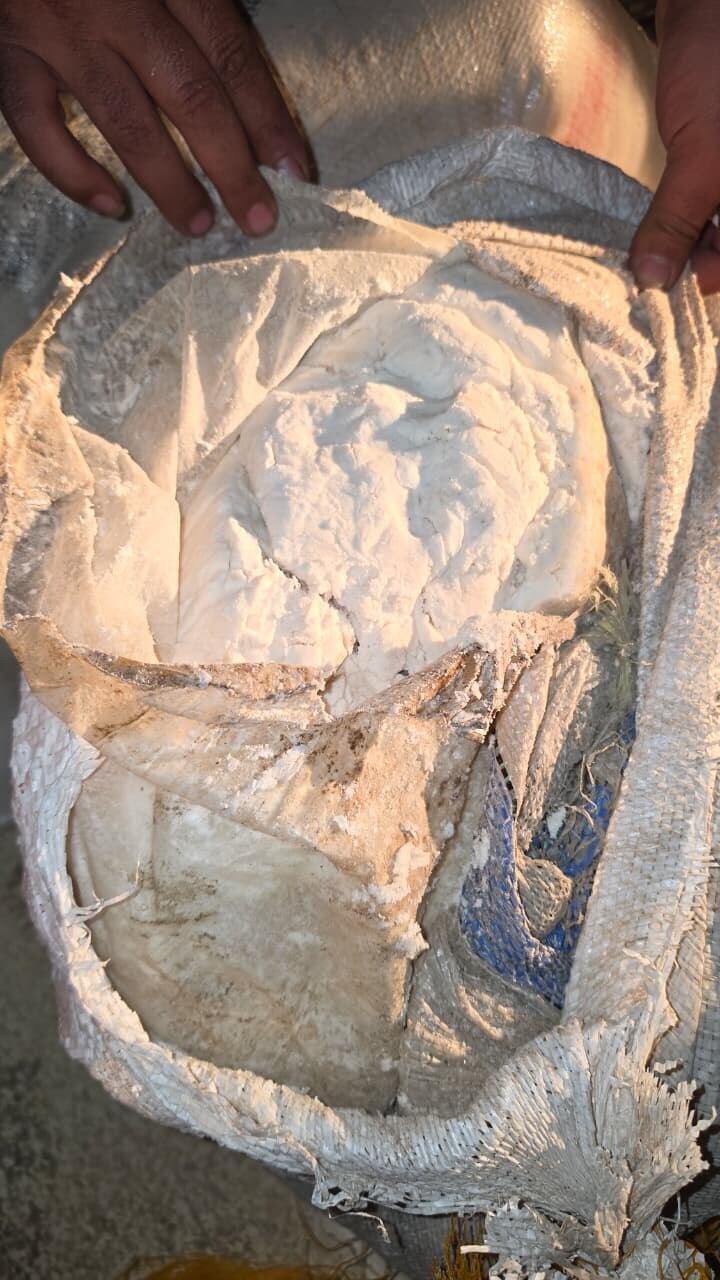
The explosives seized
MTV, which is known for its opposition to Hezbollah, reported Saturday that the two detainees belonged to the Amhaz and al-Kurdi families and were both affiliated with the terrorist organization.
According to the broadcaster, the suspects admitted that a Honda vehicle had transported the explosives to the Baalbek area. They reportedly said they had received instructions from a man named Sajed to deliver the shipment to Beirut's Dahieh district, where it was to be handed over to a man named Dhu al-Faqar.
The incident has dominated Lebanese media coverage since the weekend, against the backdrop of the government's attempts to bring all weapons under state control, including those held by Hezbollah.
Hezbollah has refused to disarm, while continuing fighting in southern Lebanon and other challenges facing the country have intensified internal tensions. Lebanese lawmaker Najat Saliba also weighed in on the controversy. "The explosives seized in Dahr al-Baydar are the same materials that were used to assassinate Lebanese figures," she said.
On Monday, MTV published an opinion piece calling for the immediate arrest of Hezbollah Secretary-General Naim Qassem. "Naim Qassem must be arrested immediately," the article declared. "It appears that what Hezbollah is planning inside Lebanon, at the push of an Iranian button, is something very big, and the Dahr al-Baydar explosives were only the tip of the iceberg. What remains hidden appears far greater."
‘No one should attempt to issue threats’
Prime Minister Nawaf Salam responded to the incident Monday in a statement posted on X, promising a thorough investigation and action against anyone found responsible. "No leniency and no turning a blind eye, only truth and accountability," Salam wrote.
"It has become known that several days ago, a truck was stopped in the Dahr al-Baydar area while traveling from the Bekaa region toward Beirut, carrying hundreds of kilograms of explosives. First, I would like to commend the security forces who stopped the suspicious truck, seized the explosives it was carrying and handed the drivers over to the competent authorities for questioning."
Salam acknowledged the concern generated by the discovery, particularly given Lebanon's history of political violence. "I understand the fears among the Lebanese public following the news of the truck and its cargo being seized, especially given that C-4 explosives have been used in political assassinations in Lebanon's modern history," he wrote.
"However, in my capacity as prime minister, I wish to reassure all Lebanese citizens that we will not relent in our efforts to advance and expand the investigation."
Salam said the government was committed to identifying everyone involved in the shipment, as well as those responsible for organizing it, uncovering their plans and objectives, and bringing them to justice.
"Rest assured that our government will show no leniency toward anyone who dares to harm state security, public safety or stability," he said. "We will not hesitate to act decisively against any weapon held, transported or used outside the legitimate framework."
The controversy has also prompted a response from Al-Akhbar, a Lebanese newspaper affiliated with Hezbollah, which accused political and media figures of exploiting the incident before investigators had established all the facts.
"The interception of the truck in Dahr al-Baydar, loaded with hundreds of kilograms of explosives, is no longer merely a security issue," the newspaper wrote Tuesday. According to Al-Akhbar, the incident had been exploited politically and in the media "even before the shipment's destination and the party behind it were revealed."
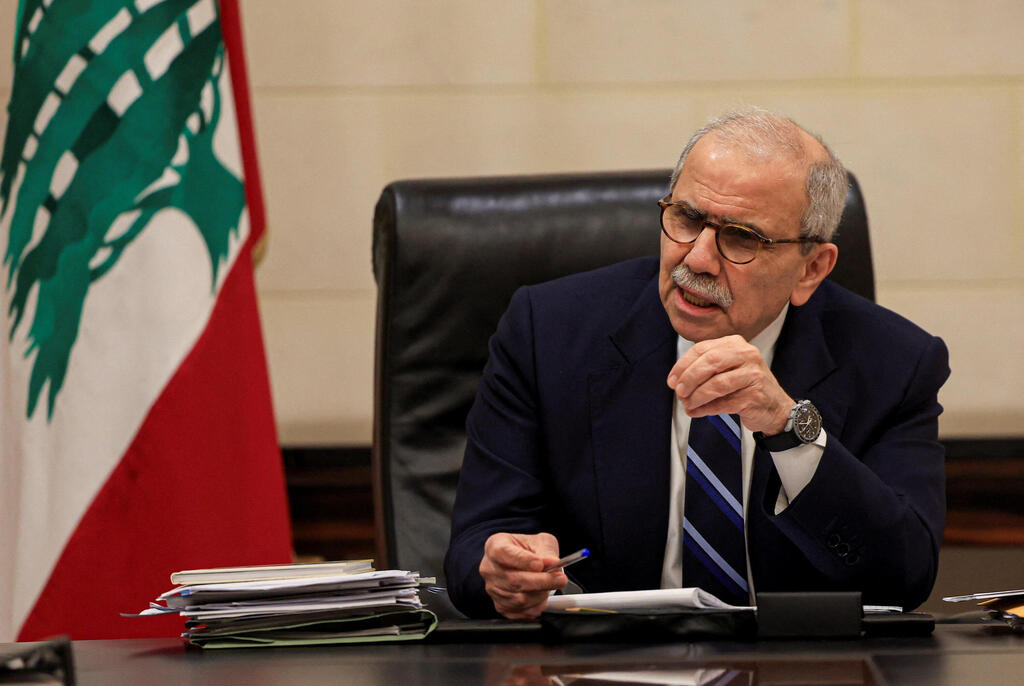
Lebanese Prime Minister Nawaf Salam
(Photo: REUTERS/Mohamed Azakir)
The newspaper argued that instead of limiting discussion to the investigation and available evidence, official and media commentary had turned toward Lebanon's history of political assassinations. It said this had placed the incident at the center of the country's internal confrontation over Hezbollah's weapons and linked it to speculation about possible attacks inside Lebanon.
Al-Akhbar criticized Lebanese authorities for insisting that the state alone should possess weapons despite what it described as continued Israeli occupation and attacks, and the government's inability to secure reciprocal commitments from Israel.
"The truck incident has moved beyond its security dimensions and become part of a broader political struggle," the newspaper argued.
It accused Lebanese authorities of attempting to centralize weapons under state control and reinforce their commitment to the American approach, while also working to undermine Hezbollah's image and domestic standing.
Hezbollah lawmaker Ibrahim Mousawi also addressed the allegations Monday, rejecting suggestions that the organization could be involved in political assassinations. "If it is true that the vehicle belongs to the resistance, everyone should know that the resistance has nothing to be ashamed of," Mousawi said.
"No one should attempt to issue threats, make unacceptable statements, level accusations or insinuate involvement in assassinations or similar acts. The history of the resistance is clear, clean and honorable. It has never been involved in a civil war and has never used its power in internal conflicts or disputes," he added.
Mousawi asserted that Lebanon's strength depended on its resilience, internal unity and the prevention of any descent into civil confrontation. "The resistance recognizes that Lebanon's strength lies in its resilience, its internal unity and preventing a slide into civil conflict," he said.
He also criticized agreements signed by the Lebanese state, arguing that they had failed to prevent attacks. "In fact, the destruction escalated significantly following the framework agreement," he said.
Meanwhile, the Lebanese army reported Monday that it had intercepted a separate shipment of explosives in the al-Qasr-Hermel area near the Syrian border.
According to the military, troops seized approximately 200 kilograms of explosives packed in sacks and prepared for smuggling from Syria into Lebanon. "The smugglers fled back into Syrian territory, the seized materials were transferred to the competent authorities, and efforts to locate those involved are continuing," the army said.