


The ministerial committee tasked with setting the mandate for the investigation into the October 7 massacre has yet to convene, but officials around Prime Minister Benjamin Netanyahu are already working to shape the framework ahead of its first discussion.
Under the government’s decision, the committee must submit its recommendations within 45 days. However, most ministers are already acting on their own—consulting with security and legal officials, holding meetings and formulating the positions they intend to present once deliberations begin.
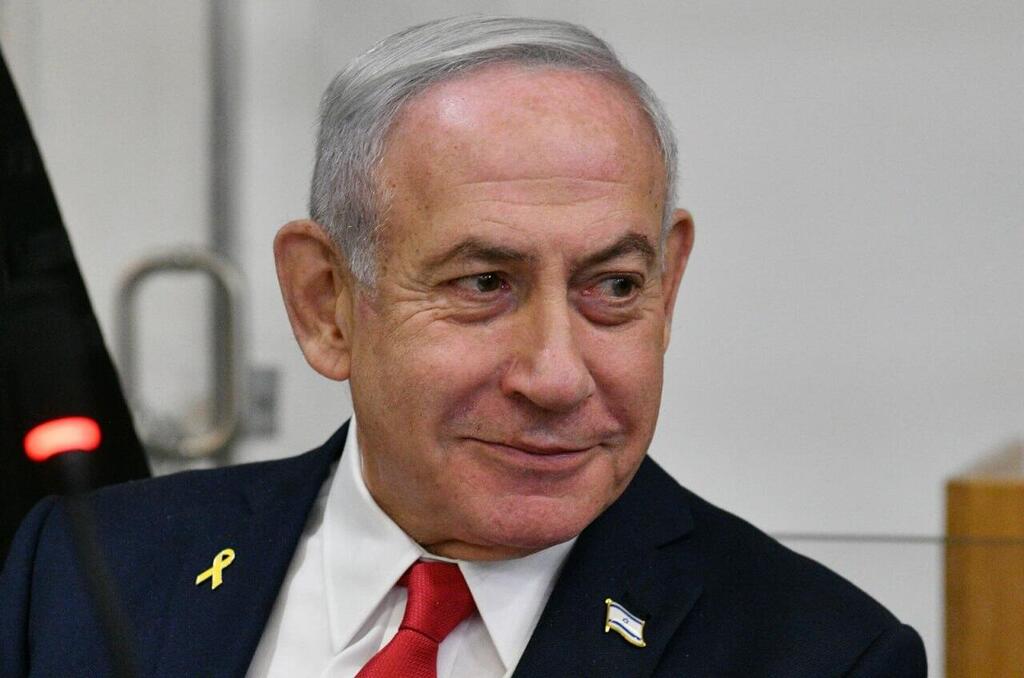
Prime Minister Benjamin Netanyahu
(Photo: Reuven Castro)
The committee is expected to determine the scope of the inquiry, its timeline and how far back it will be allowed to investigate; whether it will receive powers similar to those of a state commission of inquiry; whether it will be required to examine a defined period or merely issue recommendations while permitting a broader, open-ended probe.
Information obtained by Ynet and Yedioth Ahronoth shows that several conclusions are already emerging from ministers’ preliminary consultations. One option that appears to enjoy broad support would allow the committee to investigate without any time limit going backward. Some ministers argue the probe should begin with the 2005 disengagement; others say it must go back to the Oslo era.
Ministers have also discussed whether the committee’s conclusions should include personal findings. Some Likud ministers involved in drafting the mandate argue the investigation must fully uncover what happened but should forgo personal recommendations—both because such a process would dramatically prolong the committee’s work (as lawyers representing those examined would intervene extensively), and because the main goal is to establish the truth about the events of that morning. They note that most senior officials who held key positions at the time have already been replaced.
Another emerging conclusion—one that appears likely to draw broad agreement—concerns what ministers view as external influences. They are expected to demand that the committee investigate the impact of the Kaplan protest movement, media influence, cases of refusal to serve, and the role of the High Court of Justice. Ministers also say the committee must be empowered to compel testimony and define confidentiality rules, given that sensitive and classified officials will appear before it.
Political sources say the committee has not yet been convened because Netanyahu requested to open the first meeting himself, and he has not yet scheduled it. Some in the prime minister’s circle argue it is not enough for him to convene the opening session and that he should chair the committee altogether.
As a result, Netanyahu is considering leading the discussions in the coming period, aware that the inquiry is highly sensitive and deeply contentious among the public and bereaved families. The committee includes Finance Minister Bezalel Smotrich and Ministers Zeev Elkin, Amichai Chikli, Avi Dichter and Gila Gamliel. Also joining are Minister Orit Strock of the Religious Zionist Party and Amichai Eliyahu of Otzma Yehudit.
Some Likud ministers involved in shaping the mandate reiterate that while the events must be thoroughly examined, the committee should avoid personal conclusions that would significantly prolong its work.