

A rare recording of former prime minister Yitzhak Rabin, discovered during renovations at Ben-Gurion House in Tel Aviv, offers a stark account of Israel’s War of Independence and the fear that preceded the invasion by Arab armies in 1948.
“I don’t remember anyone believing we had the strength,” Rabin is heard saying in the recording, made in 1991 during a conversation with veterans of the war.
Rabin in rare tape on Independence War: 'No one believed we had the strength'
(Video: Ben-Gurion House)


Rabin recalled the day Haganah commanders were summoned to meet David Ben-Gurion, Israel’s first prime minister. “To tell the truth, we were stunned,” he said. “Ben-Gurion told us that the Haganah and the leadership of the Jewish community had to prepare for an invasion by the armies of the Arab states once we achieved statehood. He foresaw that we would be attacked by seven armies.”
Nelly Markman, CEO of Ben-Gurion House, said the recording was found as the site undergoes renovations. She said Rabin made the remarks in a conversation with War of Independence fighters, telling them he could not remember a single person at that meeting who believed the small Jewish community would be able to withstand not only local Arab attacks, but the armies of neighboring Arab states.
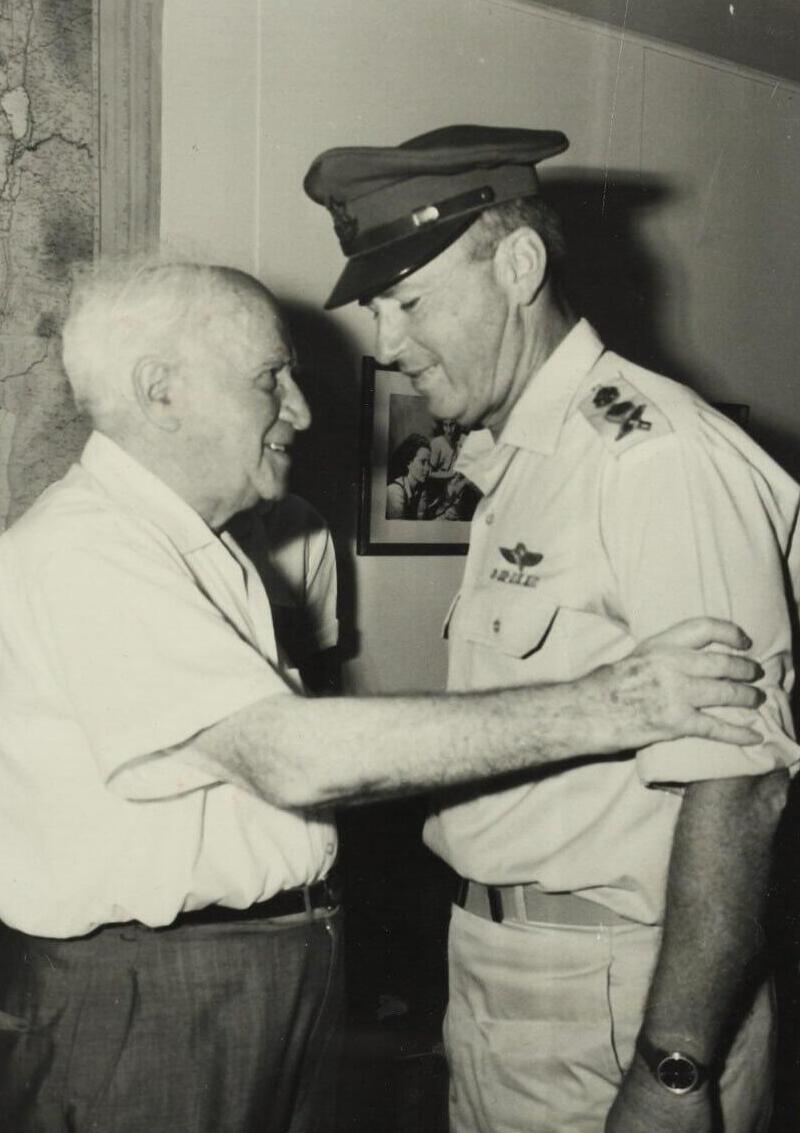
“The British withdrawal from the Land of Israel, and even the UN General Assembly resolution, would have meant nothing if we had not been able to survive the hardest, most painful and longest war in Israel’s history, the War of Independence,” Rabin said.
“It was a war for our very survival: whether we would become a people with a state, or be crushed and sent back into exile.”
Rabin said it was difficult for younger generations to grasp the scale and brutality of the war, its human toll and the resolve it demanded, especially in its early stages.
“It is hard to explain to the younger generation how heavy that war was, how cruel it was, what a terrible price was paid, especially at the beginning,” he said. “What strength, what resolve, what willingness to sacrifice were required from the Jewish community, and even more so from those who led it. Ben-Gurion led that war, the war that turned us from a people living under foreign rule into a sovereign Jewish state.”
Rabin and Ben-Gurion had a complex relationship: the young Palmach officer and the older, state-minded national leader. Uri Ramati, a strategic adviser to Ben-Gurion House and a researcher of Israel’s wars, described the recording as “a treasure,” saying that hearing Rabin’s voice creates a powerful connection to history that is different from reading about it in books.
“Rabin emphasizes the enormous sacrifice of the war,” Ramati said. “The recording provides rare, first-hand testimony from Yitzhak Rabin, a leader in his own right, speaking with openness and deep insight about Ben-Gurion’s historic decisions.”
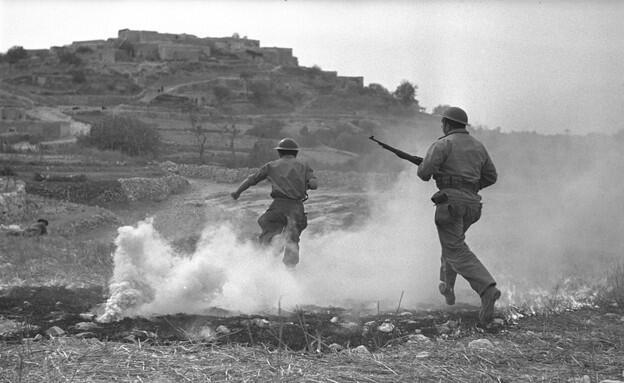
Battle for the village of Sa’sa during Operation Hiram
(Photo: GPO)
Ramon Ziv-Av, deputy director of operations at the Ben-Gurion Heritage Institute, said there was more than a generational gap between Rabin and Ben-Gurion.
“They did not have a long-standing personal relationship,” he said. “Rabin first appears in Ben-Gurion’s diaries in 1947, when Ben-Gurion began getting to know the battalion commanders. The first documented conversation between them was in 1948.”
Ziv-Av said one episode captured the tension between Ben-Gurion’s authority and Rabin’s Palmach background.
“Ben-Gurion decided to disband the Palmach, and Palmach members wanted to hold a kind of farewell gathering,” he said. “As defense minister, Ben-Gurion ruled that the gathering was illegal and asked that it not take place. On the day it was scheduled, he summoned Rabin, apparently hoping he would not attend. Rabin avoided the meeting.
“Rabin later wrote about it in his book, saying he understood that Ben-Gurion did not want him to go. Rabin and other officers who attended the gathering were reprimanded. The power imbalance was enormous. Rabin, from his perspective, was a young officer facing a senior authority figure.”