

The United Arab Emirates has told allies it is prepared to take part in a multinational maritime force aimed at reopening the Strait of Hormuz, the Financial Times reported Friday, as Gulf states and Western partners weigh how to restore shipping through one of the world’s most important energy chokepoints.
The Times, citing three people familiar with the matter, reported that the UAE told the United States and other Western countries it would join such a force and that Abu Dhabi could deploy its own navy. The report said the UAE is lobbying for a broad coalition to help ensure commercial traffic can pass through the strait, where shipping has slowed dramatically amid Iran’s confrontation with the United States and Israel.
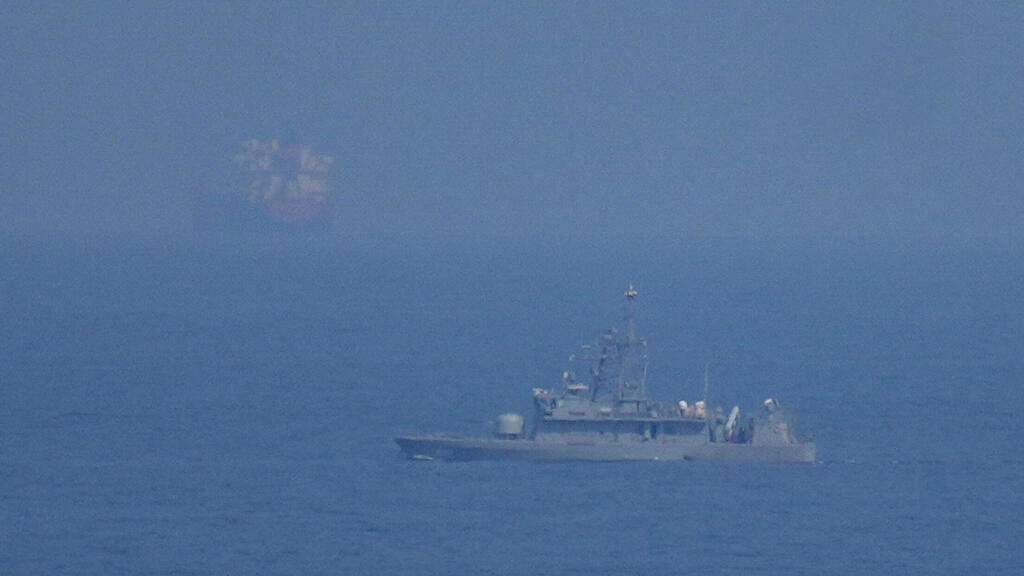
The move would mark a tougher line by Abu Dhabi toward Tehran as the UAE and other Gulf states face the economic fallout from the disruption in Hormuz, the narrow waterway between Iran and Oman through which about one-fifth of the world’s oil and gas normally passes. Traffic through the strait has ground to a near halt during the crisis, with vessel movements reportedly down about 90% since the war began.
“The focus is on creating as broad an international force as possible,” one person familiar with the effort told the Financial Times. “It’s not about going to war with Iran. Iran went to war on the global economy and people need to stand up.”
According to the report, the UAE is also working with Bahrain on a proposed UN Security Council resolution that would give a future task force an international mandate, although Russia and China could oppose such a move. Bahrain had reportedly circulated a draft Security Council text earlier this week, backed by the United States and other Gulf Arab states, that would authorize force to protect shipping in the strait.
There is growing concern among Gulf governments that Iran could seek to maintain leverage over the strait even after the fighting ends. Iran has increasingly formalized its control over Hormuz by requiring some ships to seek approval from the Islamic Revolutionary Guard Corps and, in some cases, pay for safe passage.
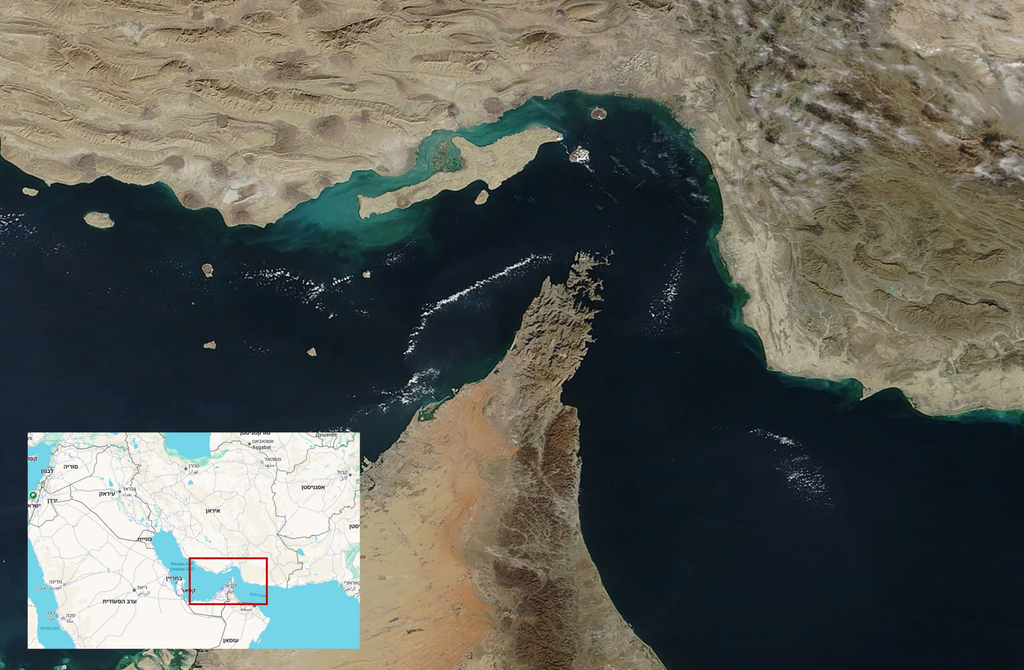
The Strait of Hormuz
(Photo: MODIS Land Rapid Response Team, NASA GSFC, Google Mpas)
The White House has publicly acknowledged the urgency of restoring shipping. Press secretary Karoline Leavitt said this week the administration was tracking “very closely” how to get oil tankers through the strait, though she said there was no specific timeline for when passage could return to normal.
The Financial Times said the UAE, which has a relatively small but modern navy, is pressing dozens of countries to help create what it described as a “Hormuz Security Force” that would defend the strait from Iranian attacks and escort commercial shipping. The report said Bahrain is the only other Gulf state currently backing the plan publicly, while Abu Dhabi is seeking support from Saudi Arabia and other partners.
The UAE’s tougher position has set it apart from most of its Gulf neighbors. UAE state media said the UAE and Bahrain joined a statement with more than 20 countries condemning Iranian attacks on merchant shipping, attacks on civilian infrastructure and the “de facto closure” of the Strait of Hormuz by Iranian forces.
Other Gulf states have also voiced anger over Iran’s attacks, but they remain divided over how far to go, according to the Financial Times. The report said some want U.S. President Donald Trump to keep up pressure on Tehran, while also fearing the United States could eventually pull back and leave behind a more radicalized Iranian regime.
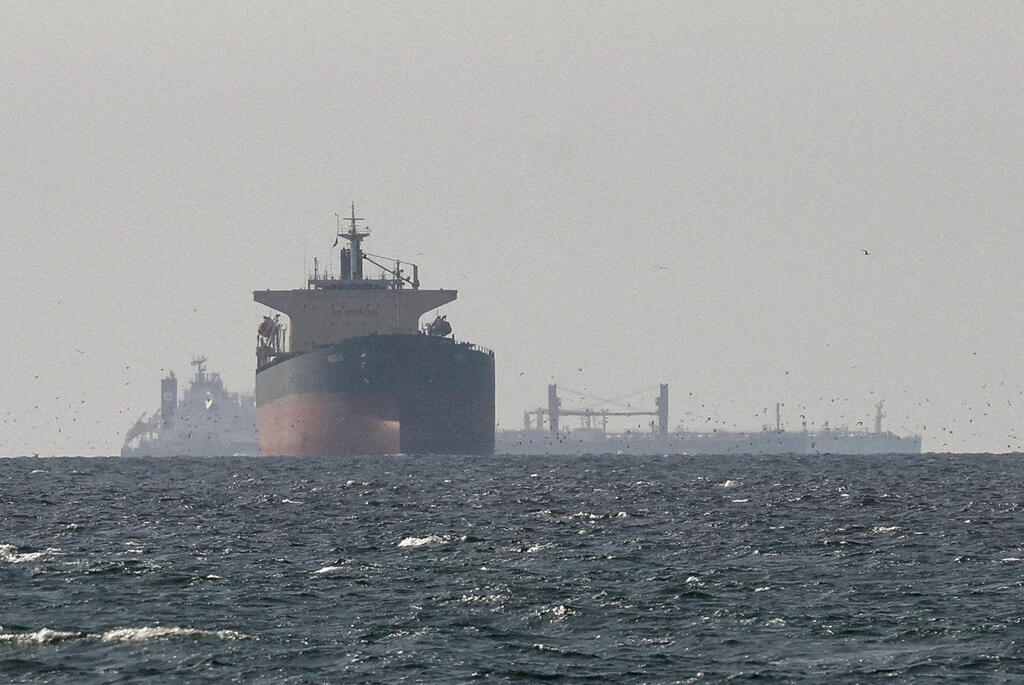
An oil tanker near the Strait of Hormuz off Ras Al Khaimah, United Arab Emirates, March 11, 2026
(Photo: REUTERS/Stringer)
The report said senior Emirati official Sultan al-Jaber raised the issue during talks in Washington this week with Vice President JD Vance and argued that the standoff in Hormuz was driving up costs worldwide. Al-Jaber described Iran’s actions as “economic terrorism.”
Meanwhile, alternative diplomatic and security tracks are emerging. France had reached out to about 35 countries about a possible post-conflict mission to reopen the strait, describing it as a defensive operation that could begin with demining and later protect commercial tankers. Oman, which has publicly criticized the war, has said it is working “intensively” to put in place safe-passage arrangements for Hormuz.