

“Elections in Russia were meaningless. We used to call them a day of pointless bureaucracy with no real choice. We would go and cast our ballots knowing that nothing was going to change.” For Oleg Yakovlev, 40, who immigrated to Israel from Moscow after Russia invaded Ukraine in 2022, the October 27 election will offer a very different experience.
“The opportunity to vote in an election where I can have a real influence on my representation and on advancing values I believe in is something that should never be taken for granted,” Yakovlev said.

About 120,000 new immigrants from Russia and Ukraine have arrived in Israel since the war began, according to the Immigration and Absorption Ministry. More than 102,000 are over 18 and eligible to vote, adding a sizable new constituency to the electorate.
The scale of the immigration wave has been exceptional. Official figures show that 41,800 people immigrated from Russia between the start of the war and the end of 2022 alone, while Knesset data show that 19,474 immigrants arrived from Russia and 1,002 from Ukraine in 2024.
Many members of this new electorate arrived only months before Israel’s previous election in November 2022. Now, four years later, they are entering an Israeli election campaign with political experiences shaped by the countries they left behind.
For Yakovlev, the issues at the top of his list are not security, the economy or military conscription. “For me, someone who came from a country that doesn’t protect democratic values or treat minority communities equally, what matters is LGBTQ rights, separation of religion and state and protecting minorities,” he said.
“We learned in Russia that once minority rights are damaged, it is only a matter of time before everyone’s rights are harmed. When the same people remain in power for a long time, they begin to lose touch with reality, and that ultimately damages our basic values too.”
Yakovlev said many recent immigrants want to become involved in Israeli politics, participate actively in its democratic institutions and make use of a political voice they felt they lacked before immigrating.
‘They want to integrate and have an influence’
Alester Moran, 35, immigrated from Russia in 2014 and is now active in helping newer immigrants settle in Israel. He is also involved in initiatives designed to deepen their understanding of Israeli politics.
“I would often see the level of political discussion among people in the Russian-speaking community on social media and feel that it was extremely poor,” he said. “So we started a new initiative, focused meetings where people come together for political discussions. Each person gets a subject, prepares for it and has to defend a position.”
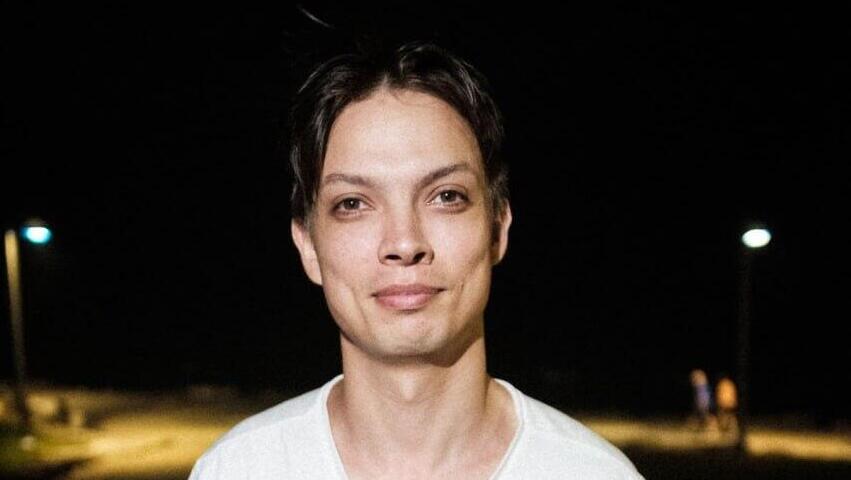
Alester Moran
The result, he says, is that participants learn how Israel’s political system works and gain a better understanding of the issues dominating the election campaign.
Moran believes the latest immigration wave differs in important ways from earlier ones. “Many of the people taking part in our activities arrived in Israel only recently, and they are already holding discussions and researching in depth all the issues at the center of the election,” he said.
“This wave brought people who want to live somewhere better than the country they came from. They understand how important it is that their vote has value, and they intend to study as much as possible so they can use it properly.”
Some, he added, had already spent years opposing the government in Russia. “For much of their lives, a significant number of these immigrants were opponents of the government and tried to fight and have an influence. Now they have arrived somewhere where they genuinely have a chance to do that.
“It is like training for years in a theoretical sport and then finally reaching a real competition where you can demonstrate everything you know.”
But democratic institutions are far from the only concern. Tatiana, 43, who lives in Nof HaGalil in northern Israel, says her main priority is improving infrastructure and public services outside the country’s center.
“I have two daughters, and when I want them to have enriching activities, things to do after school other than watch television, and a good education system that will help them develop, unfortunately that simply isn’t realistic where I live,” she said.
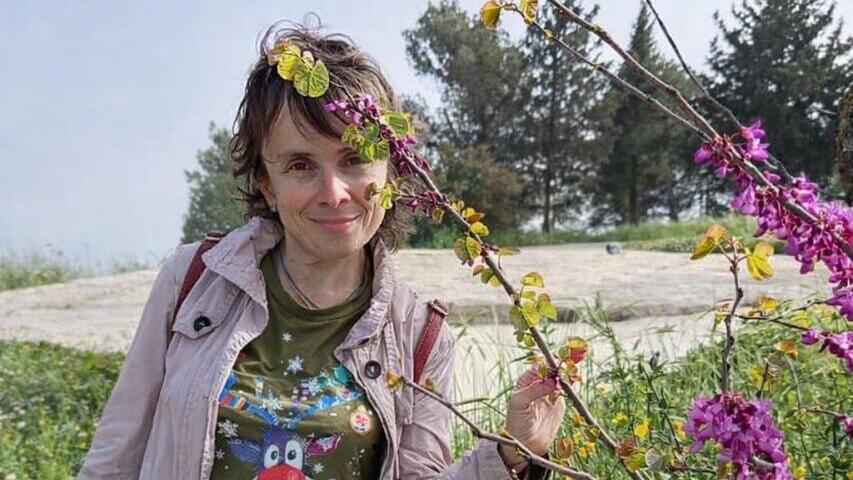
Tatiana
Soon after arriving, she says, she encountered a complaint familiar to many residents of northern Israel. “They invest much less in all the smaller cities,” Tatiana said. “In the center and in the big cities, there is everything. In the periphery they simply don’t invest. There is nothing.”
She has been attending meetings with party representatives and traveling to other cities to hear politicians speak. “It is important for me to hear and understand as much as possible about what they want and what their goals are,” she said. “Unfortunately, many of the promises and things politicians say today are mainly things that will never really change. That’s how the system works now.
“I wish ministers in Israel were appointed professionally, people with experience in the areas they are responsible for, who could actually change things and move them forward.”
Tatiana also says she feels Russian-speaking Israelis lack adequate political representation. “It is important to me that parties include people who come from the same background as so many Israeli citizens,” she said. “People who understand and represent the basic values that matter to many of us.
“Only people who came from Russia can understand and emphasize how important limits on a prime minister’s tenure can be, and how critical the separation of powers is.”
For some of those who arrived in 2022, immigration and absorption policy itself has become a central political concern.
Polina Golnik, 36, from Karmiel, remembers extensive assistance when she first arrived. “When we came to Israel, we received a lot of help,” she said. “The country absorbed us in an organized manner. There were many assistance programs, help with housing, Hebrew lessons and many services adapted especially for us.”
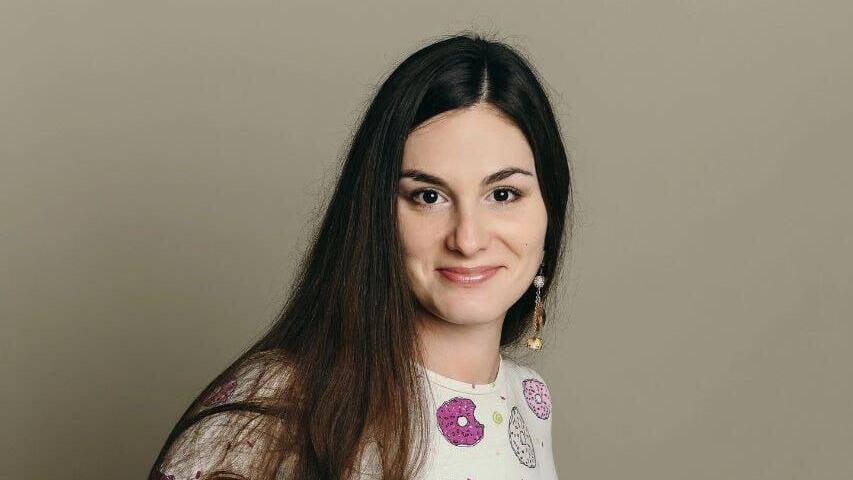
Polina Golnik
Golnik says that after the current government took office, many of those programs disappeared. “The feeling was that, as far as the government was concerned, the main thing was to cancel and change what the previous government had done without finding an adequate replacement, and we were left with nothing,” she said.
Her description reflects her own assessment of government policy. Israel has continued to operate immigrant integration programs during this period, while the Knesset’s Immigration, Absorption and Diaspora Affairs Committee has also documented continuing challenges involving budgets, pensions and services for immigrants from the former Soviet Union.
Golnik said she believes quality of life has deteriorated in recent years. “Everyone understands that the war and the cost of living cannot be solved overnight. These are processes that will take time,” she said. “But there are things that can be done immediately, restoring things that worked and improving our quality of life.”
“If we don’t put democratic values, protection of minority rights and separation of powers at the top of the agenda, nothing else will change for the better.”
‘Democracy was something we lacked in Russia’
Sergei Zorkovsky, 41, who immigrated during the same period, voiced similar frustrations. “When the current government took office, it felt as though the new immigrants had simply been forgotten,” he said. “We were ignored. The past few years have left me with a negative feeling that we are not accepted here.
“It felt as if parties in the current government did everything they could to make things harder, to prevent our relatives from coming to Israel and to make it harder for us to integrate here.”
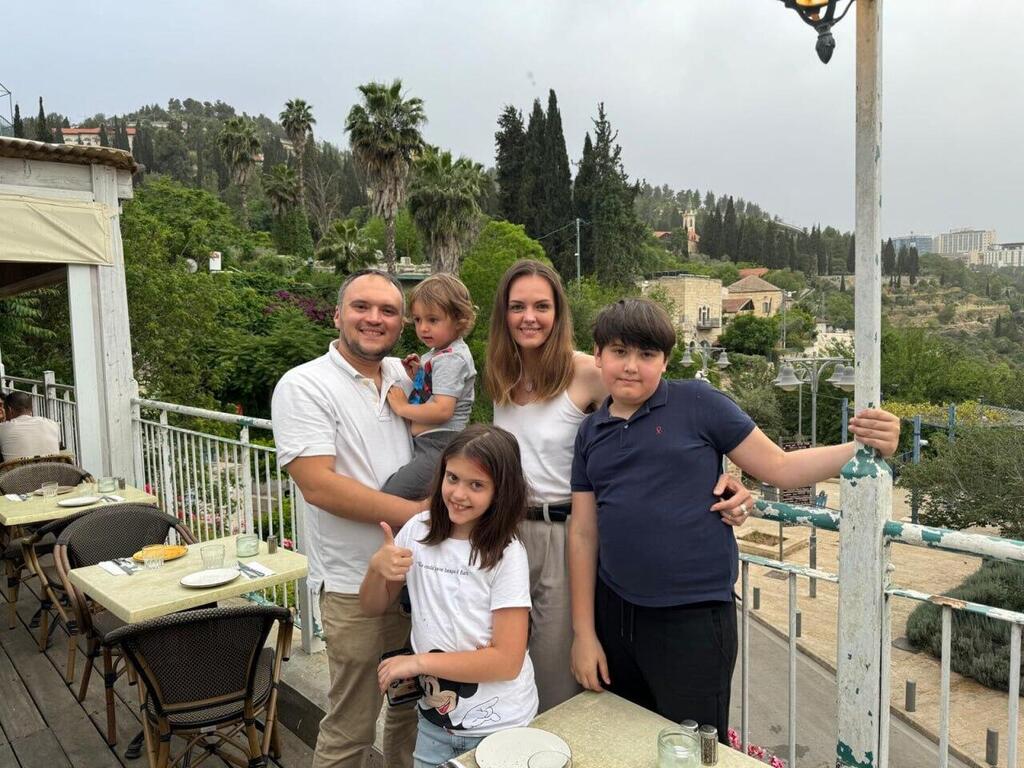
Sergei Zorkovsky and his family
Those are Zorkovsky’s allegations and political assessment, rather than independently established findings. As a father and a self-employed business owner, he says education and the economy are among the issues that affect him personally. “I hope there will be change after the election,” he said. “We lost the sense of security and liberalism. It frightens us. This is exactly what we fled.”
He also described concerns about violence, racism and the way Russian-speaking immigrants are perceived. “What matters is that a government is elected that advances democratic and liberal values, values that will improve our lives here,” he said.
Zorkovsky also argues that Russian-speaking Israelis remain underrepresented in national politics and civic organizations. “Many of the new immigrants came with a desire to take an active part in democracy. That was something we lacked in Russia,” he said.
“There are not enough people today fighting for the things we need. Some of the newer immigrants are elderly people who fled because of the war and now have no pensions after working their entire lives. There are not enough Russian-language services for people who have difficulty learning Hebrew. Many of us still have family there who cannot come under the current restrictions.”
The difficulty receiving pension payments from Russia and other former Soviet states is a documented problem that reached the Knesset’s Immigration, Absorption and Diaspora Affairs Committee in February, with lawmakers describing bureaucratic obstacles that have harmed some immigrants’ pension rights.
“The Russian-speaking community deserves more respectable and meaningful representation in the Knesset,” Zorkovsky said. “I hope that changes in the future.”
For this group of new voters, the election is therefore about more than casting a ballot for the first time in Israel. Their concerns range from schools, infrastructure and the cost of living to immigration policy and democratic institutions, shaped both by their experience in Israel and by the political systems they left behind.